

Traditional Wooden Rocker
A traditional wooden rocker brings timeless kinetic comfort into a room through vernacular forms and honest timber construction.
Traditional Wooden Rocker
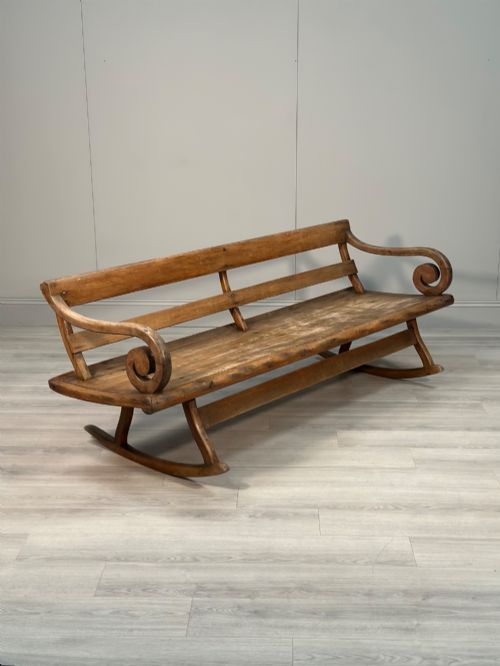
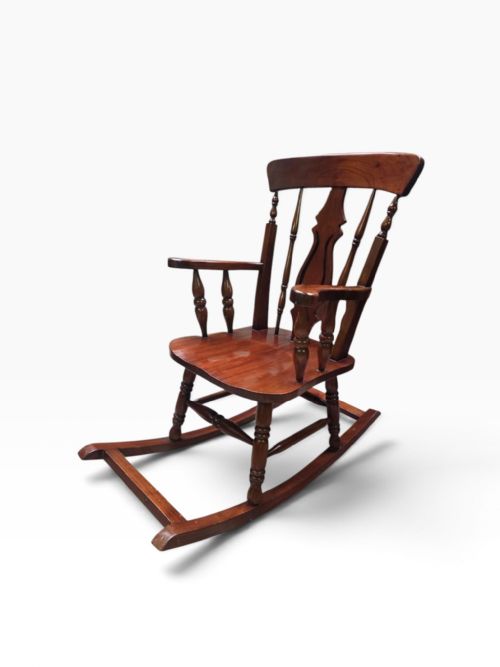
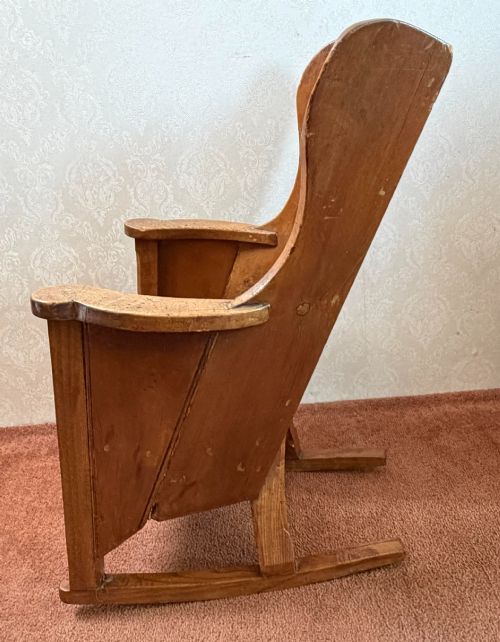
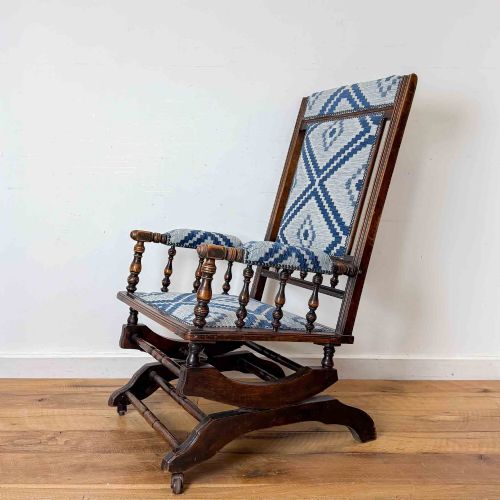
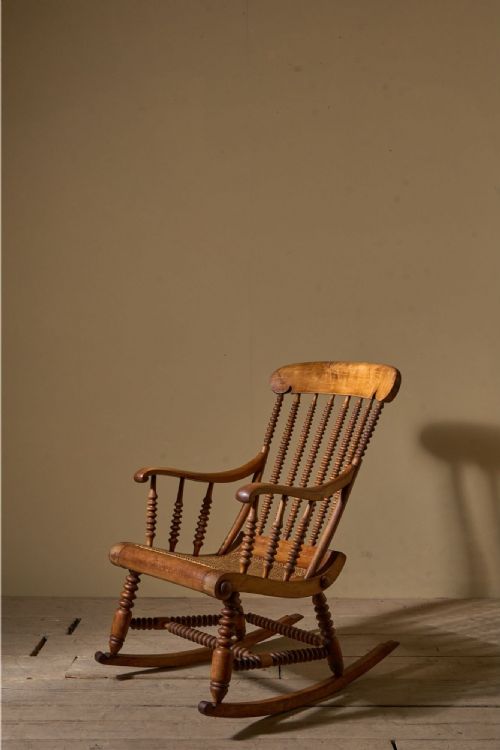
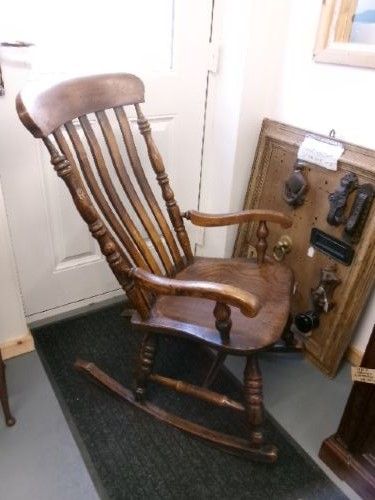
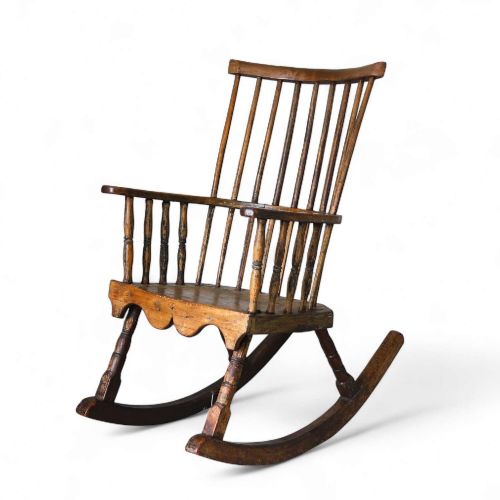
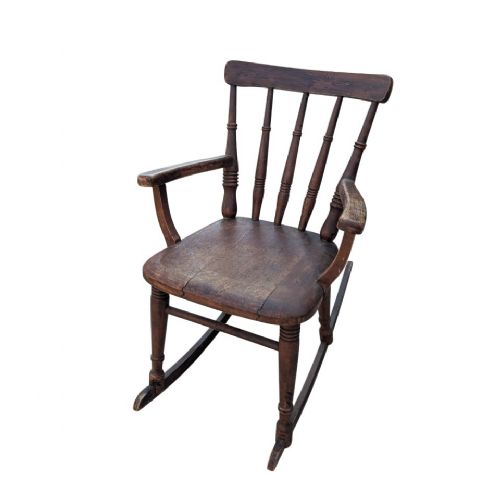
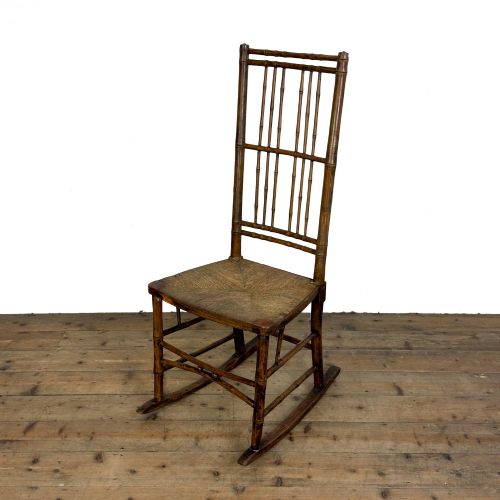
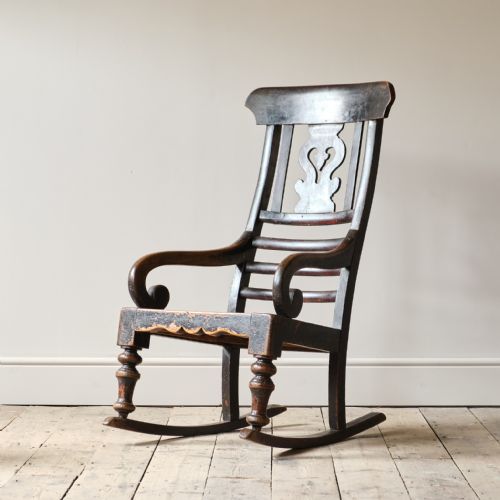
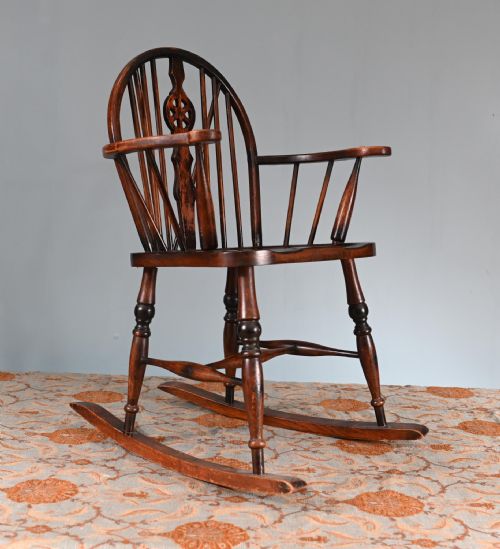
A traditional wooden rocker encompasses everything from Windsor armchairs and ladder backs to juvenile cradles and carved playroom horses. When searching for a traditional wooden rocker, buyers encounter a diverse selection spanning the seventeenth through the twentieth centuries. The nineteenth century yields the highest volume of examples, particularly country vernacular Windsor chairs and bobbin-turned seating.
Domestic forms dominate the inventory, ranging from fireside seats and nursing chairs to children's rocking furniture. Regional variations appear frequently, including English country styles, Scottish vernacular pieces, and American or Scandinavian imports. Heavier items like rocking settles and panelled pine cradles on rockers also share this category.
Materials and Construction
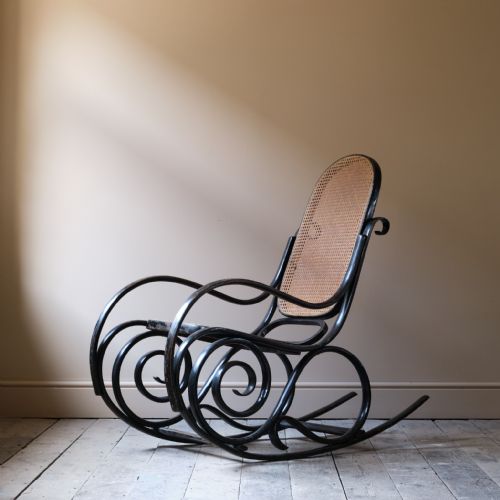
Makers utilised native timbers such as oak, elm, ash, beech, and sycamore to build these pieces, often combining woods within a single frame. Windsor chairs typically pair elm seats with ash or beech spindles and bending parts. Selected examples incorporate supplementary elements like leather seats, cane panels, or original surface paint.
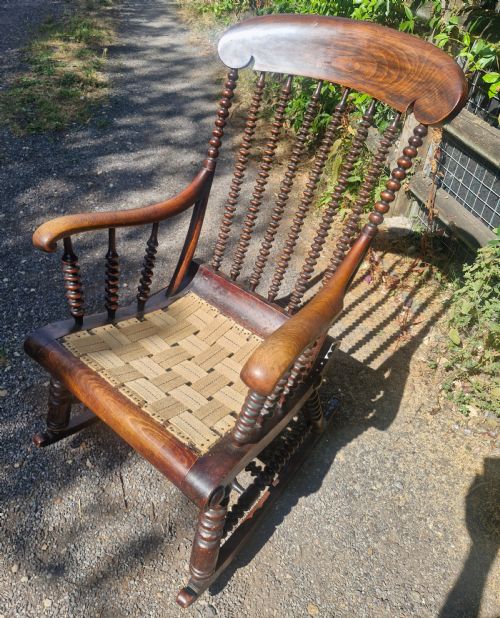
Joinery methods rely on traditional Windsor construction, ladder-back framing, and bobbin turnings secured with pegs and wedges. Makers shaped solid wood components using drawknives and spokeshaves, curving steam-bent elements to form comfortable backs and arris rails. Surface treatments range from clear wax finishes to old painted coats.
Traditional Wooden Rocker Retail Price Guide 2026
Typical asking prices for traditional wooden rocker among the pieces listed under this phrase on Sellingantiques today, from the lower quarter to the upper quarter. They describe what is for sale here now, not the wider market.
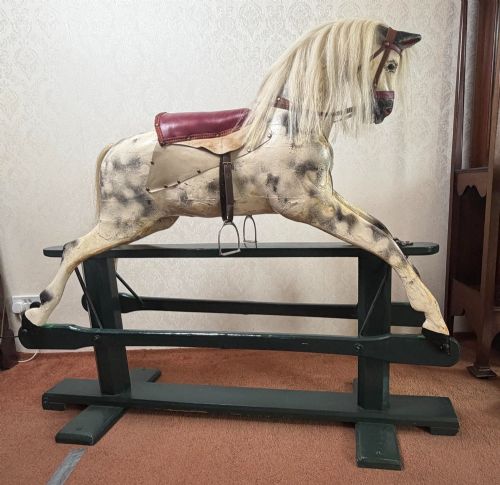
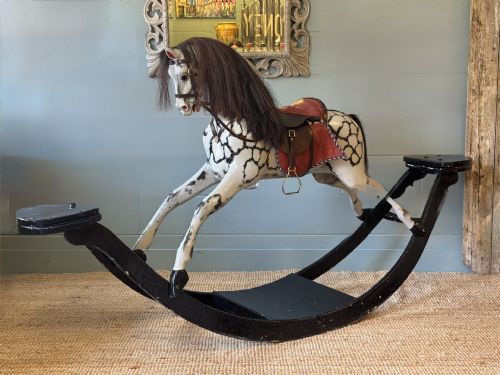
Several items double as nursery entertainment, featuring wooden horses ready for imaginary gallops across the carpet.
Assessing Quality and Execution
Quality reveals itself in the integrity of the timber selection and the precision of the joinery. Superior examples maintain their original structural stability without excessive replacement parts or compromised rocker rails. The crispness of turning on bobbin-framed or spindle-back pieces indicates skilled hand execution.
Original surfaces elevate a piece significantly, especially where untouched historic paint or honest patination remains intact. Vernacular character shines through when regional idiosyncrasies, such as comb-backs or Thames Valley bracing, are executed with proportion and balance.
G & J Lines of London
The Traditional Wooden Rocker Glossary
- Windsor chair
- A chair built with a solid wooden seat into which the legs and back spindles are directly tenoned. These seating forms often feature bentwood hoops and comb-backs.
- Bobbin framing
- A decorative turning technique producing a series of rounded wooden beads resembling bobbins along the vertical and horizontal frame members. This style appears frequently on nineteenth-century vernacular seating.
- Comb-back
- A chair back design where the top rail resembles the teeth of a comb, extending the vertical spindles upward. This structural form offers additional head and back support.
- Ladder back
- A chair construction featuring horizontal slats or bars between two upright rear posts. These frames often use rush or timber seats.
- Rocking settle
- A high-backed wooden bench mounted on curved rocker shoes, designed to block drafts near a hearth. They combine storage or solid panel construction with kinetic movement.
Traditional Wooden Rocker: Frequently Asked Questions
What is a Windsor rocking chair?
A Windsor rocking chair is built with a solid carved wooden seat that anchors the legs below and the spindles above. These pieces utilise steam-bent components to create supportive arched backs.
They emerged from vernacular traditions and adapted well to domestic firesides through the addition of curved rocker shoes.
How do I identify a 19th-century rocker?
Nineteenth-century rockers frequently display regional country vernacular styles, including bobbin turnings, comb-backs, and wheelbacks. The timbers commonly consist of elm, ash, and beech with traditional pegged joinery.
Examining the tool marks and the wear patterns on the rocker rails helps confirm the age and period of use.
Were rocking horses made of wood?
Traditional rocking horses were carved and constructed entirely from wood, often mounted on original wooden swinging rockers or bow frames. Artisans shaped the bodies from multiple laminated blocks before applying gesso and paint.
Surviving examples frequently retain their original painted surfaces and tack.
How do I care for an antique wooden rocker?
Maintain antique wooden rockers by keeping them away from direct heat sources and sudden humidity changes to prevent timber splitting. Regular dusting with a soft cloth preserves the historic finish and patina.
Avoid harsh chemical cleaners and treat dry wood surfaces periodically with traditional beeswax.