

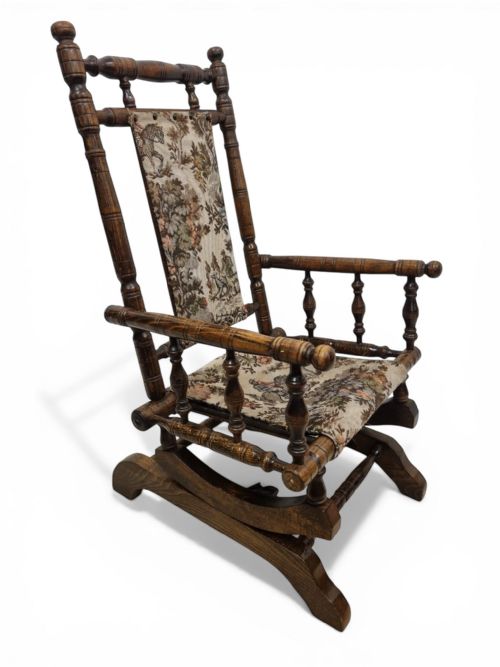


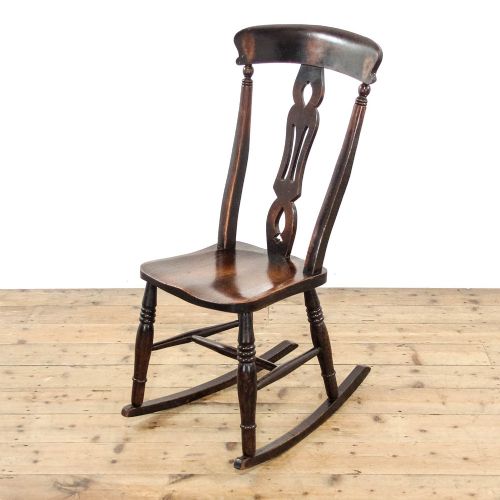


Vintage Nursery Rocking Chair
A vintage nursery rocking chair brings immediate character to a room, offering small-scale seating built for children and nurseries across past centuries.
Vintage Nursery Rocking Chair
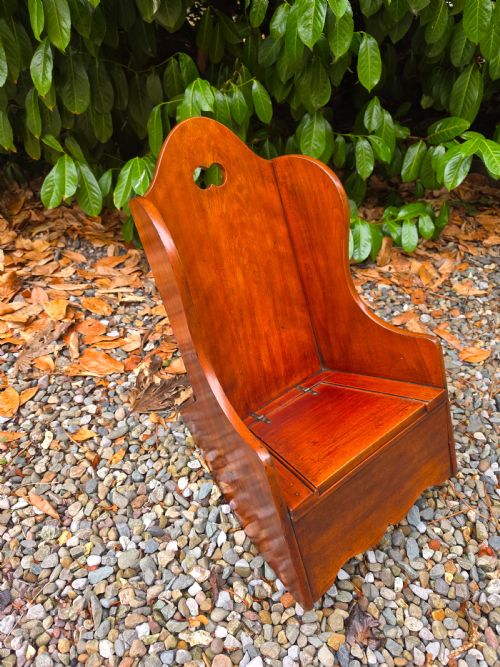
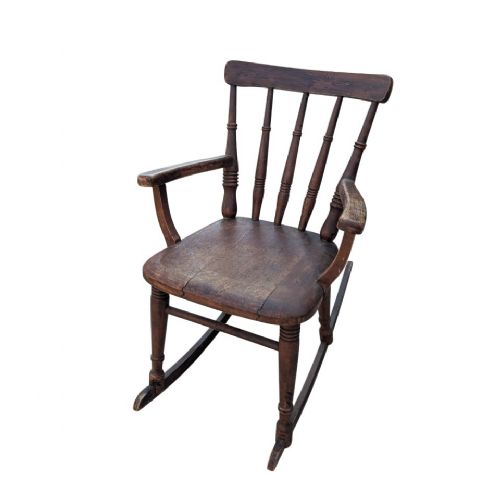
A vintage nursery rocking chair encompasses small-scale seating designed historically for children, appearing in forms such as child's rocking chairs, potty rockers, and diminutive armchairs. These pieces span periods from the eighteenth century through the Victorian, Edwardian, and early twentieth-century eras, reflecting domestic life across generations.
The most common versions met here are child's rocking chairs constructed in robust woods like beech, elm, and fruitwood. Makers built these pieces in styles ranging from English and rustic country to Victorian Windsor and bentwood designs.
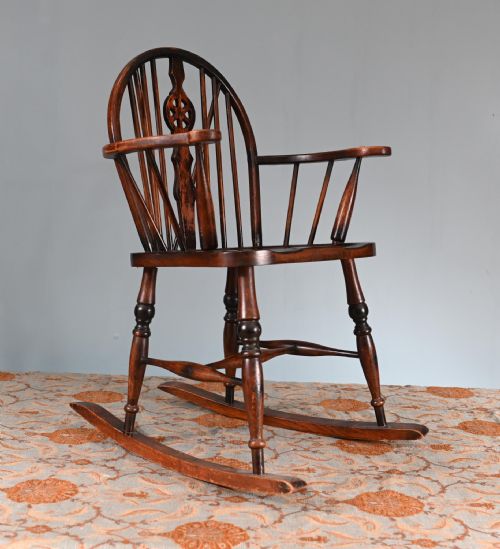
Origins stretch across British, American, and Scandinavian traditions, displaying local vernacular choices in spindle backs, wheelbacks, and solid wooden seats. Buyers encounter everything from simple farmhouse elm rockers to ebonised and painted aesthetic movement models.
What varies in quality
Quality rests in the integrity of the timber selection and the skill of the construction, distinguishing simple utility items from refined examples of cabinetmaking. Superior pieces display thoughtful turning in spindle backs and well-balanced rocker curves that ensure smooth motion.
The preservation of original surface finishes, whether polished mahogany, painted ebonisation, or natural fruitwood patination, elevates a piece. Structural cleverness, such as steam-bent frames or integrated potty mechanisms, marks out more ambitious regional and factory production.
Vintage Nursery Rocking Chair Retail Price Guide 2026
Typical asking prices for vintage nursery rocking chair among the pieces listed under this phrase on Sellingantiques today, from the lower quarter to the upper quarter. They describe what is for sale here now, not the wider market.
Some miniature rockers included built-in potties, proving that nineteenth-century parents valued multitasking nursery furniture just as much as we do today.
The Vintage Nursery Rocking Chair Glossary
- Potty rocker
- A specialised child's rocking chair featuring a concealed cut-out seat designed for toilet training in the nineteenth century. These practical domestic objects combined nursery seating with nursery sanitation.
- Windsor
- A traditional wooden chair construction method where legs and back spindles fit directly into a solid sculpted seat. This style appears frequently in robust country rocking chairs.
- Bentwood
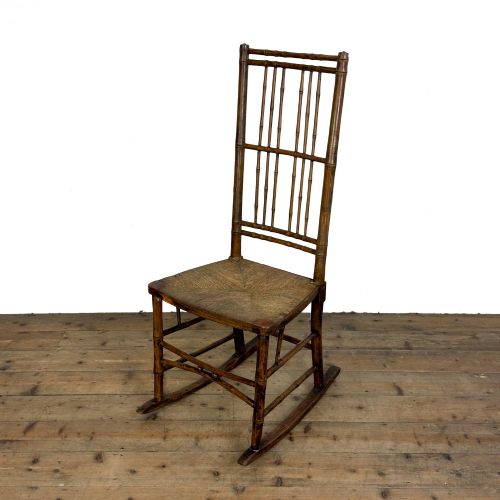
- Wood softened through steam heating and bent into curved structural forms. This technique created the light, flowing frames seen in nineteenth-century examples.
- Spindle back
- A chair back constructed from a series of slender turned wooden rods. It provides lightweight support while maintaining visual transparency in smaller seating.
- Wheelback
- A Windsor chair variation featuring a pierced splat shaped like the spokes of a wheel. This decorative motif identifies specific regional English country craftsmanship.
Vintage Nursery Rocking Chair: Frequently Asked Questions
Are these chairs safe for modern children?
These historical items were built for past domestic standards and serve primarily as decorative nursery furnishings or collector pieces today. Modern safety regulations regarding children's furniture differ significantly from nineteenth-century manufacturing.
Buyers intending actual use should inspect structural stability carefully. Many collectors prefer to place them as static decorative accents in period interiors.
How do I identify a Victorian rocking chair?
Victorian examples often display darker finishes, ebonised surfaces, or turned spindle components characteristic of nineteenth-century domestic taste. The materials frequently include beech, oak, and sometimes cane or tapestry upholstery.
Stylistic cues draw upon English country traditions or aesthetic movement design. Examining construction methods helps confirm the nineteenth-century period origin.
What is a bentwood rocking chair?
Bentwood rockers utilise steam-heated timber bent into graceful, curved structural shapes without traditional heavy joinery. Makers like Thonet popularized this technique during the nineteenth century.
These pieces offer a lighter visual profile compared to solid oak or elm country chairs. They combine springy comfort with streamlined organic forms.
How should I clean a vintage wooden rocker?
Maintenance requires gentle dusting with a soft cloth to protect aged wood surfaces and historic finishes. Avoid modern chemical polishes that can degrade nineteenth-century wax or polish layers.
Preserving the natural patina depends on minimal intervention and stable indoor humidity. Cane and rush elements similarly benefit from careful, dry cleaning methods.