
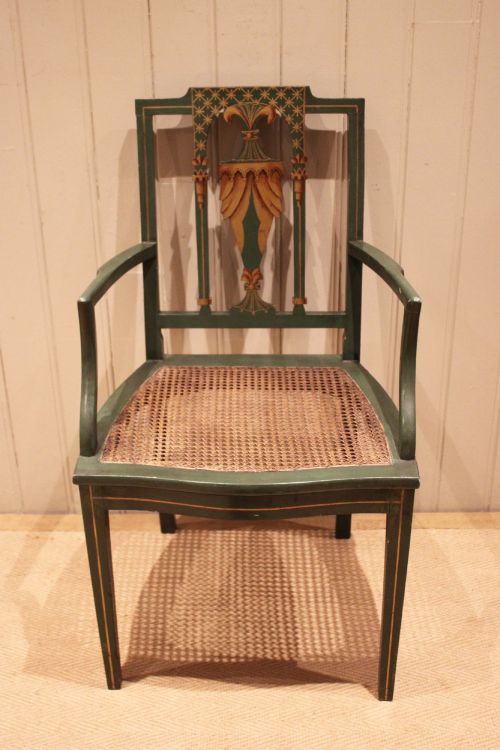
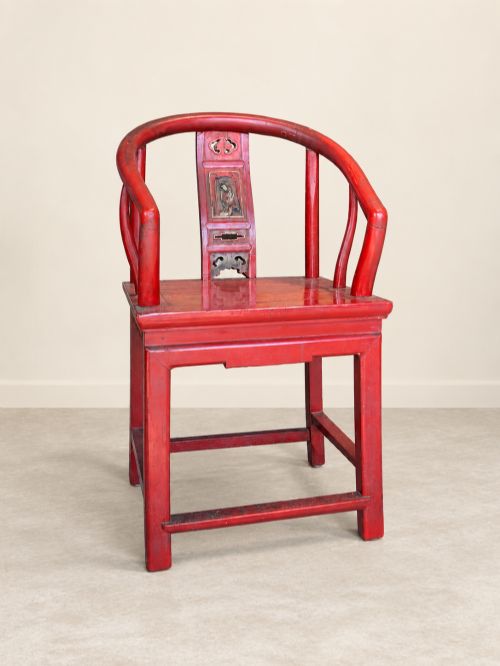
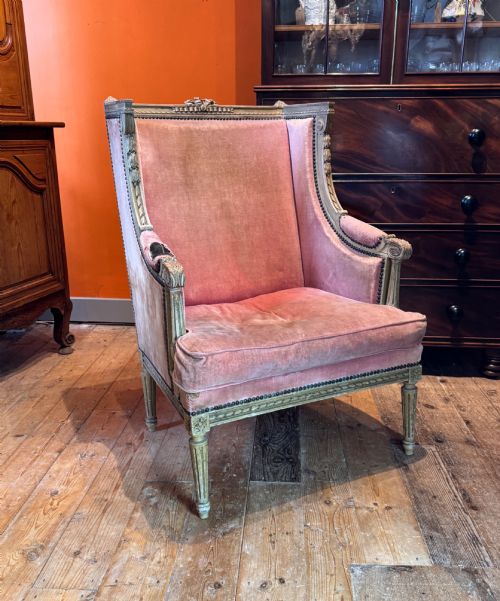
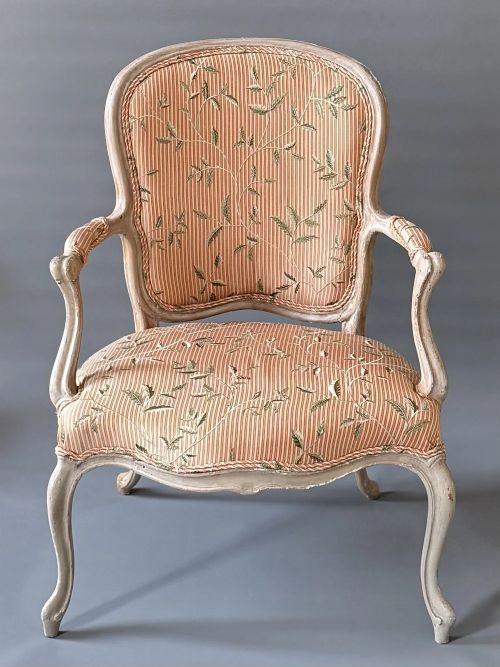
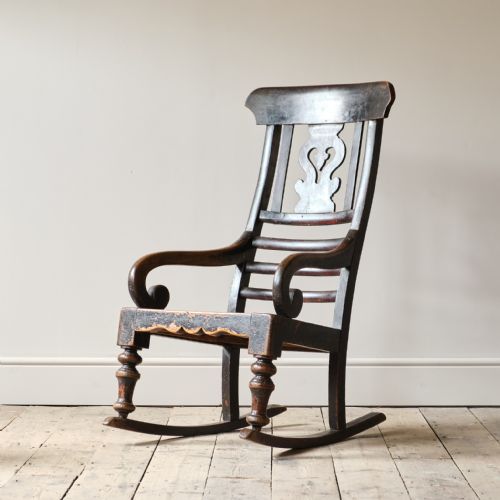
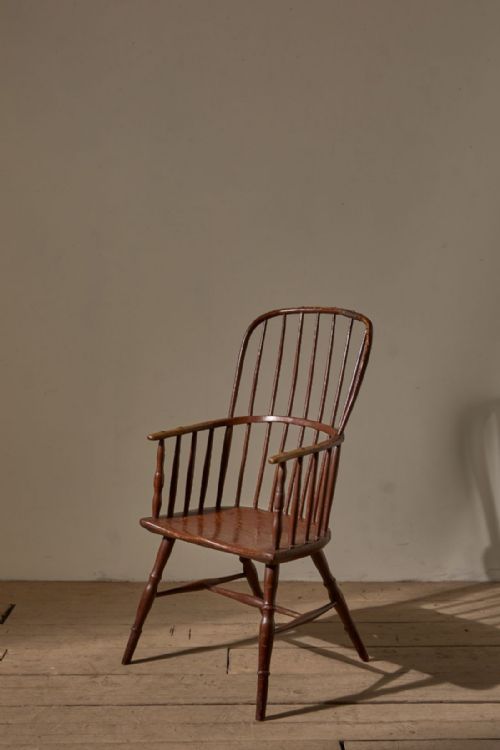


Painted Wooden Armchair
A painted wooden armchair brings surface character and continental style to a room, ranging from rustic country seating to refined French designs.
Painted Wooden Armchair
A painted wooden armchair combines structural timber frames with decorated painted surfaces, spanning country workshops and formal drawing rooms. When searching for a painted wooden armchair, buyers encounter pieces originating from English, French, Italian, and Scandinavian traditions.
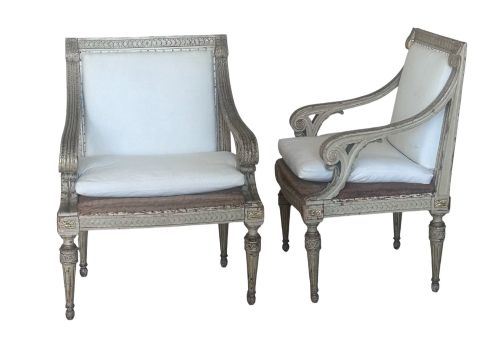
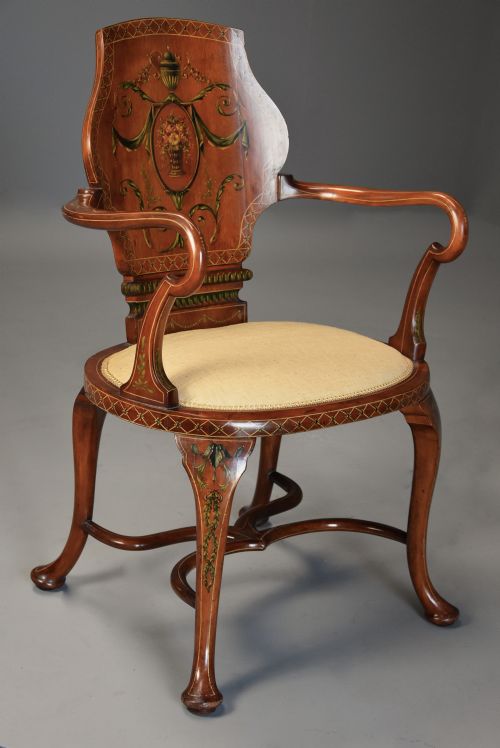
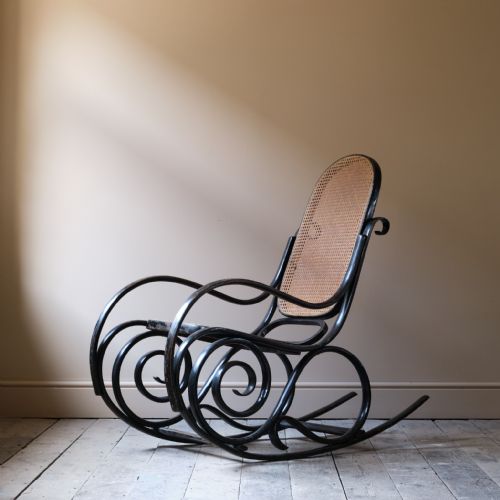
The selections on this page draw from periods ranging from the eighteenth century through the Edwardian era and the early twentieth century. Forms include Windsor chairs, bergere chairs, rocking chairs, and formal armchairs executed in styles such as Louis XVI, Louis XV, and Georgian country.
How they were made
Timbers such as beech, elm, ash, walnut, and satinwood form the solid skeletons of these seats, shaped through turning, bending, and joinery. Makers applied decorative paint finishes directly to the wood, sometimes preserving original surface layers over centuries.
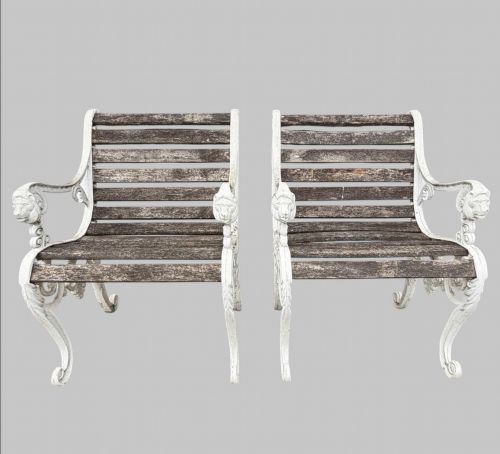
Seating areas incorporate woven cane, rush, fabric upholstery, or solid wooden planks hollowed into dug-out forms. Structural details include brass hardware, cast iron elements in garden variants, and hand-stitched needlepoint panels.
Painted Wooden Armchair Retail Price Guide 2026
Typical asking prices for painted wooden armchair among the pieces listed under this phrase on Sellingantiques today, from the lower quarter to the upper quarter. They describe what is for sale here now, not the wider market.
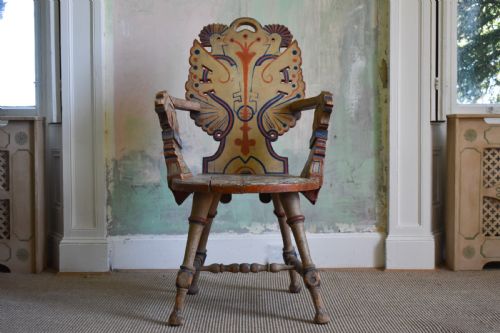
One remarkably sturdy survivor from the nineteenth century is designated simply as a country throne armchair.
What varies in quality
The survival of original painted surfaces distinguishes standard utilitarian seating from pieces retaining historical patination and untouched pigment. Evidence of regional craftsmanship, such as carved details, regional ladder-back turnings, or balanced proportions, separates workshop output from mass production.
The integrity of the underlying timber frame and supporting elements like cane or rush seating dictates structural longevity. Pieces retaining period upholstery panels or authentic regional forms carry greater historical weight than later adaptations.
White, Allom & Co.
The Painted Wooden Armchair Glossary
- Fauteuil
- An open-framed armchair with upholstered armrests originating in France. These seats typically feature exposed wooden frames with painted finishes.
- Bergere
- A closed armchair featuring upholstered sides enclosed within a wooden framework. They often include cane panels and loose squab cushions.
- Windsor chair
- A wooden seating form constructed with a solid plank saddle seat into which legs and spindles are wedged. Traditional versions include hoop backs and bow backs.
- Cane seat
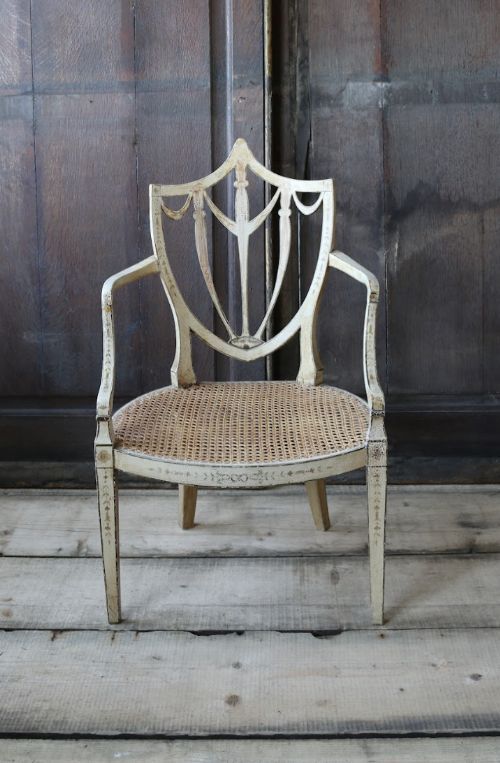
- A seating surface woven from peeled rattan strips in an open mesh pattern. This technique provides flexible support within a wooden frame.
- Dug out chair
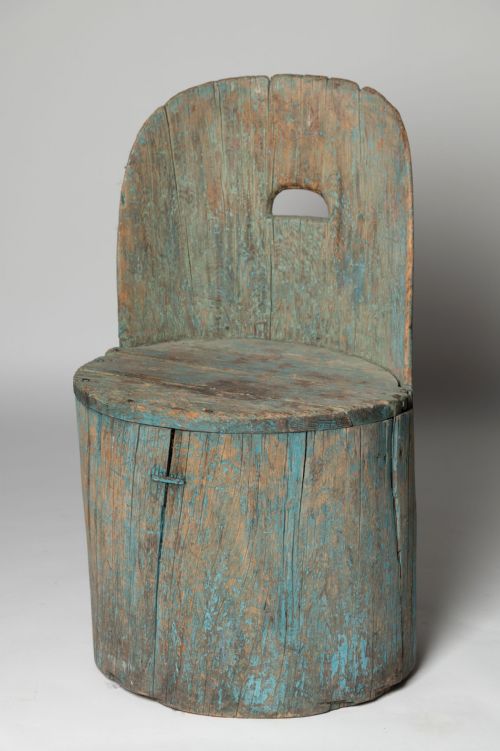
- A primitive seating form hewn directly from a single solid log. These heavy pieces represent early regional woodworking traditions.
- Duchesse brisée
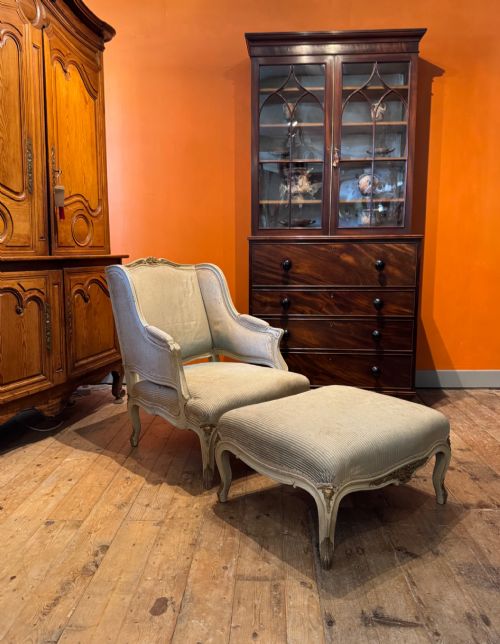
- A multi-part chaise longue comprising an armchair accompanied by an ottoman or secondary chair section. They appear in refined French interior schemes.
Painted Wooden Armchair: Frequently Asked Questions
How do I identify original paint?
Original paint exhibits natural wear, craquelure, and multiple microscopic layers consistent with age rather than modern distressing. Examining protected undersides and joints reveals pigment consistency that matches historical usage.
Overpainted surfaces often mask the true timber underneath and lack the subtle fading found in genuine period finishes. Professional evaluation under magnification helps determine whether decorative layers date to the manufacture of the frame.
What rooms suit a painted wooden armchair?
These chairs function effectively as reading seats in libraries, accent pieces in hallways, or occasional seating in living spaces. Lighter country styles complement informal interiors, while Louis XV and XVI designs anchor formal rooms.
Placing timber armchairs away from direct heat sources and sunlight protects both the painted surface and underlying wood. Pairing them with neutral walls allows the decorative pigment and regional form to stand out.
How do I care for cane seats?
Cane seating requires moderate humidity to prevent the rattan fibres from drying out and becoming brittle. Periodic wiping with a damp cloth maintains the elasticity of the woven mesh.
Avoid placing heavy weights or sharp objects directly onto cane panels to prevent snapping. Supporting older woven seats with a discreet cushion reduces daily stress on the historical material.
What distinguishes country chairs from formal styles?
Country chairs utilise accessible regional timbers like elm, ash, and beech, featuring straightforward constructions such as ladder backs and solid Windsor seats. Their decoration relies on simple folk art paint applications or utilitarian finishes.
Formal styles incorporate imported hardwoods like satinwood and walnut, adhering to classical design idioms like Regency or Louis XVI. These pieces display refined carving, fluted legs, and sophisticated upholstery.