

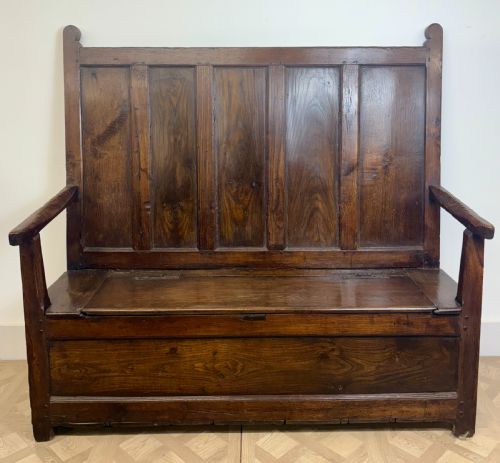
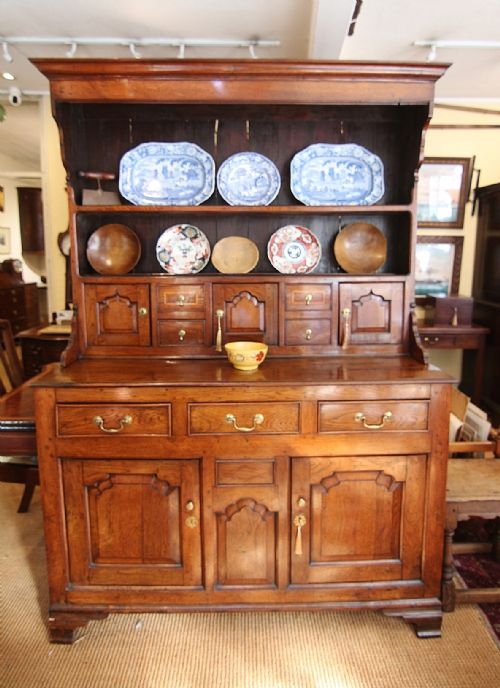
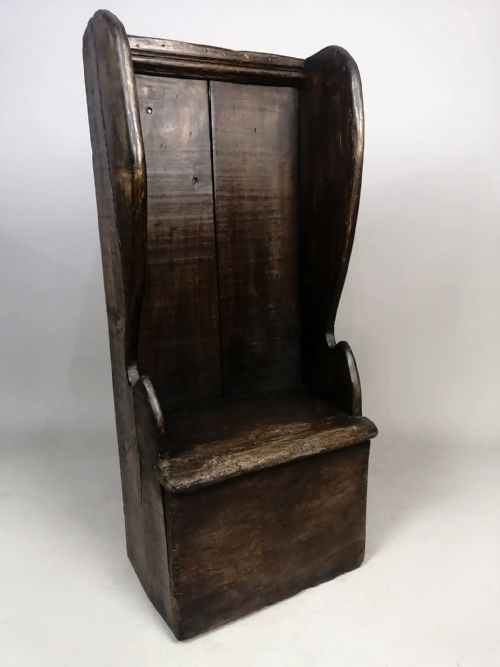
Antique Vernacular Furniture
Antique vernacular furniture brings unpretentious domestic history straight into modern rooms through honest regional craftsmanship.
Identifying Antique Vernacular Furniture
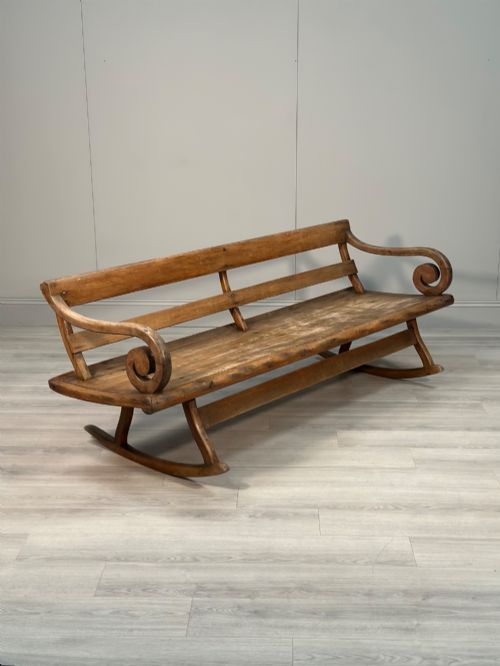
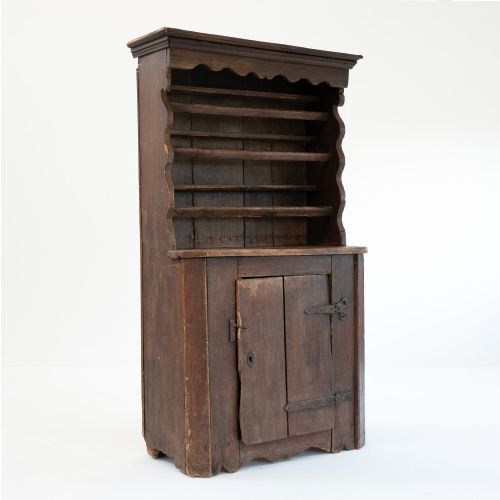
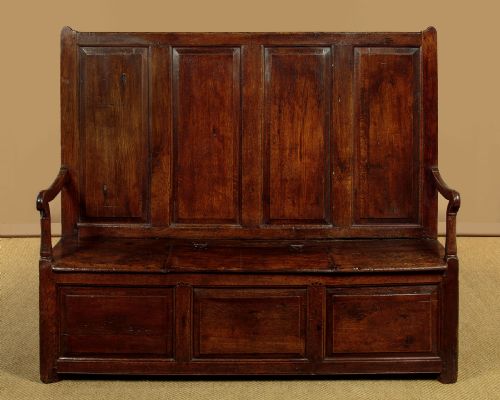
Antique vernacular furniture encompasses practical, everyday pieces shaped by regional tradition rather than metropolitan fashion. When searching for antique vernacular furniture, buyers encounter robust domestic objects designed strictly for utility.
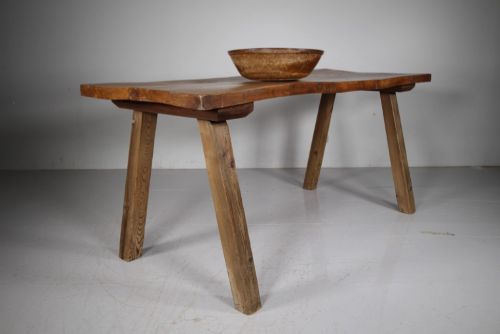
The available selection demonstrates this utilitarian focus through robust seating and tables. Examples span from the eighteenth century to the nineteenth century, reflecting enduring rural traditions.
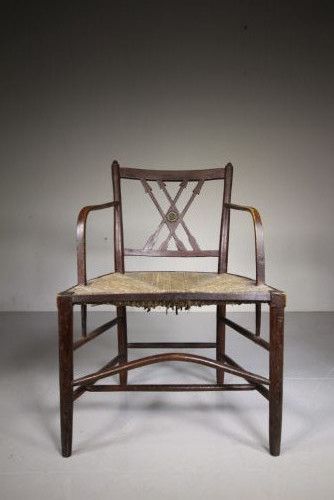
Forms include armchairs, side tables, stools, and children's chairs. These pieces originate from distinct periods including the Georgian era and the nineteenth century.
Materials and Construction
Maker workshops utilised accessible local timbers such as elm, ash, oak, pine, and yew. These native woods provided the structural strength required for heavy daily use.
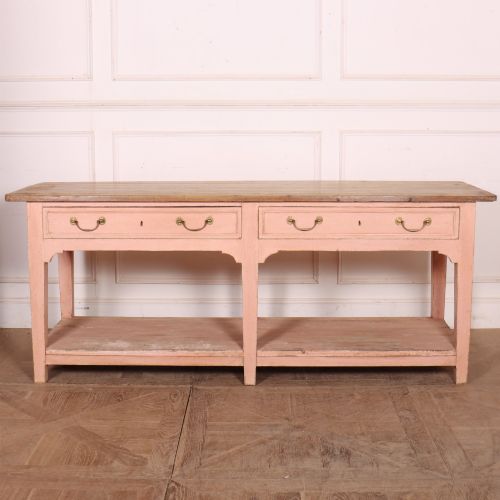
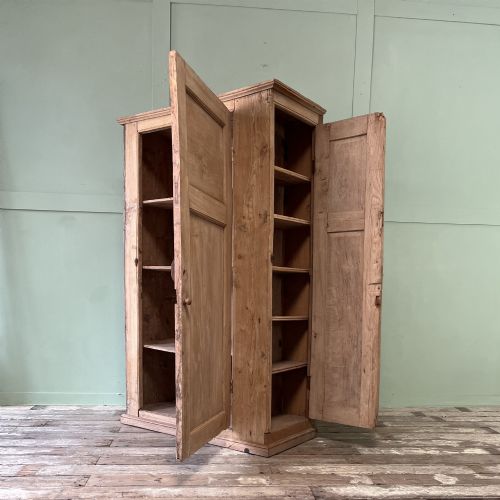
Surfaces occasionally display historic paint finishes alongside exposed timber grain. Construction techniques relied on traditional joinery suited to rural production.
Retail Price Guide 2026
Typical UK retail prices for vernacular furniture, calculated from the Sellingantiques database of over a million retail prices indexed since 2003. This retail price guide relies exclusively on Sellingantiques data; no external sources or auction records are used, so the figures do not describe the wider market.
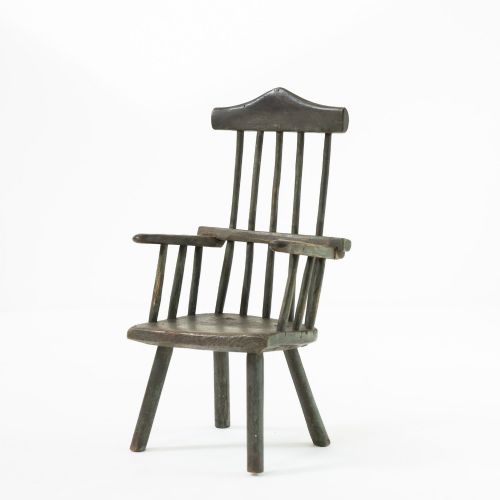
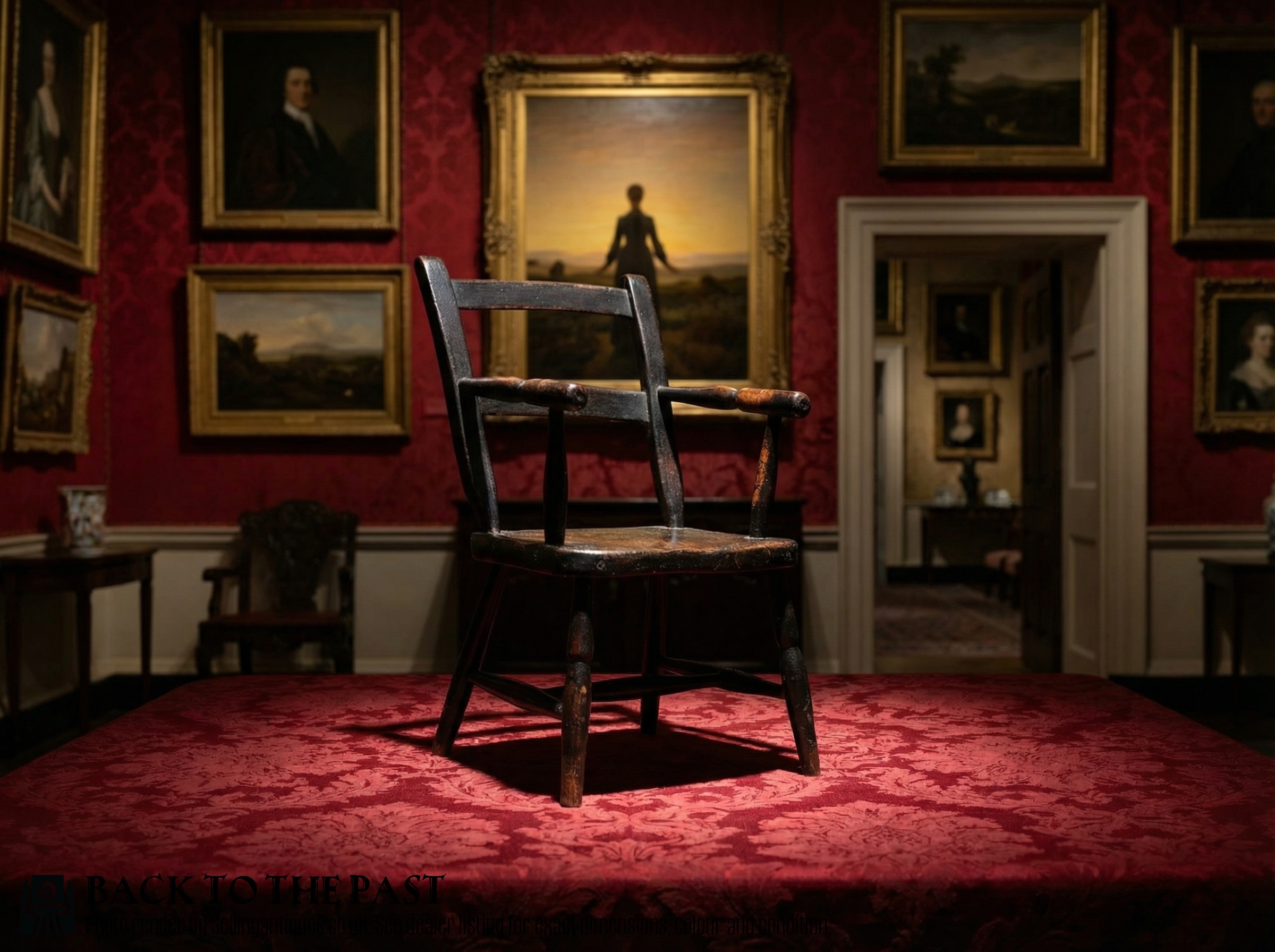
Children's Windsor chairs demonstrate that even the smallest household members required miniature versions of sturdy grown-up seating.
Assessing Quality
Quality rests upon the integrity of the timber and the harmony of regional proportions. Superior examples retain their original structural components without excessive modern intervention.
Surface patination distinguishes finer items from lesser pieces. Natural wear through generations of domestic use enhances the character of well-made examples.
The Antique Vernacular Furniture Glossary
- Vernacular
- Everyday objects made by local tradesmen rather than urban cabinetmakers. These items served immediate household needs without following high-style academic designs.
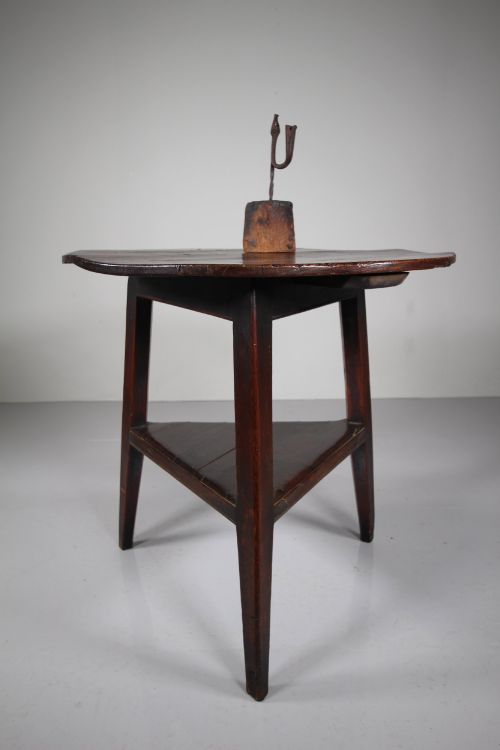
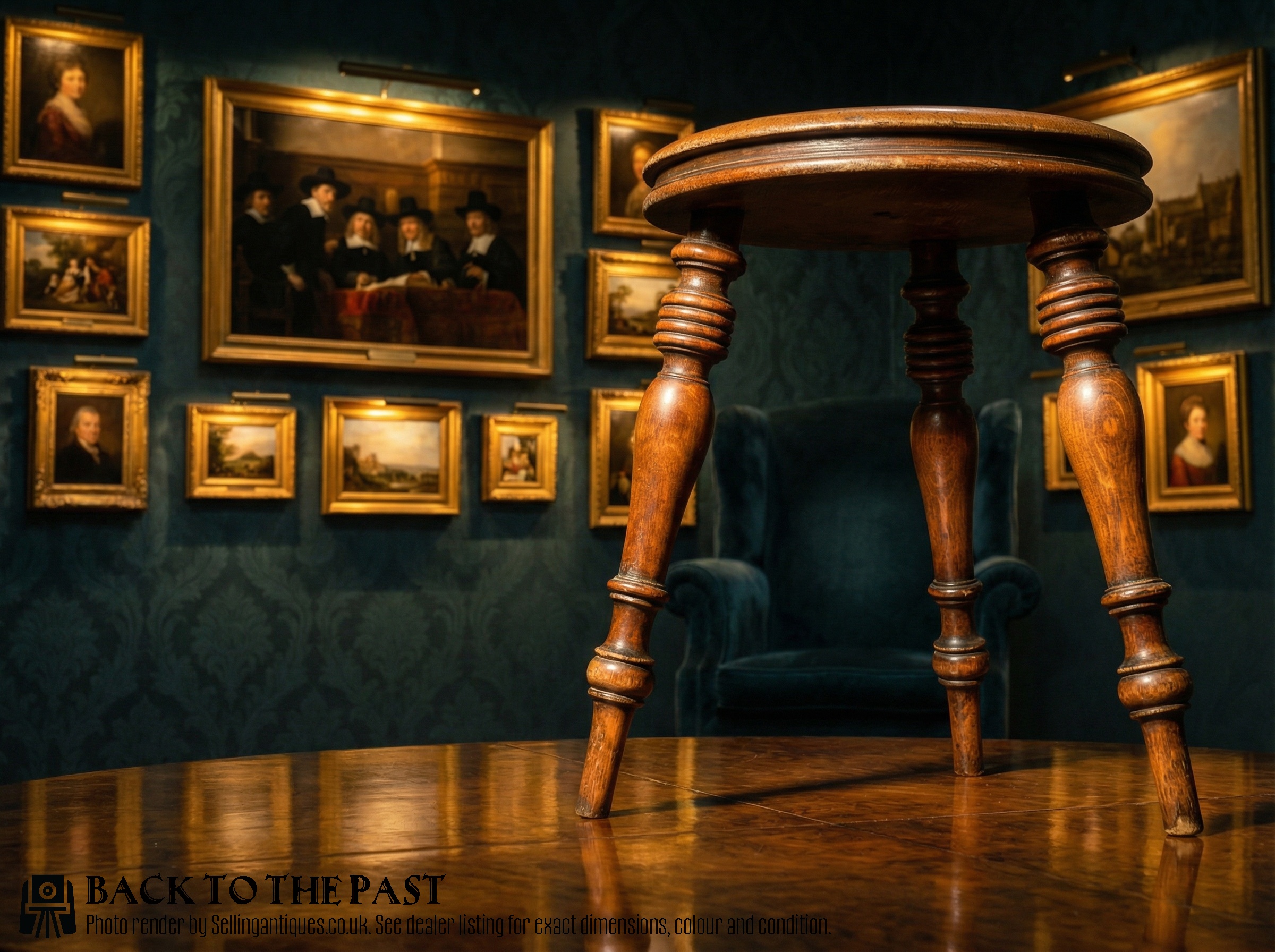
- Cricket table
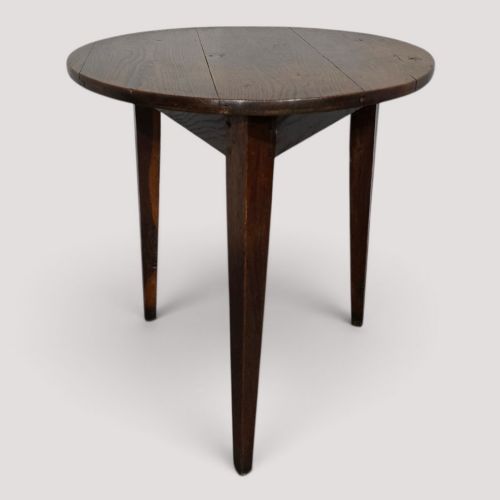
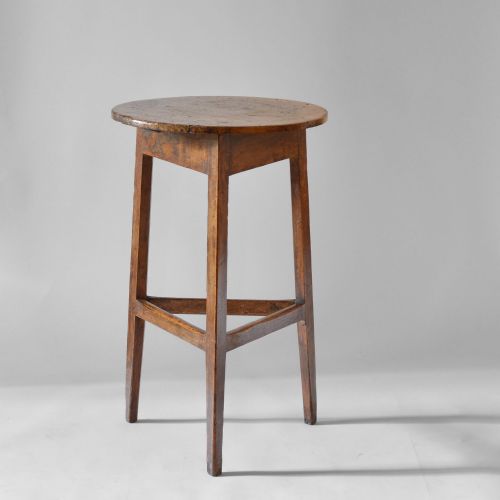
- A small, light table traditionally featuring three splayed legs. This three-legged construction remained stable on uneven cottage floors.
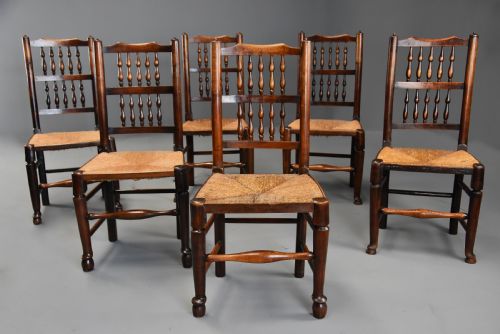
- Stickback
- A chair design where turned spindles form the backrest. These spindles fit directly into a solid wooden seat.
- Elm
- A tough, interlocking timber frequently chosen for chair seats. Its grain resists splitting when subjected to the stress of inserted legs and spindles.
Frequently Asked Questions
What is vernacular furniture?
Vernacular furniture refers to everyday household items produced by local makers using regional materials. These pieces prioritize practical utility over formal stylistic conventions.
Such items reflect the domestic habits and available resources of specific rural communities during periods like the eighteenth and nineteenth centuries.
How do I date a piece?
Dating relies on observing construction methods, timber choice, and wear patterns. Georgian pieces often display specific proportions compared to later nineteenth-century examples.
Nail types, tool marks, and joint assembly further help determine the era of manufacture.
Where were these pieces made?
Local workshops and rural joiners produced these items across various regions. Welsh examples, for instance, demonstrate distinct regional traditions in chair making.
Makers utilised timber readily available in their immediate surrounding landscape.
How should I care for timber?
Maintain antique wood by keeping pieces away from direct heat sources and sudden temperature shifts. Environmental stability prevents the timber from warping or splitting.
Apply traditional wax sparingly to nourish the surface and preserve historic patination.