


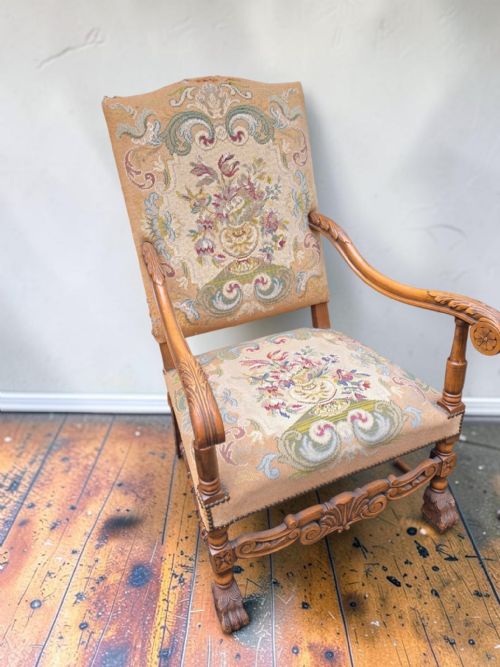
Vintage Wooden Accent Chair
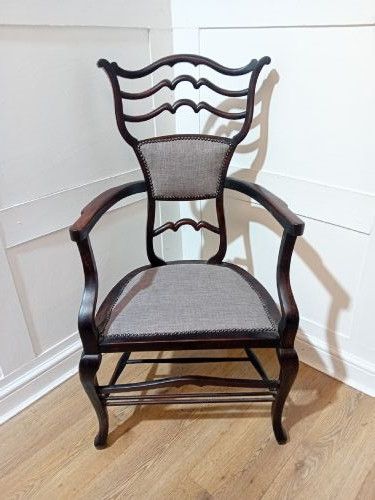
These vintage wooden accent chairs bring genuine character and historical form into a room.
Identifying your vintage wooden accent chair
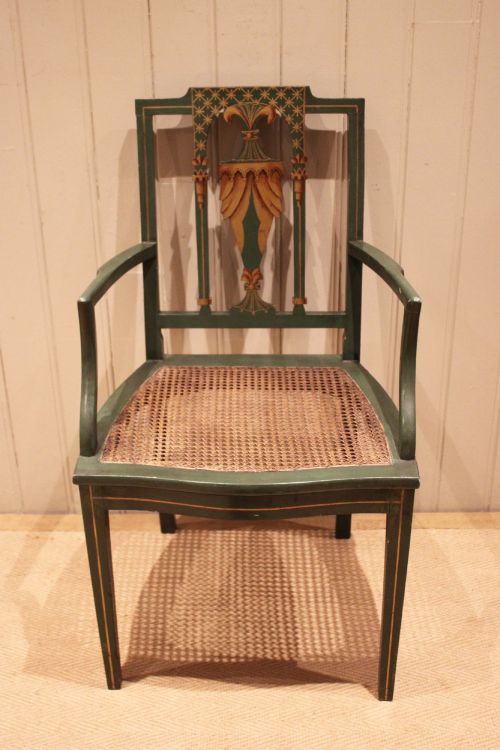
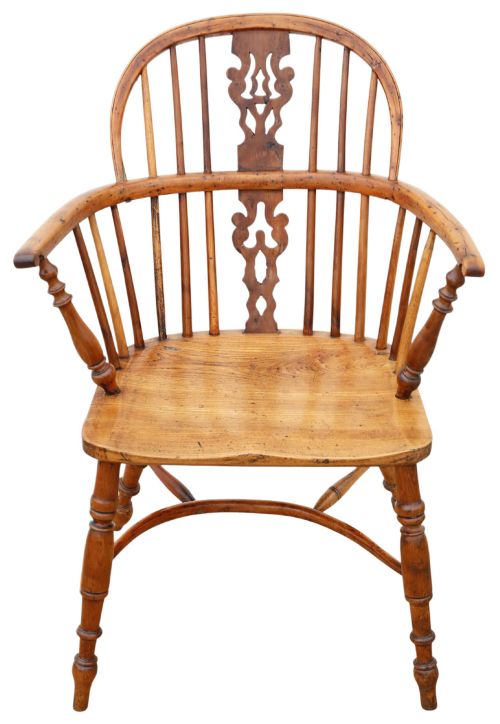
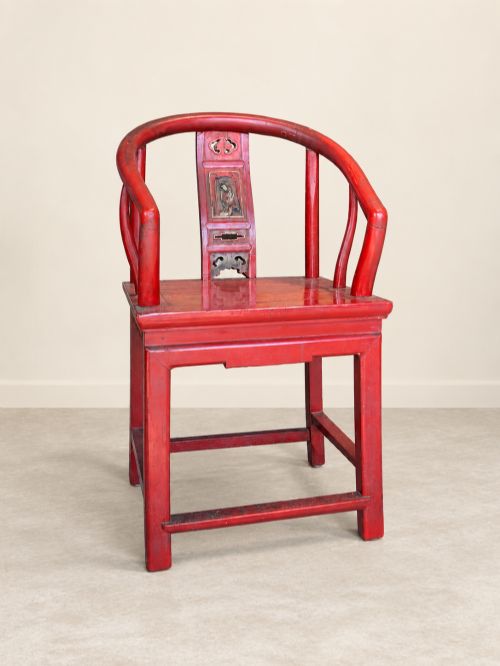
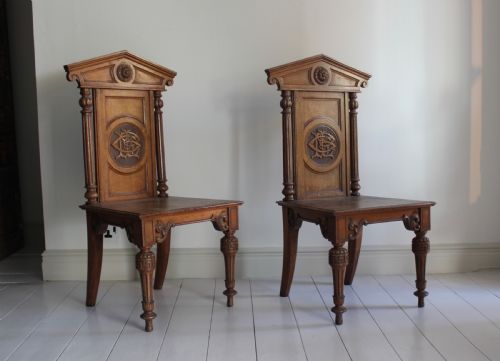
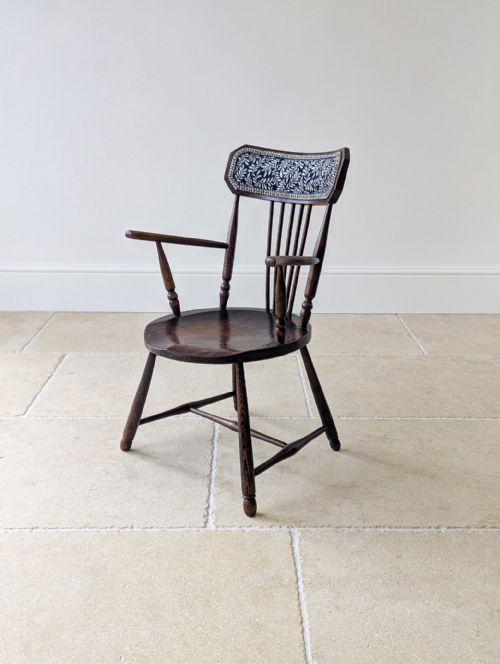
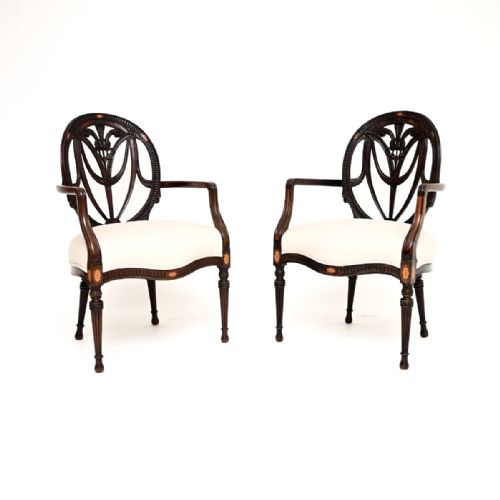
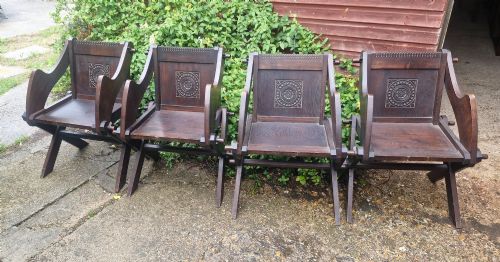
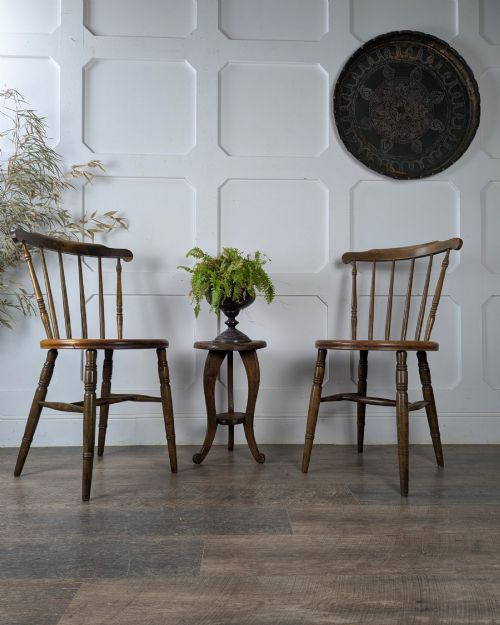
A vintage wooden accent chair encompasses seating forms designed to stand out in a room, drawing from Victorian, Georgian, and Edwardian eras. The selection on this page ranges from sturdy Windsor armchairs and corner seats to hall chairs and low salon models.
Buyers will encounter distinct stylistic revivals and country iterations here, including Arts and Crafts, rustic country, and Jacobean revival pieces. These varied forms reflect domestic traditions spanning elm, beech, walnut, mahogany, and ash.
Construction and materials
Carpenters utilised native timbers such as elm, beech, and ash for structural strength, often pairing woods within a single frame. Turnings, spindles, and steam-bent components are typical of these traditional seating forms.
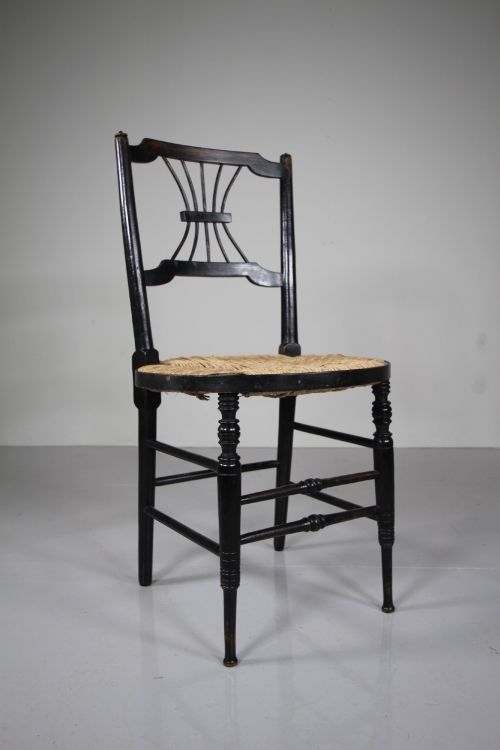
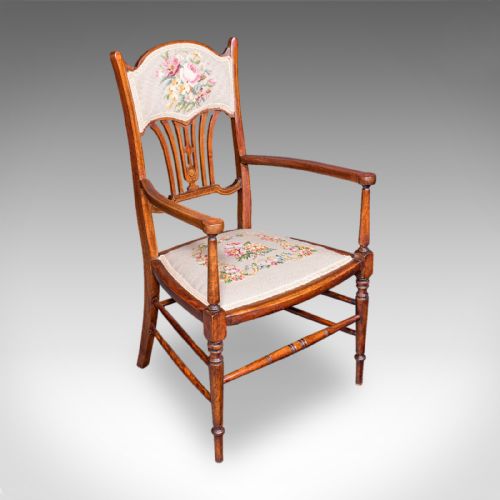
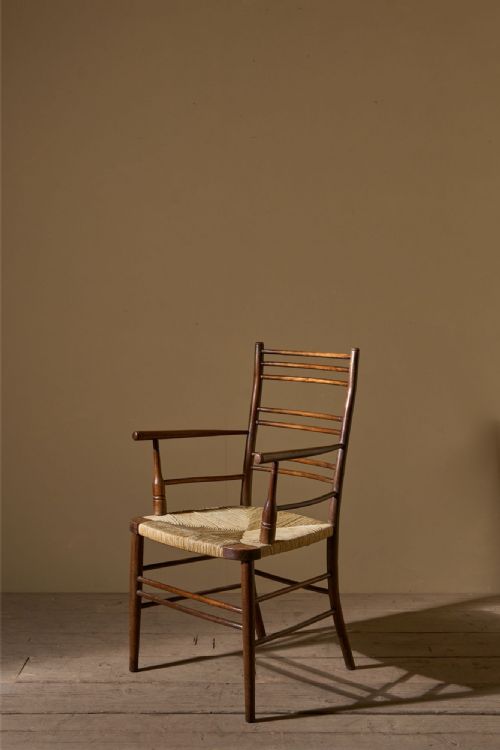
Surface finishes include original paint and polished hardwood, whilst certain models incorporate textile seats and woven rush. Inlaid mahogany and carved details appear on more formal parlour and salon seating.
Retail Price Guide 2026
Typical UK retail prices for vintage wooden accent chair, calculated from the Sellingantiques database of over a million retail prices indexed since 2003. This retail price guide relies exclusively on Sellingantiques data; no external sources or auction records are used, so the figures do not describe the wider market.
Throne chairs from the nineteenth century bring an unexpected touch of mock-regal drama directly to the hallway.
Assessing quality and execution
Quality rests in the integrity of the timber selection and the precision of traditional joinery, such as wedged through-tenons and tight spindle turnings. Pieces with honest patination and robust framing stand apart from lesser examples.
The refinement of carved ornament, inlay work, and upholstery detailing distinguishes standard utilitarian seating from finer parlour and salon armchairs.
The Vintage Wooden Accent Chair Glossary
- Windsor chair
- A wooden chair featuring a heavy timber seat into which the legs and back spindles are separately bored. This form relies on shaped components and turned spindles for structural rigidity.
- Corner chair
- A square seat set diagonally, typically featuring a curved backrail supported by corner posts and additional legs. These chairs often functioned as desk seats or corner furnishings.
- Hall chair
- A stiff-backed wooden seat historically placed in an entrance hall, frequently featuring a solid panel back with carved or painted family heraldry. They were designed for brief seating rather than long-term comfort.
- Arts and Crafts
- A design movement valuing handcraftsmanship, simple construction, and natural materials over mass production. This style is frequently visible in unpretentious elm and beech frames.
- Jacobean Revival
- A nineteenth-century stylistic movement imitating seventeenth-century furniture characteristics, including heavy turnings and rectilinear framing. Throne chairs and high-backed models often display these revival motifs.
Frequently Asked Questions
Where should I place a vintage wooden accent chair?
These chairs suit hallways, bedrooms, and reading corners where an occasional seat is required. Their distinct silhouettes allow them to function as sculptural elements in a room.
Pair a low salon chair with low tables or use a Windsor chair as a desk seat. Their sturdy timber construction handles everyday placement well.
How do I care for wooden accent chairs?
Maintain the timber surfaces with appropriate wax or polish to preserve the finish and prevent the wood from drying out. Avoid placing antique seating near direct heat sources.
Check joinery periodically to ensure spindles and joints remain firm. Gentle dusting with a soft cloth protects the patination over time.
How can I tell the period of a wooden chair?
Examine the timber species, tool marks, and construction methods to understand the era of manufacture. Georgian and Victorian pieces often show distinct turning styles and timber choices.
Stylistic cues such as Arts and Crafts simplicity or Edwardian inlay provide further clues to dating. Comparing joint construction helps distinguish original period pieces from later revivals.
Are these chairs comfortable for daily use?
Comfort varies depending on the specific form, with low salon chairs and upholstered models offering softer seating. Windsor and hall chairs provide firm, upright support suited to brief periods of sitting.
Consider adding loose cushions if you intend to use a wooden-seated chair for longer tasks. The ergonomic design reflects the domestic habits of their original eras.