

Brown Wood Accent Chair
A brown wood accent chair brings warmth and character to a corner, offering a tactile focal point rooted in centuries of cabinetmaking.
Identifying the brown wood accent chair
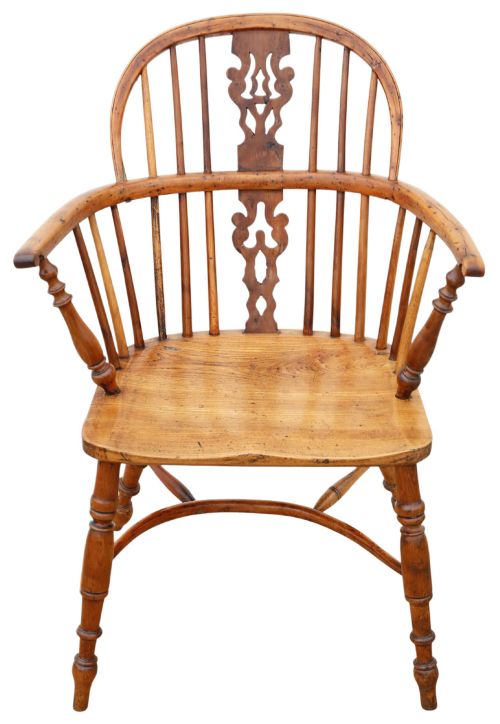
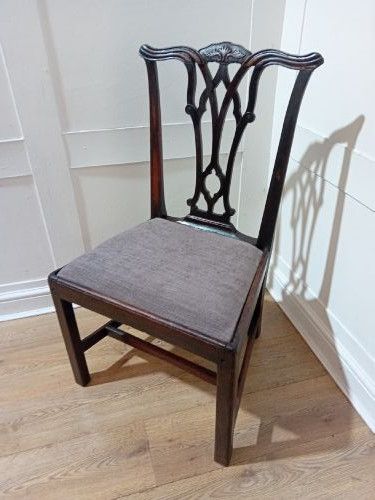
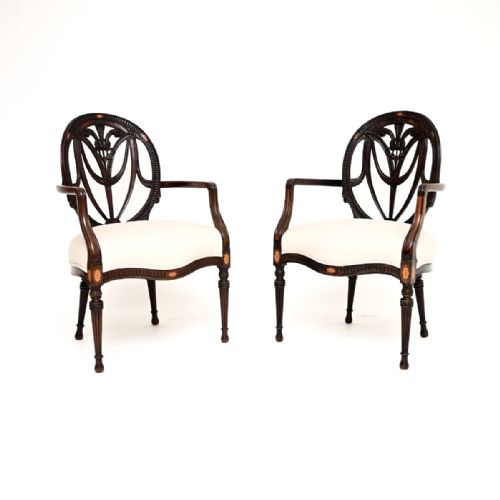
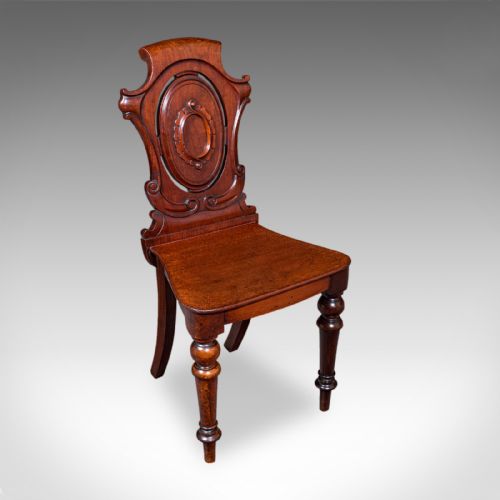
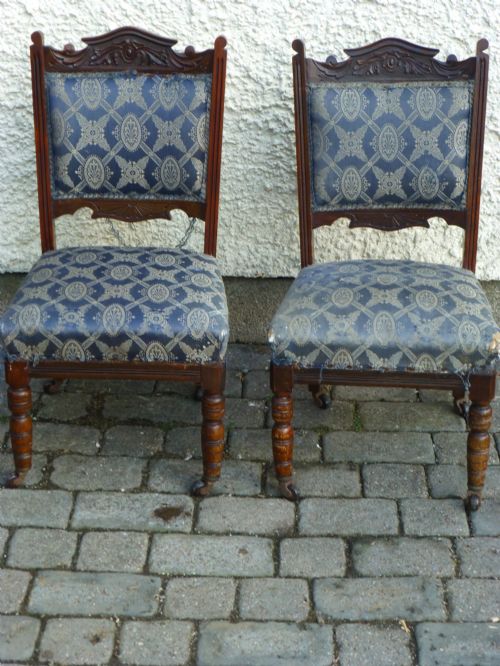
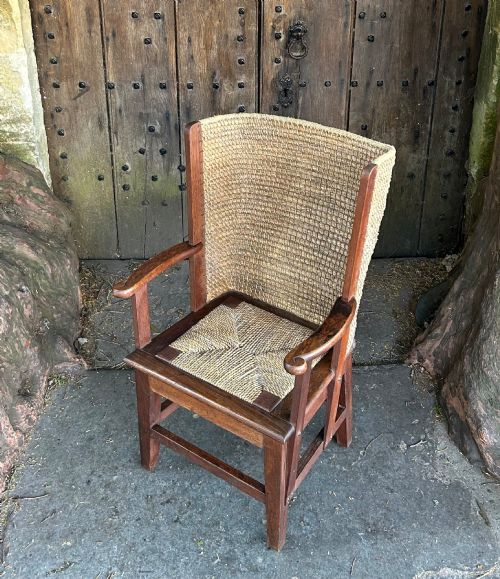
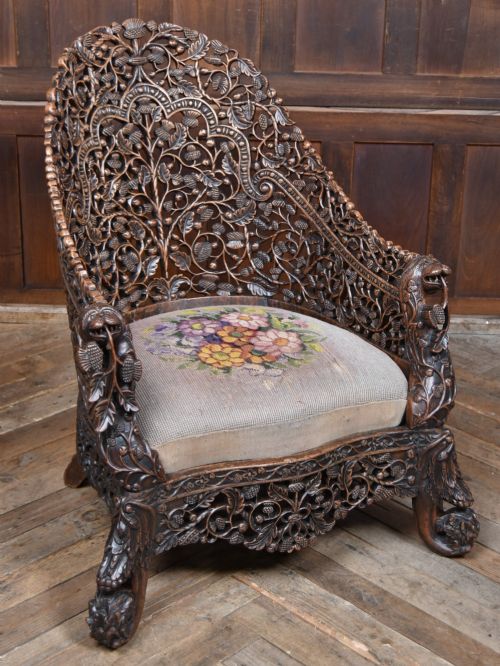
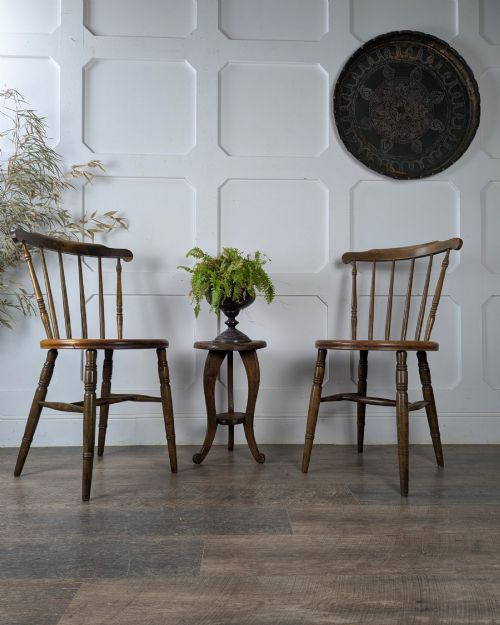
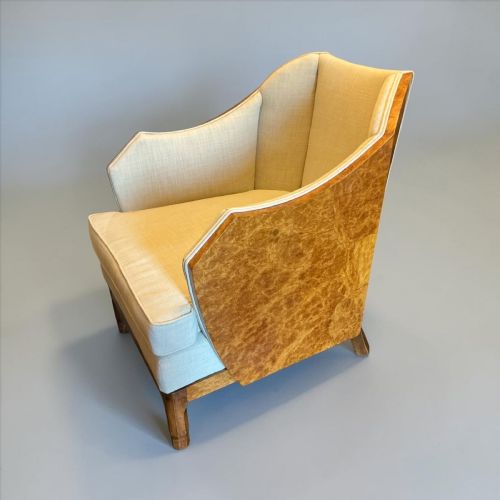
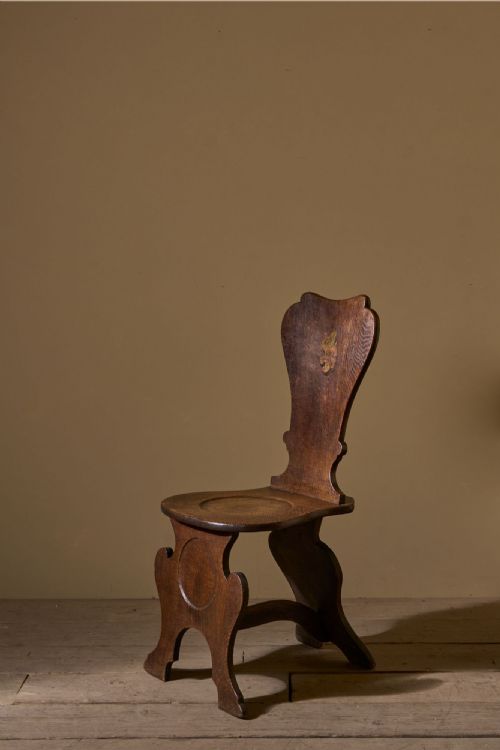
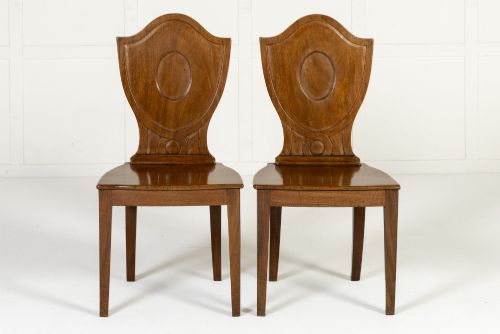
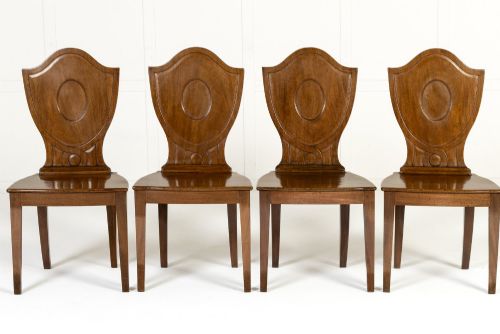
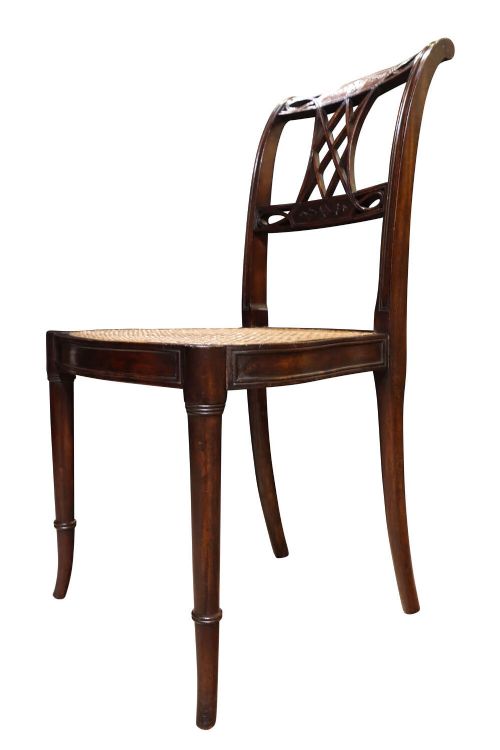
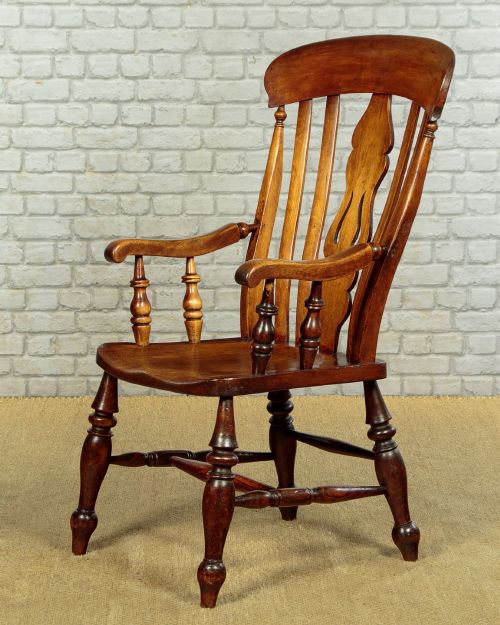
A brown wood accent chair encompasses seating forms designed to stand out in a room, drawing on diverse traditions from English country workshops to Qing Dynasty courts. Pieces range from formal Regency hall chairs to vernacular Welsh oak spinning chairs and low Edwardian salon armchairs.
The material palette spans rich mahogany, warm oak, dense dark hardwoods, pale fruitwood, and figured yew wood, sometimes accented with brass or upholstered in fabric and leather. Stylistic influences include Georgian, Regency, Arts & Crafts, Anglo-Indian, and Welsh Vernacular designs.
Most examples hail from the nineteenth and early twentieth centuries, reflecting both formal domestic settings and regional craft traditions. Buyers frequently encounter diverse seating types, including armchairs, hall chairs, and low salon models.
Materials and construction
Construction relies on solid hardwoods such as mahogany, oak, fruitwood, and yew wood, shaped through traditional joinery techniques suited to each regional style. Artisans combined turned components, curved backs, and pegged joints to create sturdy seating frames.
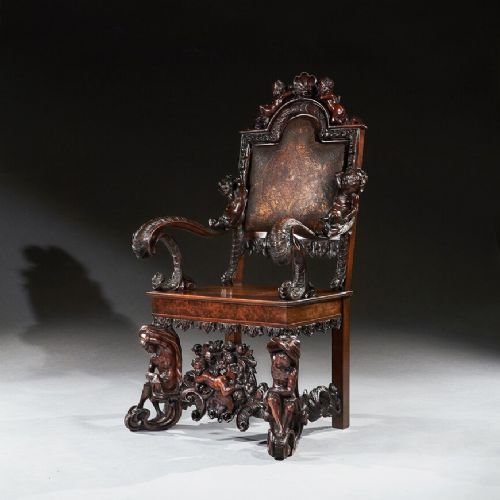
Surface detailing ranges from simple carved woodwork and inlaid mahogany to brass embellishments and leather or fabric upholstery elements. Each piece employs materials appropriate to its period of origin, from formal nineteenth century British cabinetwork to Chinese horseshoe-back forms.
Retail Price Guide 2026
Typical UK retail prices for brown wood accent chair, calculated from the Sellingantiques database of over a million retail prices indexed since 2003. This retail price guide relies exclusively on Sellingantiques data; no external sources or auction records are used, so the figures do not describe the wider market.
Listings feature pieces spanning the nineteenth century and the Edwardian period, incorporating materials like mahogany, oak, yew wood, fruitwood, and brass.
Assessing quality and character
Quality rests in the selection of the timber, where dense grain patterns in mahogany, oak, or yew wood elevate the visual presence of the frame. Superior examples display confident proportion and clean joinery that respects the vernacular or formal style of the period.
The refinement of carved details and the integrity of structural elements distinguish high-calibre work from simpler regional production. Original surface patination and honest age-related wear contribute significantly to the aesthetic standing of each chair.
Benjamin Gilling
The Brown Wood Accent Chair Glossary
- Mahogany
- A dense, reddish-brown tropical hardwood prized for its stability and fine grain, frequently utilised in formal eighteenth and nineteenth century seating.
- Yew wood
- A native softwood with a highly figured, knotty appearance and warm colour, often associated with traditional Windsor chair production.
- Regency
- An English design style spanning the early nineteenth century, characterised by classical restraint, elegant curves, and archaeological influences.
- Arts & Crafts
- A movement celebrating honest construction, visible joinery, and simple materials inspired by medieval craft traditions.
- Vernacular
- Architecture and furniture rooted in local traditions, utilising regional materials without high-style academic pretension.
Frequently Asked Questions
How do I date a wooden accent chair?
Dating relies on observing construction methods, timber choices, and stylistic markers consistent with periods like the nineteenth century or the Edwardian era. Details such as joinery techniques, surface patination, and inlay provide key chronological clues.
Comparing the specific form - whether a Chinese horseshoe-back armchair or an English Windsor design - against documented period examples helps confirm its origin.
Where should I place an accent chair?
An accent chair works well in corners, entryways, or paired with complementary seating to create a balanced conversational grouping. Its primary function is to introduce a distinct silhouette and material warmth without cluttering the floor plan.
Consider the scale of the piece, particularly with low salon chairs or substantial armchairs, ensuring it harmonises with the surrounding room layout and traffic flow.
How do I care for antique wood chairs?
Care involves maintaining stable indoor humidity levels and keeping wooden surfaces away from direct heat sources and strong sunlight. Gentle dusting with a soft cloth preserves the natural finish and historic patination of the timber.
Avoid harsh chemical cleaners or polishes that might degrade the original polish or damage delicate upholstery fabrics and leather elements over time.