

Vintage Captains Chair
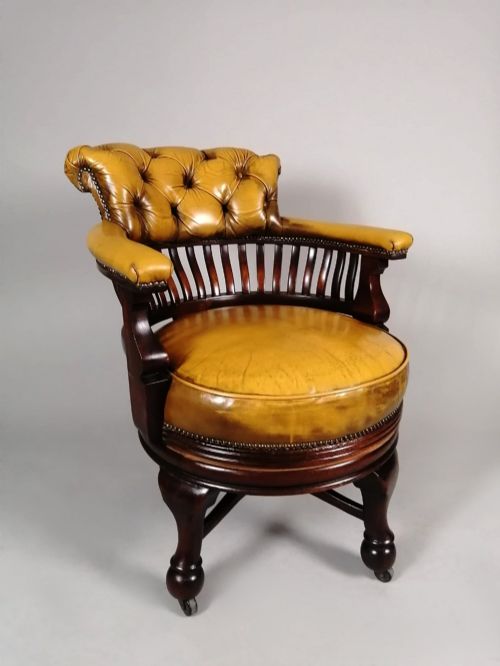
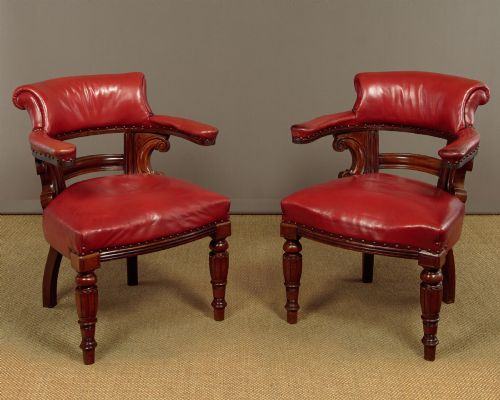
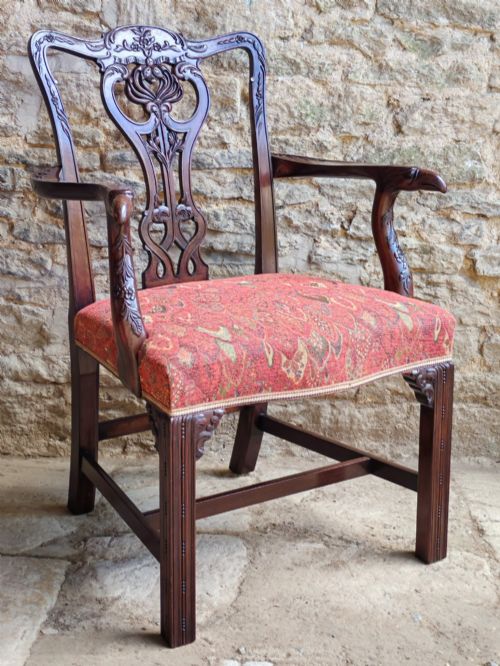
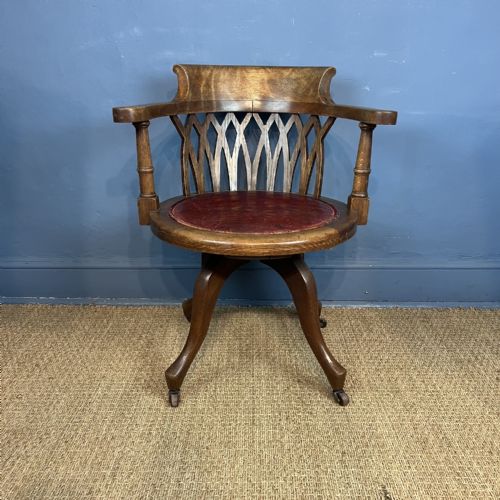
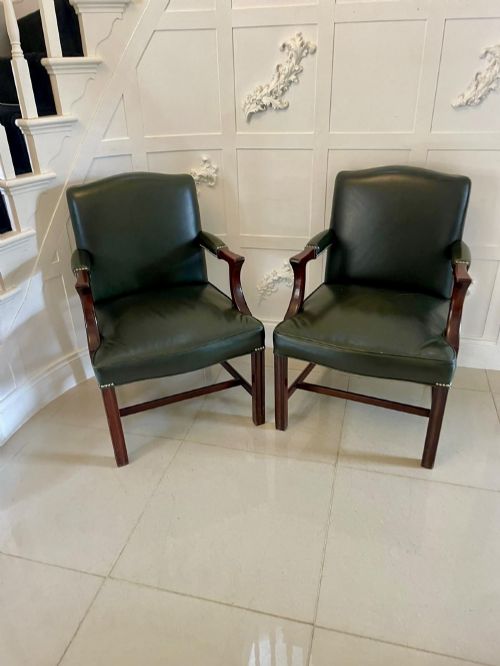
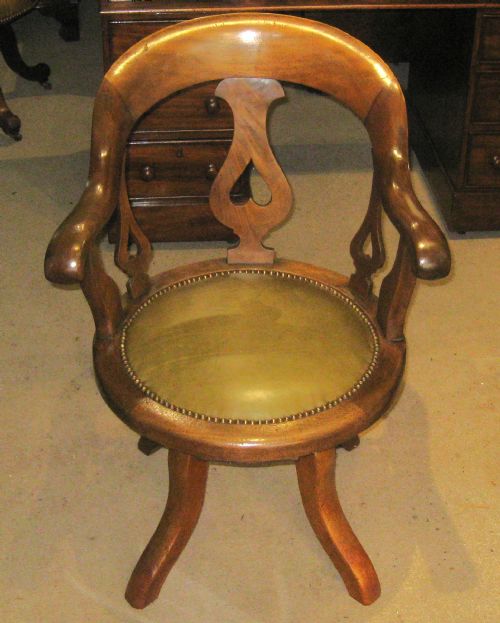
These vintage captains chair examples combine sturdy timber frames with leather or wood seats, offering dependable support for a study or library.

Vintage Captains Chair
A vintage captains chair serves as a sturdy seating option rooted in traditional desk and library furniture, appearing across this selection in various regional and stylistic interpretations. Buyers searching for a vintage captains chair encounter pieces spanning the Victorian and Edwardian eras, alongside early twentieth century adaptations.
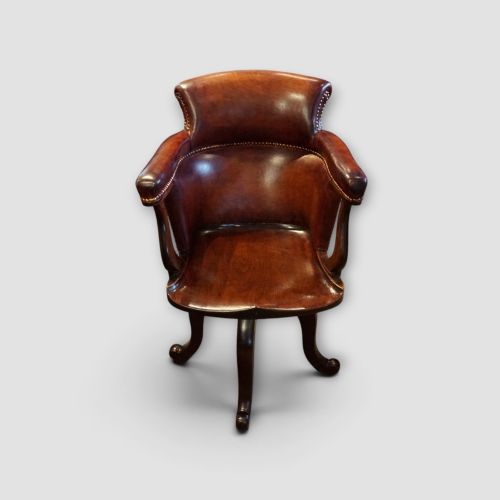
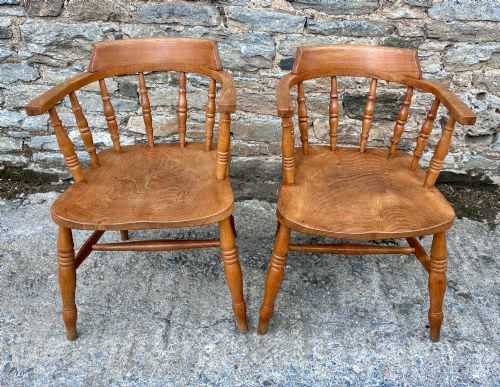
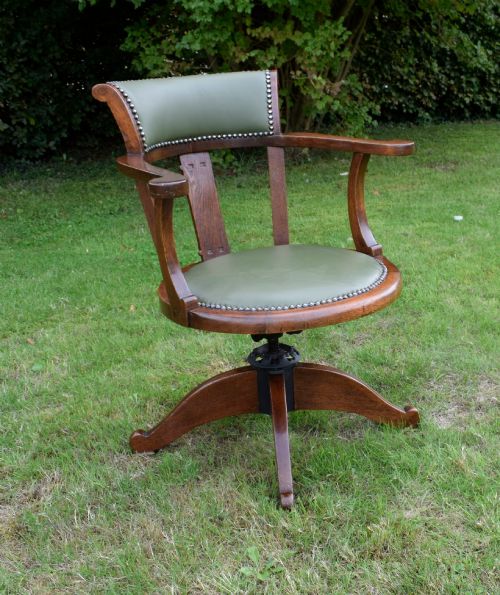
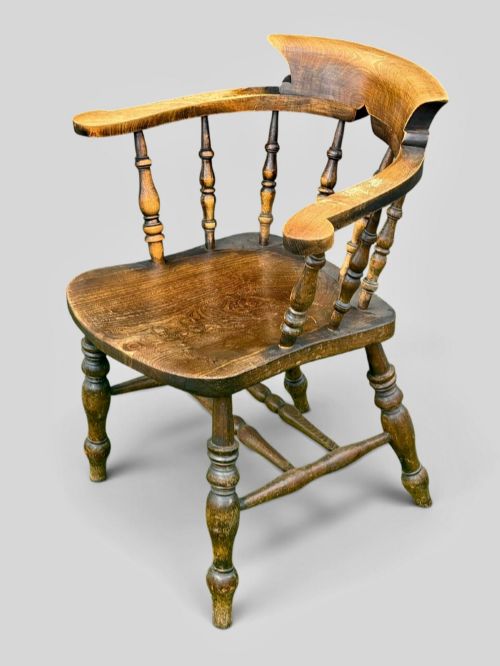
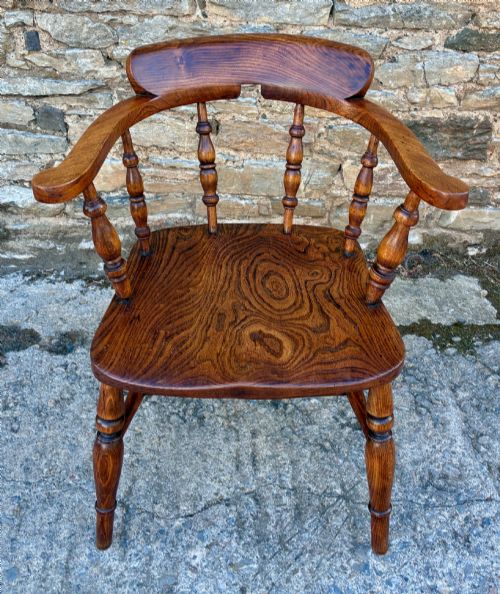
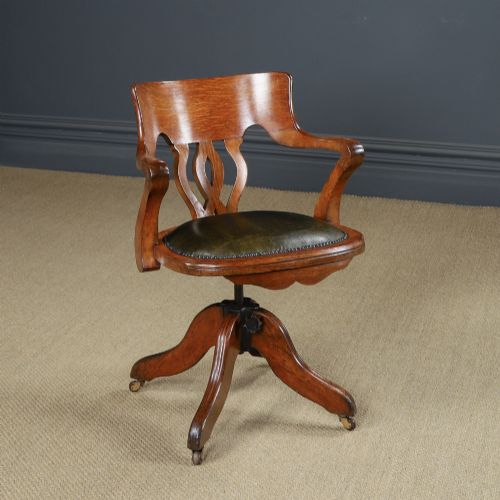
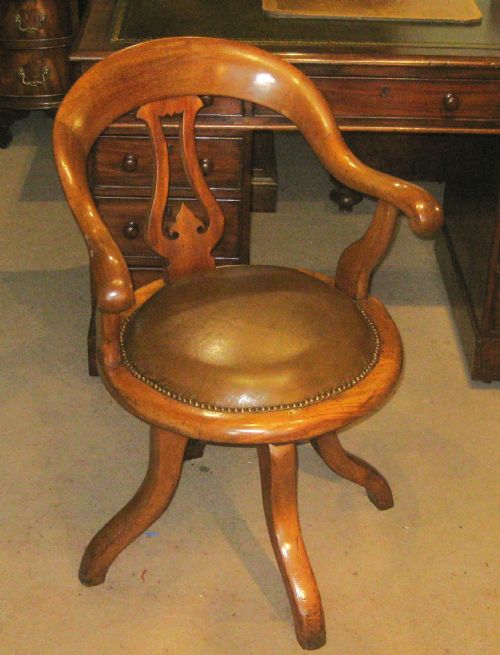
The prevalent forms include low-back Windsor designs, smoker's bows, and revolving desk chairs outfitted with leather upholstery. Many items reflect English country house and provincial origins, constructed to function at a partner's desk or reading table.
Makers often utilised robust timbers like elm, oak, beech, and mahogany, frequently pairing heavy wooden frames with supple leather pads. These sturdy armchairs combine practicality with traditional craftsmanship from the nineteenth and early twentieth centuries.
Materials and Construction Methods
Frames rely heavily on native timbers such as elm, beech, and oak, often shaped into steam-bent rails or spindle backs for enduring strength. Mahogany and walnut appear in more formal desk chairs, while cast iron and brass hardware facilitate the swivel mechanisms on revolving variants.
Upholstered versions incorporate leather stretched over padded seats, secured with traditional tacking methods. Carpenters joined components using mortise and tenon joints, ensuring the chairs could withstand daily office and library use.
Vintage Captains Chair Retail Price Guide 2026
Typical asking prices for vintage captains chair among the pieces listed under this phrase on Sellingantiques today, from the lower quarter to the upper quarter. They describe what is for sale here now, not the wider market.
Distinctions in Quality and Make
Quality rests upon the selection of timber and the integrity of the joinery, with dense native woods like elm and oak providing superior structural permanence. Superior examples exhibit finely turned spindles, carefully steam-bent arm rails, and well-fitted swivel actions that operate smoothly without excessive play.
The refinement of the carving and the quality of the leather upholstery separate standard utility seating from finer library and desk armchairs. Original brass and cast iron fittings on revolving models further distinguish the better executed specimens.
Howard and Sons
The Vintage Captains Chair Glossary
- Smoker's Bow
- A low-backed Windsor style armchair featuring a continuous curved arm rail and turned spindles, commonly associated with nineteenth century English pubs and offices.
- Carver Chair
- An armchair, typically heavier than its dining counterparts, designed to sit at the head of a table or function as a desk seat.
- Revolving Desk Chair
- An office armchair mounted on a central pivot mechanism, allowing rotation and frequently adjusted with a height screw.
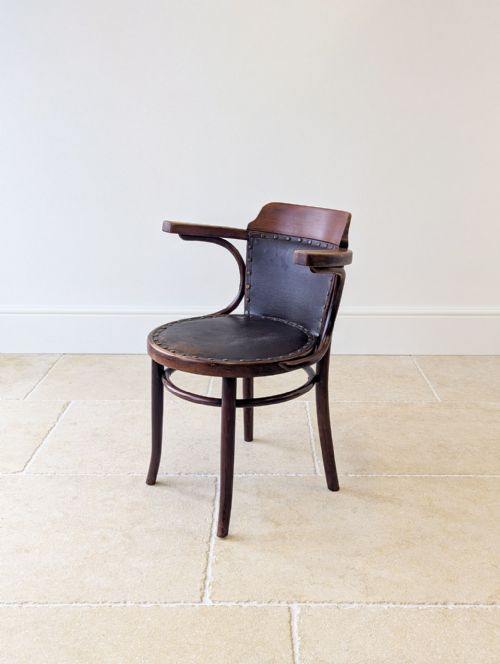
- Bentwood
- Wood shaped by exposure to steam, allowing craftsmen to create smooth, continuous curves for chair backs and arms without joints.
- Windsor Chair
- A wooden chair constructed with a solid saddle-shaped seat into which the legs and back spindles are directly bored.
Vintage Captains Chair: Frequently Asked Questions
How do I date a captains chair?
Dating relies on examining the timber species, construction techniques, and hardware used in the frame. Victorian and Edwardian examples often display hand-turned spindles and specific patination on the wood.
Earlier nineteenth century pieces tend to utilise solid elm or mahogany, while twentieth century versions introduce early swivel mechanisms and bentwood components. Comparing stylistic traits like spindle turning helps narrow the manufacturing period.
Were these chairs used only at desks?
While frequently found at partner's desks and library tables, these chairs also served in parlours, smoking rooms, and country houses. Their ergonomic curved arms made them suitable for prolonged sitting.
Their adaptable design allowed them to function equally well as dining armchairs or study seats. Over time, their utility expanded across various domestic and professional settings.
How should I care for the leather upholstery?
Leather upholstery benefits from regular dusting with a dry cloth and occasional treatment with a suitable conditioner to prevent drying. Keeping the material away from direct sunlight preserves its natural colour.
Avoiding harsh chemical cleaners ensures the surface retains its historic character. Gentle maintenance keeps both the hide and the underlying padding stable.