



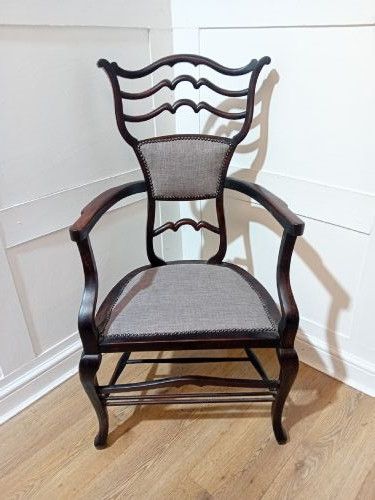
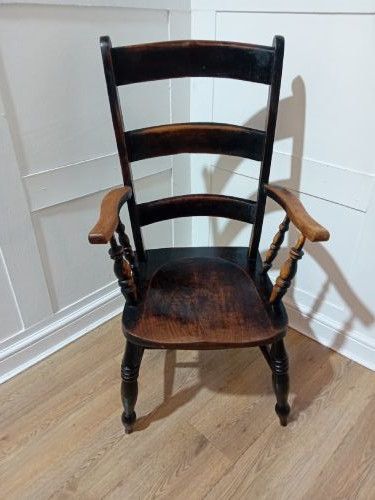


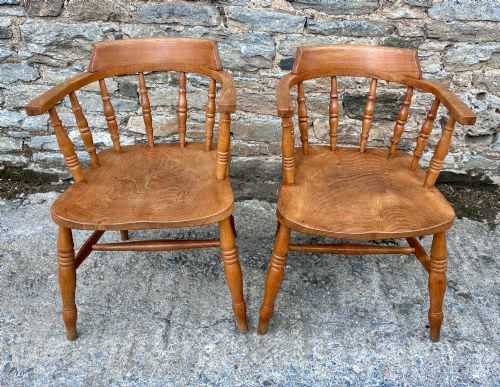
Wooden Desk Armchair
A wooden desk armchair brings solid timber and functional comfort to a study, built to handle long hours of work with traditional character.

What wooden desk armchairs are
When you search for a wooden desk armchair, you encounter seating designed for workspaces, studies and libraries from various historical periods. The pieces appearing here span the Georgian, Regency, Victorian and Edwardian eras, alongside early twentieth century examples.
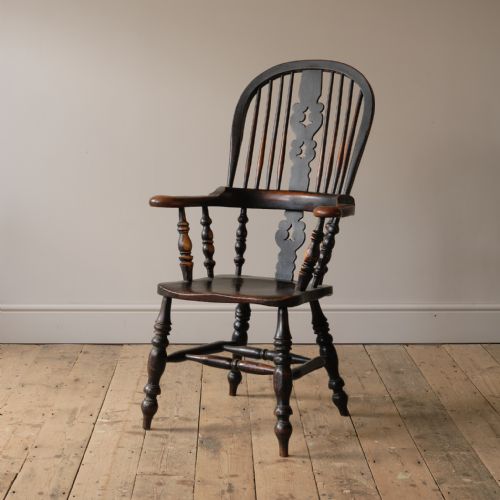
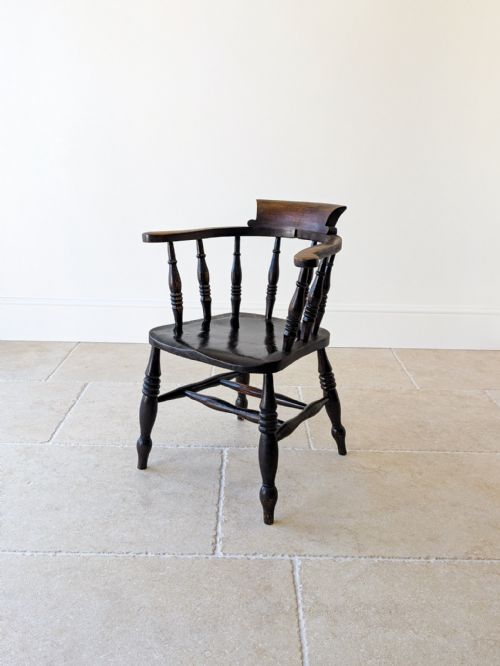
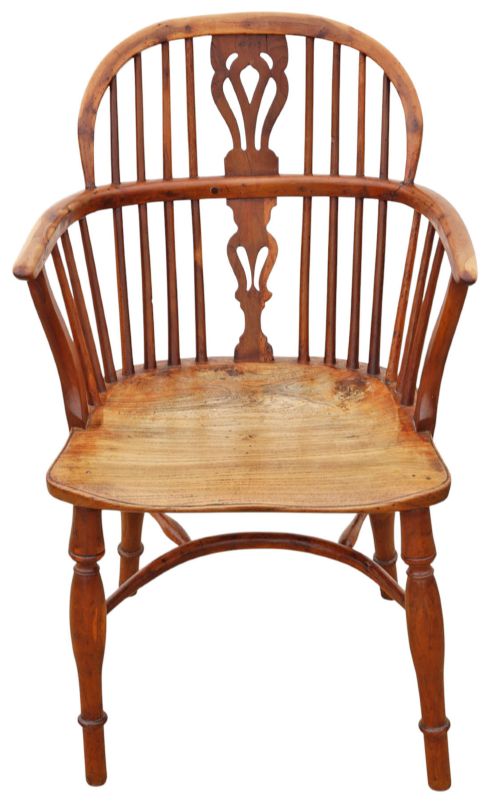
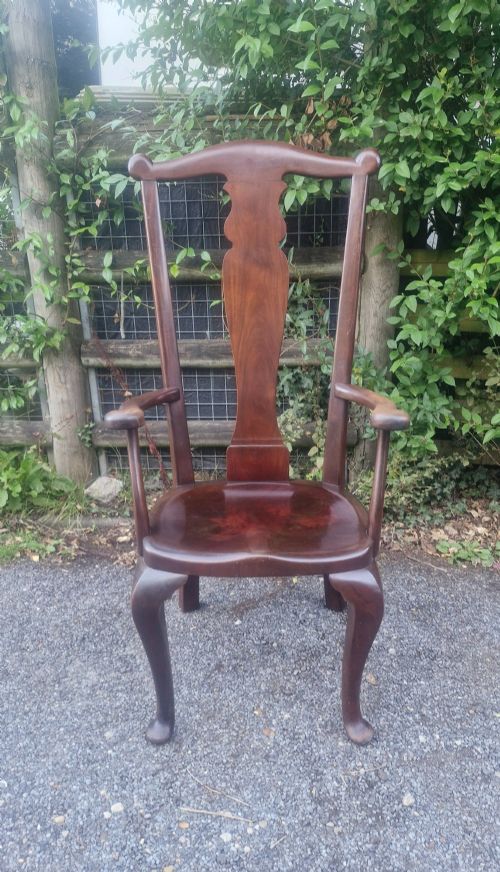
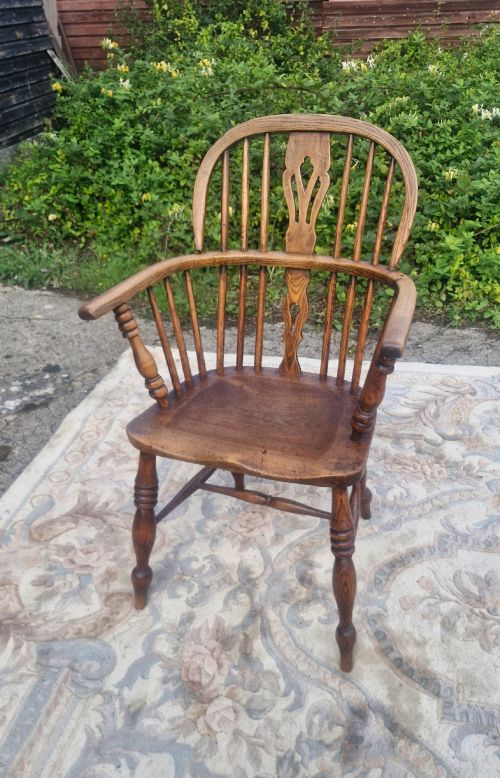
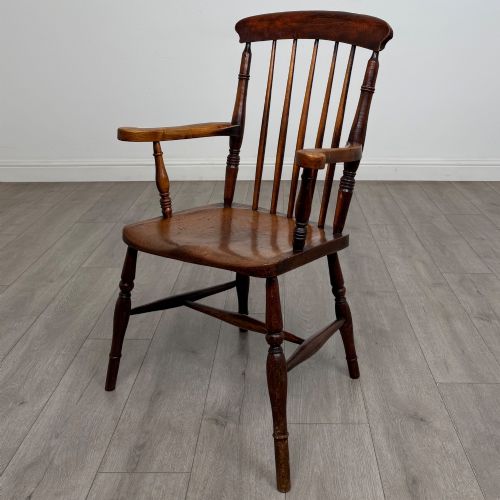
You are most likely to meet practical office forms such as captain's chairs, carver chairs and smoker's bows. These examples utilise sturdy timbers suited to daily sitting, combining open armrests with supportive backs.
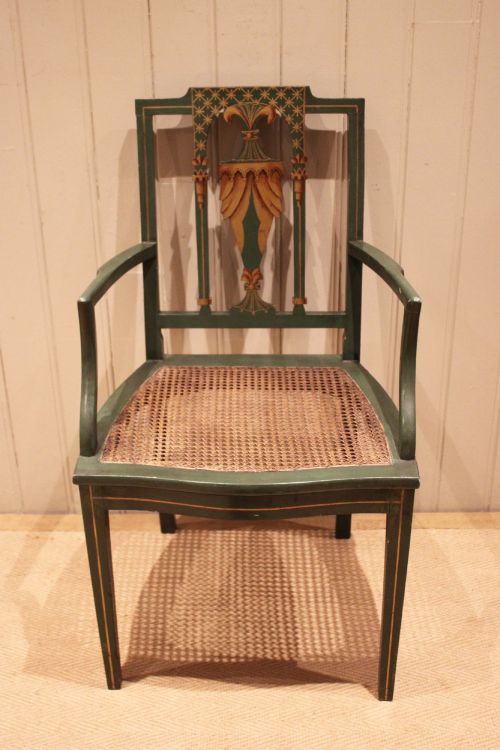
Origins range from formal English dining and library settings to vernacular country houses. Each specimen reflects the specific functional demands of its period, whether through grand Regency lines or robust Edwardian proportions.
How they were made
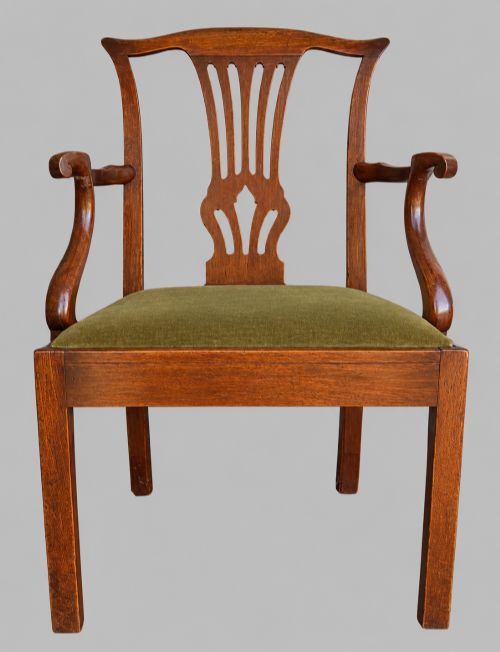
Cabinet makers and joiners constructed these chairs using a combination of hardwoods like mahogany, oak, beech and elm. Selected timbers provided the structural strength necessary for weight-bearing frames and curved arm supports.
Many designs incorporate steam-bent wooden rails, turned spindles and carved details such as rope backs or wheelback motifs. Metal elements like brass fixings occasionally appear on castors or structural joints, while upholstered pads feature fabric or leather.
Retail Price Guide 2026
Typical UK retail prices for wooden desk armchair, calculated from the Sellingantiques database of over a million retail prices indexed since 2003. This retail price guide relies exclusively on Sellingantiques data; no external sources or auction records are used, so the figures do not describe the wider market.
Many a captain's chair seat carries the distinct saddle dip of countless nineteenth-century hours.
What varies in quality
The distinction between standard examples and superior pieces lies in the selection of timber and the sophistication of the joinery. Dense, finely figured mahogany commands attention for its rich grain, whereas simpler utility chairs employ humble elm and beech.
Refinement of form also separates the range, visible in fluidly curved armrests and well-proportioned spindles. Chairs retaining their original patination and honest surface wear show superior historical integrity compared to heavily altered items.
The Wooden Desk Armchair Glossary
- Carver chair
- An armchair, typically designed en suite with a set of dining or office chairs, featuring more substantial arms. These offer comfortable support during desk work.
- Captain's chair
- A sturdy wooden armchair with a low, rounded back rail supported by spindles, often featuring a saddled wooden seat for comfort. They originated in nineteenth-century offices and ships.
- Smoker's bow
- A low-backed Windsor-style armchair originating in nineteenth-century rural England. It shares similarities with the captain's chair and provides robust seating.
- Wheelback
- A chair back design featuring a carved or pierced wooden wheel motif set into the splat. This decorative detail is common on vernacular country seating.
- Rope back
- A chair back incorporating carved wooden rope twists along the top rail or splat. This decorative flourish frequently appears on Regency and Georgian seating.
Frequently Asked Questions
What is a wooden desk armchair?
A wooden desk armchair is a sturdy seat built with armrests, designed specifically for writing, reading and office tasks. These chairs combine timber frames with ergonomic curves to support the upper body during prolonged use.
Historical examples range from formal mahogany library seats to vernacular elm and beech captain's chairs. They provide both a functional workspace perch and a distinct decorative presence.
How do I date a desk chair?
Dating relies on examining the timber species, construction techniques and stylistic motifs present in the frame. Georgian and Regency pieces often feature rich mahogany and classical carvings, while Victorian and Edwardian versions show heavier proportions or simpler commercial joinery.
Tool marks, fixings and the type of wear on the seat also offer clues to age. Comparing the overall silhouette against known period styles helps narrow down the decade of manufacture.
Are these chairs comfortable for daily work?
Most antique desk armchairs were built with ergonomic considerations for long hours of administrative work. Saddled wooden seats and curved back rails offer natural support without modern padding.
Some variations include upholstered leather or fabric pads for extra cushioning. Their solid wooden construction ensures they remain supportive and reliable for contemporary use.
Where should I place an antique desk chair?
These chairs fit naturally at a traditional partner's desk, a library table or a modern writing nook. Their compact proportions allow them to slide neatly beneath standard desk heights while providing an attractive focal point in a room.
Beyond workspaces, they also function well as occasional seating in a hallway or bedroom. Their timber tones complement both period interiors and contemporary minimalist spaces.