

Warm Brown Desk Chair
A warm brown desk chair brings rich vernacular character to a study, pairing sturdy local timbers with comfortable country seating forms.
Warm Brown Desk Chair
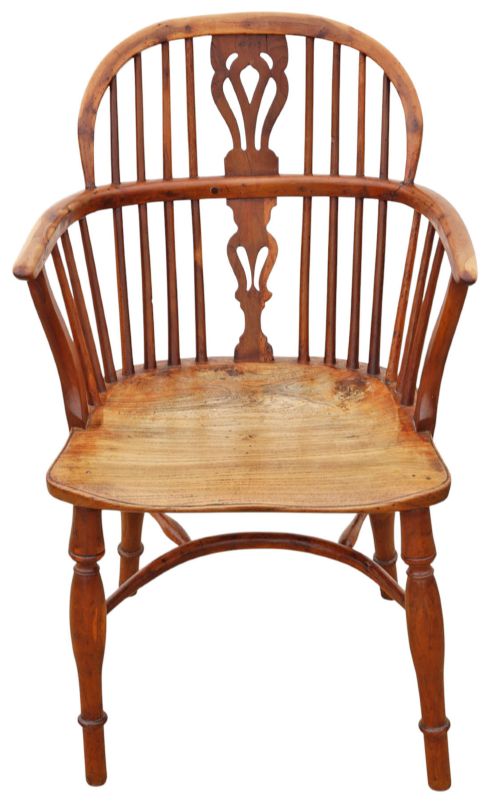
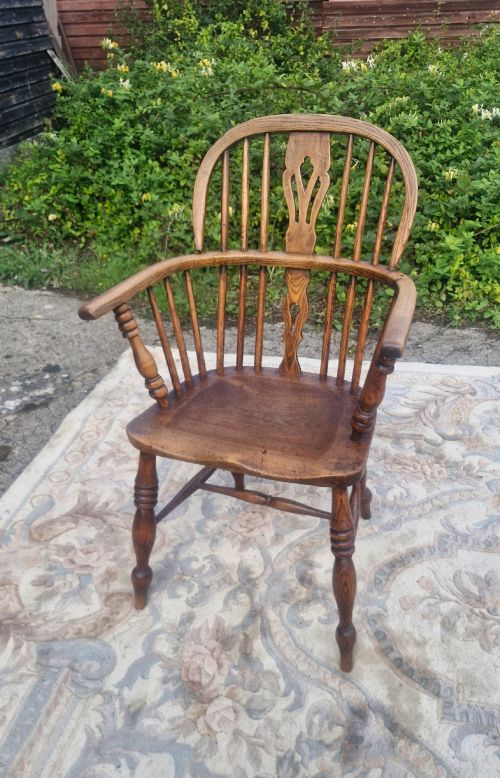
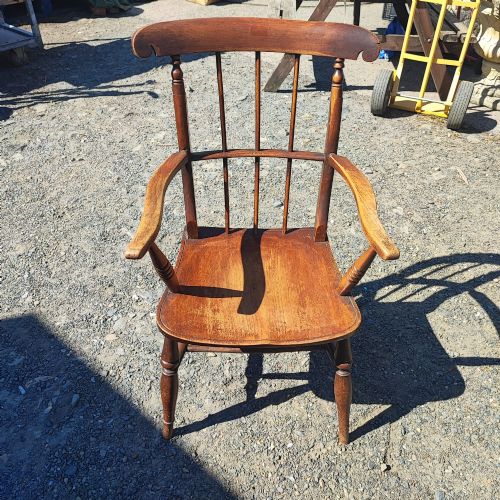
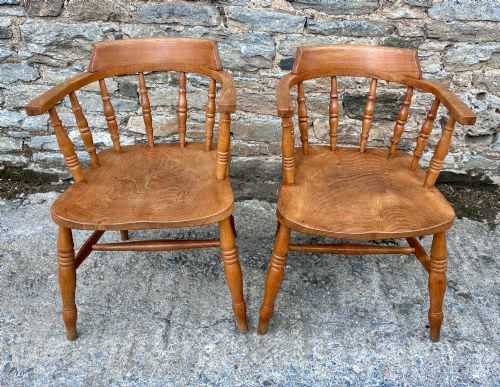
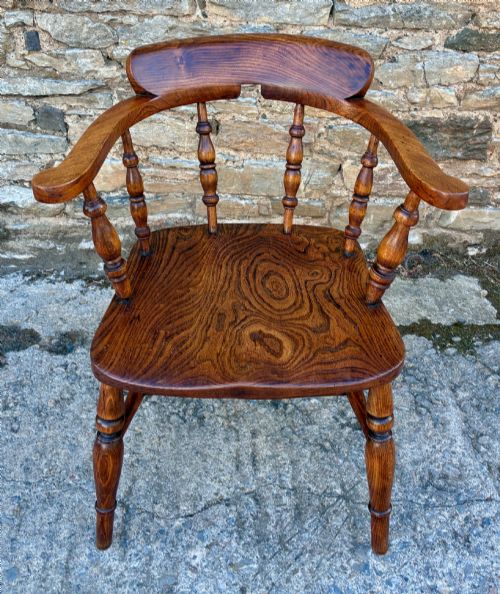
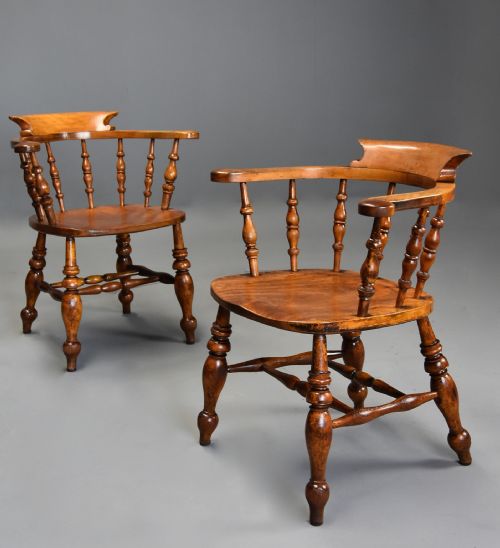
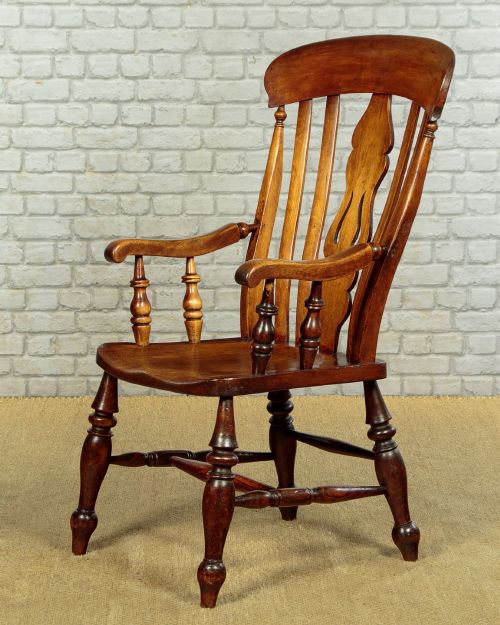
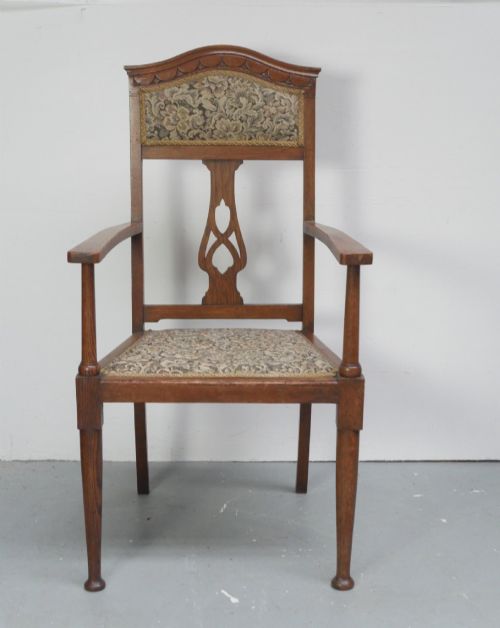
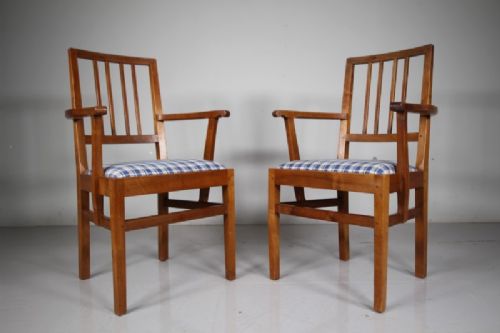
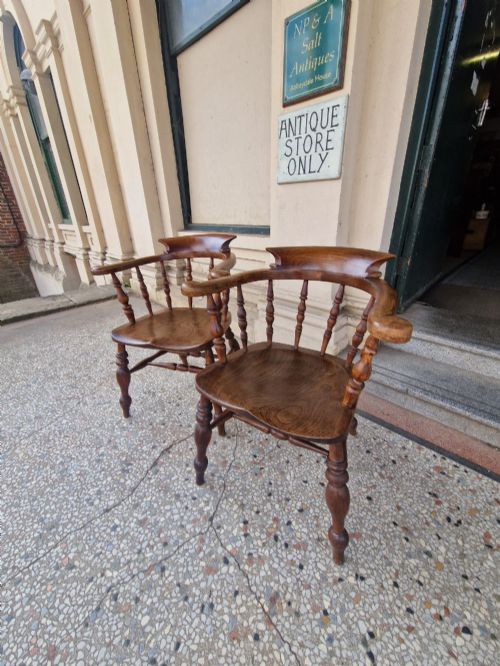
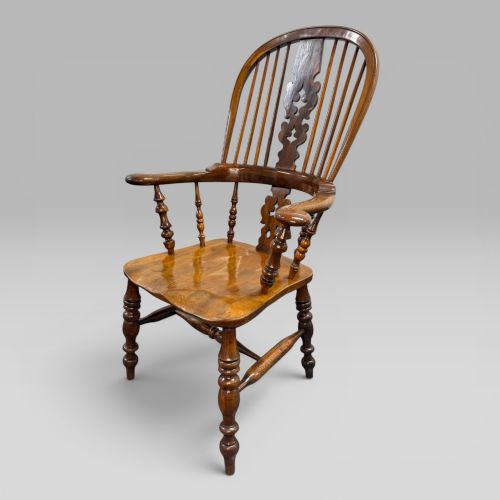
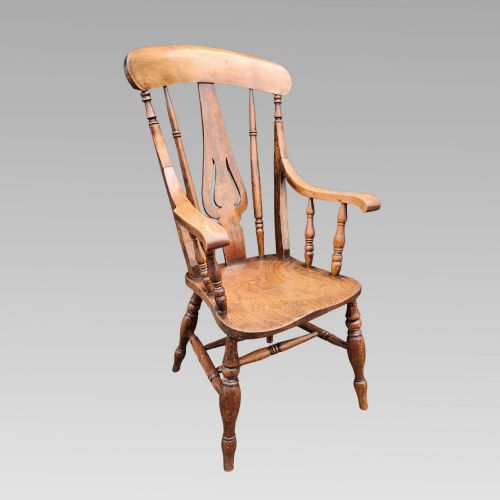
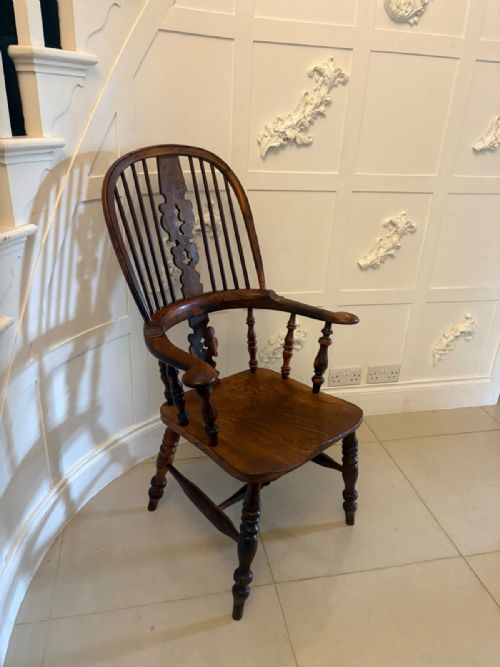
A warm brown desk chair takes several traditional forms, most notably the Windsor armchair, the smoker's bow, and the captain's chair. These pieces emerge from English country and vernacular traditions, spanning periods from the eighteenth century through the Victorian era and into the early twentieth century.
The version most commonly met on this page combines a thick elm seat with turned spindle backs and robust armrests. Makers constructed these seating forms in regional workshops using native hardwoods, creating durable chairs suited for prolonged daily seating at a desk or table.
Materials and construction
Makers relied on a combination of contrasting native timbers, pairing deeply figured elm seats with flexible ash, beech, or yew for the spindles and arms. This material choice provided structural resilience where bending was required alongside a solid, stable base.
Joinery methods involved traditional stick-construction techniques, where shaped spindles and legs fit directly into bored holes in the solid wooden seat. Artisans shaped these components using drawknives and spoke shaves, finishing the surfaces with natural oils and polishes that enhanced the warm grain of the wood.
Warm Brown Desk Chair Retail Price Guide 2026
Typical asking prices for warm brown desk chair among the pieces listed under this phrase on Sellingantiques today, from the lower quarter to the upper quarter. They describe what is for sale here now, not the wider market.
Distinctions in quality
Quality rests upon the choice of timber and the depth of the grain's patina. Chairs fashioned from highly figured yew wood or rich fruitwood exhibit superior visual depth compared to simpler beech or oak examples.
Proportion and turning detail also separate standard pieces from finer examples. Tighter, more complex spindle turnings, well-sculpted saddle seats, and retained crinoline stretchers indicate careful handcrafting by skilled regional makers.
Edward Barnsley·Shoolbred
The Warm Brown Desk Chair Glossary
- Windsor chair
- A wooden armchair featuring a solid saddle-sculpted seat into which the legs and back spindles are wedged directly. This form developed in rural workshops and remains a staple of vernacular seating.
- Smoker's bow
- A low-backed Windsor armchair with a continuous curved arm rail and spindle supports, often utilised as a smoking or office chair. The compact proportions suit lower desks.
- Crinoline stretcher
- An arched or bowed stretcher connecting the legs of a chair near the base for added structural stability. The design prevents the legs from splaying outward under heavy use.
- Yew wood
- A dense, highly figured native timber prized for its warm, reddish-brown colour and distinct grain patterns. Cabinet makers selected it for high-status country furniture.
- Captain's chair
- A sturdy wooden armchair featuring a low, curved back rail supported by turned spindles above a solid seat. These pieces provide robust support for working environments.
Warm Brown Desk Chair: Frequently Asked Questions
How do I date a Windsor chair?
Dating involves examining the wood species, turning styles on the legs and spindles, and the construction of the seat. Earlier examples from the eighteenth century often feature distinct crinoline stretchers and deeper saddle-shaped elm seats.
Victorian and later iterations show variations in spindle thickness and assembly methods. The presence of native timbers like yew wood also helps narrow down the period of production.
Are these chairs comfortable for daily work?
These seating options were designed for utilitarian tasks and feature ergonomic, saddle-sculpted wooden seats shaped to fit the body. While they lack modern upholstery, their traditional proportions support upright posture.
Adding a loose pad or cushion can increase comfort for extended writing or desk work. The sturdy wooden arms provide reliable support during long periods of use.
Which woods were used in these chairs?
Regional makers utilised a combination of native hardwoods chosen for specific structural properties. Elm provided a stable, non-splitting base for the carved seat.
Ash, beech, yew, and fruitwood formed the turned spindles, legs, and bentwood arm rails. This mixed-timber construction maximised both flexibility and strength across the chair.