
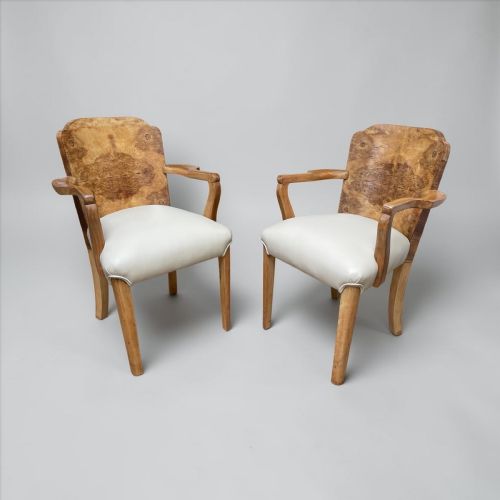
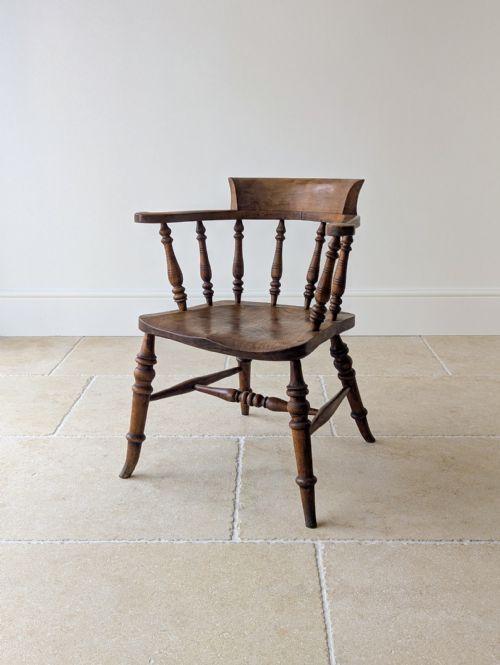
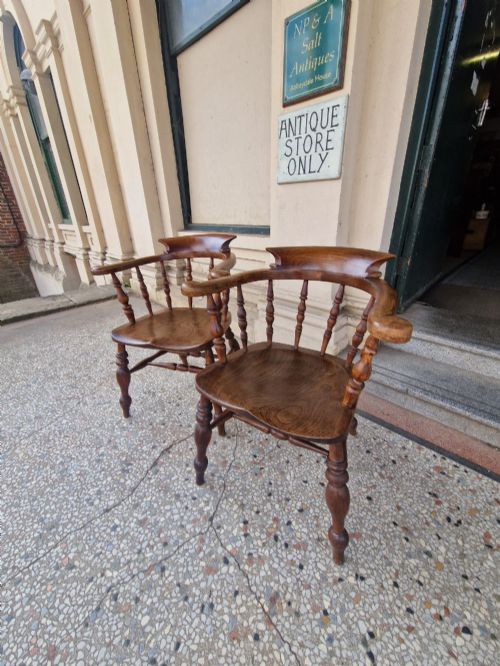
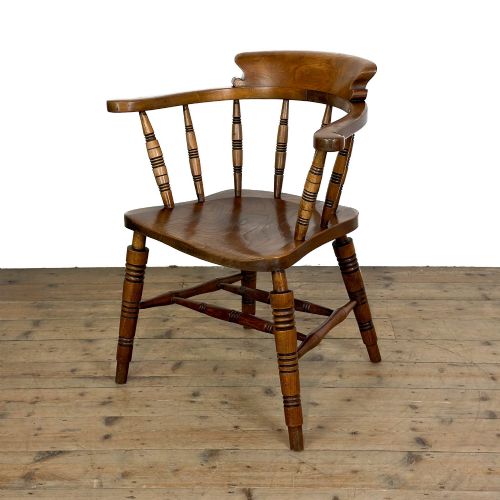
Antique Wooden Tub Chair
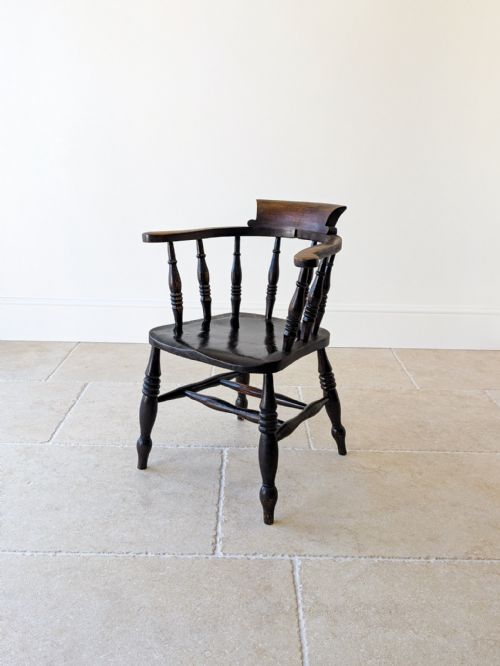
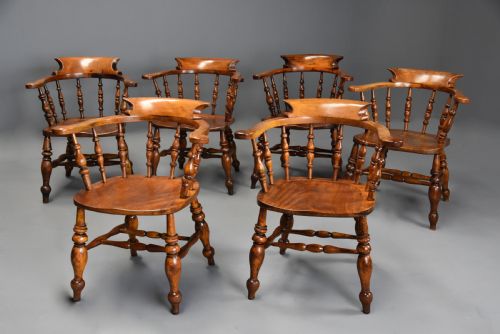
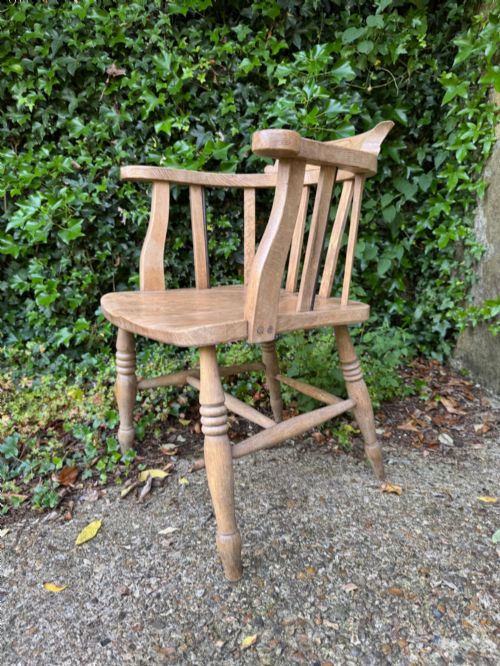
An antique wooden tub chair combines deep, enclosing curves with sturdy nineteenth-century framing, offering a robust seat built for long hours at a desk or by the hearth.
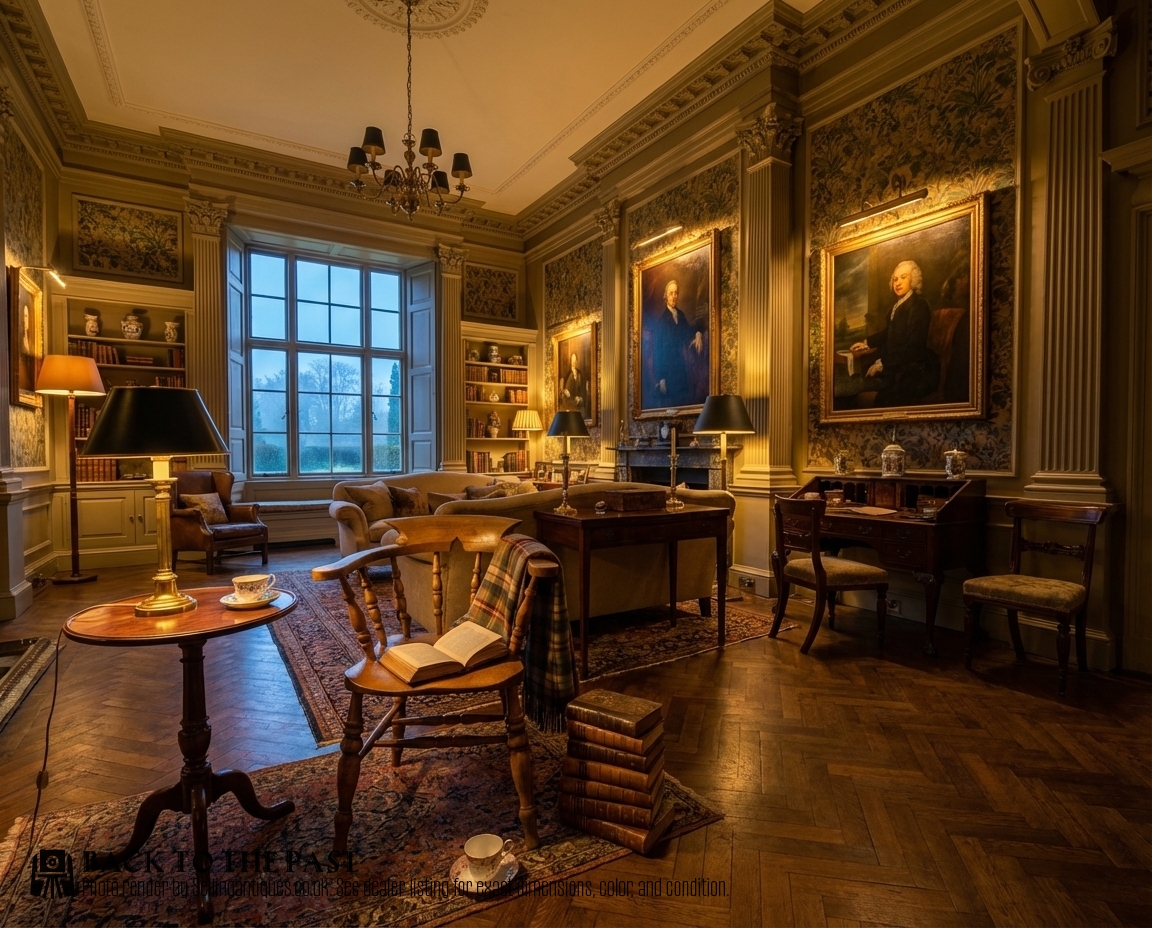
Antique Wooden Tub Chair
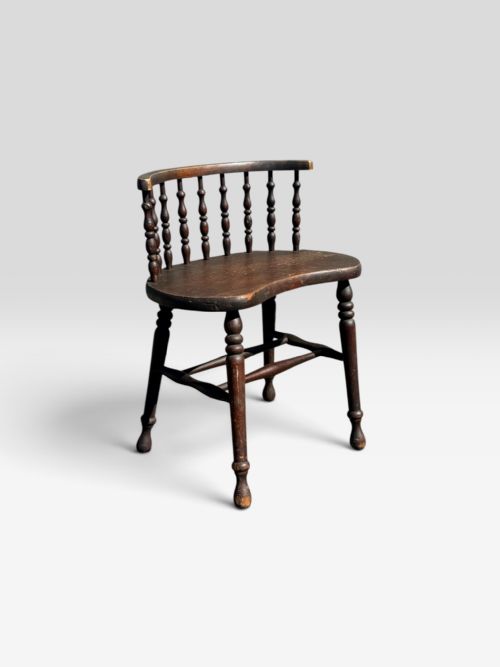
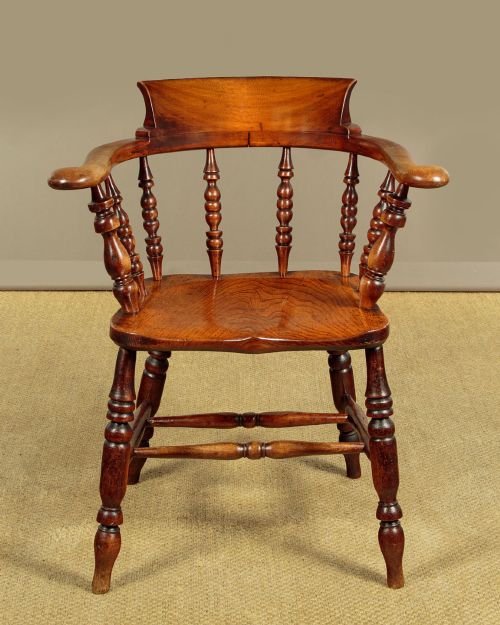
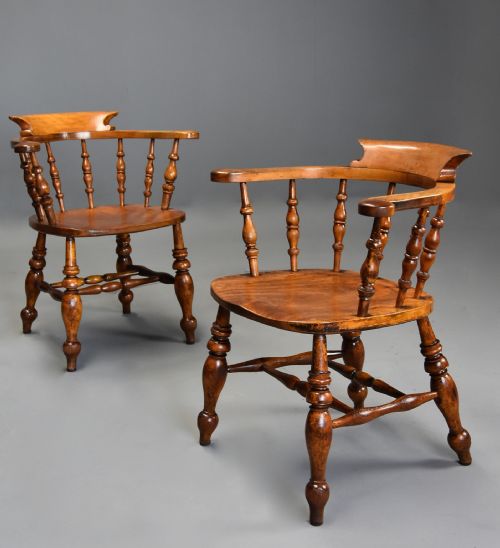
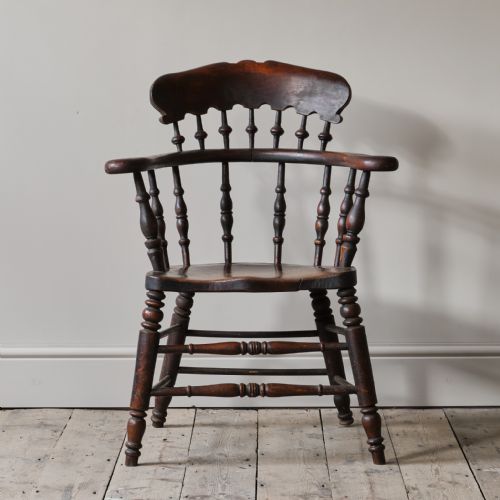
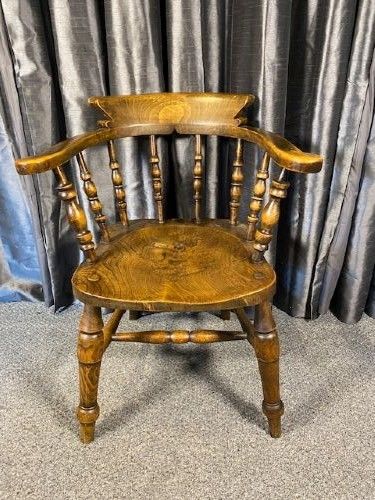
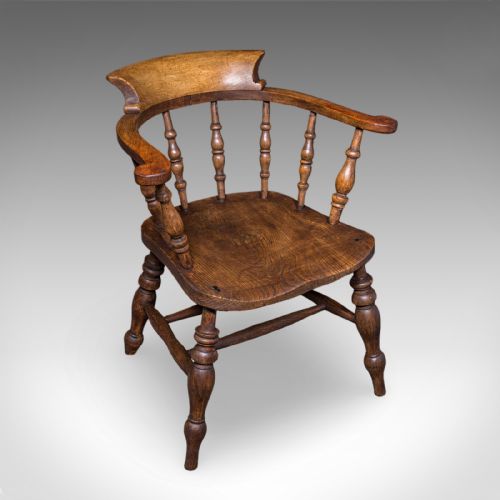
When searching for an antique wooden tub chair, buyers encounter solid timber seating that encompasses variants like the low armchair, the compact desk chair, and the sturdy smoker's bow. These seats date predominantly from the nineteenth and early twentieth centuries, spanning Victorian and Edwardian periods.
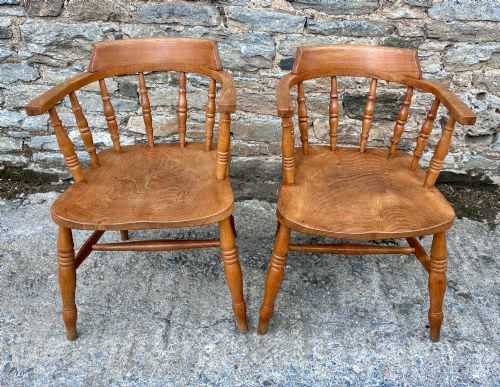
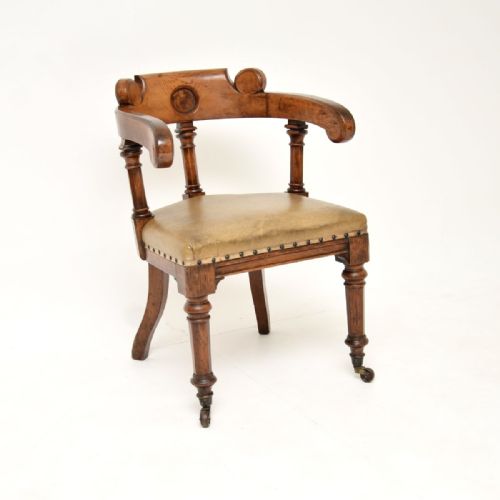
The evidence shows forms ranging from simple country house elbows and children's highchairs to refined oak and mahogany library seats. Captain's chairs and Windsor variants dominate the selection, bringing rounded back rails and continuous armrests into domestic and commercial interiors alike.
Makers utilised resilient regional hardwoods to shape these enclosing frames, producing pieces suited to daily use in studies, parlours, and dining rooms. The selection includes single examples, pairs, and matched sets of four or six chairs.
Materials and construction methods
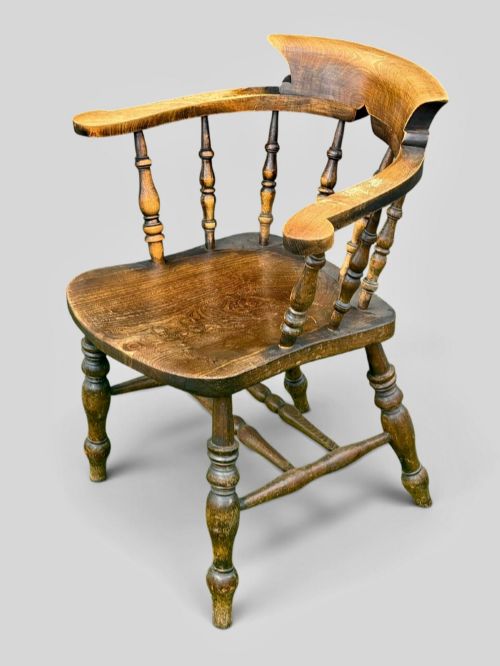
Construction relies heavily on native timbers such as elm, beech, ash, and oak, often paired in a single piece where bendable woods form the curved back rail and denser woods comprise the seat and legs. Workshops utilised steam-bending techniques to create the continuous wraparound arm rails characteristic of smoker's bows and captain's chairs.
Joinery methods include traditional spindle turning, mortise and tenon joints, and saddle-shaped solid seats scooped for comfort. Brass accents, leather upholstery, cane panels, and occasional inlay in mahogany or satinwood appear across later Victorian and Edwardian iterations.
Antique Wooden Tub Chair Retail Price Guide 2026
Typical asking prices for wooden tub chair among the pieces listed under this phrase on Sellingantiques today, from the lower quarter to the upper quarter. They describe what is for sale here now, not the wider market.
Listings feature 19th-century, Victorian, and Edwardian periods using elm, oak, beech, ash, leather, mahogany, and cane.
Evaluating distinction and build
Distinction in these chairs rests on the harmony of timber selection, particularly where contrasting woods like elm and ash show prominent grain patterns or deep patination. The fluidity of the steam-bent rail and the depth of the saddle seat define the structural ambition of the piece.
Later additions such as hide upholstery, brass hardware, or carved Gothic Revival motifs elevate specific examples from utilitarian seating to formal library and desk furnishings. The integrity of the continuous arm joinery remains central to the sustained utility of each chair.
The Antique Wooden Tub Chair Glossary
- Smoker's Bow
- A sturdy low-backed Windsor armchair featuring a continuous curved wooden rail serving as both backrest and arms. These seats became common in nineteenth-century parlours and public houses.
- Captain's Chair
- A low wooden armchair with a rounded spindle or solid rail designed to fit beneath a desk. They frequently utilise elm or ash for strength.
- Windsor
- A chair constructed with a solid wooden seat into which the legs and back spindles are separately bored and wedged. Regional variations often combine beech, ash, and elm.
- Gothic Revival
- A nineteenth-century design style drawing on medieval architectural motifs such as pointed arches and heavy geometric carving. Pieces in this manner display solid oak construction.
- Patina
- The surface sheen and colour developed by timber over decades through handling, polishing, and natural ageing. This quality signals long-term domestic use.
Antique Wooden Tub Chair: Frequently Asked Questions
What is a smoker's bow chair?
A smoker's bow is a sturdy nineteenth-century wooden armchair featuring a continuous low curved rail that forms the back and armrests. They share origins with traditional Windsor seating and offer robust support for daily sitting.
These chairs typically pair an elm or ash seat with turned beech spindles and legs. They appear frequently in studies, country houses, and Victorian interiors.
How do I date an antique wooden chair?
Dating relies on observing wood species, turning styles, assembly methods, and surface patination. Nineteenth-century examples often display regional variations in elm, oak, and beech construction.
Design markers such as Gothic Revival motifs or Aesthetic Movement ebonising narrow the manufacturing period. Edwardian pieces tend to show lighter mahogany or satinwood detailing.
Are these chairs suitable for daily desk use?
Many nineteenth-century desk and captain's chairs were engineered specifically for working environments. Their scooped wooden seats and supportive curved backs accommodate extended periods of sitting.
Certain models incorporate leather upholstery or height adjustments suitable for modern study spaces. Their solid timber frames provide lasting structural stability.
What woods were used in these chairs?
Maker workshops relied primarily on durable domestic hardwoods including elm, beech, ash, and oak. Elm frequently formed the solid saddle seats due to its resistance to splitting.
Bent components like arm rails utilised flexible woods such as ash or beech. Finer library and desk variants occasionally incorporate mahogany, walnut, or burr elm.