
Mid 19th Century Chair
When acquiring a mid 19th century chair, collectors secure substantial Victorian seating crafted in mahogany, walnut, rosewood, and regional timbers.
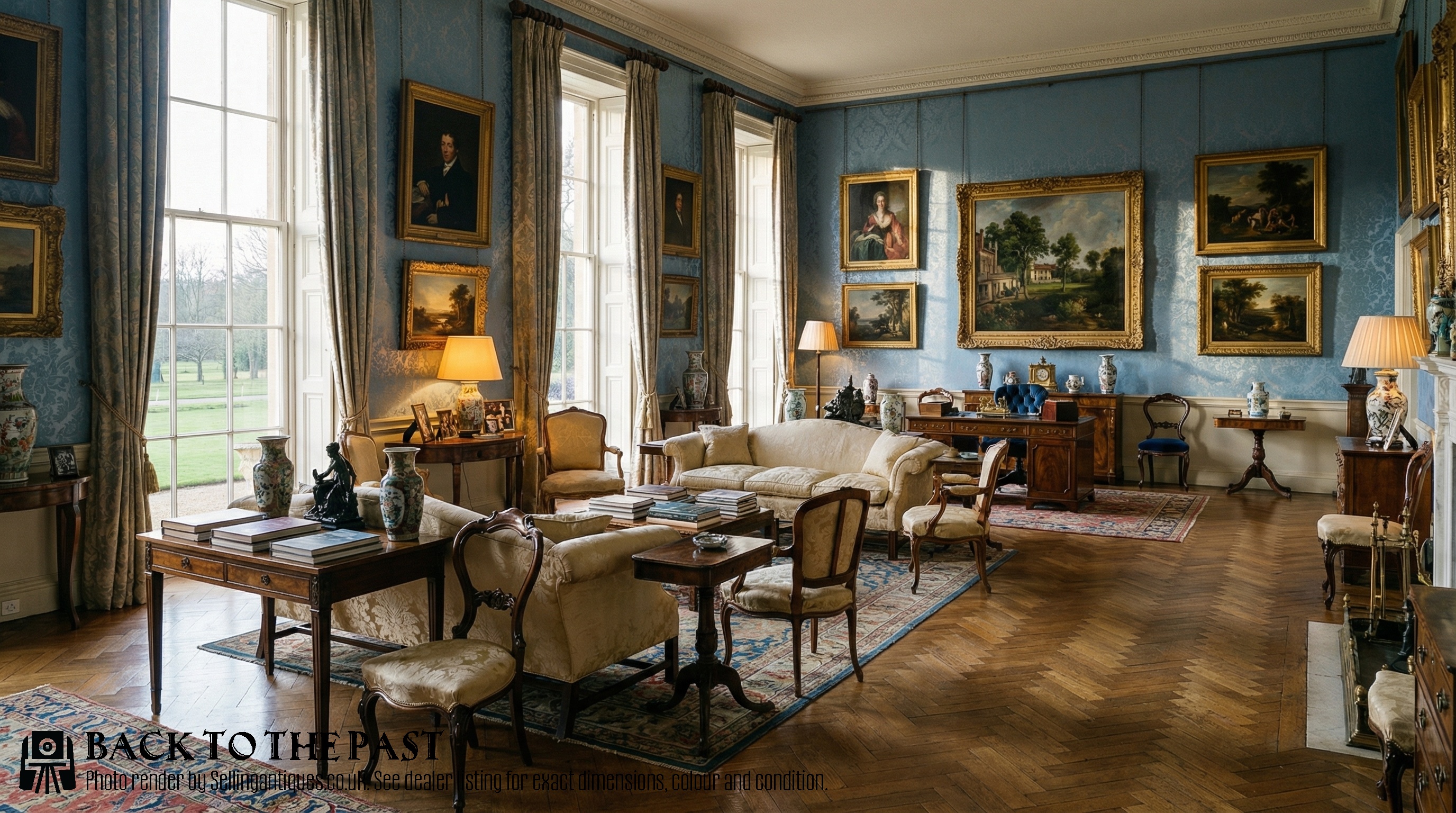
Mid 19th Century Chair
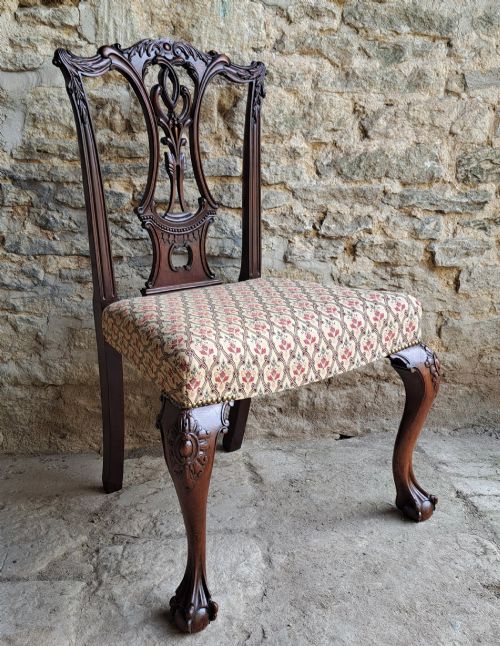
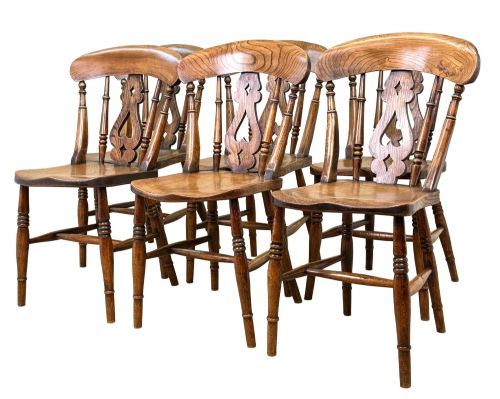
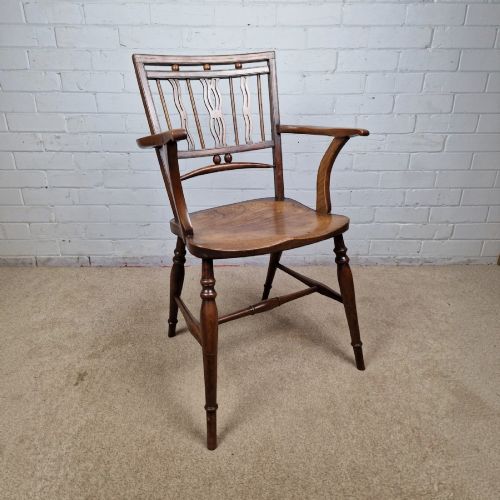
A mid 19th century chair encompasses diverse Victorian seating forms, ranging from formal mahogany dining sets and library armchairs to country Windsor models in ash and elm. Buyers encounter formal parlour and salon designs alongside robust vernacular seating produced across the British Isles and beyond.
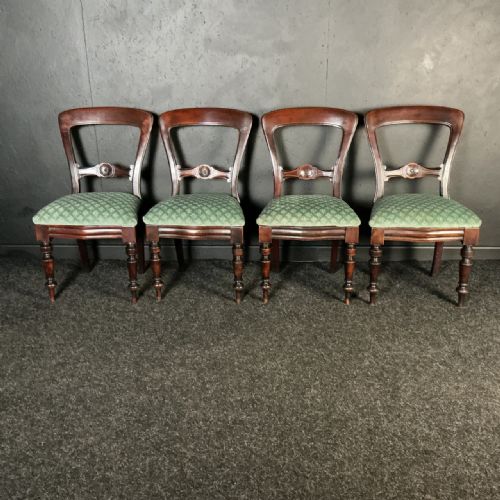
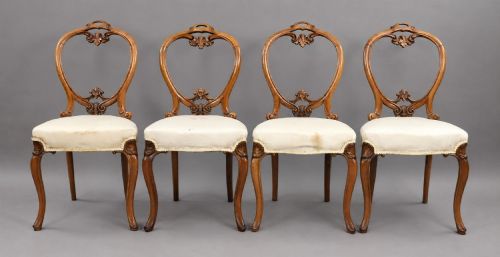
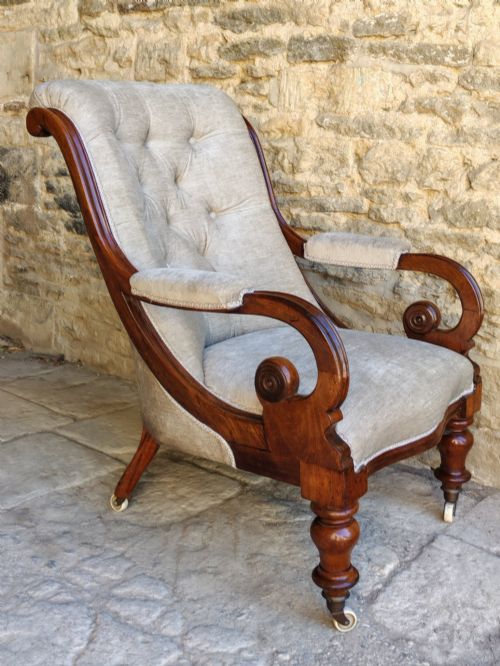
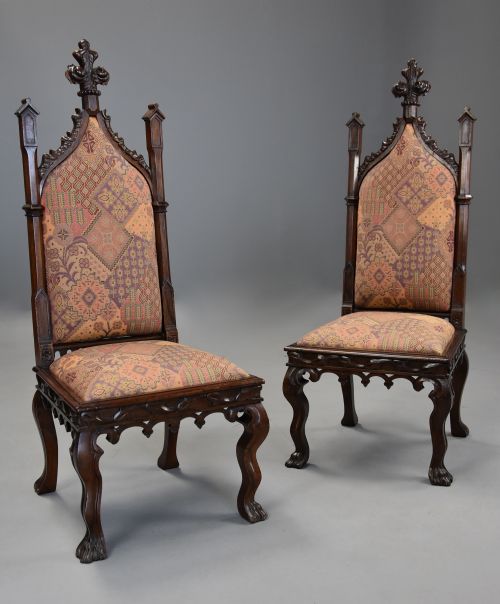
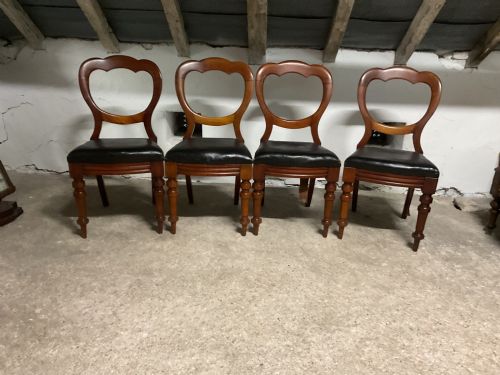
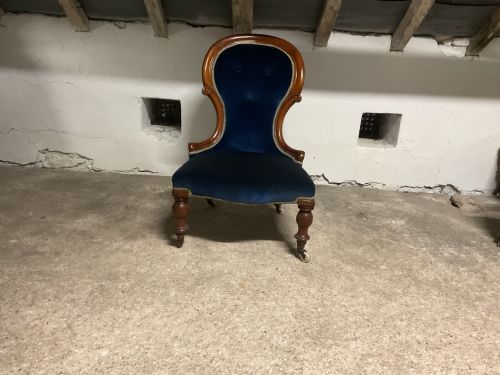
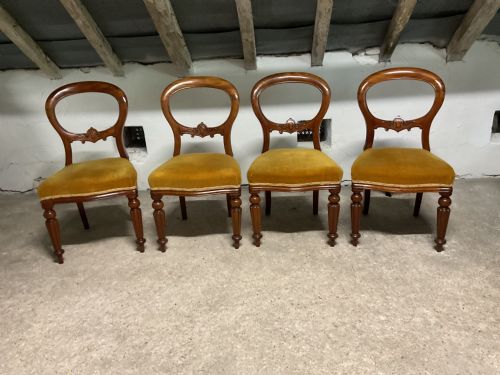
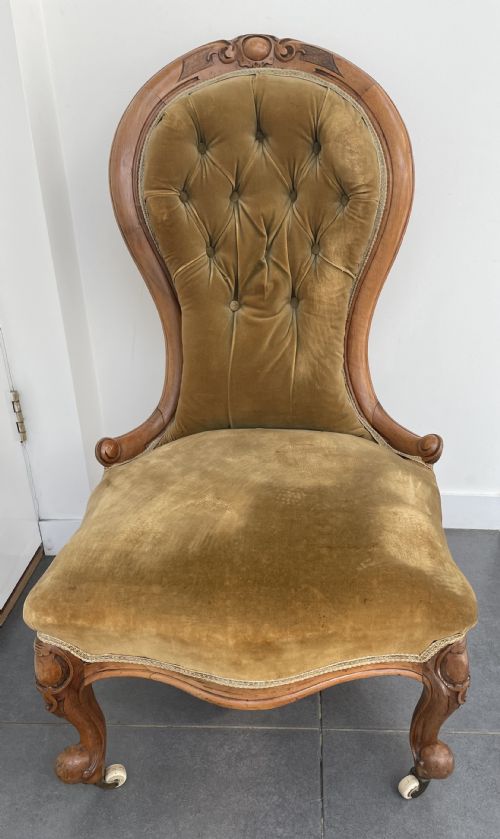
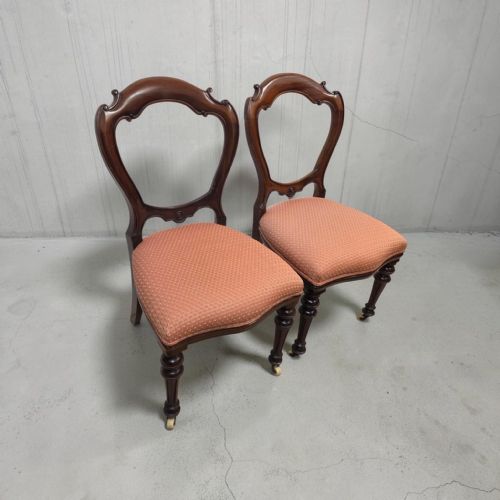
The selections span distinct stylistic revivals and regional traditions, including Gothic Revival hall chairs, balloon back dining seats, and low-slung slipper chairs. Dining suites, occasional chairs, and heavy campaign or planter's armchairs represent the predominant formats found within this grouping.
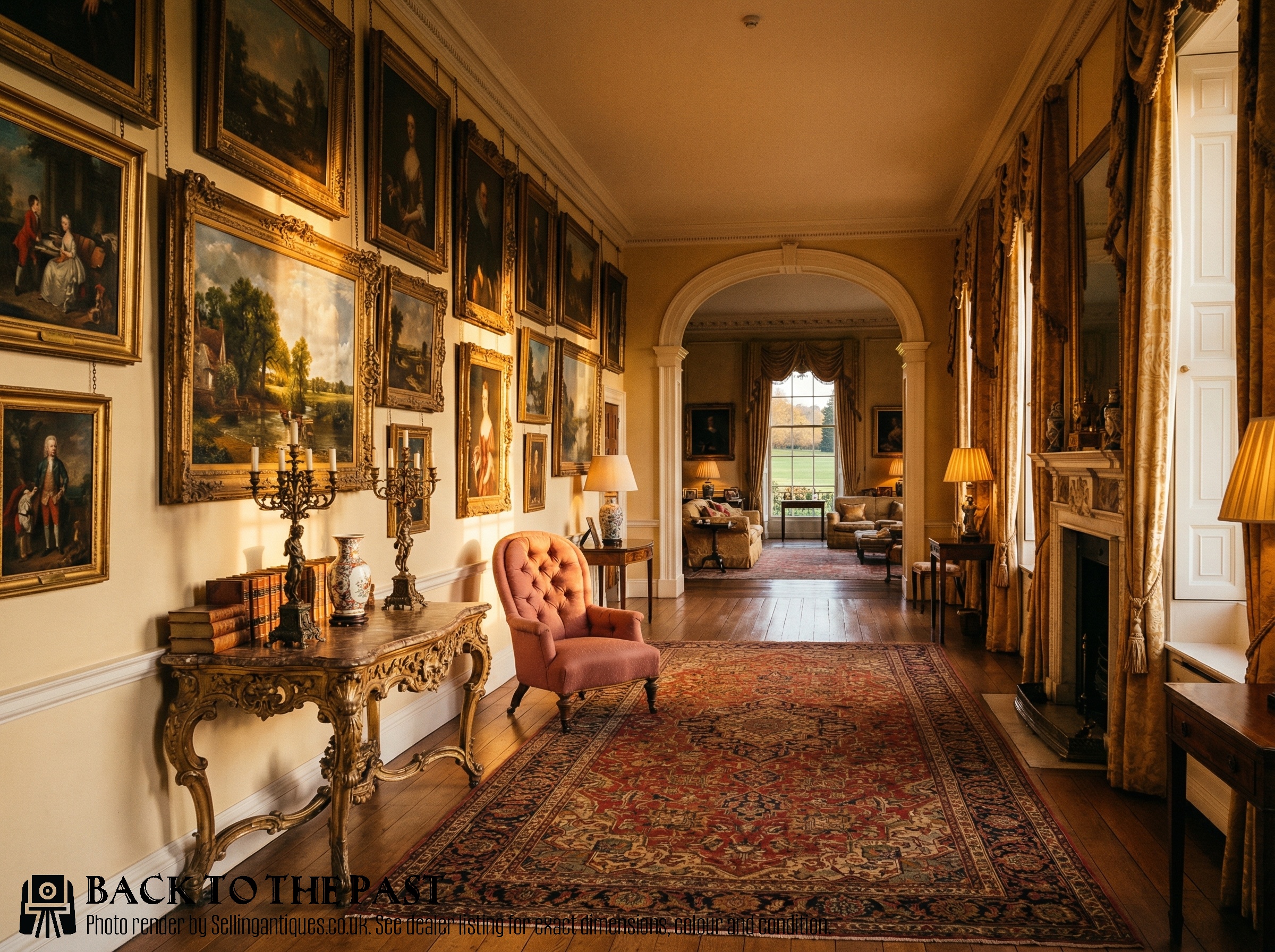
How they were made
Cabinet makers utilised dense hardwoods such as mahogany, walnut, and rosewood for formal drawing room and dining room pieces, frequently employing curved balloon backs and carved details. Regional vernacular seating relied on combinations of ash, elm, birch, and yew, constructed with traditional stickback and Windsor jointing methods.
Upholstery techniques involved horsehair stuffing, buttoned leather, velvet, and fabric coverings secured to sprung or webbed frames. Brass castors by makers like Cope and Collinson frequently equipped heavier library and desk armchairs for mobility.
Mid 19th Century Chair Retail Price Guide 2026
Typical asking prices for mid 19th century chair among the pieces listed under this phrase on Sellingantiques today, from the lower quarter to the upper quarter. They describe what is for sale here now, not the wider market.
Certain Windsor chairs hide generations of tavern chatter within their sturdy ash and elm spindles.
What varies in quality
Material selection and timber figuring dictate the baseline quality of each piece, distinguishing utilitarian items from high-status commission work. Rich natural patina on unadorned country timbers and crispness of hand-carving on mahogany and rosewood frames separate standard production from exceptional examples.
Attribution to prominent workshops elevates the standing of individual pieces, while structural integrity in regional Windsor joints or complex reclining mechanisms determines day-to-day durability.
Gillows·Howard & Sons·Holland & Sons·Miles & Edwards·Hindley and Sons
The Mid 19th Century Chair Glossary
- Balloon back
- A rounded, oval-shaped chair back popular during the Victorian period, frequently seen on mahogany and walnut dining chairs.
- Windsor chair
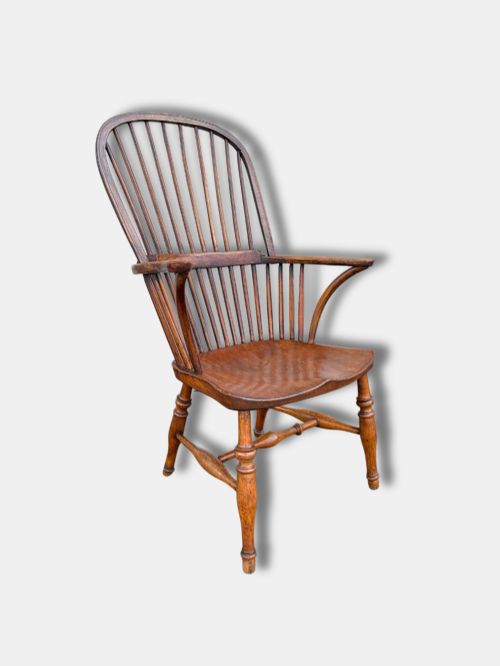
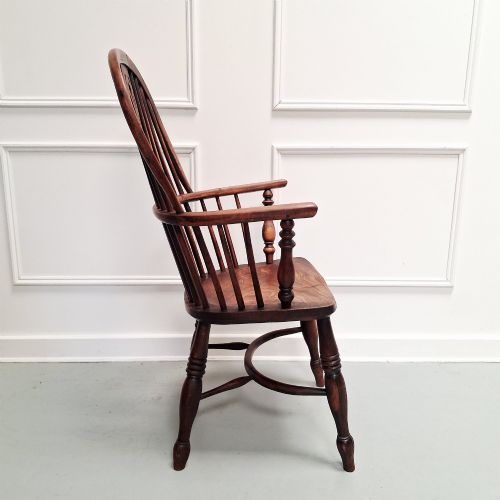
- A sturdy wooden chair constructed with a solid wooden seat into which the legs and back spindles are separately bored.
- Smoker's bow
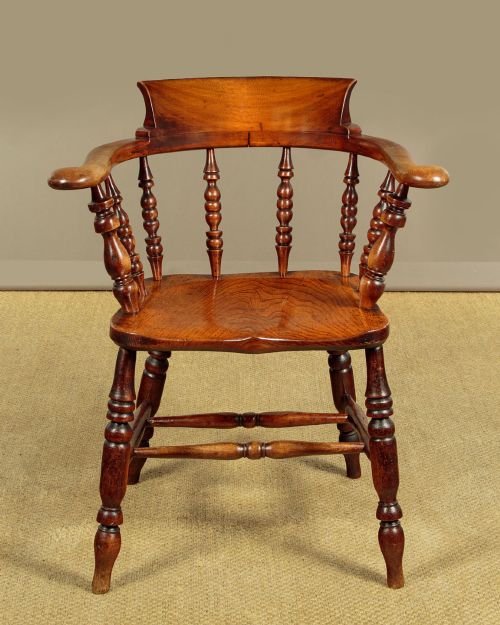
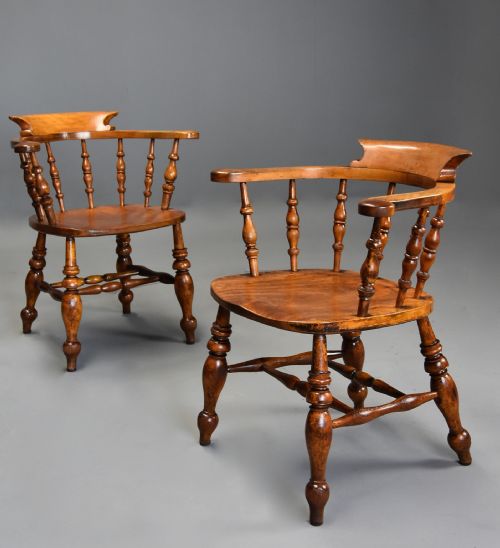
- A low-backed Windsor armchair with a continuous curved arm rail, historically common in domestic and commercial interiors.
- Slipper chair
- A low-seated upholstered chair designed originally for bedrooms to allow ease when dressing.
- Padouk
- A heavy, durable tropical hardwood utilised in Anglo-Indian furniture production during the nineteenth century.
Mid 19th Century Chair: Frequently Asked Questions
How do I identify a Windsor chair?
Windsor chairs are characterised by turned spindles inserted directly into a solid sculpted wooden seat rather than a continuous joined frame. They often combine timbers such as ash, elm, and fruitwood.
Regional variations include low backs, comb backs, and high-backed Thames Valley or Cheshire designs.
What is an Anglo-Indian chair?
Anglo-Indian chairs are nineteenth-century seating pieces made in India for British residents or export, utilising dense exotic woods like padouk and blackwood. They incorporate intricate regional hand-carving alongside European Regency or Victorian structural influences.
These pieces reflect the cultural exchange and trade networks of the period.
How should I care for leather upholstery?
Maintain antique leather upholstery by dusting regularly and applying appropriate conservation balms to prevent drying and cracking. Avoid placing pieces in direct sunlight or near heat sources.
Original buttoned leather retains historical character and requires gentle treatment to preserve the surface.