
Deep Buttoned Lounge Chair
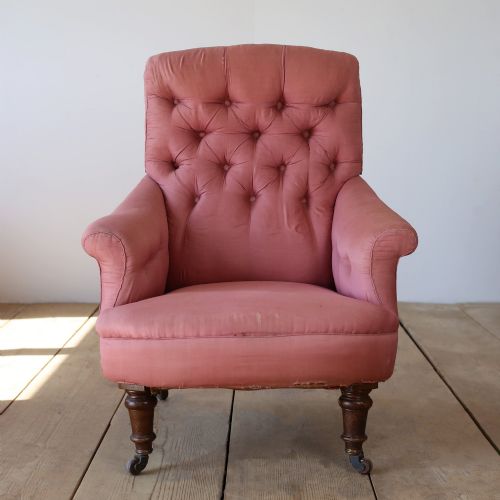
A deep buttoned lounge chair brings Victorian comfort and presence to a room, offering deep padding and classic upholstered style.
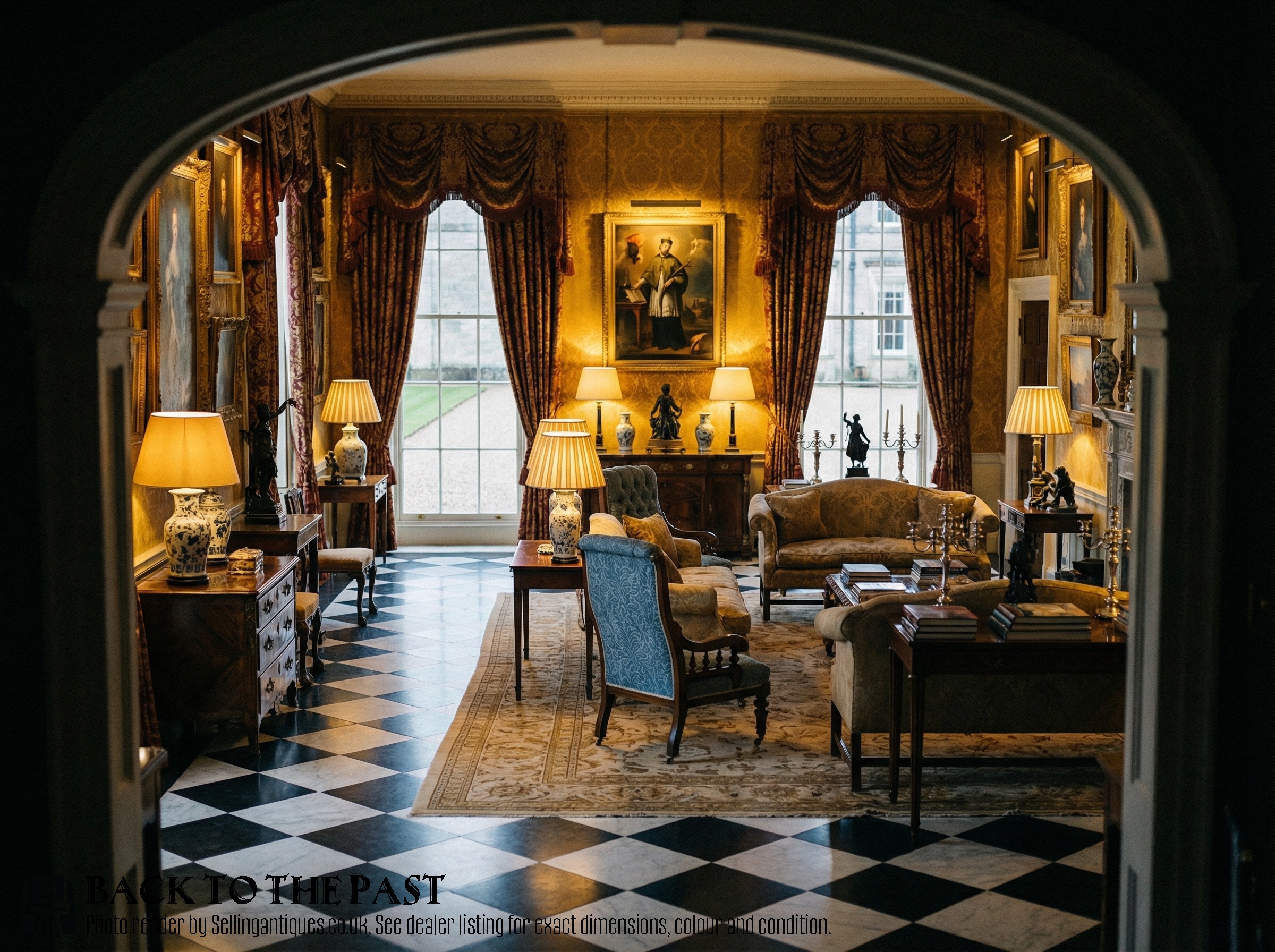
Identifying the deep buttoned lounge chair
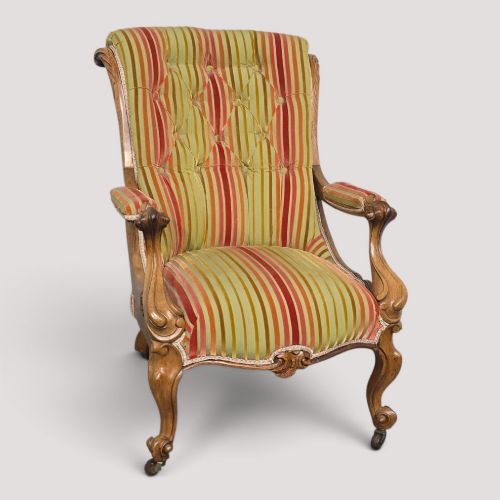
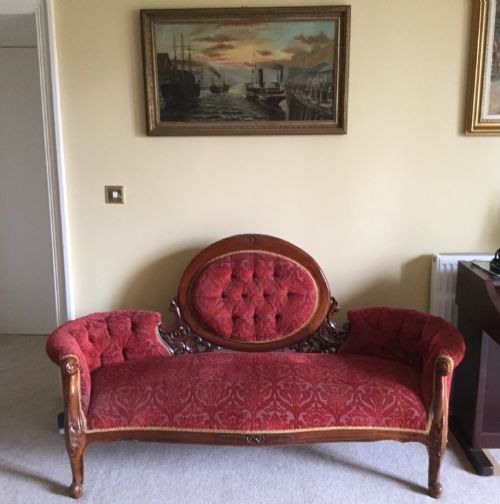
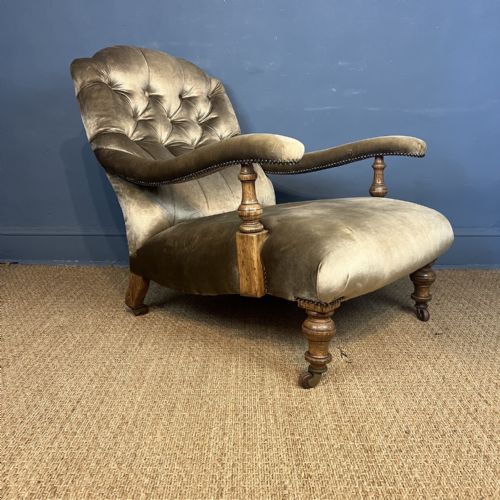
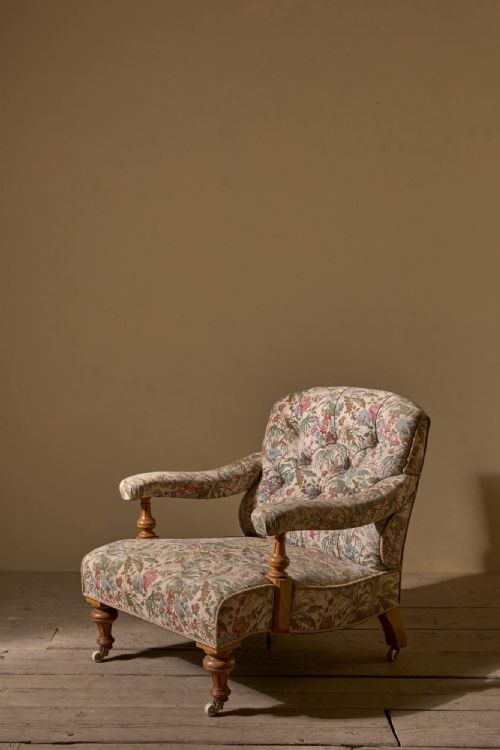
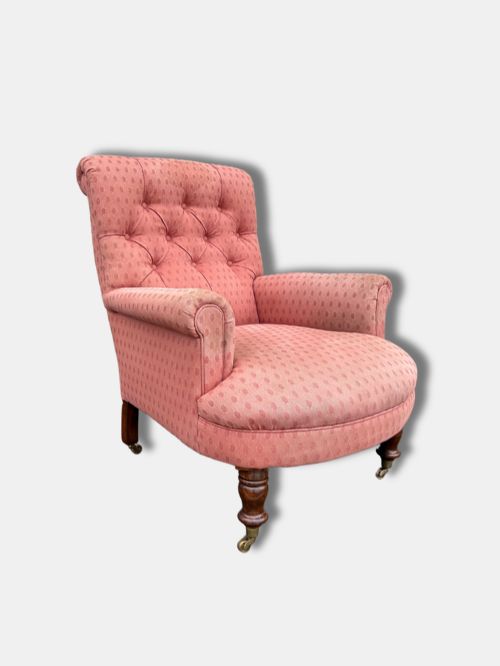
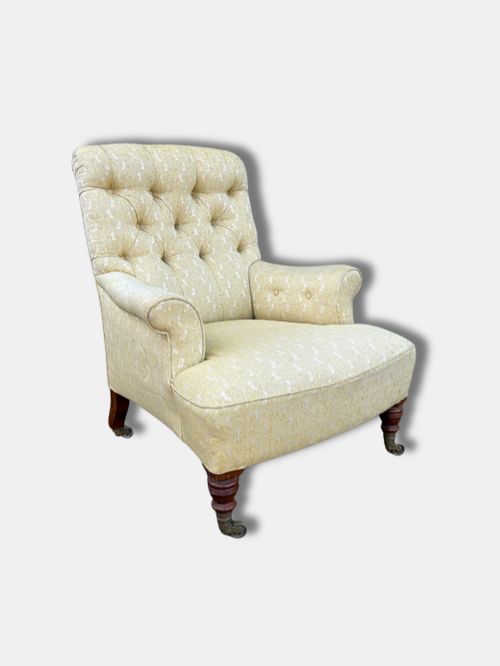
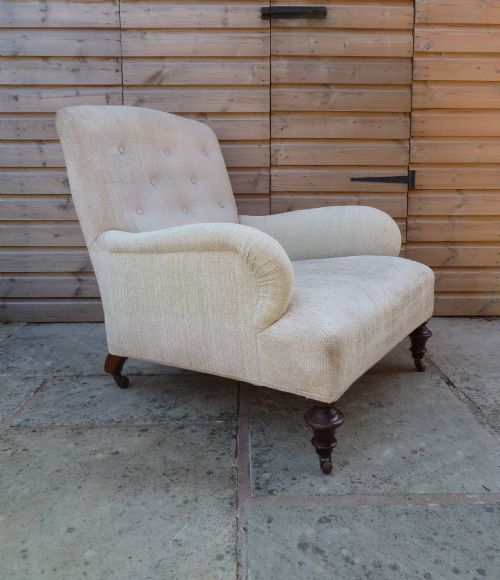
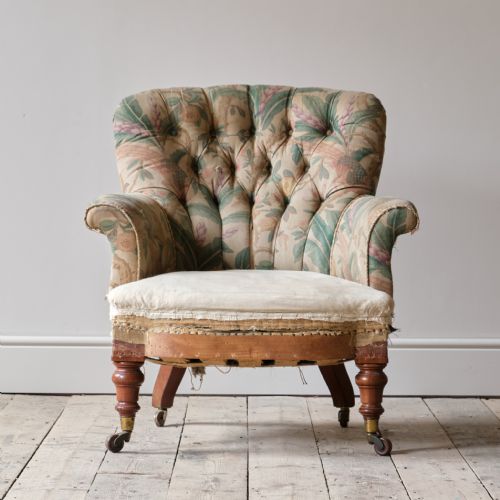
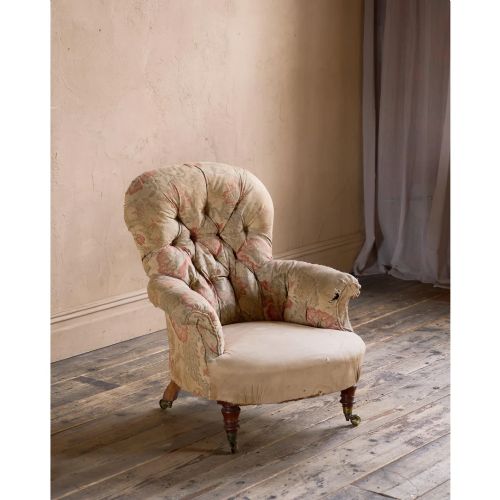
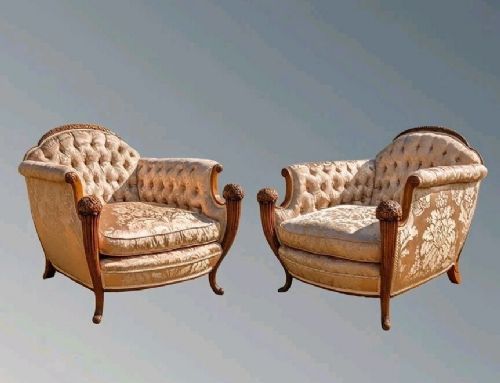
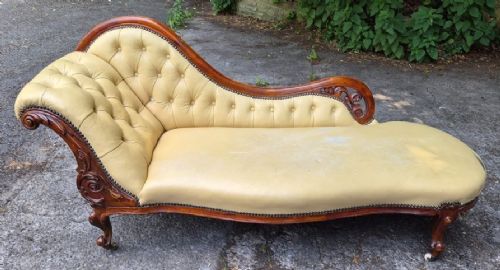
A deep buttoned lounge chair is an upholstered armchair designed for comfort, appearing in Victorian forms from the nineteenth century around eighteen eighty. These pieces function as fireside or drawing room seating, characterised by low profiles and supportive backs.
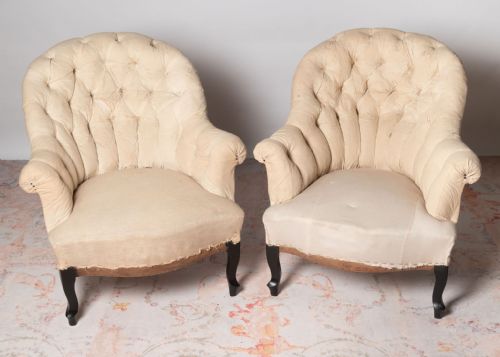
The selections encountered here span the Victorian period, including pieces from eighteen sixty and the broader nineteenth century. They take the form of armchairs with distinct structural variations in the frame and back.
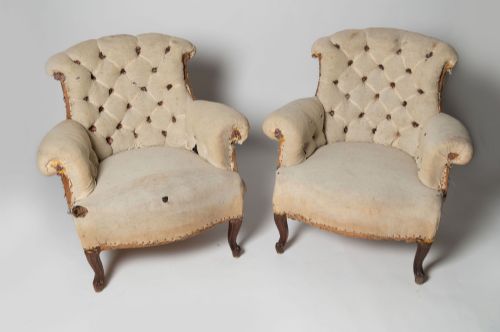
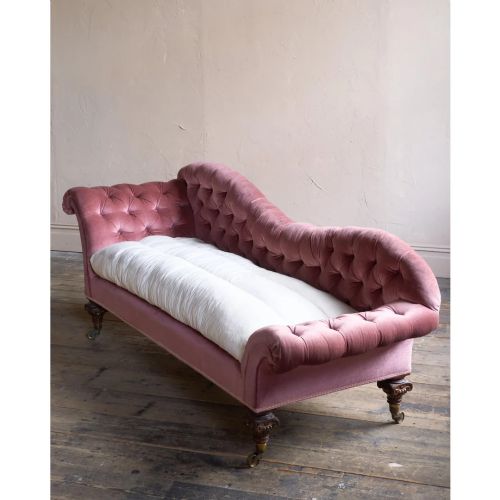
Examples on this page include mahogany, rosewood, and iron back armchair designs, alongside upholstered buttoned drawing room chairs. Each piece reflects the domestic seating styles of its nineteenth century origin.
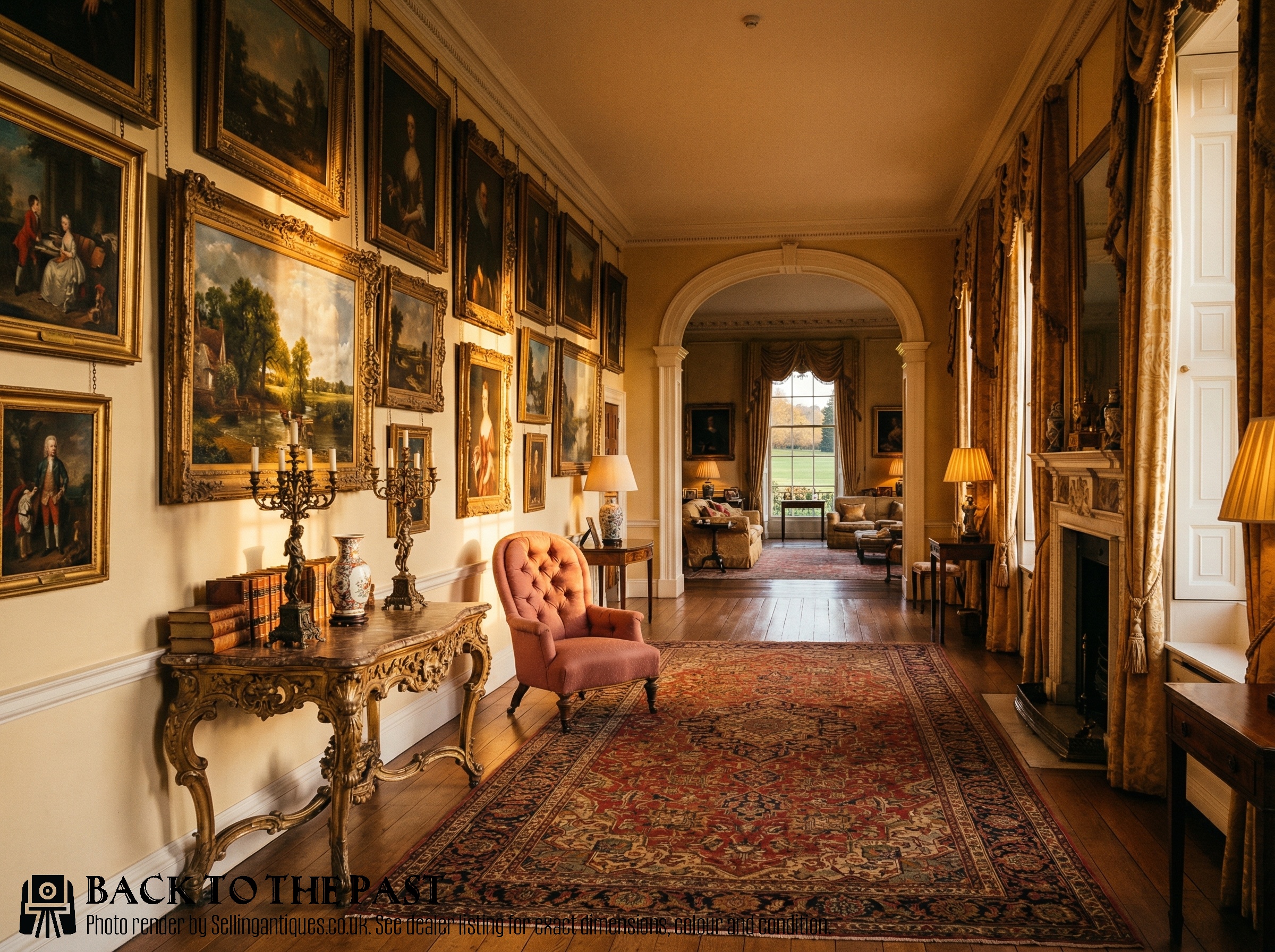
Construction and materials
The framework utilises timber such as mahogany and rosewood, alongside iron and metal components for internal or structural support. Wood is shaped and polished to form the exposed legs and framing elements of the armchairs.
Upholstery relies on fabric and damask coverings, secured over deep padding with the signature buttoning technique that pulls the textile inward. Brass details often appear as part of the hardware, castors, or decorative tacking.
Retail Price Guide 2026
Typical UK retail prices for deep buttoned lounge chair, calculated from the Sellingantiques database of over a million retail prices indexed since 2003. This retail price guide relies exclusively on Sellingantiques data; no external sources or auction records are used, so the figures do not describe the wider market.
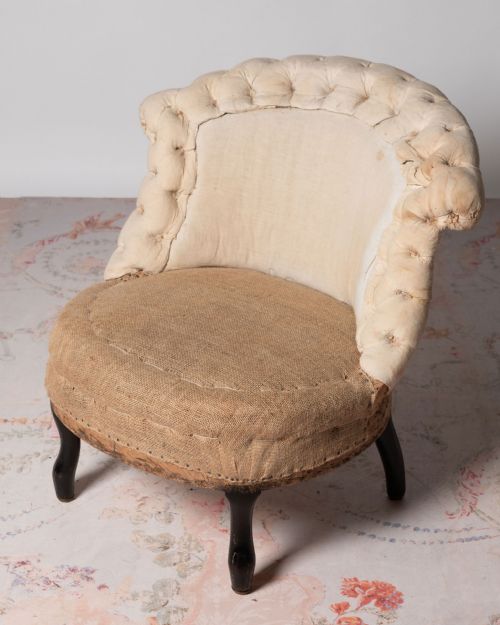
An iron back hidden beneath nineteenth century padding proves that Victorian comfort sometimes required industrial muscle.
Assessing quality and craftsmanship
Quality rests in the selection of cabinet timbers, where rich mahogany and rosewood frame construction distinguishes finer pieces from simpler iron back frameworks. The crispness of the turning and the joinery of the wooden chassis reveal the hand of the maker.
The execution of the deep buttoning and the choice of textile, such as damask over standard fabric, dictate the refinement of the upholstery work. A well-proportioned nineteenth century frame maintains its structural integrity and aesthetic balance.
The Deep Buttoned Lounge Chair Glossary
- Victorian
- Belonging to the reign of Queen Victoria during the nineteenth century, a period noted for eclectic revival styles and deep upholstery. This era produced the majority of buttoned lounge seating found today.
- Damask
- A reversible figured fabric traditionally woven on a jacquard loom with patterns formed by contrasting warps and wefts. It provides a formal, textured surface frequently used on drawing room armchairs.
- Mahogany
- A durable tropical hardwood prized for its deep reddish brown colour and stability in cabinet making. It forms the primary structural frame for many nineteenth century fireside chairs.
- Rosewood
- A dense, heavily figured timber with dark grain markings, often utilised for high quality Victorian furniture frames. Its rich appearance elevates the decorative status of an armchair.
- Buttoning
- An upholstery technique where twine is pulled through the padding and secured with buttons to create a tufted, geometric pattern. This method holds the internal stuffing firmly in place while adding texture.
Frequently Asked Questions
What is a deep buttoned lounge chair?
A deep buttoned lounge chair is a nineteenth century upholstered armchair featuring tufted buttoning across the backrest for comfort and structure. These pieces were built for the drawing room or fireside.
They utilise timber frames like mahogany or rosewood, combined with fabric or damask upholstery. The design prioritises low, supportive seating.
How do I date a Victorian armchair?
Dating relies on examining the timber species, frame construction methods, and upholstery techniques characteristic of the nineteenth century. Pieces from eighteen sixty often employ iron framing or simpler woods.
Later Victorian examples from around eighteen eighty show refined mahogany joinery and specific drawing room styling. Comparing the turning and hardware helps narrow the period.
What materials were used for these chairs?
The primary materials include solid hardwoods such as mahogany and rosewood, alongside iron and metal for structural frames. Upholstery consists of fabric and damask stretched over padding.
Brass elements frequently appear in the hardware or decorative details. Each material contributes to the durability and visual weight of the armchair.
Where were these armchairs placed?
These armchairs served as comfortable seating in Victorian drawing rooms and private libraries. Their design suited them for fireside placement where warmth and deep upholstery were valued.
They functioned as primary seats for relaxation or receiving guests. Their decorative frames allowed them to sit prominently within formal nineteenth century interiors.