


Victorian Bedroom Armchair
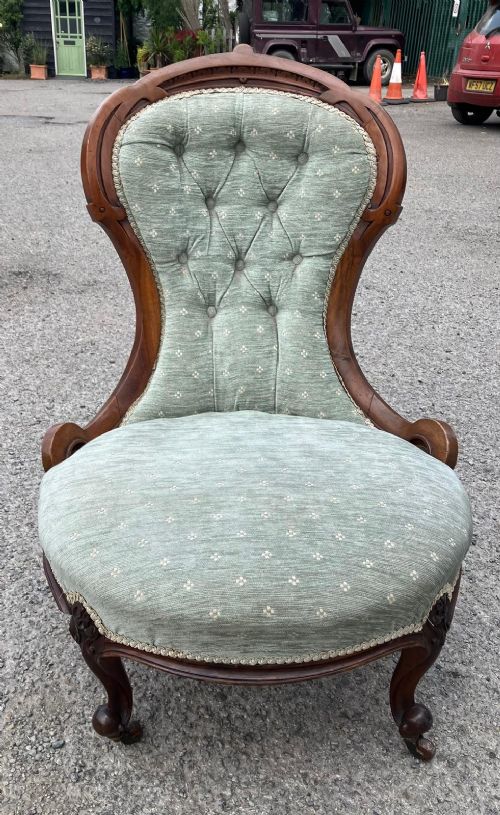
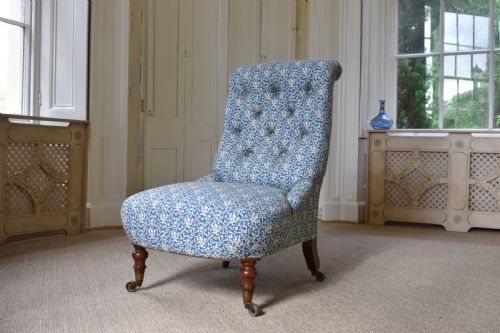
A victorian bedroom armchair brings comfortable nineteenth century seating to a dressing room or parlour through low proportions and upholstered frames.
Victorian Bedroom Armchair
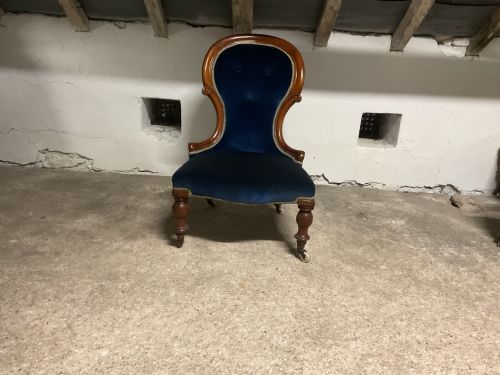
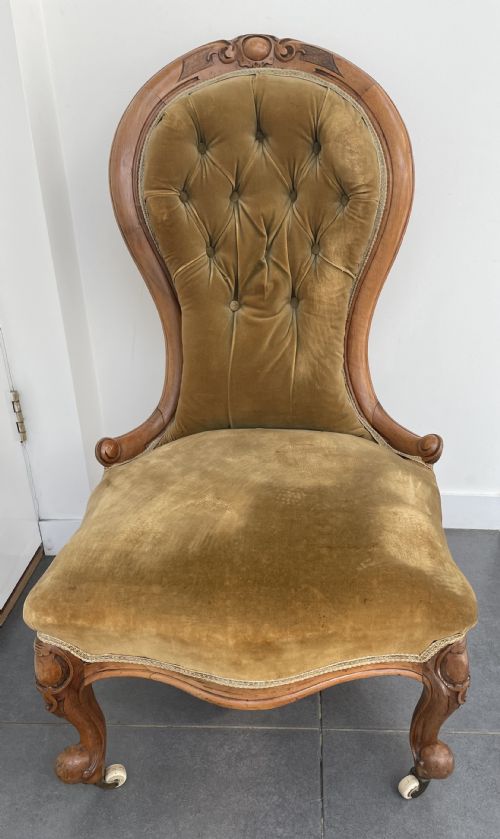
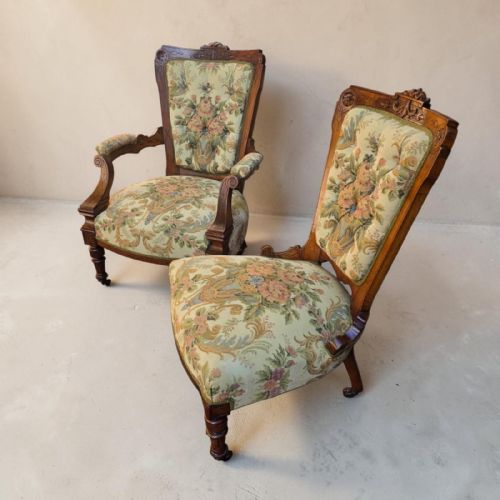
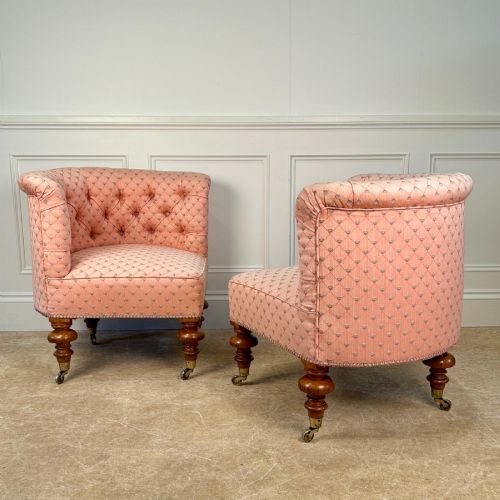
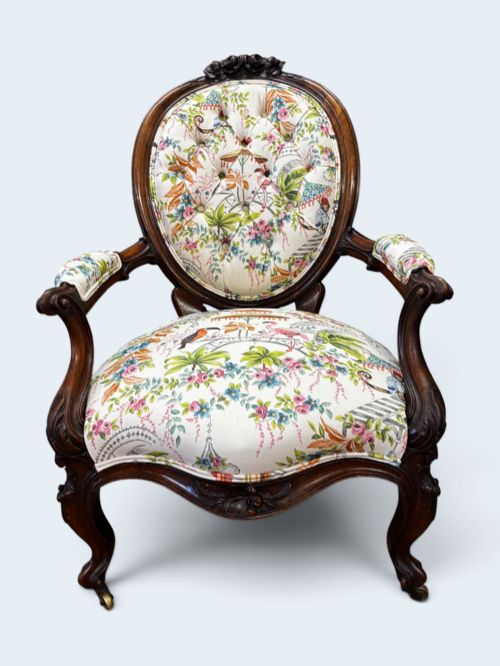
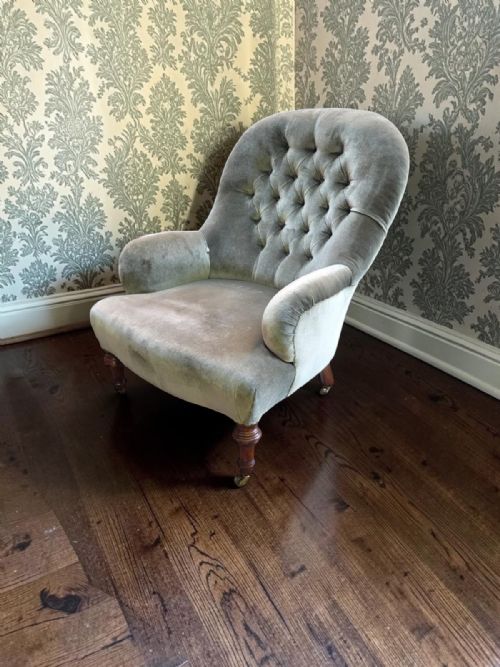
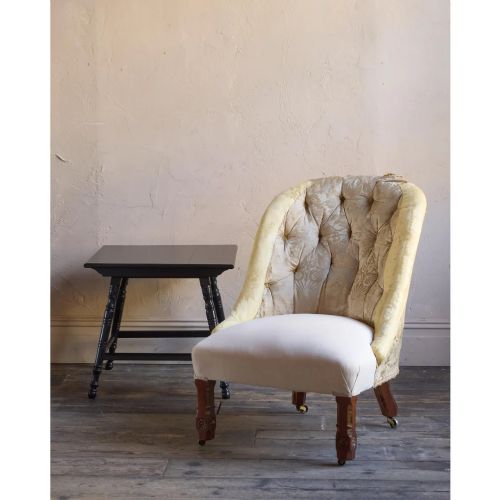
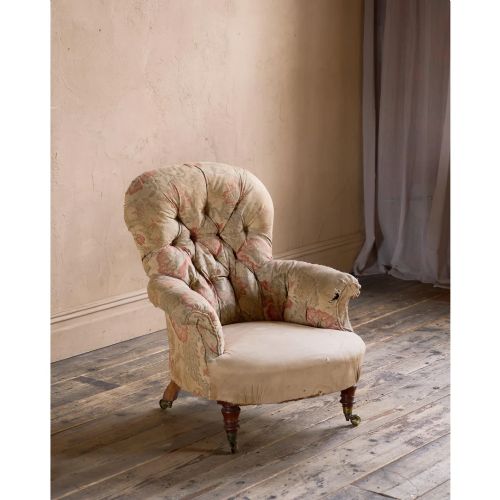
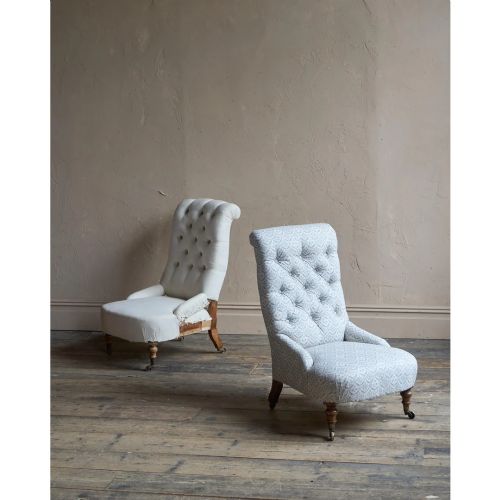
A victorian bedroom armchair spans low salon seats, nursing chairs and button back slipper chairs designed for nineteenth century domestic chambers. These forms include open armchairs, tub backs and spoon backs originating from the eighteen fifties to the end of the century. You will frequently encounter walnut, mahogany or rosewood frames paired with period upholstery.
Makers and workshops of the period produced diverse seating styles, ranging from simple oak and mahogany frames to elaborate aesthetic movement and rococo revival pieces. Many examples feature low seats intended for dressing or relaxing by a bedroom fireplace. The selection also encompasses pairs and occasional chairs suitable for salons and dressing rooms.
How They Were Made
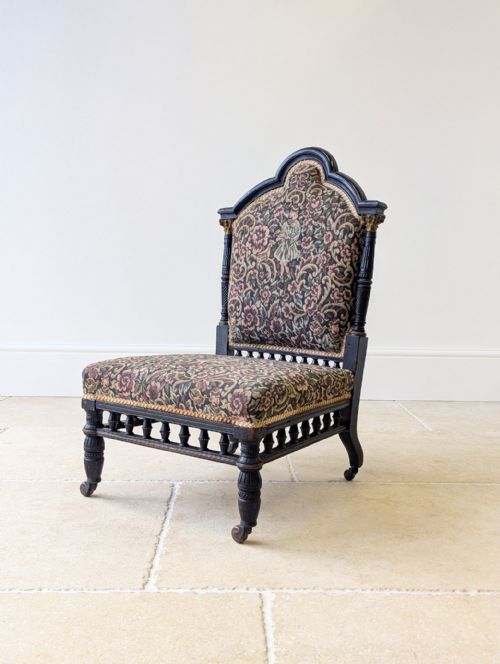
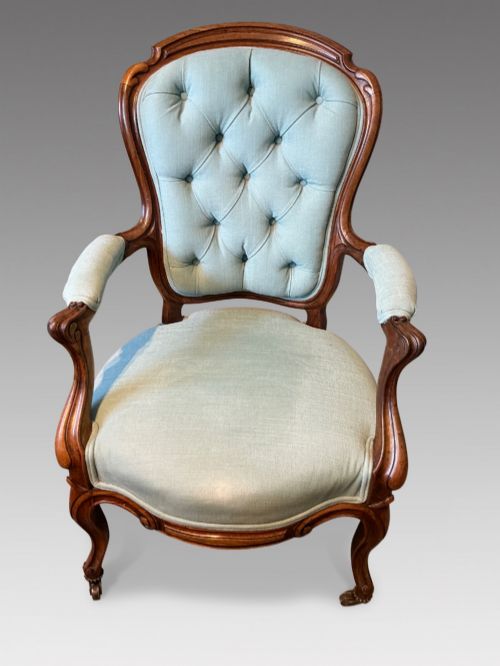
Cabinetmakers constructed the supportive frames using timbers such as walnut, mahogany, rosewood and oak, often shaping them into cabriole legs or carved backs. Woodwork frequently received ebonising, gilding or polishing to enhance the grain.
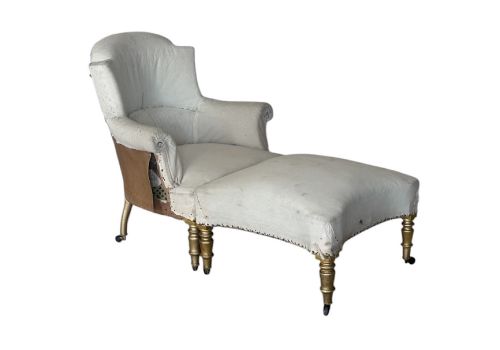
Upholstery techniques combined traditional stuffing with calico, leather, velvet and patterned fabrics, sometimes incorporating buttoned backs and iron back supports.
Victorian Bedroom Armchair Retail Price Guide 2026
Typical asking prices for victorian bedroom armchair among the pieces listed under this phrase on Sellingantiques today, from the lower quarter to the upper quarter. They describe what is for sale here now, not the wider market.
Listings feature nineteenth century periods including eighteen sixty, eighteen seventy, eighteen eighty, and the Edwardian era.
What Varies in Quality
The standard of carving and timber selection dictates the distinction between standard production and superior workshop output. Finely figured walnut and rosewood paired with robust joinery indicate careful cabinet work.
Originality of the frame structure and the execution of sprung or stuffed upholstery influence the integrity of each piece. Maker attribution also separates standard domestic seating from notable nineteenth century workshop commissions.
Holland and Sons·Howard and Sons
The Victorian Bedroom Armchair Glossary
- Spoon back
- A padded chair back shaped like the bowl of a spoon to fit the human form. This design appeared frequently on nineteenth century nursing and bedroom chairs.
- Button back
- An upholstery technique where buttons are pulled deep into the padding to create geometric diamond patterns. It provides firm tension across the cushioned surface.
- Nursing chair
- A low seat designed to give comfort while holding infants or sitting near bedroom hearths. These chairs typically feature shortened legs and supportive upholstered backs.
- Fauteuil
- An open framed armchair with upholstered armrests originating in France. Nineteenth century iterations often display giltwood or carved wooden framing.
- Cabriole leg
- A furniture leg that curves outward in a convex arc and tapers inward in a concave arc, finishing in a scroll or pad foot. It remains typical of revivalist seating designs.
Victorian Bedroom Armchair: Frequently Asked Questions
What is a victorian bedroom armchair?
A victorian bedroom armchair is a nineteenth century seat designed for domestic chambers, dressing rooms or parlours. These pieces often feature low proportions for dressing and relaxation.
Such chairs encompass nursing chairs, slipper chairs, tub chairs and low salon seating. They reflect various revival styles spanning the eighteen fifties to the early twentieth century.
How were nineteenth century bedroom chairs used?
These chairs served practical domestic purposes in private rooms, providing comfortable seating near dressing tables and fireplaces. Their compact size suited intimate spaces.
Certain low forms accommodated women's Victorian garments or assisted with nursing infants. Others functioned as occasional seating in private sitting rooms.
How do I identify a Victorian armchair?
Identification relies on examining timber choices, structural forms and upholstery styles characteristic of the nineteenth century. Walnut, mahogany and rosewood indicate period manufacture.
Details like spoon backs, buttoned upholstery, ebonised finishes and revival motifs help place pieces within the eighteen fifties to eighteen nineties era.
Can I use an antique bedroom chair daily?
Many nineteenth century bedroom chairs remain structurally sound for regular domestic use when frames and joints are stable. Careful placement preserves their antique integrity.
Some pieces benefit from professional reupholstering or internal reinforcement to ensure they withstand modern seating requirements while retaining original frames.