


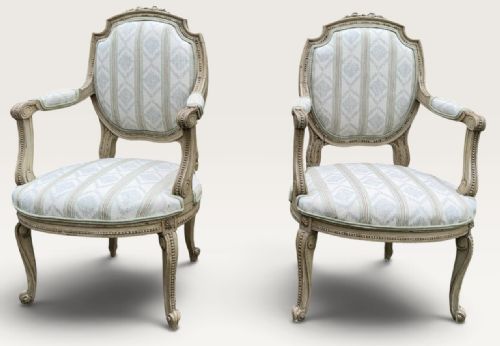
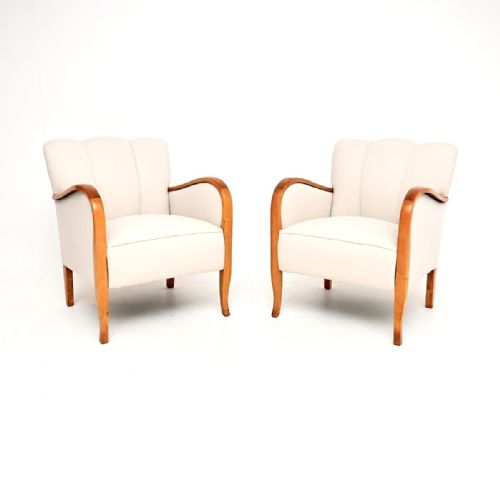
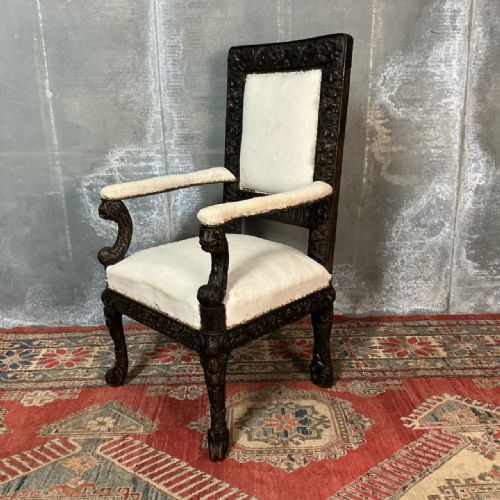
Antique Upholstered Accent Chair
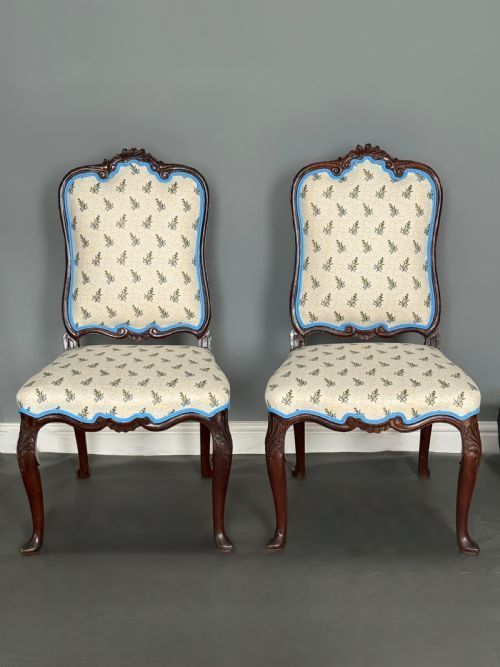
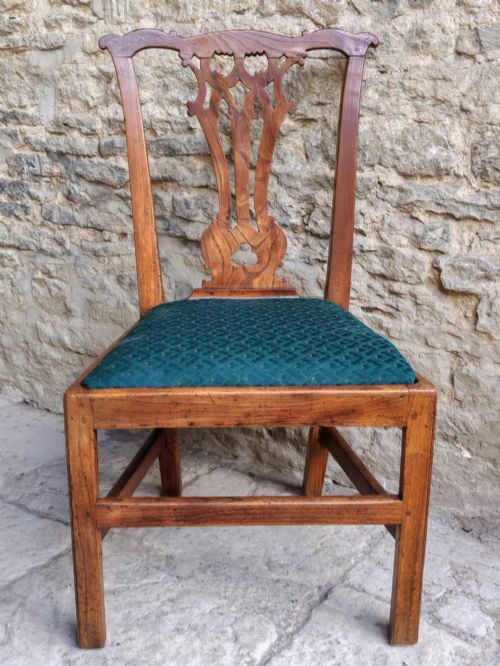
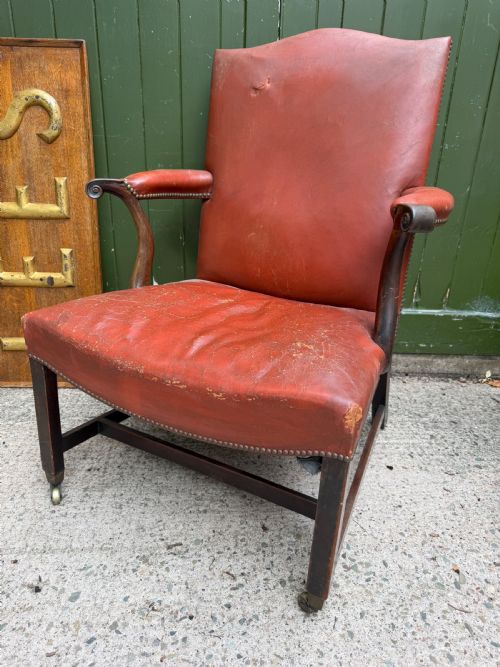
An antique upholstered accent chair brings distinct period character and functional seating into a room through traditional craftsmanship and rich textiles.
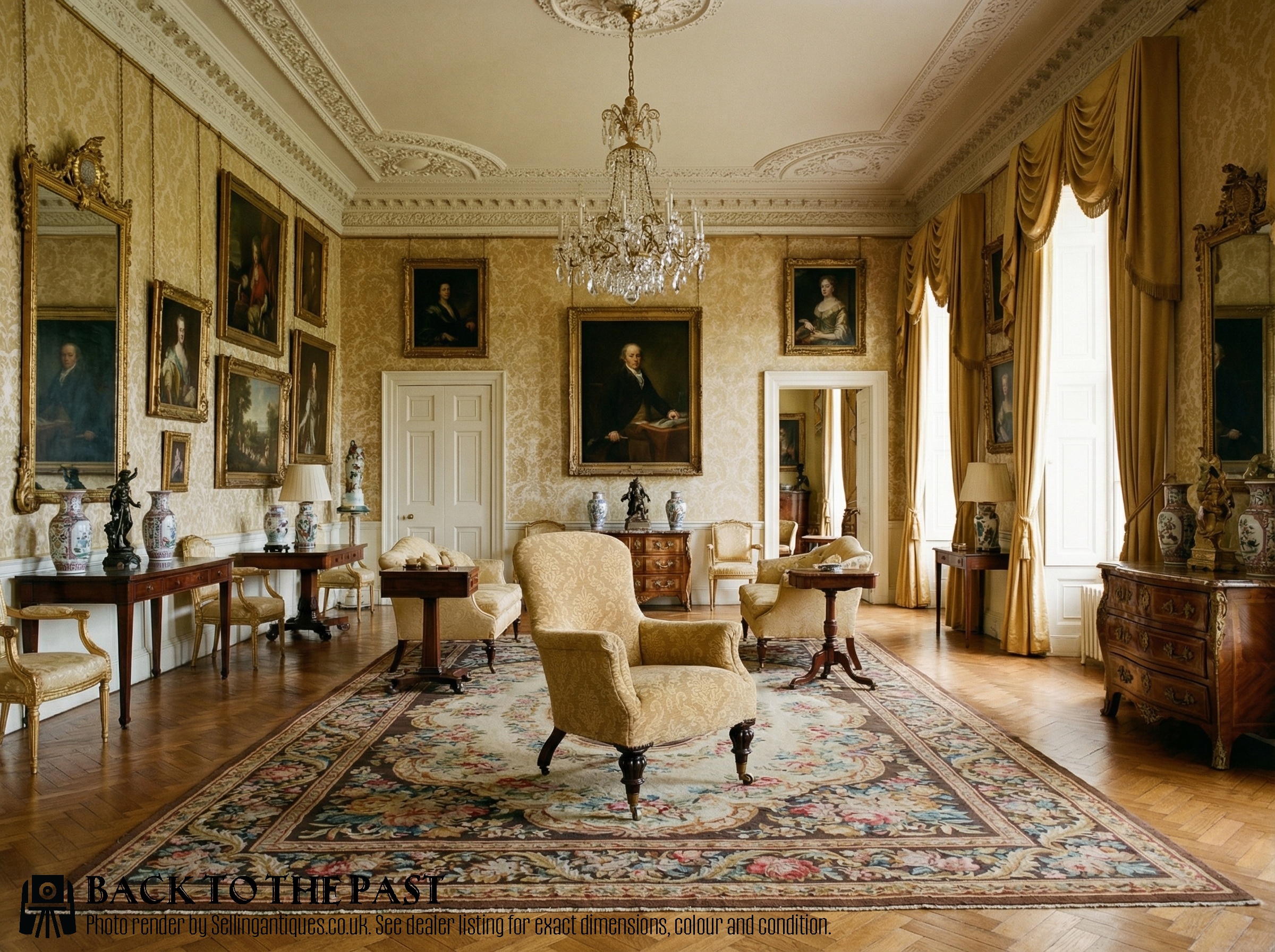
Identifying your antique upholstered accent chair
When you search for an antique upholstered accent chair, you encounter a curated selection of seating forms spanning the eighteenth and nineteenth centuries. These pieces function primarily as decorative and practical additions to living spaces, studies, and bedrooms.
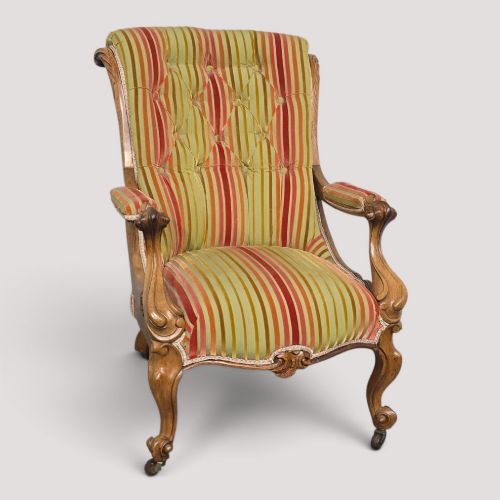
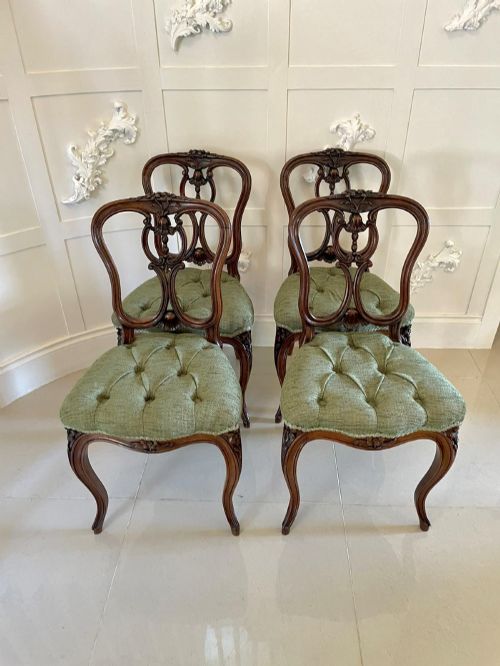
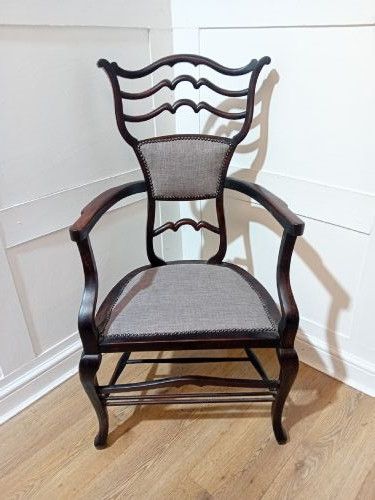
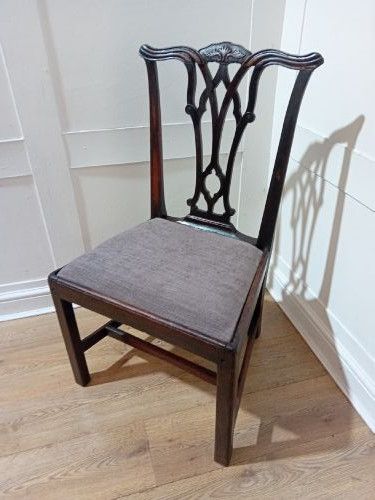
The inventory showcases notable historical styles, including George III, Victorian, and Victorian Rococo Revival designs. You will encounter various forms such as armchairs, side chairs, desk chairs, and vanity chairs.
Specific nineteenth-century variants include button back armchairs, spoon back armchairs, bobbin chairs, and open arm chairs. These diverse configurations offer distinct silhouettes suitable for different interior schemes.
Materials and construction
Frames are constructed from robust timbers recorded in the listings as mahogany, walnut, dark wood, and rosewood. These hard woods provide the structural integrity required for enduring daily use.
Upholstery and detailing incorporate traditional textiles such as fabric, damask, and leather, frequently complemented by brass hardware and hand-carved wooden elements.
Retail Price Guide 2026
Typical UK retail prices for upholstered accent chair, calculated from the Sellingantiques database of over a million retail prices indexed since 2003. This retail price guide relies exclusively on Sellingantiques data; no external sources or auction records are used, so the figures do not describe the wider market.
One listed Victorian armchair originates directly from the home of artist John Bellany.
Assessing quality
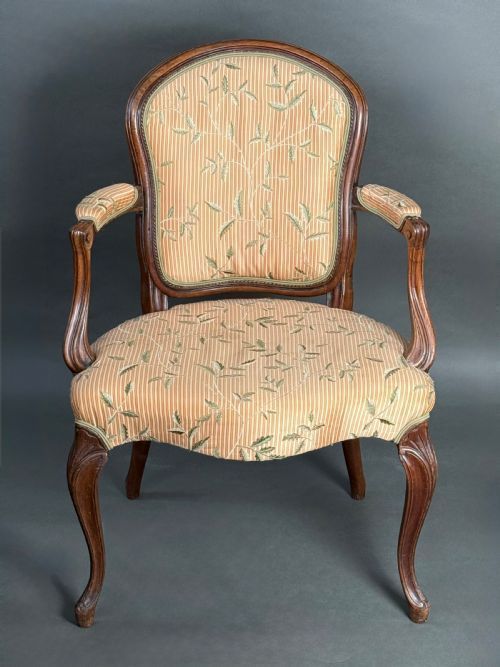
Quality separates ordinary seating from exceptional examples through the precision of the woodwork and the sophistication of the carving. Finely executed cabriole legs and intricate frame details elevate the visual standing of a piece.
The choice of covering material and the integrity of the underlying textile application also distinguish finer examples. Superior pieces integrate high-grade fabrics and leathers that complement the dense grain of mahogany, rosewood, or walnut frames.
The Antique Upholstered Accent Chair Glossary
- Cabriole leg
- A furniture leg that bends outward in a convex curve and tapers inward in a concave curve, ending in a pad or foot. This classical form frequently appears on eighteenth and nineteenth-century seating.
- Spoon back
- An upholstered chair back shaped similarly to the bowl of a spoon, featuring a padded central panel surrounded by a visible wooden frame. This ergonomic nineteenth-century design provides comfortable lower back support.
- Button back
- A style of upholstery where depressions are created by pulling strings or twine tightly through the padding and securing them with buttons. This technique forms a regular pattern of tufts across the backrest.
- Bobbin chair
- A type of seating constructed from turned wooden members resembling a string of spools or bobbins. This distinctive aesthetic gained popularity during the nineteenth century.
- Open arm chair
- A seating form featuring unpadded wooden armrests that leave the structural frame exposed. These chairs highlight the quality of the timber and the carver's skill.
Frequently Asked Questions
What is an antique upholstered accent chair?
An antique upholstered accent chair is a period seating piece designed to provide both functional utility and visual interest within a room. These chairs combine traditional wooden frames with period-appropriate textiles.
Examples range from eighteenth-century George III designs to nineteenth-century Victorian Rococo Revival forms, offering diverse silhouettes for modern interiors.
Where should I place these chairs?
These chairs suit various domestic settings, functioning effectively in living rooms, studies, dressing rooms, and bedrooms. Compact forms like desk or vanity chairs fit smaller spaces.
Larger armchairs serve well as standalone accent pieces in corners or flanking fireplaces.
How do I identify a Victorian chair?
Victorian seating often exhibits ornate detailing, darker wood species such as rosewood and walnut, and elaborate upholstery styles like button backs or spoon backs. Revival influences are common.
Construction methods and material choices align with nineteenth-century manufacturing standards.
What woods were used?
Maker workshops utilised dense hardwoods capable of supporting intricate carving and structural weight. Mahogany, walnut, rosewood, and general dark wood appear frequently.
These timbers were chosen for their durability and attractive grain patterns.