
19th Century Slipper Chair
When you search for a 19th century slipper chair, you are looking at low-slung, deeply comfortable seating designed originally for Victorian dressing rooms.
19th Century Slipper Chair
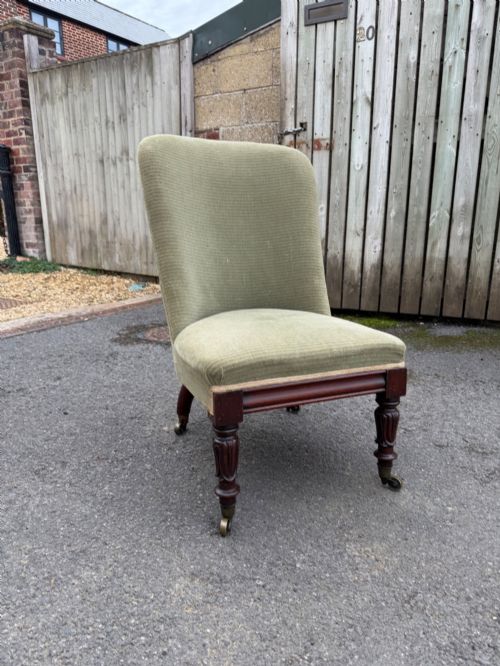
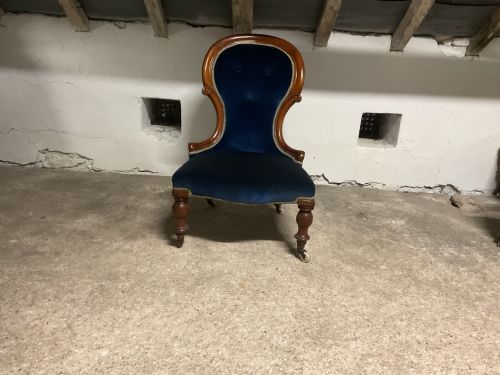
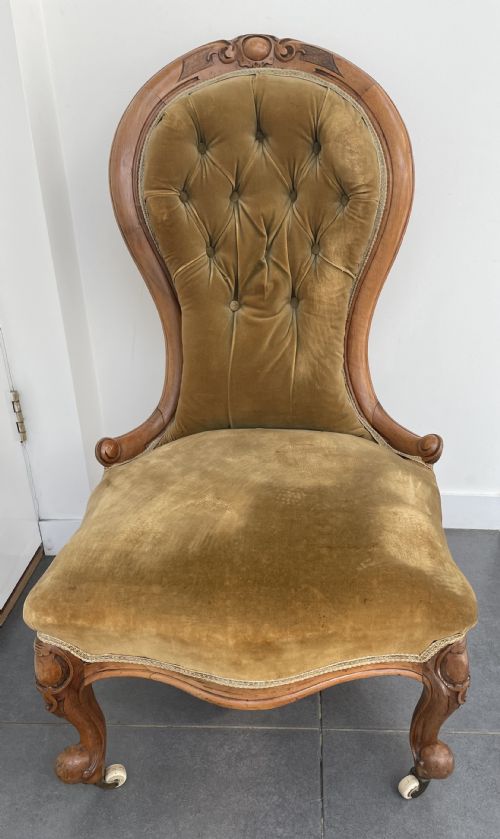
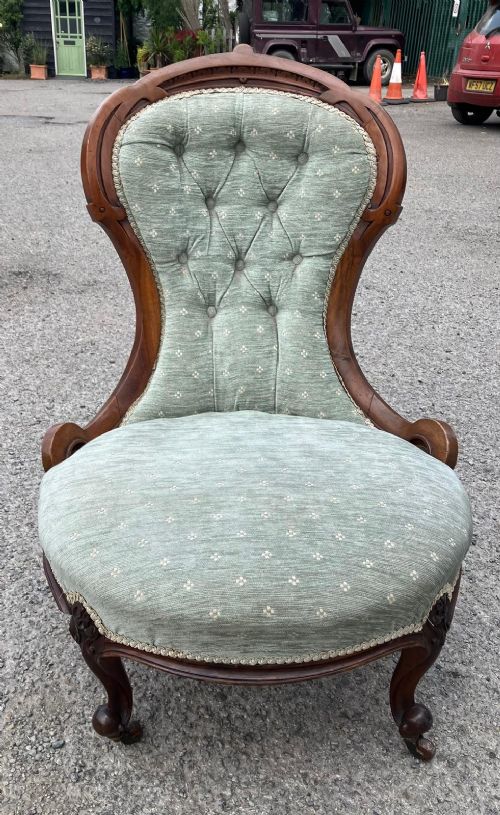
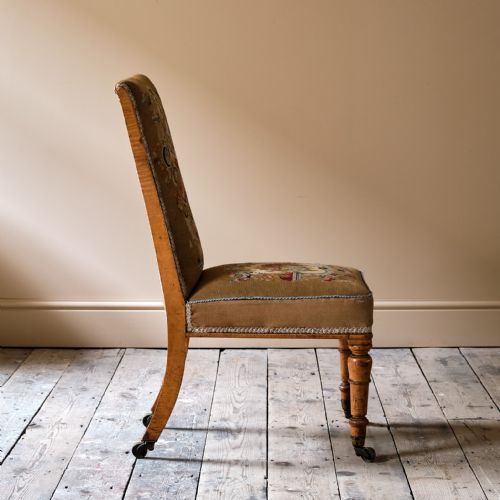
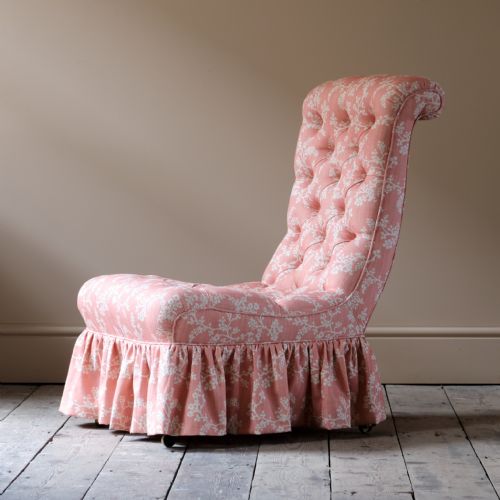
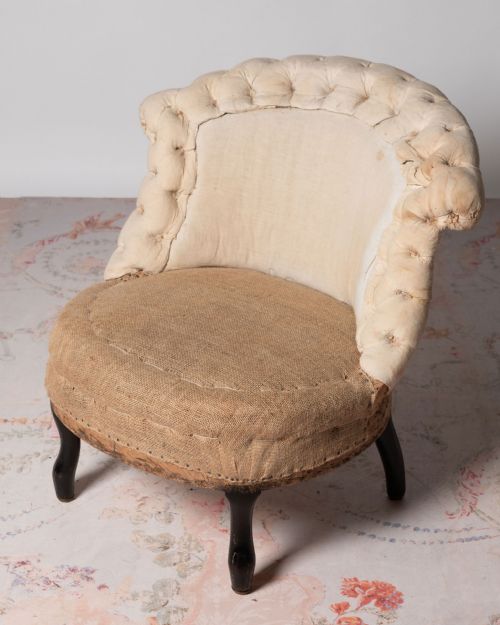
A 19th century slipper chair is a low-seated, often upholstered armchair designed historically for bedrooms and dressing rooms to allow comfortable shoe dressing. The forms seen most frequently on this page span the Victorian era, the broader nineteenth century, and Regency periods, alongside French Napoleon III and aesthetic styles.
Makers and workshops like Gillows, Howard and Sons, and Holland and Sons frequently produced these low-slung bedroom seats in walnut, mahogany, and rosewood. Alongside dedicated slipper chairs, buyers frequently encounter related nineteenth-century seating types such as nursing chairs, tub chairs, and low occasional chairs.
How They Were Made
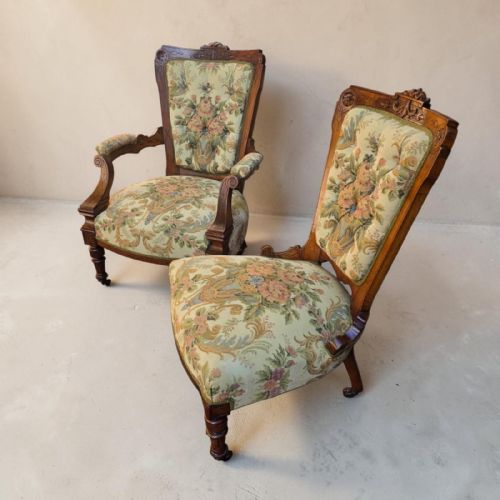
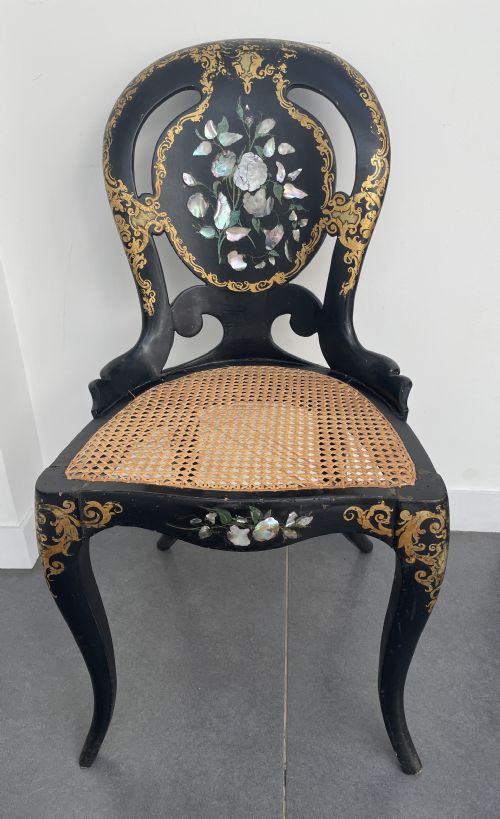
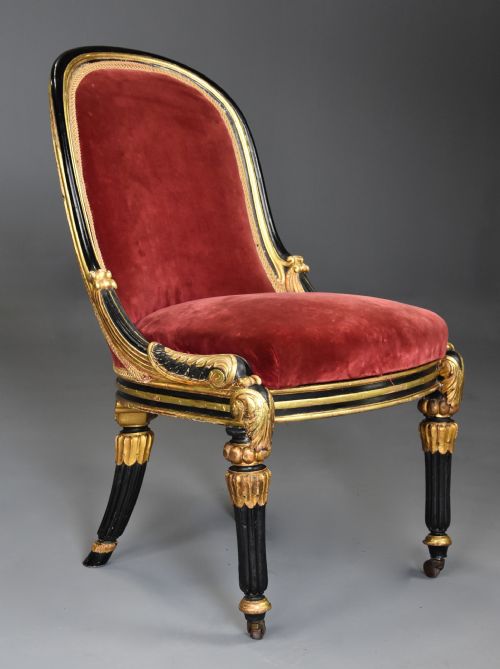
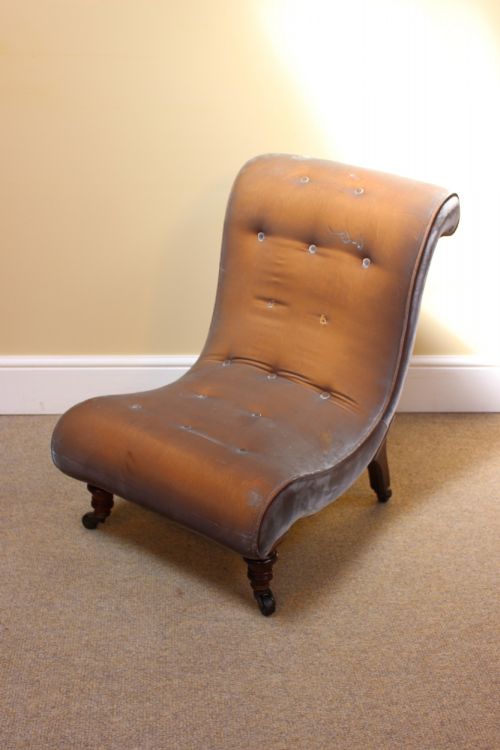
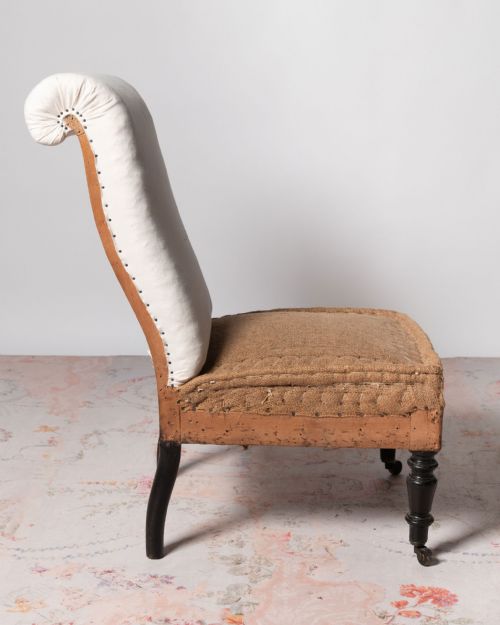
Nineteenth-century cabinet makers built the frames of these low chairs predominantly from dense hardwoods including walnut, mahogany, rosewood, and maple, sometimes embellishing the wood with ebonising, gilding, or mother-of-pearl inlay. Metal elements such as brass castors and iron frames appear on specific country house and scroll-backed variants.
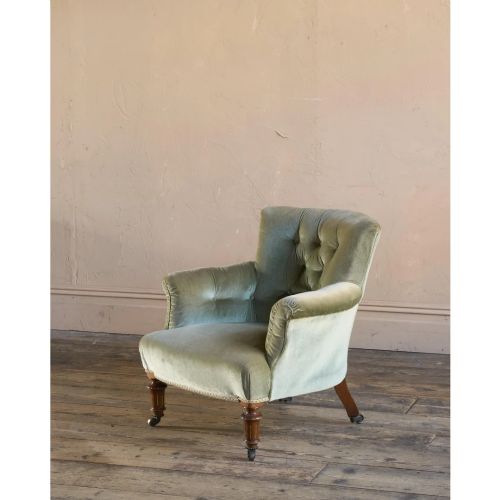
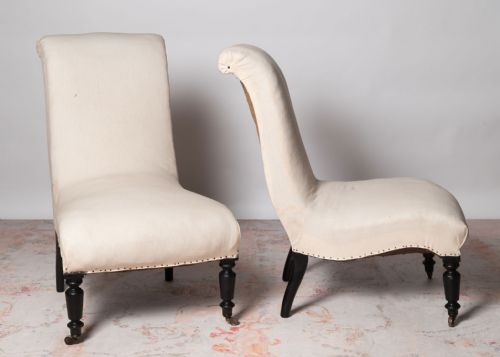
Upholstery defines the character of the piece, utilising traditional springs, stuffing, and varied textile coverings ranging from velvet, tapestry fabric, and wool to vintage cotton and original silk. Frames range from carved walnut and giltwood to simpler turned wooden legs fitted with castors for mobility.
19th Century Slipper Chair Retail Price Guide 2026
Typical asking prices for 19th century slipper chair among the pieces listed under this phrase on Sellingantiques today, from the lower quarter to the upper quarter. They describe what is for sale here now, not the wider market.
Listings feature frames in walnut, mahogany, rosewood, and giltwood, alongside upholstery in velvet, cotton, and tapestry.
What Varies in Quality
The distinction between standard nineteenth-century production and top-tier workshop output lies in the crispness of the frame carving, the selection of timber grain such as figured walnut or birds-eye maple, and documented attribution to premier makers like Gillows or Howard and Sons. Superior examples demonstrate refined proportions in the low seat and scroll back.
Originality of components and upholstery materials heavily influences the standing of a piece, with surviving original fabrics, stamped maker marks, and untouched frames commanding greater interest among collectors compared to heavily altered examples.
Gillows·Howard and Sons·Holland and Sons·Hindley and Sons·R Whytock of Edinburgh·Jas Shoolbred
The 19th Century Slipper Chair Glossary
- Slipper chair
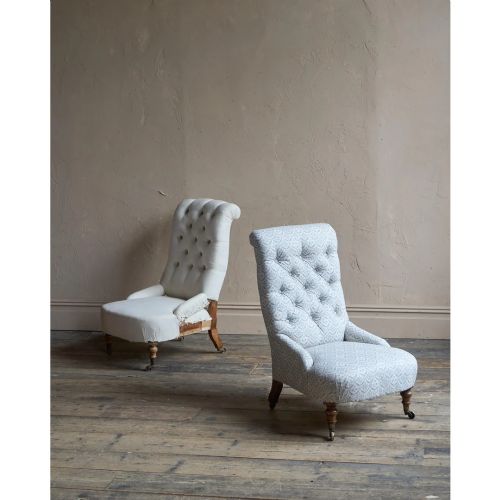
- A low-seated upholstered chair without arms, designed in the nineteenth century for use in a bedroom or dressing room. The low profile made it practical for putting on shoes.
- Nursing chair
- A low upholstered seat traditionally used by Victorian mothers for nursing infants, closely related in form to the slipper chair. These chairs often feature high backs and turned wooden legs.
- Gillows
- A prominent English furniture manufacturing firm operating from Lancaster and London during the eighteenth and nineteenth centuries. Their pieces are known for robust construction and refined cabinet work.
- Napoleon III style
- A French nineteenth-century design style reflecting eclectic revivals of rococo and neoclassical motifs under the Second Empire. Furniture from this movement often incorporates scroll backs and rich gilding.
19th Century Slipper Chair: Frequently Asked Questions
How were slipper chairs used originally?
Victorian ladies utilised these low seats in bedrooms and dressing rooms while putting on shoes and garments. The absence of arms on many variants provided ease of movement for voluminous dresses.
Over time, these versatile chairs moved from private dressing quarters into drawing rooms and boutique hotel interiors.
How do I identify a Victorian slipper chair?
Victorian examples typically feature low frames constructed from walnut, rosewood, or mahogany, often mounted on brass castors. Details like button tufting and scroll backs are common hallmarks.
Many period pieces also bear maker stamps on the wooden frame or castors from firms such as Howard and Sons.
Can I use an antique slipper chair daily?
These nineteenth-century chairs are sturdy enough for regular daily seating when the internal webbing and upholstery are sound. Many pieces retain period springs and padding suitable for modern use.
Buyers frequently choose to retain vintage fabric or reupholster the frame to match contemporary interior palettes.