


Antique Low Accent Chair
An antique low accent chair brings intimacy and period character to a room, offering low-slung seating designed for comfort.
Antique Low Accent Chair
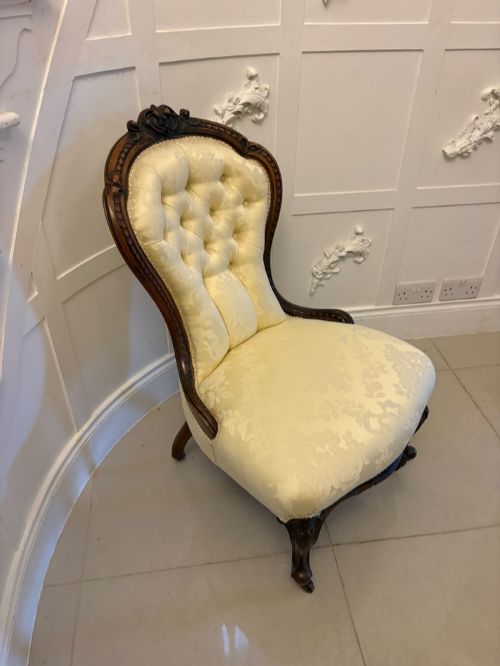
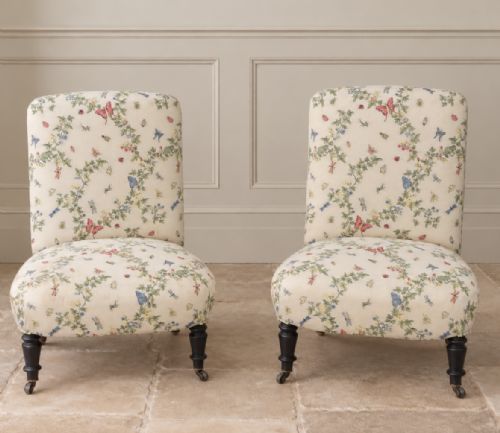
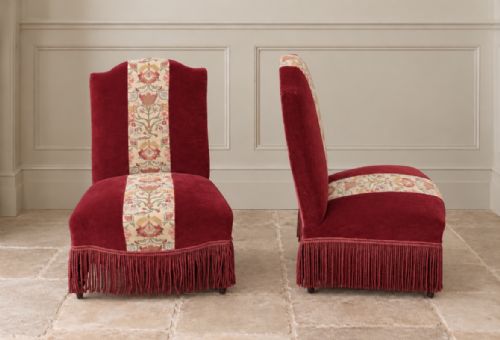
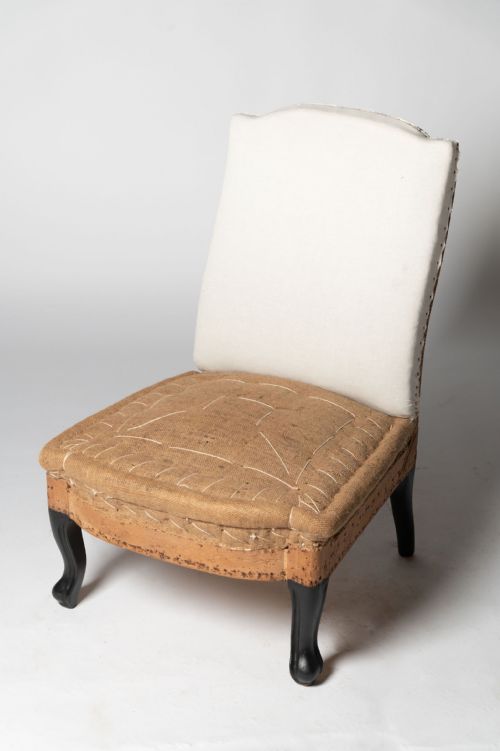
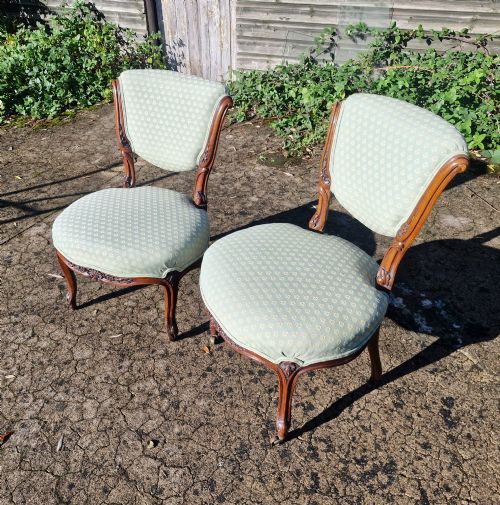
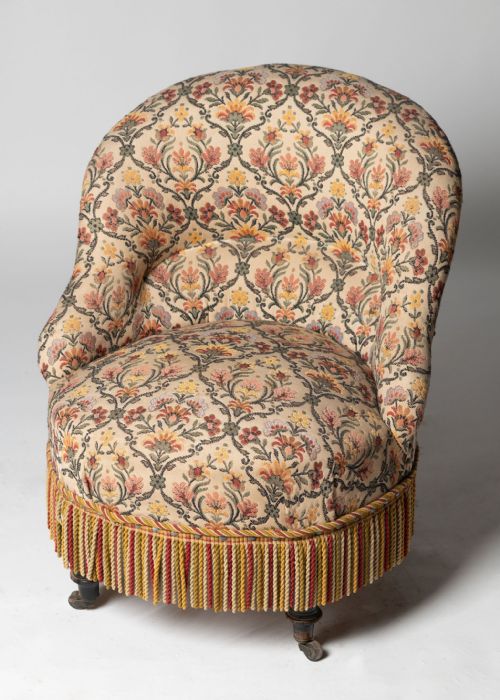
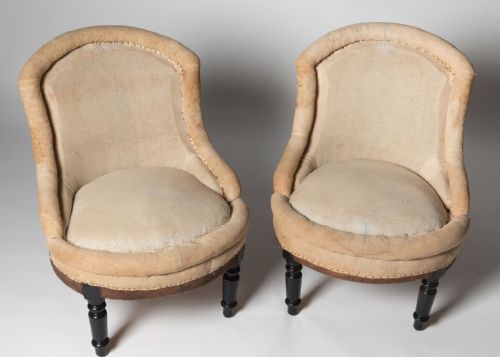
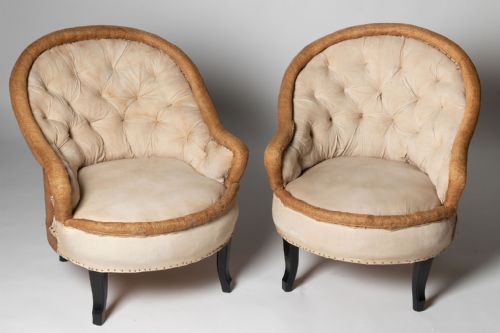
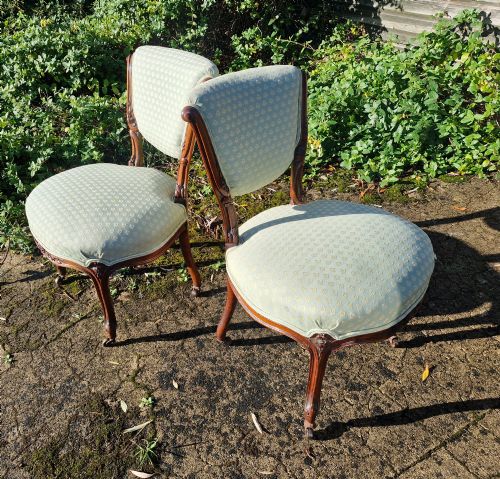
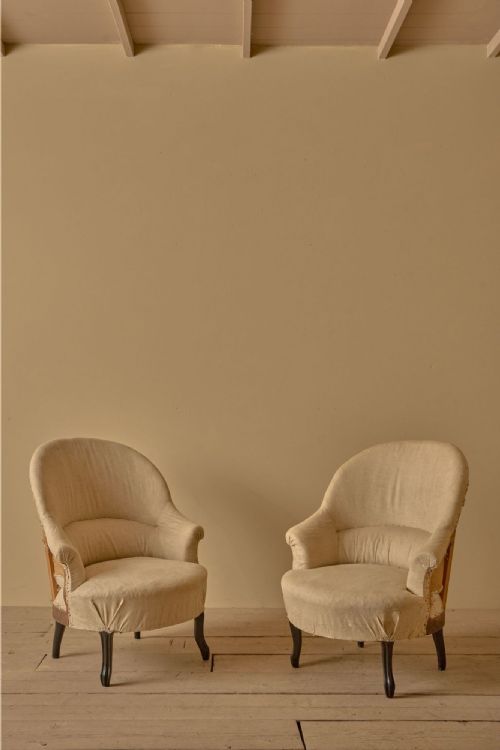
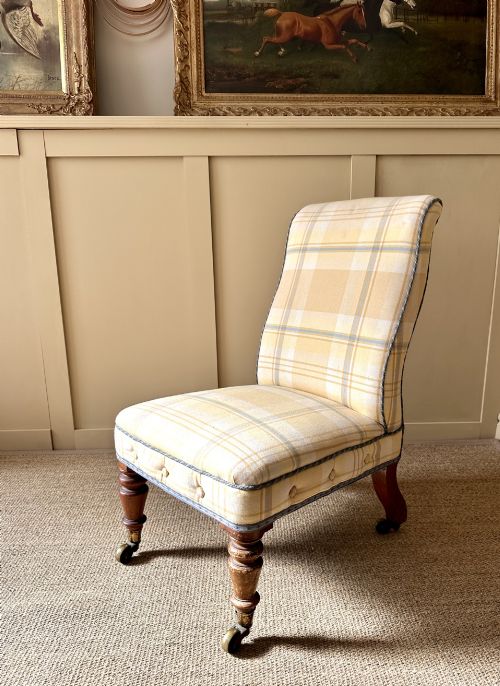
When you search for an antique low accent chair, you encounter a variety of nineteenth-century seating designed for bedrooms, dressing rooms, and salons. These pieces frequently appear as nursing chairs, slipper chairs, and low salon chairs from the Victorian and Edwardian eras. Such seating stands closer to the floor than standard chairs, reflecting the domestic habits and interior styles of the period.
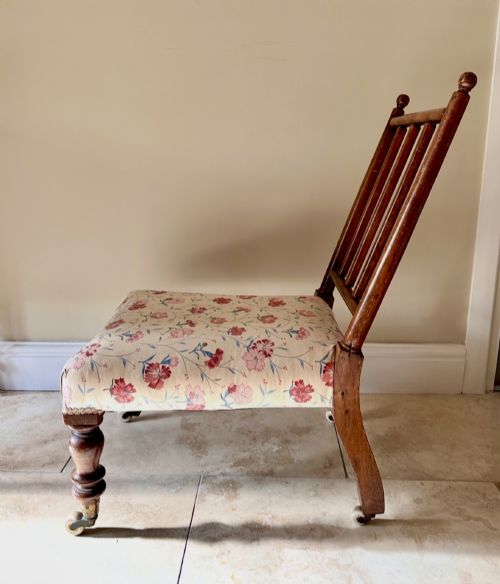
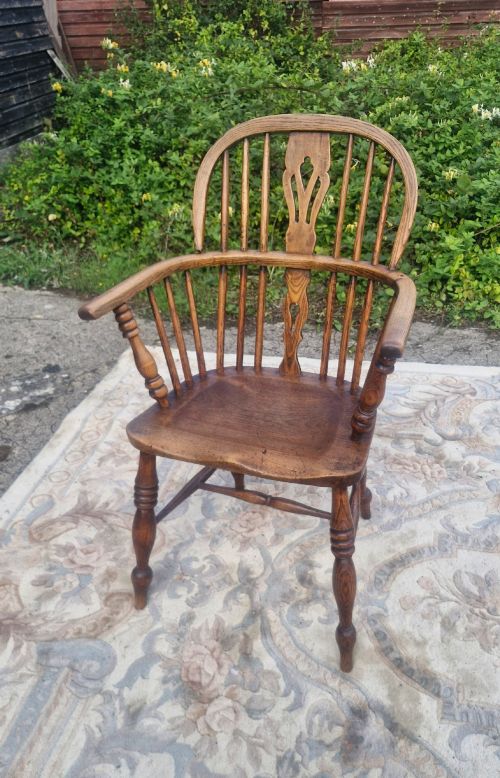
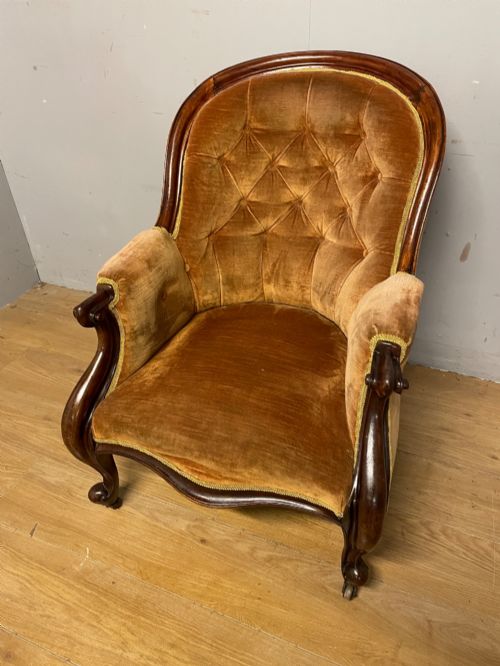
The selection on this page centres heavily on Victorian and nineteenth-century examples, alongside Edwardian designs and George IV pieces. Makers and workshops of the time produced these low chairs in forms ranging from button-back armchairs to rush-seated models and carved walnut ladies chairs. Buyers find everything from intimate bedroom chairs to French scroll-back slipper chairs and English country seating.
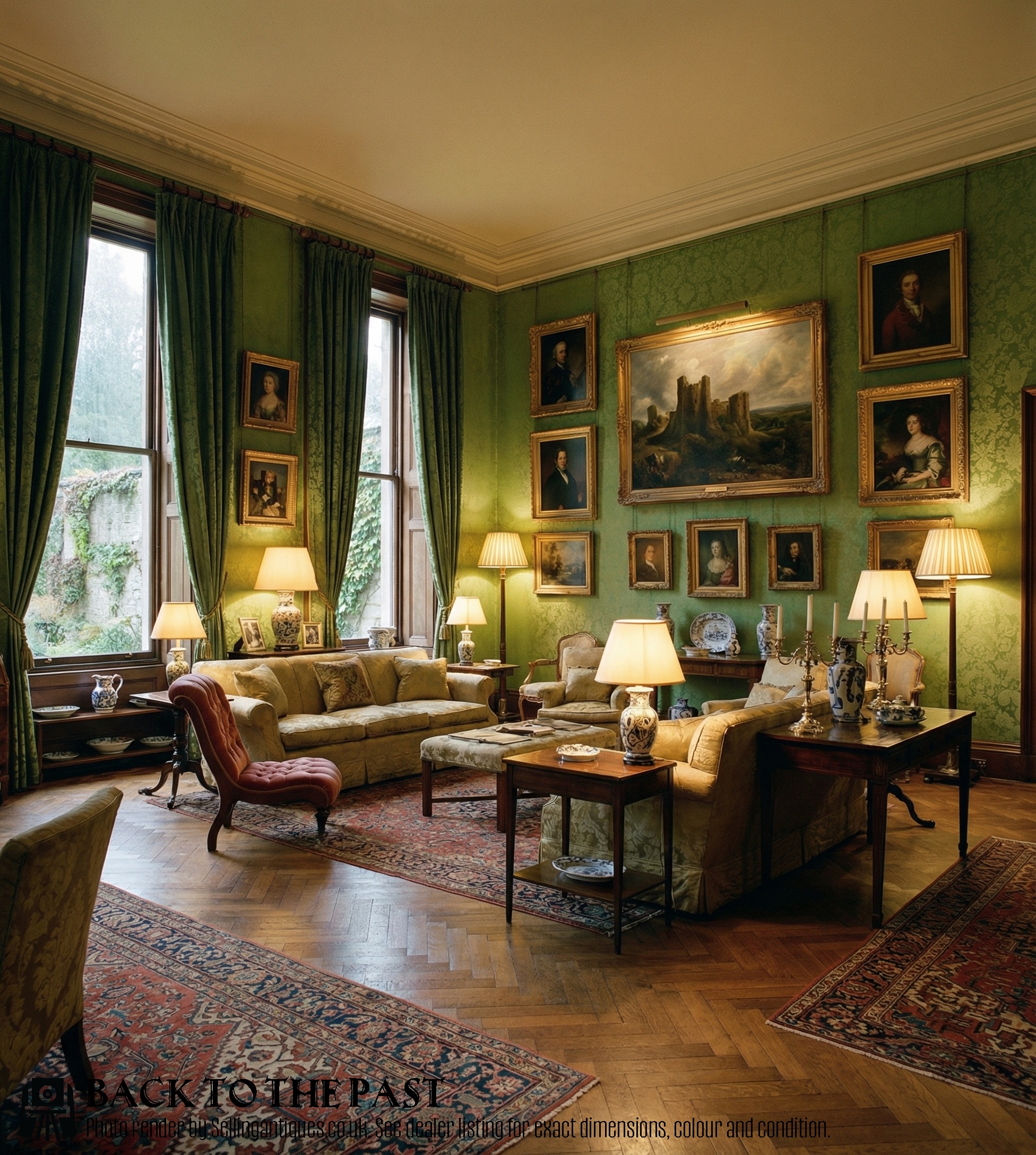
Materials and construction
Frames rely on traditional timbers such as walnut, mahogany, oak, and birch, often shaped with turning or carving. Workshops utilised brass for castors and structural fittings, whilst ebonised wood and birds eye maple appear on specific aesthetic and salon models.
Antique Low Accent Chair Retail Price Guide 2026
Typical asking prices for low accent chair among the pieces listed under this phrase on Sellingantiques today, from the lower quarter to the upper quarter. They describe what is for sale here now, not the wider market.
Several chairs were apparently kept deliberately low so Victorian ladies could tend the fire without scorching their faces.
Judging quality in low seating
The distinction between standard production and superior work rests on the handling of timber and the depth of carving. Finer pieces display crisp hand-carving on walnut or mahogany frames, whilst simpler examples rely on plain turned members.
Proportion and structural integrity dictate the standing of a chair. Pieces that retain their original frame rigidity and balanced low-slung proportions demonstrate the hand of better workshops and makers.
Liberty Morris And Co·Howard And Sons·Hampton And Sons Pall Mall·Gillows
The Antique Low Accent Chair Glossary
- Nursing chair
- A low-seated Victorian chair originally designed to allow women to nurse infants in comfort near a fireplace. These chairs typically feature a low seat and an upholstered back.
- Slipper chair
- An upholstered chair with a low seat, traditionally used in dressing rooms for putting on shoes. They usually lack arms to accommodate voluminous nineteenth-century garments.
- Button back
- An upholstery technique where buttons are pulled deep into the padding to create a quilted diamond pattern. This method adds structural tension and distinct visual rhythm to the backrest.
- Ebonised
- Wood treated with a dark stain or finish to imitate ebony. This technique gained popularity during the nineteenth century, particularly in Aesthetic Movement and Napoleon III pieces.
Antique Low Accent Chair: Frequently Asked Questions
What is an antique low accent chair used for today?
These pieces serve well in bedrooms, dressing rooms, and corners of sitting rooms where standard height seating feels too dominant. Their compact proportions allow them to fit easily into smaller spaces.
They also function effectively as occasional seating in living areas, adding period texture and a distinct silhouette without blocking sightlines across a room.
How do I identify a Victorian nursing chair?
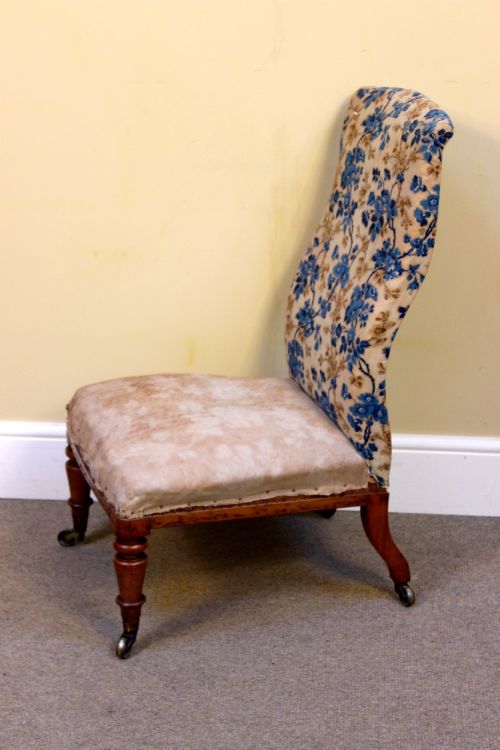
Victorian nursing chairs are characterised by their noticeably low seats and often lack arms to accommodate the wide dresses of the period. They frequently feature button-backed upholstery and turned wooden legs.
Many examples also include original brass castors, allowing the chair to be moved easily across carpets near the hearth.
Are slipper chairs and nursing chairs the same thing?
While both share a low-slung profile, slipper chairs traditionally originated in the bedroom or dressing room for changing footwear. They typically feature a higher back and no arms at all.
Nursing chairs were built with comfort near the fire in mind, sometimes incorporating low wooden arms or elaborate carved walnut frames tailored for the parlour.
What wood types should I expect to find?
Walnut and mahogany dominate the better nineteenth-century examples, often featuring in Victorian parlor and salon seating. Oak and beech appear more frequently in country and Arts and Crafts models.
Selected pieces utilise exotic woods like birds eye maple or feature ebonised finishes designed to emulate expensive ebony.