
Tufted Accent Chair
A tufted accent chair brings nineteenth-century comfort and traditional upholstery to a room through buttoned fabric and classic timber frames.
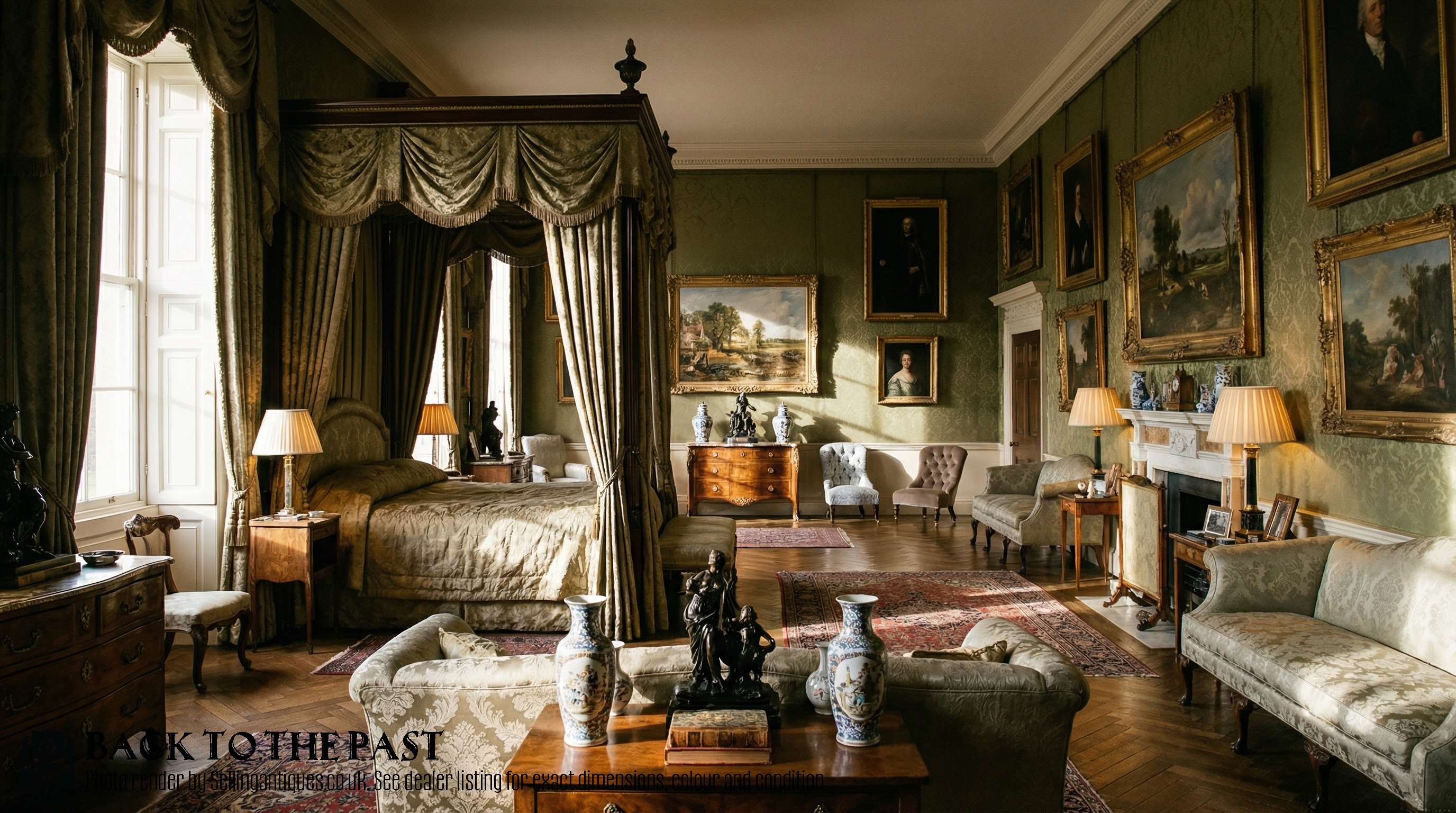
Understanding the tufted accent chair
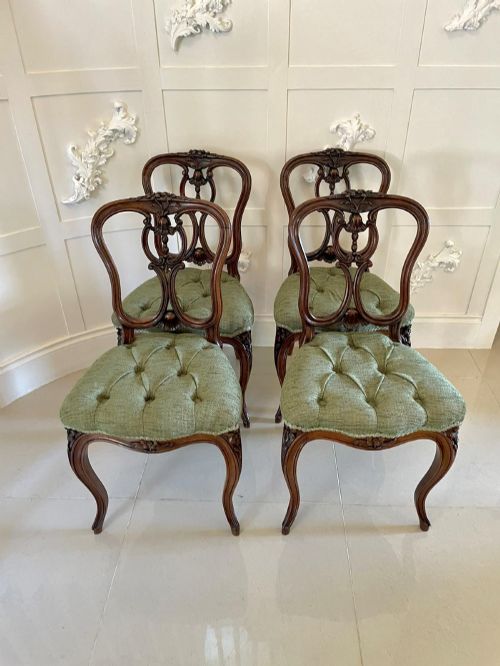
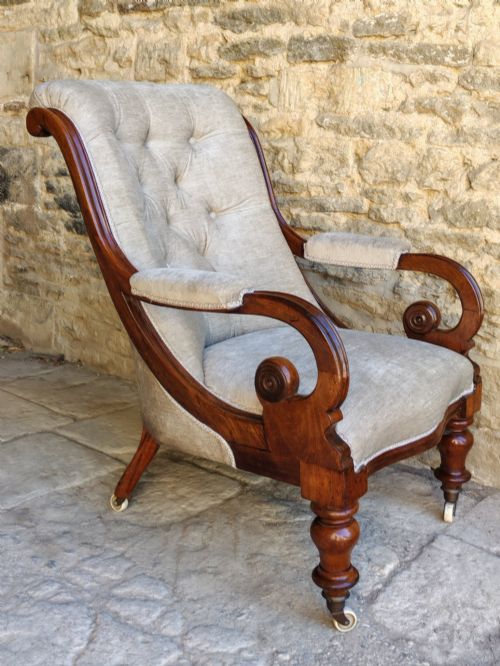
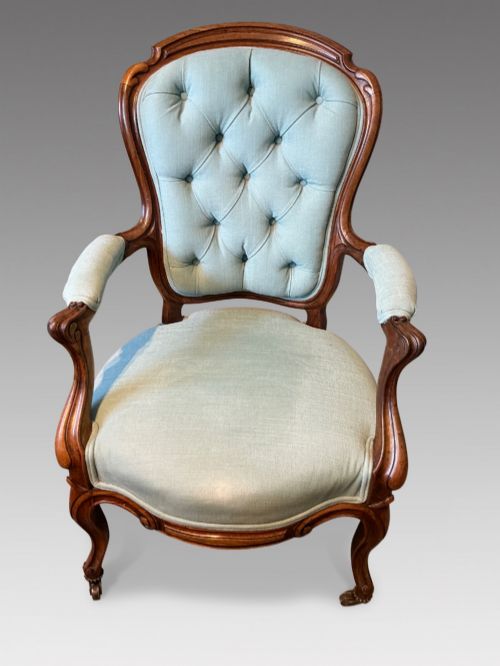
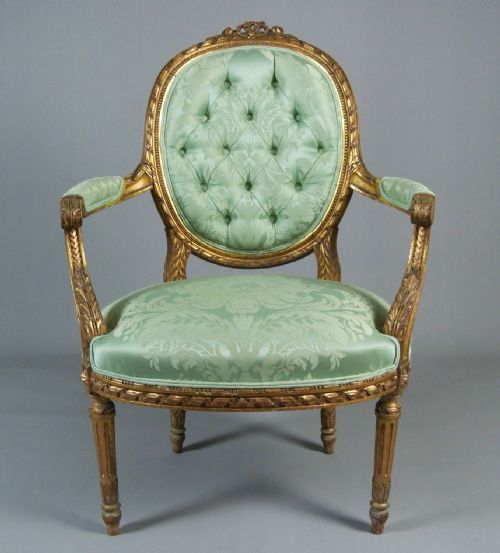
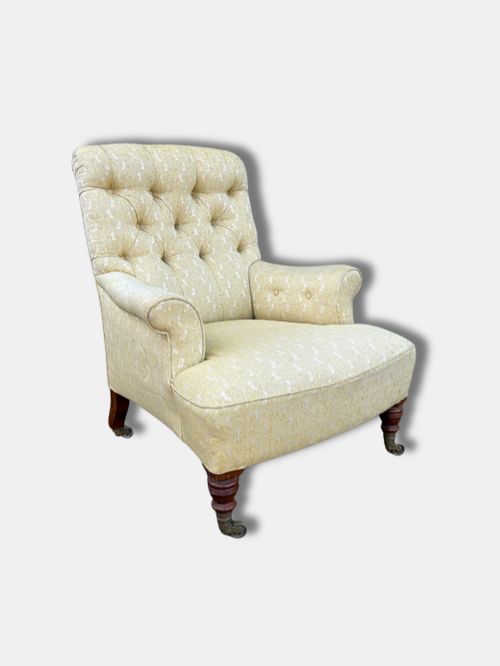
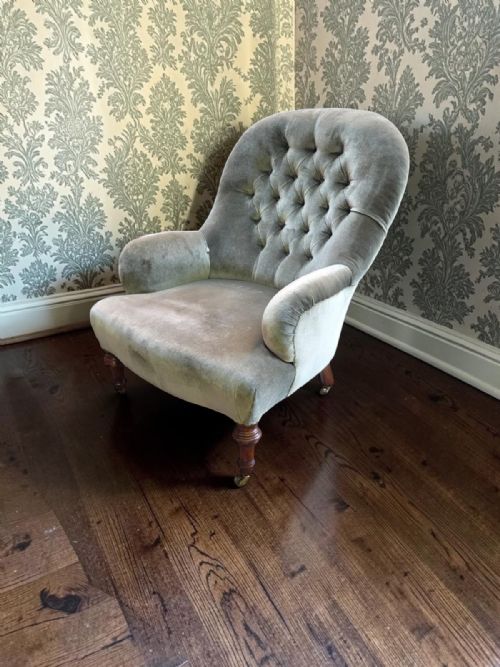
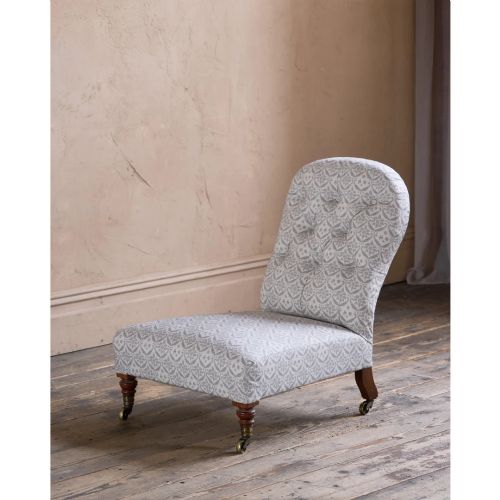
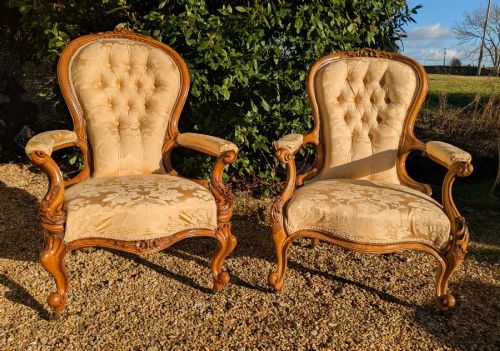
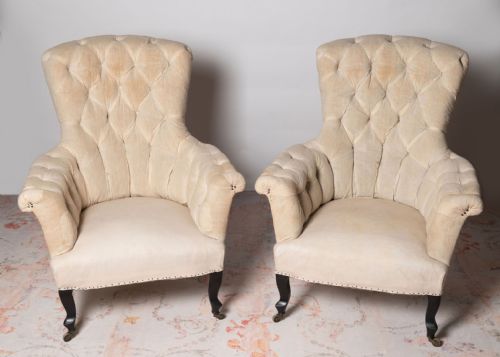
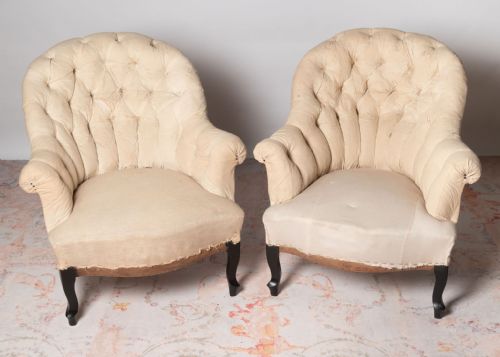
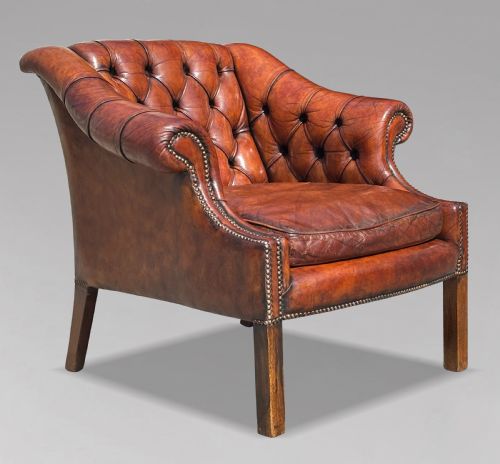
A tufted accent chair encompasses nineteenth-century seating forms including drawing room chairs, occasional chairs, spoon back country house armchairs, and bedroom chairs. These pieces originate from English and French traditions, spanning the Victorian and Regency periods up to nineteen-ten.
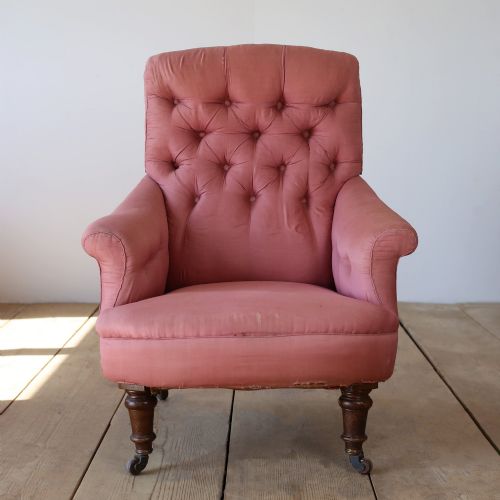
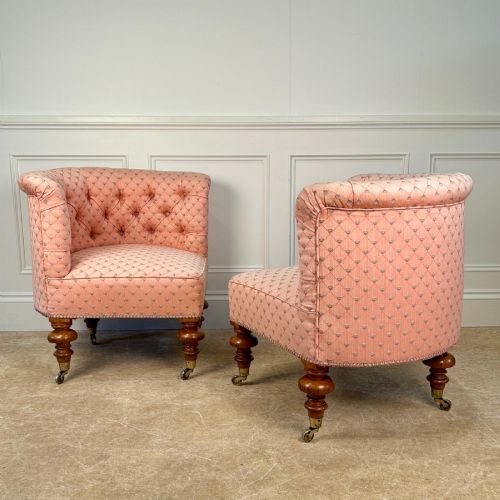
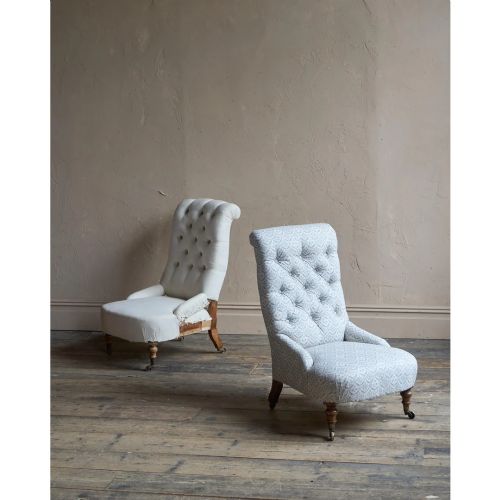
The most common formats on this page are Victorian upholstered occasional chairs and nineteenth-century armchairs. Their designs range from low-slung bedroom chairs to practical desk chairs and pairs of seating designed for formal drawing rooms.
Materials and construction
Frames rely on hardwood and mahogany, joined to support upholstered bodies and exposed timber elements. These materials provide the structural integrity required for button-backed seating.
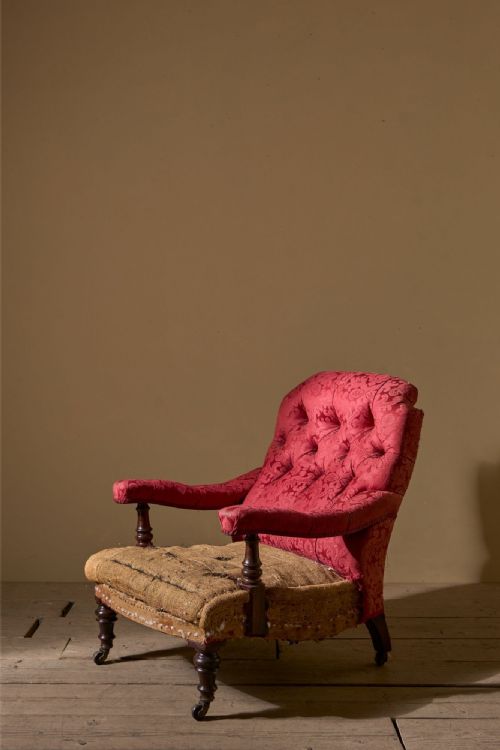
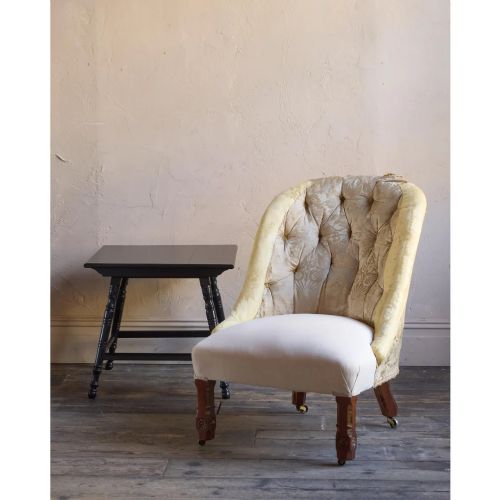
Upholstery employs velvet, damask, and general fabric finishes secured with traditional buttoning techniques. Metal elements such as brass appear alongside ceramic components on specific designs.
Retail Price Guide 2026
Typical UK retail prices for tufted accent chair, calculated from the Sellingantiques database of over a million retail prices indexed since 2003. This retail price guide relies exclusively on Sellingantiques data; no external sources or auction records are used, so the figures do not describe the wider market.
Early bedroom chairs occasionally feature low seats designed to accommodate voluminous Victorian skirts.
Assessing quality
The standard of a tufted accent chair rests on the execution of its button upholstery and the choice of textile cover. Rich velvets and damasks paired with precise tufting elevate the piece above simpler fabric treatments.
Frame selection dictates the structural calibre, distinguishing solid mahogany and hardwood constructions from simpler timbers. The integration of refined styles like Regency and Napoleon III influences the overall elegance of the chair.
Howard and Sons
The Tufted Accent Chair Glossary
- Tufted
- Upholstery pulled tight and secured with buttons in a geometric pattern. This technique creates deep indentations across the backrest of the chair.
- Spoon back
- A padded chair back shaped like the bowl of a spoon. It curves gently to support the human form.
- Occasional chair
- A movable seat designed for use in various rooms rather than as permanent primary seating. These pieces often serve aesthetic purposes in corners or bedrooms.
- Mahogany
- A durable tropical hardwood prized for its deep reddish-brown tone and fine grain. It forms the primary structural material for many nineteenth-century frames.
- Damask
- A reversible figured fabric woven on a jacquard loom with patterns visible on both sides. It provides a textured surface distinct from plain velvet.
Frequently Asked Questions
What is a tufted accent chair?
A tufted accent chair is a nineteenth-century seating form featuring button-upholstered fabric and timber frames. These pieces function as occasional, desk, or drawing room chairs.
They combine traditional upholstery methods with historical styles such as Victorian and Regency. The buttoning secures the padding while creating a decorative pattern across the backrest.
How do I date a tufted accent chair?
Dating involves examining the timber types, upholstery styles, and overall frame proportions. Nineteenth-century pieces often display mahogany or hardwood construction alongside specific Victorian or Regency design motifs.
Changes in silhouette and textile choices help place pieces into eras such as the Victorian period or nineteen-ten. Comparing the joinery with known historical examples provides further clarity.
Where should I place a tufted accent chair?
These chairs suit drawing rooms, bedrooms, and studies where occasional seating is required. Their decorative upholstery allows them to act as focal points in empty corners or beside fireplaces.
Desk chairs function effectively in workspaces, while bedroom chairs complement dressing tables. Pairs of chairs can anchor larger seating arrangements.
What materials are used in these chairs?
Frames consist primarily of mahogany and hardwood, providing a sturdy skeleton for the upholstered components. Brass and ceramic details sometimes appear on castors or decorative mounts.
Upholstery materials include velvet and damask alongside standard fabrics. These textiles cover deep buttoning that defines the visual character of the seating.