

Antique Low Back Chair
An antique low back chair offers a compact, inviting seat designed for firesides, bedrooms, and studies across the Victorian and Edwardian periods.
Antique Low Back Chair
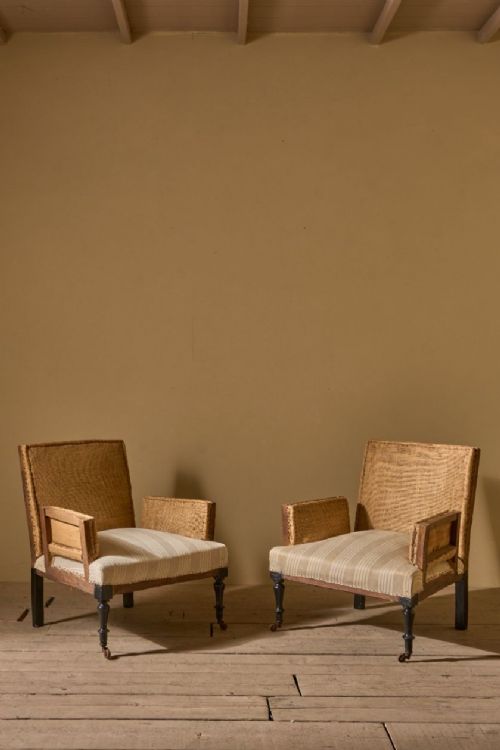
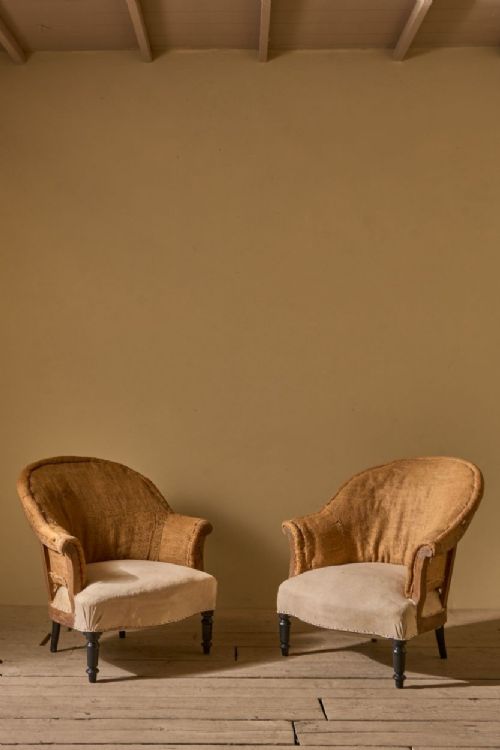
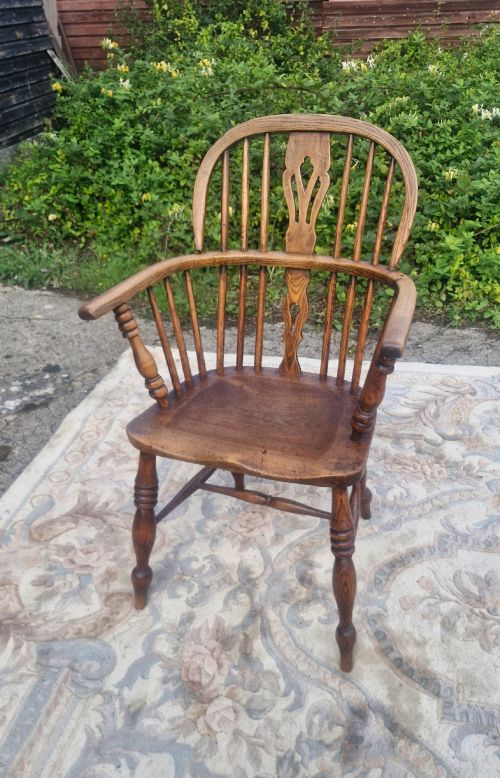
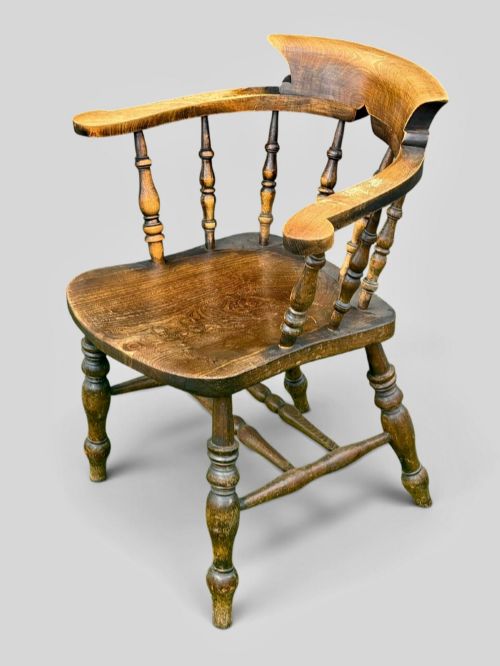
When you search for an antique low back chair, you encounter a wide variety of seating forms spanning the eighteenth, nineteenth, and early twentieth centuries. These encompass wooden country Windsor chairs, low-slung nursing and slipper chairs, and deep-sprung upholstered armchairs designed for relaxation.
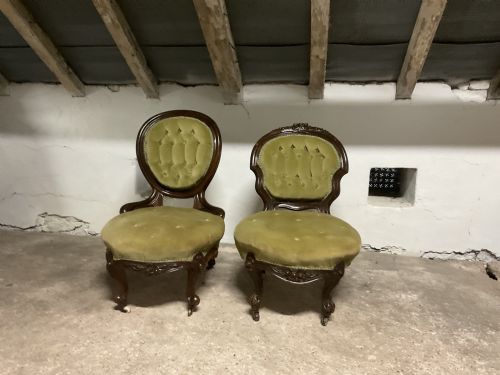
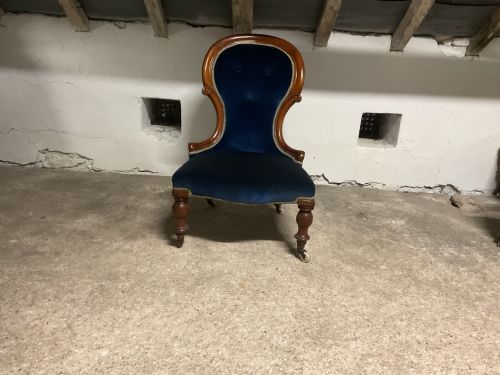
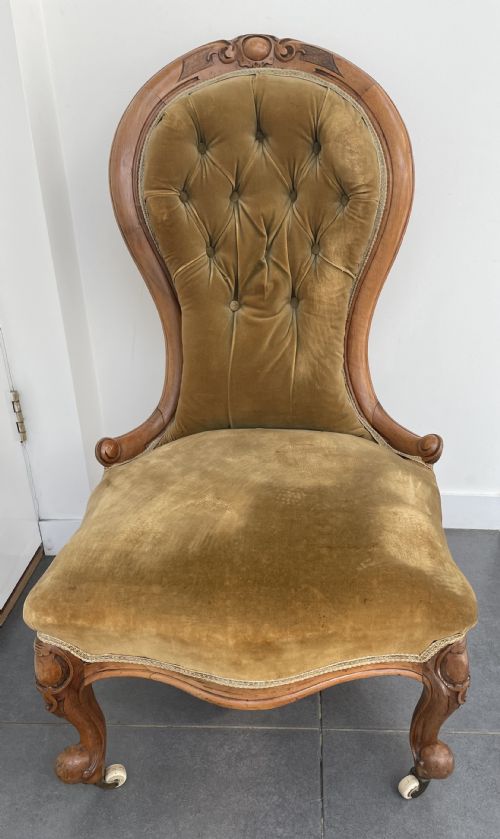
The version you are most likely to meet on this page is a nineteenth-century Victorian or Edwardian example, executed either in robust country timbers like elm and yew or shaped as a low upholstered bedroom and nursing chair in walnut, mahogany, or beech.
How they were made
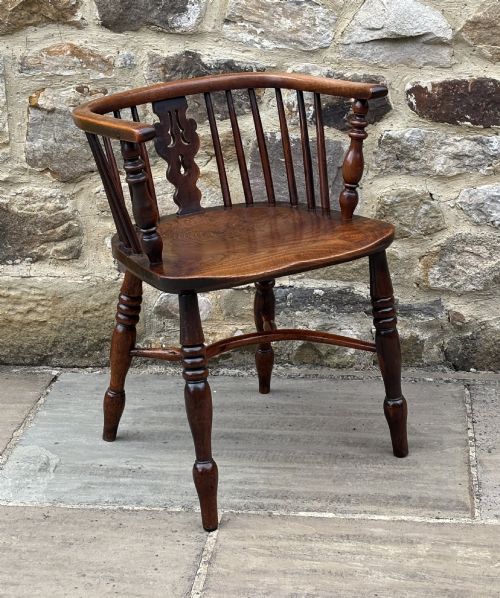
Cabinetmakers and country joiners built wooden examples using traditional techniques, turning local timbers like ash, elm, yew, and beech for spindle backs, steam-bent hoops, and sturdy crinoline stretchers.
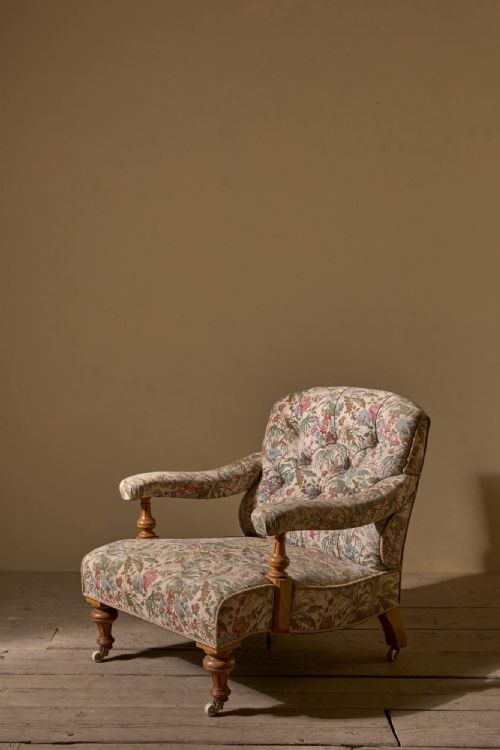
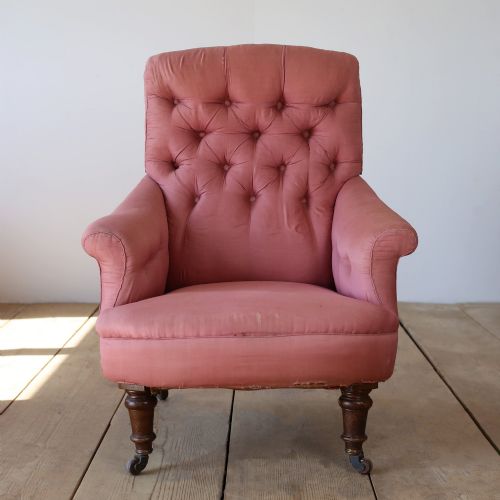
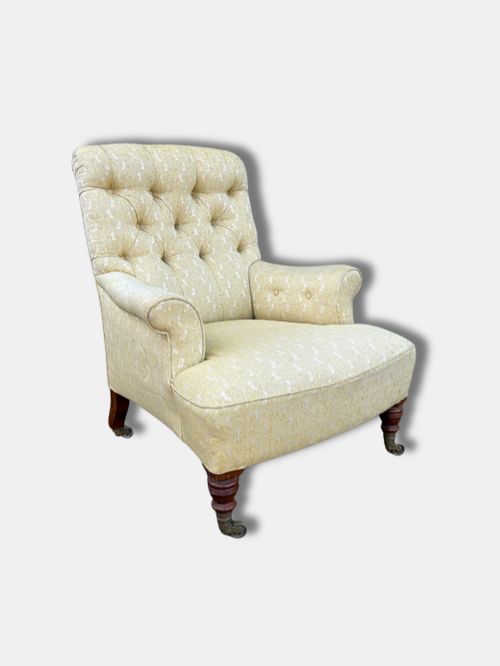
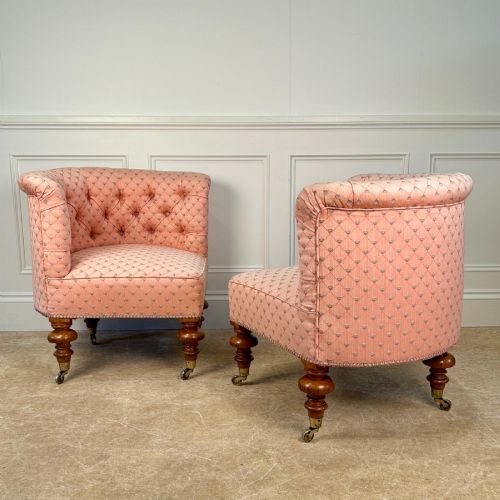
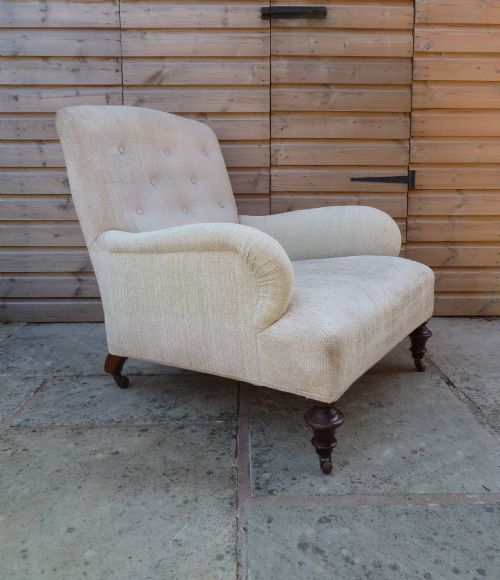
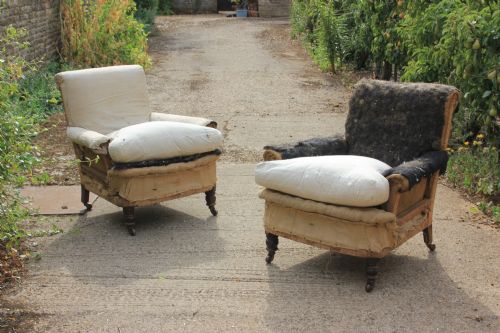
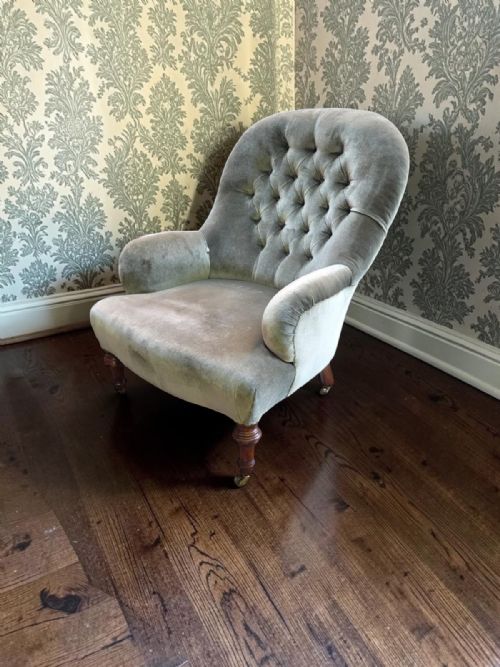
Upholstered forms relied on substantial hardwood frames in walnut, mahogany, and oak, padded with horsehair and finished with buttoned silk velvet, calico, or printed fabric coverings.
Listings feature eighteenth-century elm and yew country pieces alongside nineteenth-century walnut and mahogany upholstered specimens.
What varies in quality
The distinction between ordinary and exceptional seating lies in the integrity of the timber selection, the crispness of turned components, and the original proportion of the low frame. Finer upholstered pieces demonstrate superior internal springwork and balanced proportions that support comfort without bulk.
Country Windsor versions reveal quality through the complexity of their spindle arrangements, the grain patterns in the yew or elm seats, and the structural tightness of their wedge-joined legs.
Howard and Sons·Gillows of Lancaster·C. Hindley and Sons·Morris and Co
The Antique Low Back Chair Glossary
- Windsor chair
- A wooden chair constructed with a solid sculpted wooden seat into which the legs and back spindles are directly wedged. These vernacular seats often feature bentwood hoops and elm or yew construction.
- Nursing chair
- A low-seated upholstered chair designed originally for nursery use or comfortable fireside sitting. They often feature buttoned backs and short turned legs.
- Smokers bow
- A robust nineteenth-century Windsor-style armchair with a low curved back rail terminating in small arm scrolls. They are frequently found in robust ash, elm, and beech.
- Button back
- An upholstery style where depressions are formed in the padding by stitches pulled tight and secured with fabric-covered buttons. This secures the internal filling and creates a patterned surface.
- Crinoline stretcher
- A curved under-stretcher linking the legs of a Windsor chair to provide structural rigidity. It is typical of mid-nineteenth-century country workshops.
Antique Low Back Chair: Frequently Asked Questions
What is a low back chair?
A low back chair is a compact seating form designed with a reduced back height for specific domestic tasks or intimate spaces.
They range from wooden country Windsor chairs used in kitchens and studies to low upholstered nursing and slipper chairs placed in bedrooms.
Where were low back chairs used?
These chairs served various rooms depending on their construction, finding places beside bedroom hearths, in nurseries, or around parlour tables.
Wooden variants typically belonged to country houses and farmhouses, while upholstered versions suited formal drawing rooms.
How do I date a Windsor chair?
Dating involves examining the wood species, turning styles, and construction marks left by the maker or workshop.
Earlier nineteenth-century examples often combine yew wood with elm seats and feature distinctive crinoline stretchers beneath.
Are upholstered chairs comfortable?
Upholstered nineteenth-century examples often utilise deep-sprung internal construction designed for extended lounging.
Makers such as Howard and Sons specialised in deeply padded seating supported by sturdy hardwood frames.