
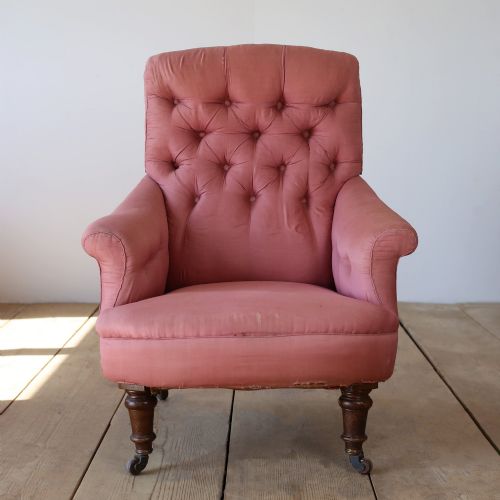
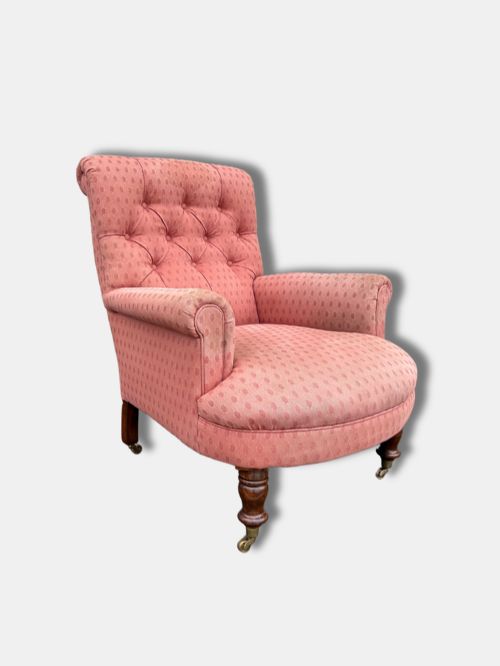
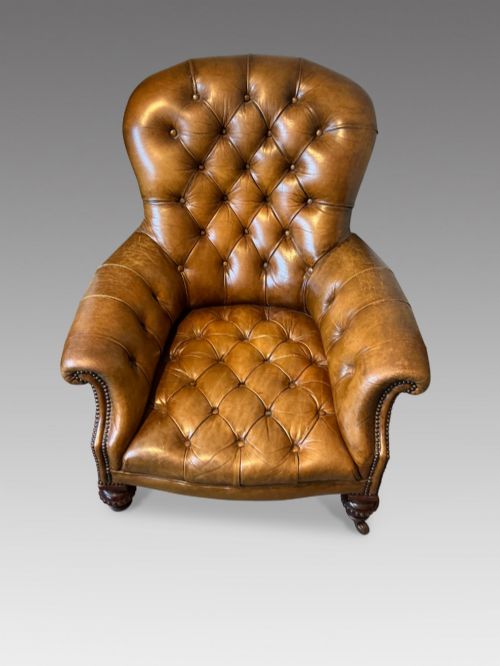
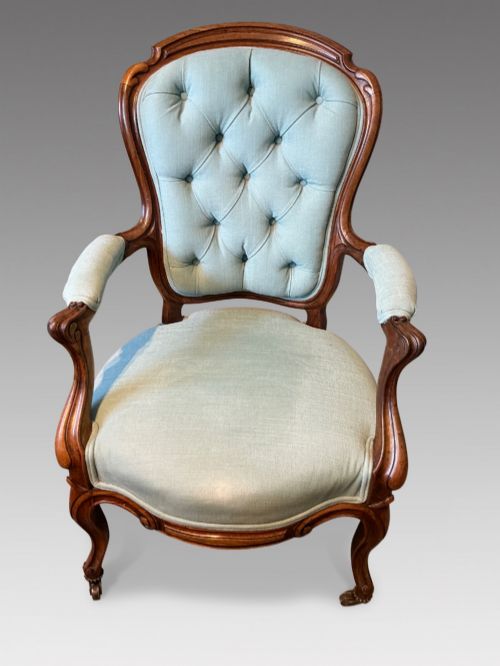
Victorian Button Back Seating
Victorian button back seating brings deep-buttoned upholstery together with sturdy timber frames to create comfortable chairs and sofas.
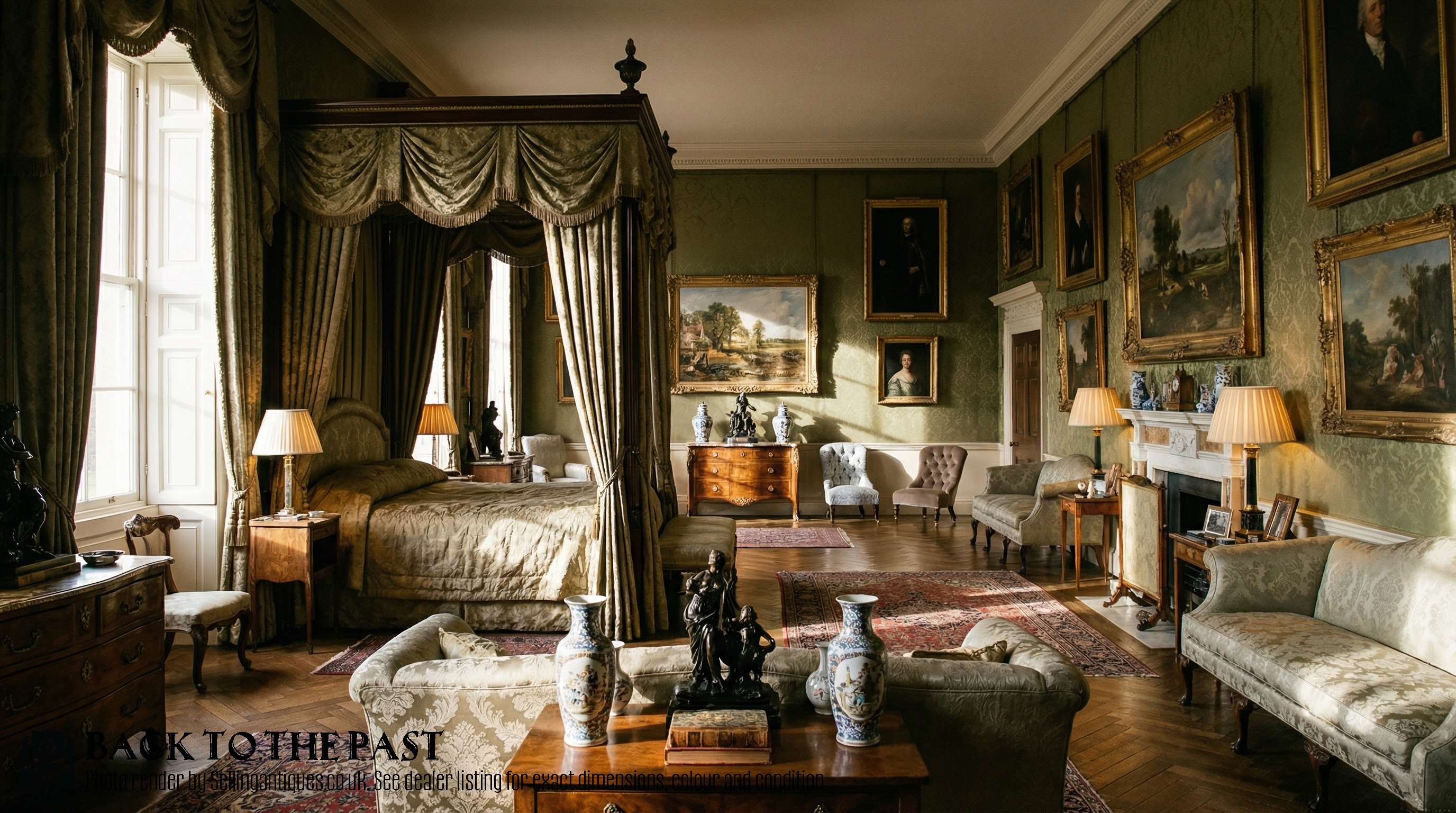
Victorian Button Back Seating
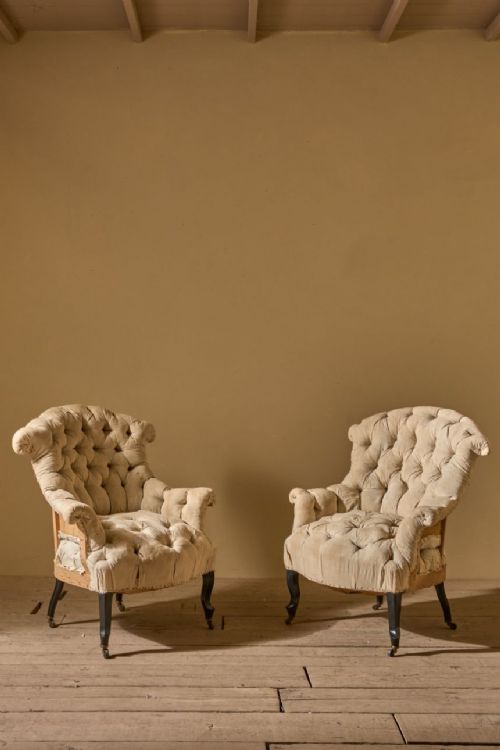
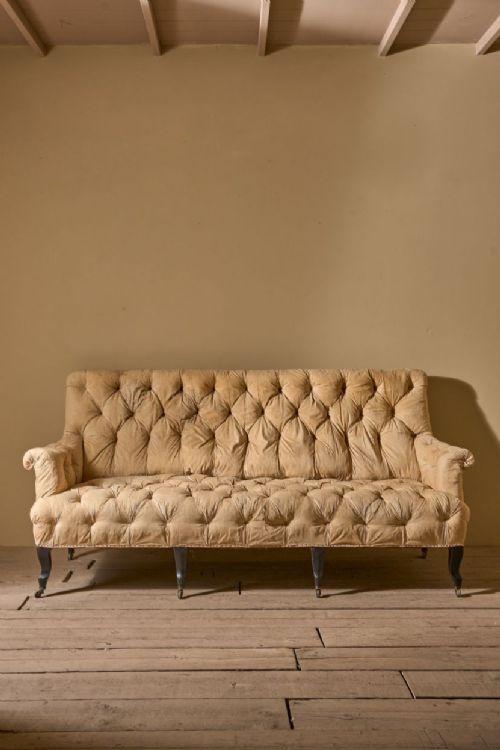
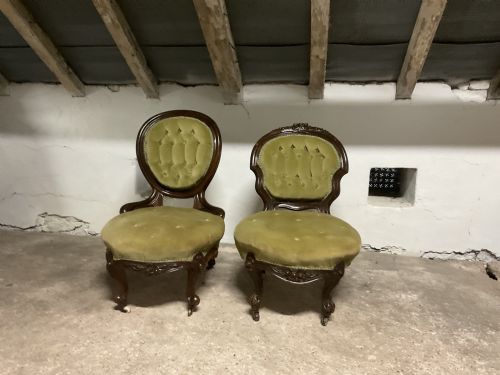
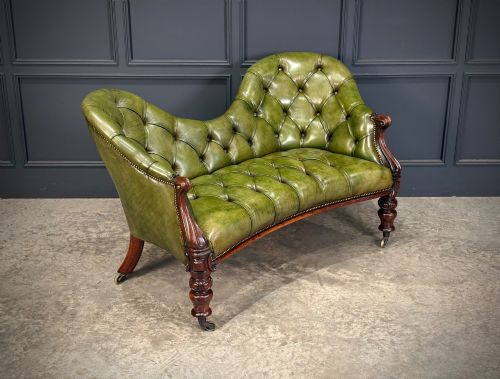
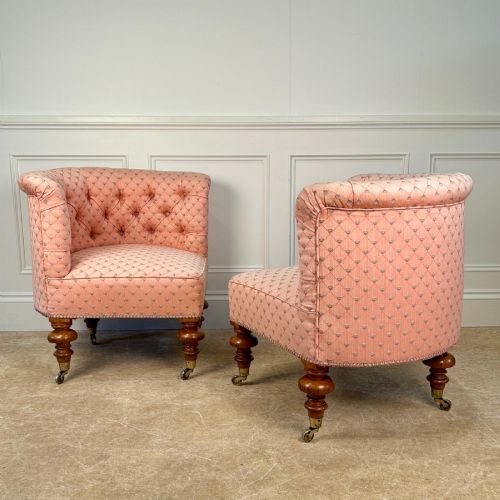
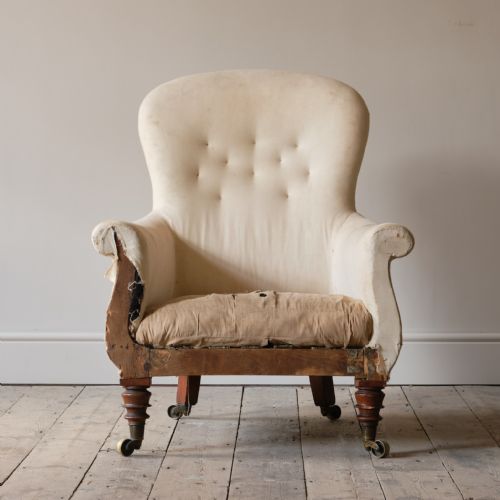
Victorian button back seating comprises armchairs, nursing chairs, slipper chairs, sofas, and settees built during the nineteenth century. These pieces combine deep buttoning with various timber frames.
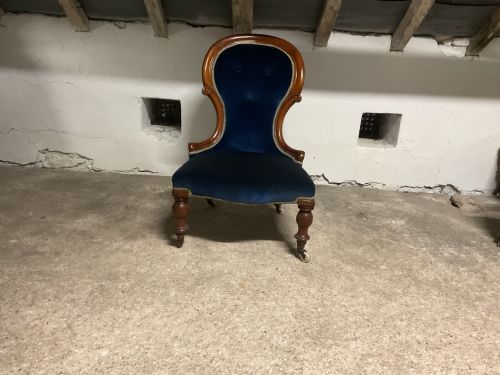
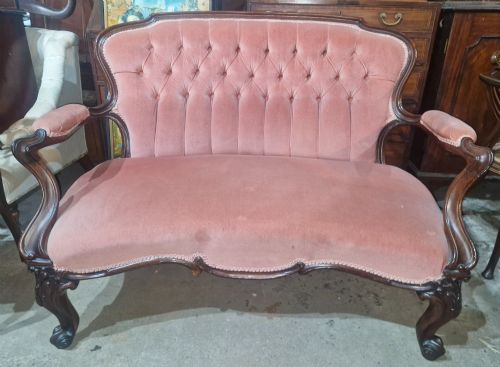
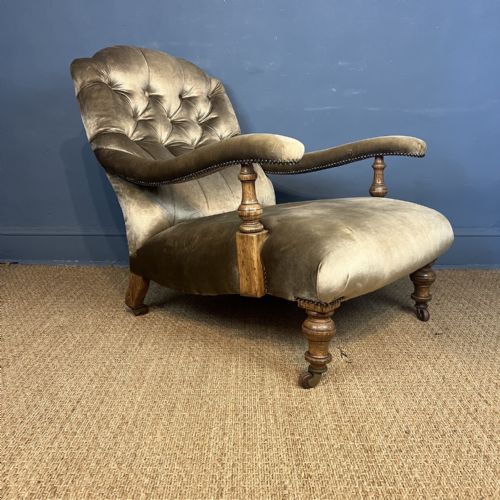
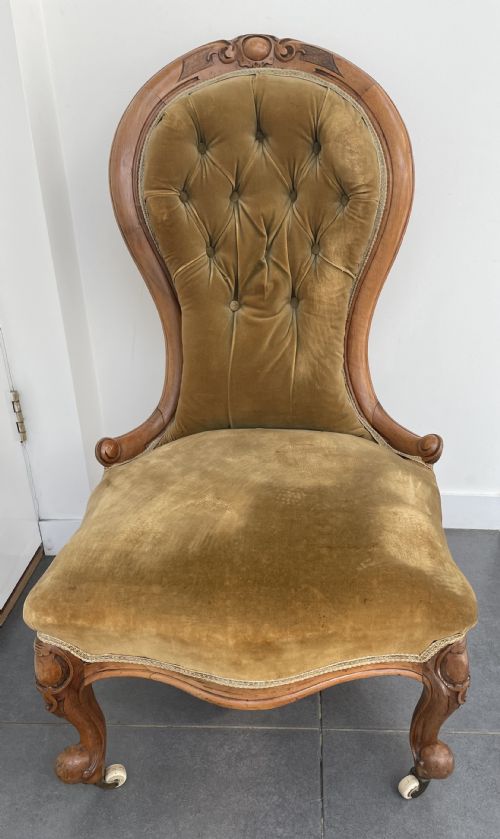
The version most commonly met on this page is the Victorian armchair or nursing chair featuring a low seat and an upholstered back. Makers also produced larger settees and conversation sofas in this style.
Makers drew on periods like the Regency and William IV, alongside styles such as Rococo Revival and English Country House. Pieces range from walnut occasional chairs to large oak open armchairs.
Materials and construction
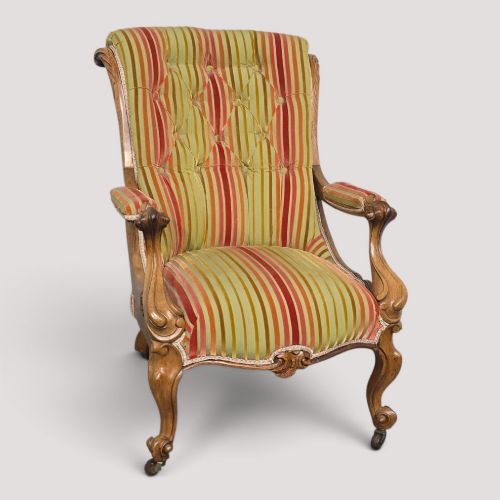
Cabinet makers utilised hardwoods such as mahogany, walnut, rosewood, oak, and general wood for the structural frames. These timbers were carved or turned into library armchairs, desk chairs, and corner chairs.
Upholsterers applied fabric, leather, velvet, and metal components to secure the deep buttoning across the seat backs. Brass details and wooden legs completed the construction of these items.
Periods represented span the Regency, Victorian, and Edwardian eras, alongside stylistic influences from the English Country House.
Judging the work
The distinction between standard items and superior examples rests on the depth of carving in the rosewood or walnut frames and the precision of the buttoned upholstery. Exhibition quality suites demonstrate finer timber selection and intricate detail.
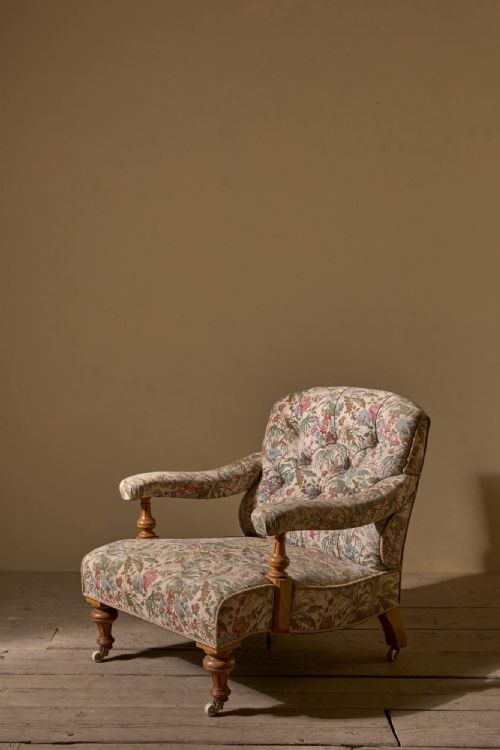
Sturdiness of the wood joinery and the selection of covering materials, whether smooth leather or patterned fabric, set individual pieces apart. The integration of aesthetic movement legs or carved mahogany frames marks out more ambitious workshops.
Howard and Sons·Gillows
The Victorian Button Back Seating Glossary
- Button back
- A style of upholstery where tucks are pulled tight with buttons arranged in a geometric pattern across the padded surface. This technique creates deep cushions and a tailored finish.
- Nursing chair
- A low-seated chair designed for comfort, traditionally used in bedrooms or nurseries during the nineteenth century. They often feature an open or spoon back.
- Settee
- A long upholstered seat with a back and arms, designed to accommodate multiple people. These appear in various nineteenth century styles alongside matching sofas.
- Spoon-back
- A chair back shaped like the bowl of a spoon, curved to fit the human spine. This form is frequently seen in walnut and rosewood parlor seating.
- Library armchair
- A sturdy, heavy armchair intended for reading rooms, typically constructed from mahogany or oak with supportive arms. They often feature leather upholstery.
Victorian Button Back Seating: Frequently Asked Questions
Where were nursing chairs used?
Nursing chairs were traditionally kept in bedrooms or private sitting rooms for comfortable seating close to the floor.
Their low seats made them practical for tending to children or sitting by a bedroom fire.
How do I identify a Victorian sofa?
Victorian sofas often display dark timber frames in mahogany, walnut, or rosewood, paired with carved details and sprung upholstery.
They appear in various forms, from compact buttoned settees to larger library and conversation pieces.
What woods were used in these chairs?
Cabinet makers built frames using hardwoods like mahogany, walnut, rosewood, and oak.
These timbers were selected for their strength and suitability for carving intricate shapes on armchairs and settees.