

Victorian Velvet Armchair
When you search for a victorian velvet armchair, you find nineteenth-century seating built from dense hardwoods and upholstered in plush textiles.

Victorian Velvet Armchair
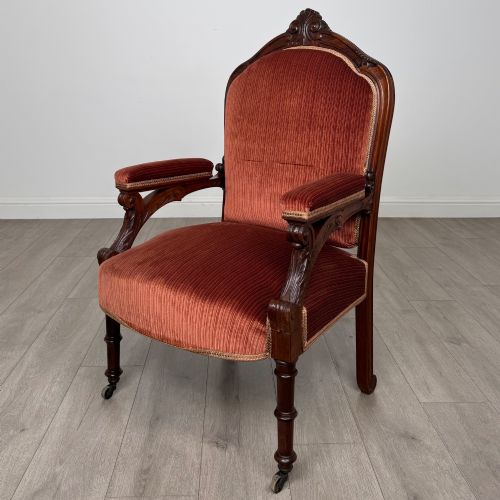
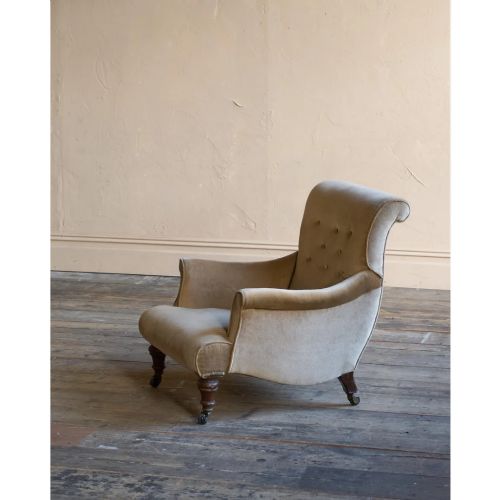
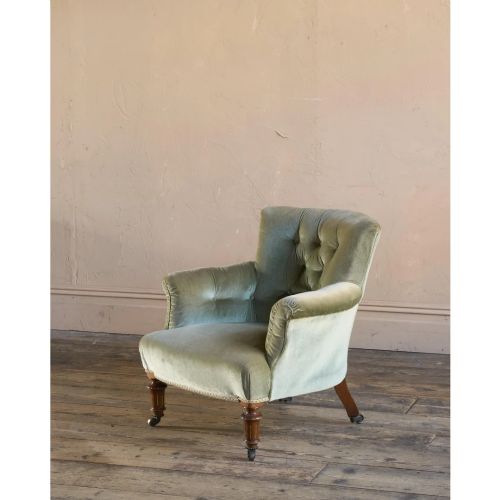
A victorian velvet armchair is a piece of nineteenth-century domestic seating designed for studies, parlours, and bedrooms. These chairs emerge from periods including the Victorian era, Regency, and Edwardian times, manifesting in forms such as open armchairs, nursing chairs, desk chairs, and wingbacks.
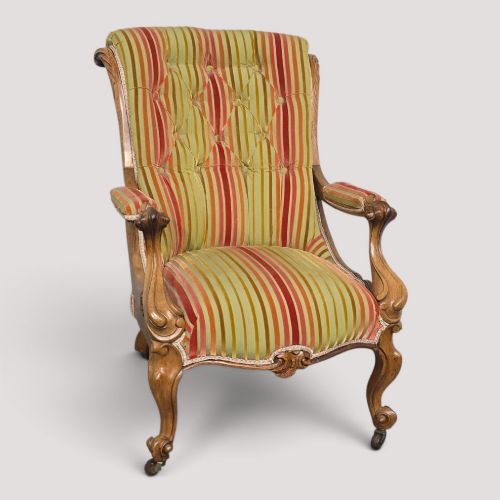
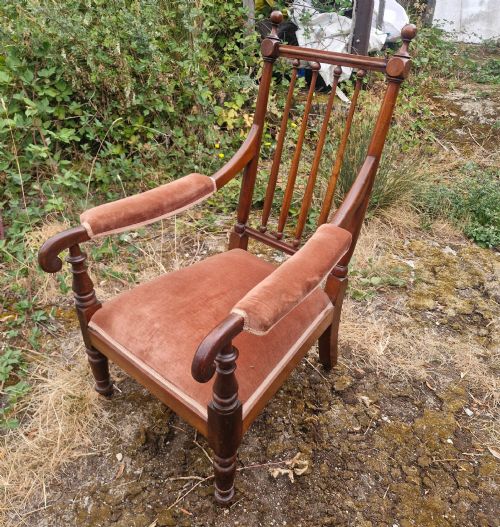
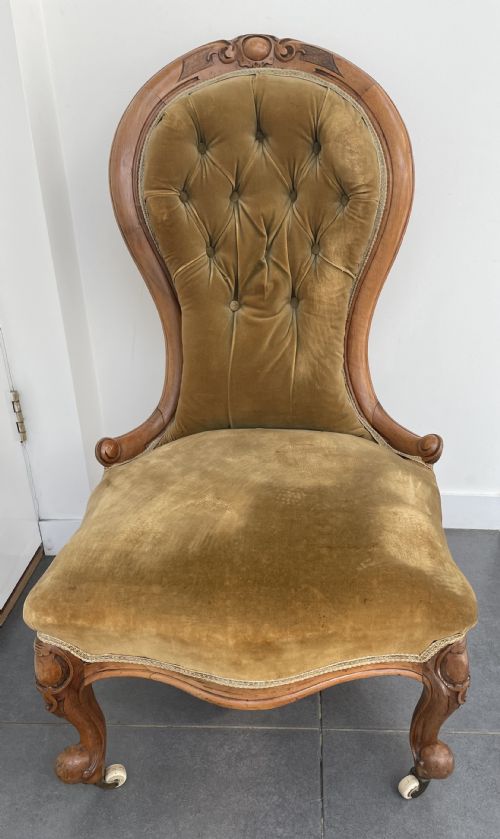
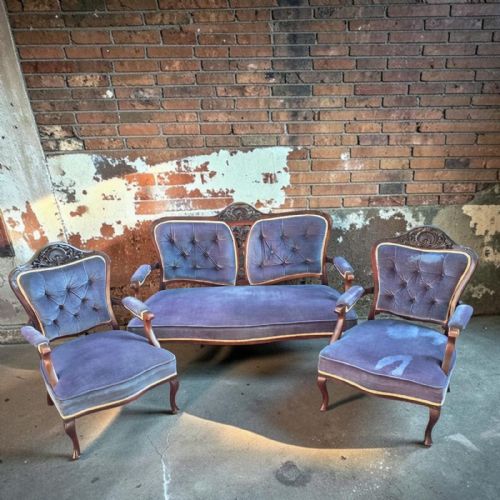
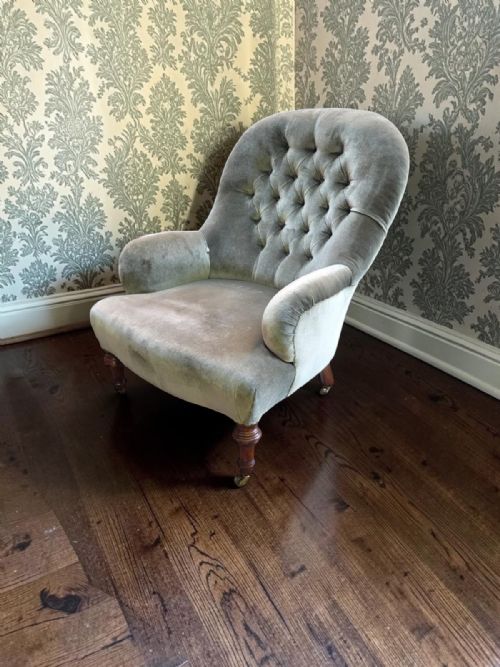
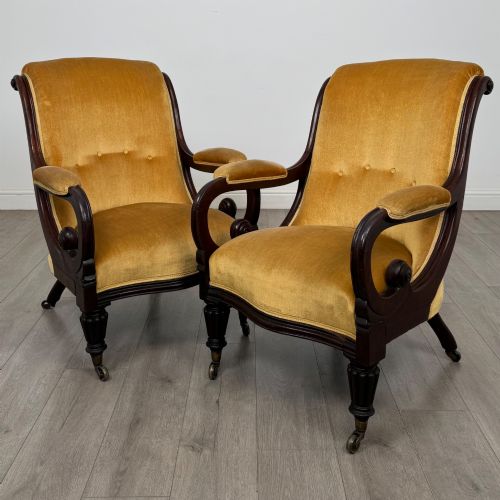
The version most commonly met on this page is the Victorian walnut or mahogany framed armchair upholstered in button-backed velvet. Alongside standard armchairs, listings frequently include occasional chairs, library chairs, and pairs intended for formal reception rooms.
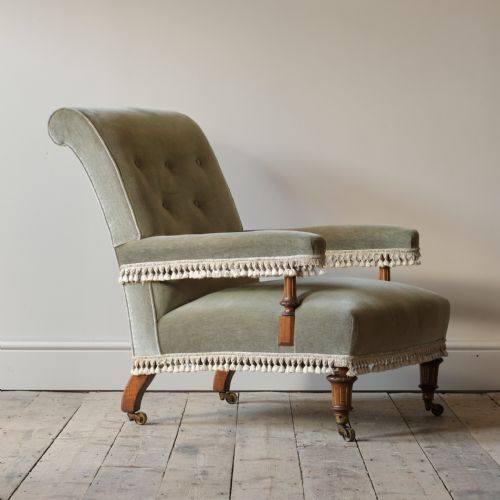
Makers and workshops of the nineteenth century produced these seats using sturdy timber frames paired with deep cushioning. The selection ranges from diminutive bedroom chairs to oversized library and porter's chairs designed to keep out drafts.
What varies in quality
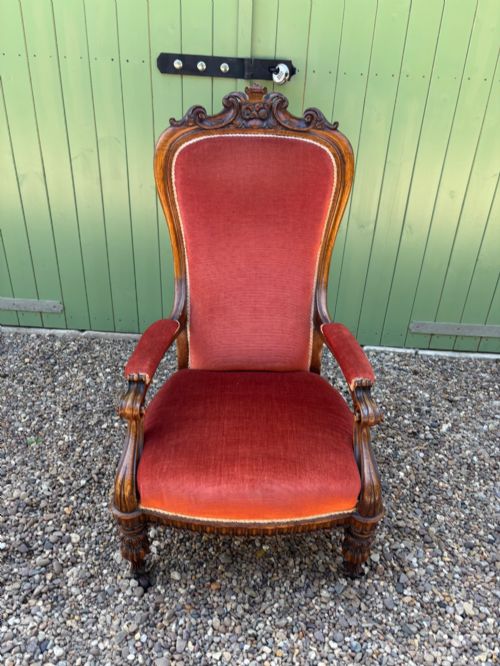
Quality rests in the sculptural depth of the timber frame and the crispness of any carved ornamentation. Finer examples display select mahogany or figured walnut with well-proportioned curves rather than plain, utilitarian shapes.
The integrity of the internal stuffing and the correct tension of the velvet upholstery dictate the comfort and longevity of the seat. Superior pieces maintain robust joinery in the arms and legs without structural timber fatigue.
Victorian Velvet Armchair Retail Price Guide 2026
Typical asking prices for victorian velvet armchair among the pieces listed under this phrase on Sellingantiques today, from the lower quarter to the upper quarter. They describe what is for sale here now, not the wider market.
Listings feature woods like mahogany, walnut, oak, rosewood, and goncalo alves paired with various velvet textiles.
Gillows·James Shoolbred·Hampton And Sons·Robert Kime
The Victorian Velvet Armchair Glossary
- Button back
- A method of upholstery where depressions are formed in the padding by pulling buttons deep into the stuffing in a diamond pattern. This technique secures the filling and creates a distinctive padded texture.
- Open armchair
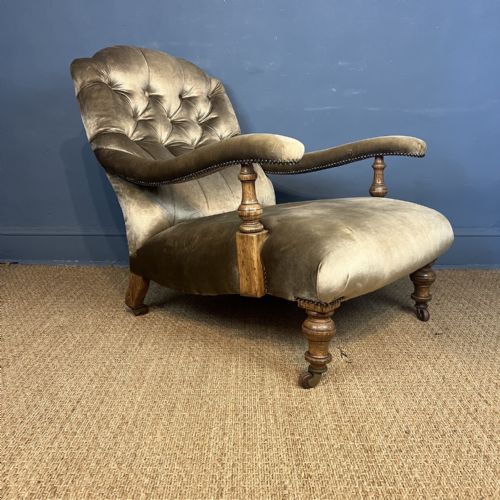
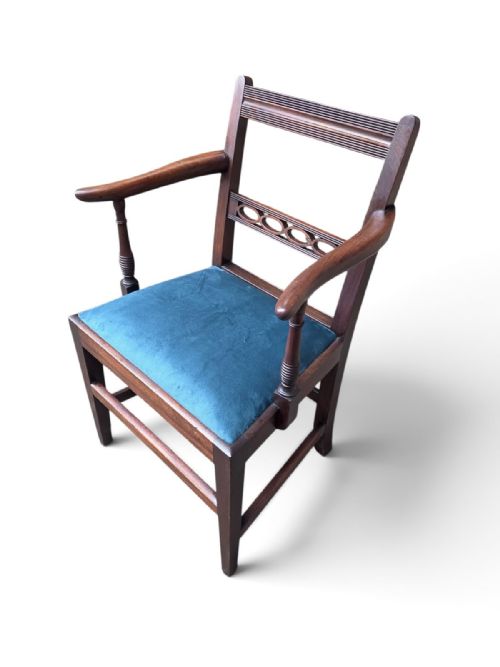
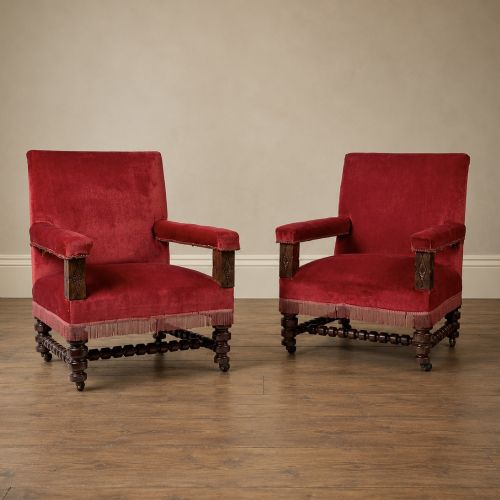
- A seat featuring un-upholstered wooden arms that expose the carved timber framework. These designs typically allow for easier movement and showcase the grain of walnut or mahogany.
- Nursing chair
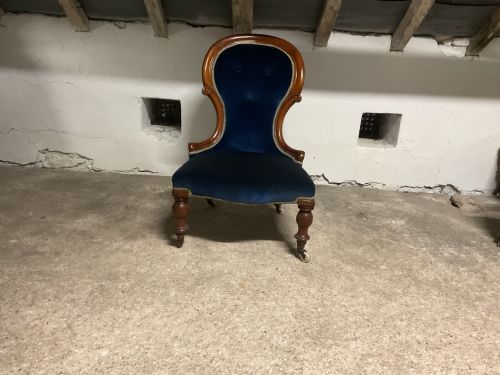
- A low-seated armchair historically used in bedrooms or nurseries for feeding infants. They often feature sprung seats and supportive backs without obtrusive wooden arms.
- Porter's chair
- A high-backed, enclosed armchair designed to protect the sitter from drafts in cold halls. They frequently incorporate a hooded top and substantial upholstered sides.
- Cabriole leg
- A furniture leg that curves out and then down in a graceful double curve, ending in a pad or scroll foot. This form derives from classical furniture design and appears frequently on Victorian seating.
Victorian Velvet Armchair: Frequently Asked Questions
How do I clean velvet upholstery?
Velvet requires gentle brushing with the grain to remove dust and prevent the pile from crushing. Professional cleaning is recommended for heavier marks to avoid damaging the historical textile.
Water can watermark certain pile types, so moisture should be kept away from antique fabrics unless tested on an unseen area.
Are these chairs comfortable to sit in?
Nineteenth-century seating was engineered for parlour and library use, offering solid lumbar support through deep springing and horsehair padding. The generous proportions of library and wing chairs make them suited for daily relaxation.
Softer nursing chairs and occasional seats provide a more upright posture due to their lower frames and compact dimensions.
How do I date a Victorian armchair?
Dating relies on stylistic shifts in timber choice, carving motifs, and frame construction across the nineteenth century. Earlier pieces often display Regency or William IV influences, while later examples incorporate Aesthetic Movement or Edwardian details.
Secondary woods used inside the frame and the presence of brass casters or iron framing components offer further chronological clues.
Can I use these chairs in a modern room?
These pieces integrate well into contemporary interiors by serving as textural focal points against neutral walls. Their rich timber frames and coloured velvet contrast effectively with minimalist decor.
Pairing a nursing chair or library armchair with modern low seating adds historical depth and variety to a room layout.