


Antique High Back Armchair
An antique high back armchair offers commanding vertical presence and architectural form, drawing the eye in any room.
What an antique high back armchair is
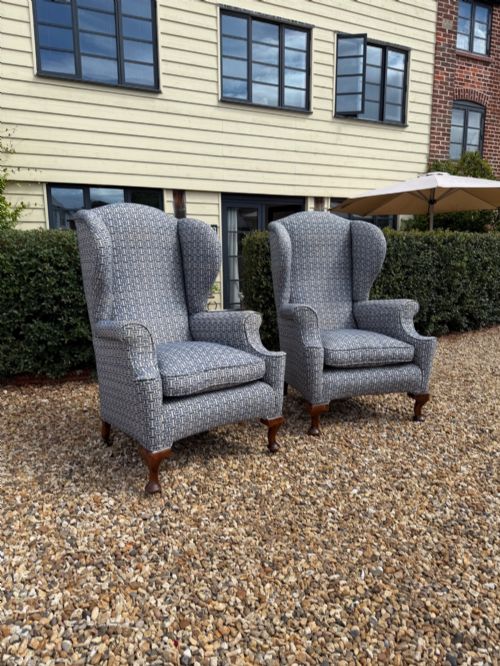
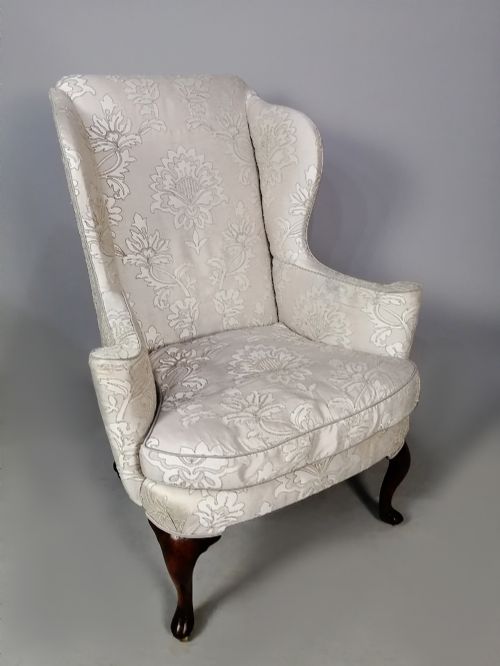
An antique high back armchair provides imposing vertical lines and deep seating comfort developed across multiple eras. These pieces combine substantial timber frames with supportive tall backs designed to shield the sitter from drafts.
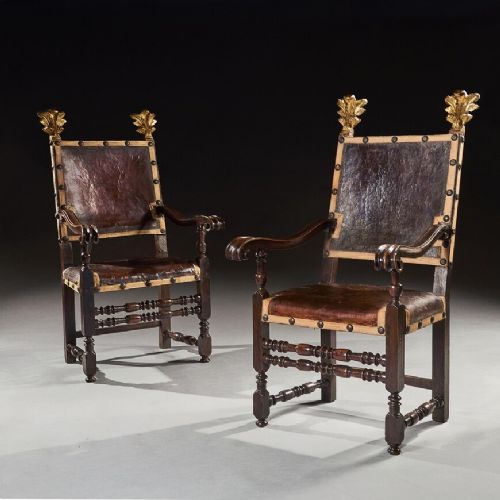
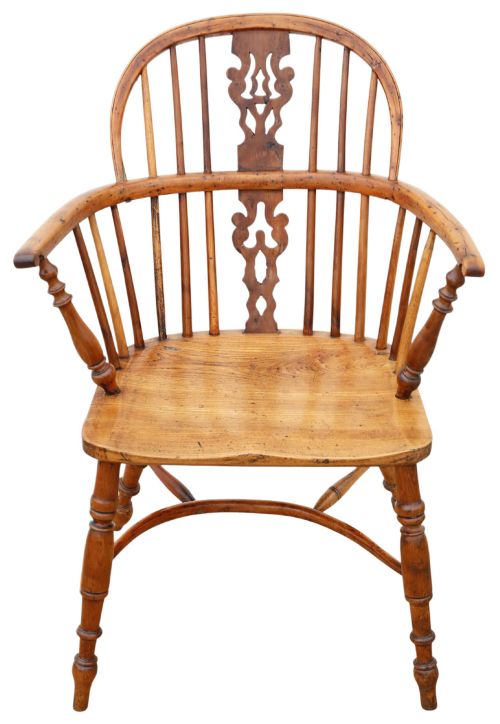
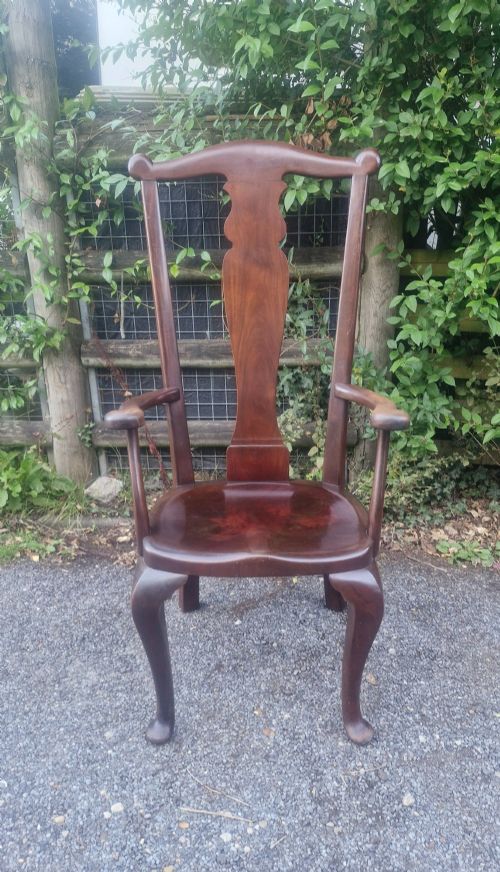
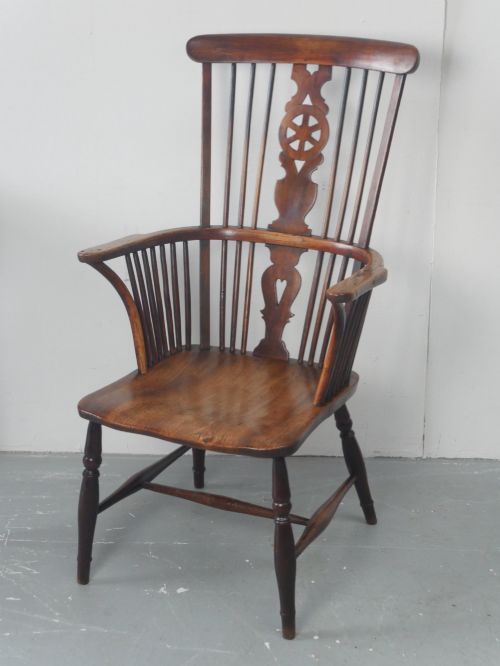
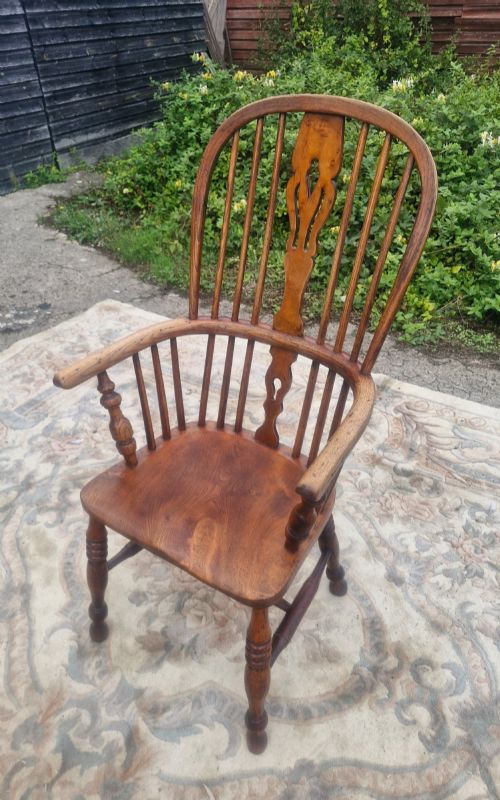
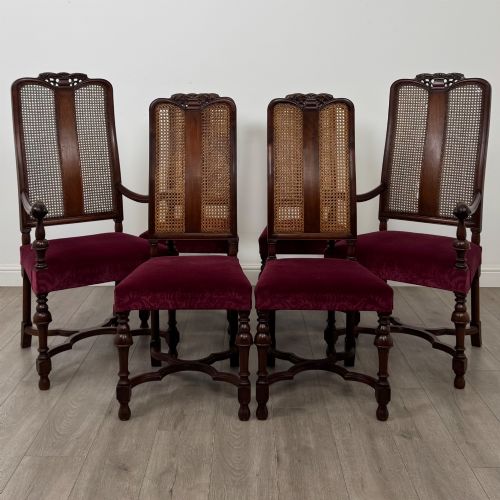
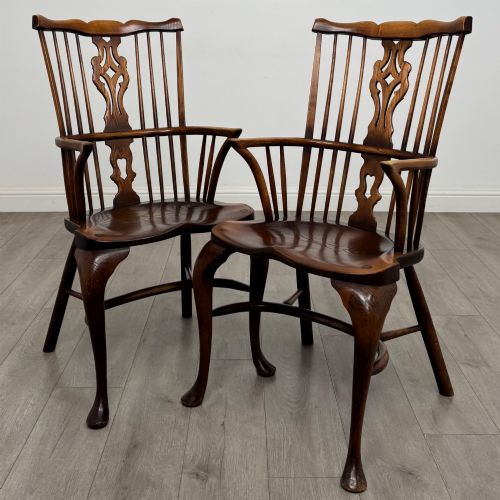
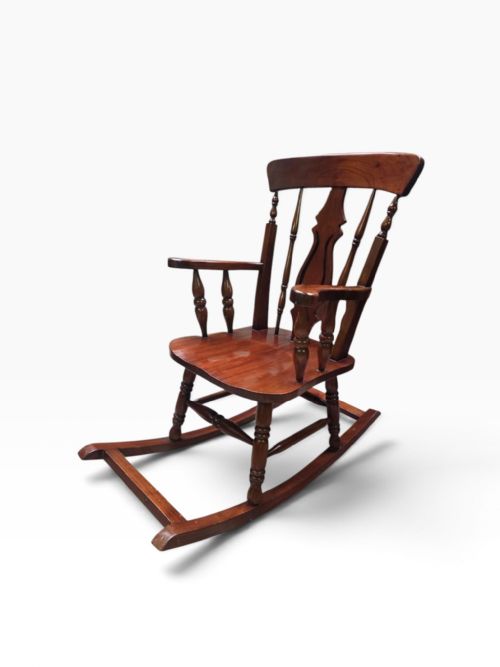
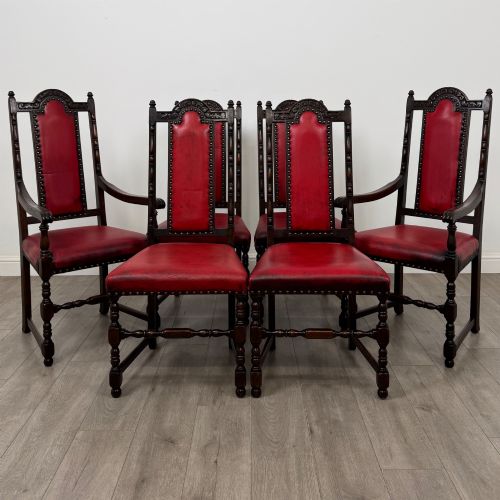
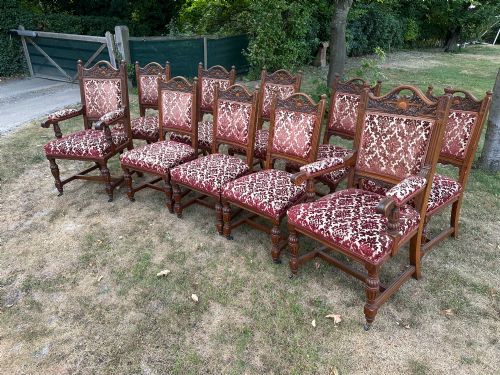
The selections available range from formal library and salon seating in mahogany and walnut to vernacular country windsors in elm, ash, and beech. Stylistic influences span from Carolean and William and Mary revivals through to Victorian and Art Nouveau expressions.
Early examples utilise turned wooden supports and open frames, whereas later regional types favour spindle backs and solid plank seats. Each period brings distinct proportion and construction methods to the enduring form of the high back chair.
What varies in quality
The refinement of timber selection and the precision of hand-carved or turned details dictate the upper tiers of craftsmanship. Dense hardwoods like mahogany and figured walnut denote formal workshop production, whereas regional country pieces rely on robust elm and ash.
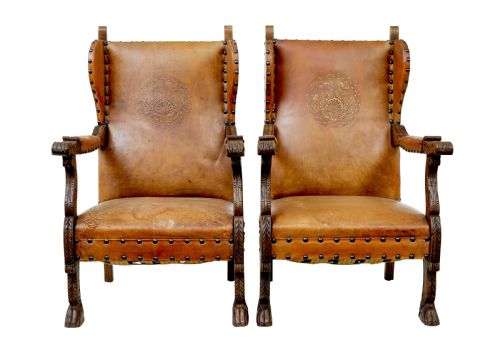
Proportion and structural integrity define the distinction between standard utilitarian seating and high-style salon or library armchairs. Original upholstery materials and intact cane work further elevate the historical integrity of a piece.
Retail Price Guide 2026
Typical UK retail prices for high back armchair, calculated from the Sellingantiques database of over a million retail prices indexed since 2003. This retail price guide relies exclusively on Sellingantiques data; no external sources or auction records are used, so the figures do not describe the wider market.
Listings feature woods like walnut, mahogany, ash, elm, and beech, alongside textiles including velvet, cane, and painted finishes.
Louis Majorelle·R Tyzack
The Antique High Back Armchair Glossary
- Carolean
- A decorative style spanning the mid to late seventeenth century, characterised by rich scrolling foliage and crowned crest rails. Pieces in this taste often feature open arms and turned supports.
- Windsor
- A traditional chair construction method where spindles and backs are secured directly into a solid carved wooden seat. These country pieces frequently employ combinations of elm, ash, and beech.
- Library armchair
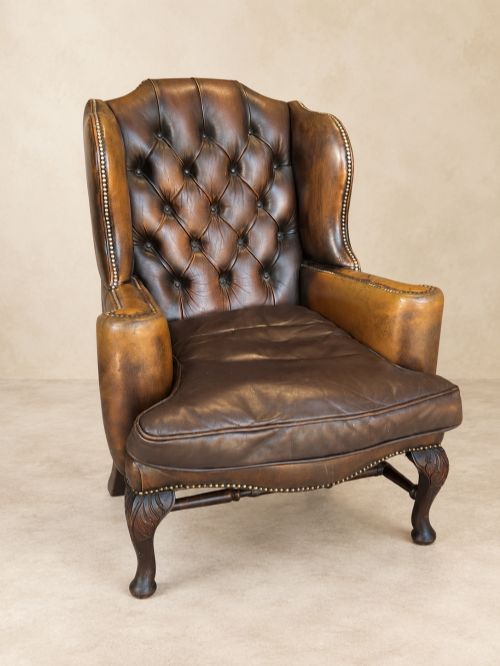
- A substantial upholstered seat designed for formal rooms, usually fashioned from dense hardwoods like mahogany. These heavy frames provide durable comfort for extended periods of reading.
- Lath back
- A regional chair variation featuring a flat vertical wooden splat or lath down the centre of the backrest. This design offers sturdy support within vernacular seating forms.
- Tub armchair
- A curved seating form where the back and arms merge into a single continuous rounded enclosure. This enveloping shape provides protection from draughts in period interiors.
Frequently Asked Questions
Where should I place an antique high back armchair?
These tall chairs anchor a room well when positioned beside a fireplace or used as a standalone reading seat in a study.
Their substantial vertical presence also allows them to function effectively in a hallway or framing a large window.
Are these armchairs comfortable for daily use?
Upholstered library and salon variations provide deep cushioning and tall backrests designed for extended periods of relaxation.
Country stick and Windsor variants offer firm upright support suited to fireside reading or desk work.
How do I distinguish Victorian revivals from earlier pieces?
Victorian revival furniture often employs machine assistance and denser framing while imitating seventeenth-century Carolean or William and Mary styles.
Examining the tool marks, timber shrinkage, and joinery helps determine whether a frame originates from the seventeenth century or the nineteenth-century revival period.