




French Art Nouveau Furniture
French art nouveau furniture brings sinuous organic lines and botanical marquetry into the home, offering collectors fluid forms that define turn-of-the-century design.
What French Art Nouveau Furniture Is
French art nouveau furniture captures the natural world through asymmetrical curves, floral motifs, and flowing botanical designs. These pieces span cabinets, nesting tables, and armchairs created across various decades.
The selections available here range from music cabinets and mahogany cupboards to nests of specimen wood tables. Each form demonstrates the distinctive stylistic shift away from rigid historicism toward organic fluidity.
How They Were Made
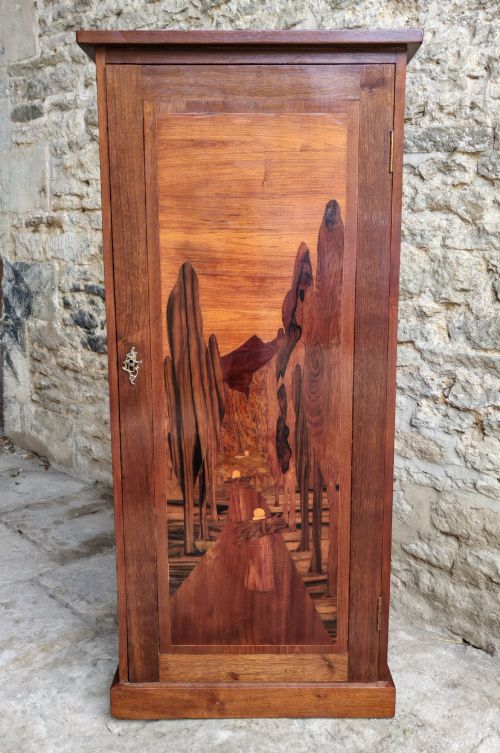
Maker workshops utilised rich timbers including mahogany, walnut, rosewood, and diverse specimen woods to construct these flowing forms. Artisans applied elaborate marquetry veneers to render detailed floral and natural scenes across cabinet doors and tabletops.
Inlaid woodwork combined with shaped brass mounts to accentuate the organic contours characteristic of the style. Structural elements relied on careful shaping of solid woods alongside precise wood veneer application.
Retail Price Guide 2026
Typical UK retail prices for french art nouveau furniture, calculated from the Sellingantiques database of over a million retail prices indexed since 2003. This retail price guide relies exclusively on Sellingantiques data; no external sources or auction records are used, so the figures do not describe the wider market.
Current listings feature pieces spanning the Victorian era through the early twentieth century, utilising mahogany, rosewood, walnut, and diverse specimen woods.
What Varies in Quality
The distinction between standard items and exceptional pieces rests upon the ambition of the design and the execution of the marquetry. Superior examples display intricate pictorial veneer work using varied specimen woods rather than simple geometric inlay.
Attribution and workshop provenance elevate certain pieces, particularly those bearing maker signatures or demonstrating recognised artistry. The finesse in carving and the seamless integration of brass hardware further separate fine furniture from ordinary production.
Émile Gallé·Louis Majorelle
The French Art Nouveau Furniture Glossary
- Marquetry veneers
- Thin slices of decorative wood arranged in pictorial patterns on a solid backing. This technique allowed artisans to paint with wood, creating complex floral motifs.
- Specimen woods
- A diverse selection of native and exotic timbers chosen for contrasting colours and grain patterns. Makers utilised these varied materials to add naturalistic shading to inlaid scenes.
- Nest of tables
- A set of graduated tables designed to slide neatly beneath one another when not in use. These space-saving items often featured intricate top surfaces.
- Music cabinet
- A specialised storage piece designed to hold sheet music and scores. They typically contained internal shelving or shallow drawers tailored for paper storage.
Frequently Asked Questions
How do I care for rosewood and mahogany surfaces?
Protect delicate wood veneers and polished finishes by keeping pieces away from direct sunlight and sudden temperature changes. Gentle dusting with a soft, dry cloth preserves the original polish without abrasive cleaners.
Maintain stable indoor humidity to prevent timber movement and protect intricate marquetry details from lifting over time.
Where were these pieces originally placed in a home?
Music cabinets found their home in parlours and drawing rooms to house sheet music near pianos or music stands. Nesting tables offered versatile surface space that could be easily moved about a reception room.
Armchairs provided decorative seating in principal living spaces, integrating artistic design with everyday domestic utility.
How can I distinguish period pieces from later reproductions?
Period furniture exhibits traditional construction methods, appropriate timber ageing, and period-specific brass hardware. Examine the underside and interior joinery for hand-tool marks and consistent material wear.
Stylistic details, such as the specific execution of botanical marquetry and cabinet construction, help anchor pieces to the turn of the twentieth century.