





Walnut Music Cabinet
When you search for a walnut music cabinet, you seek a dedicated piece of period furniture designed to house sheet scores and parlour volumes.
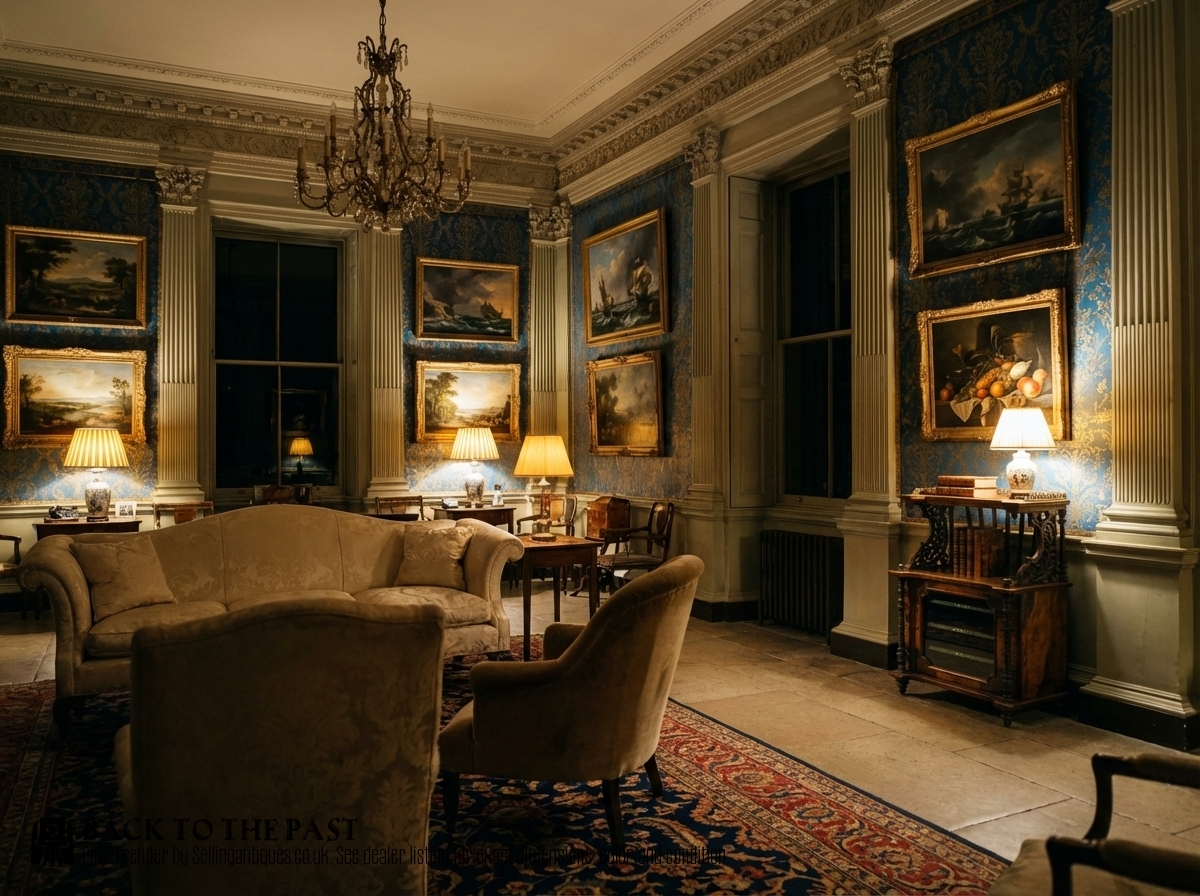
Walnut Music Cabinet
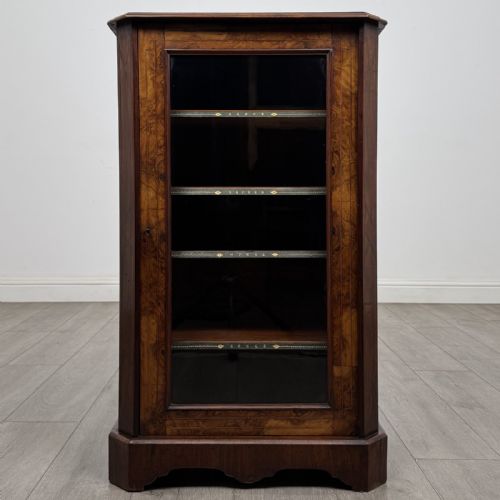
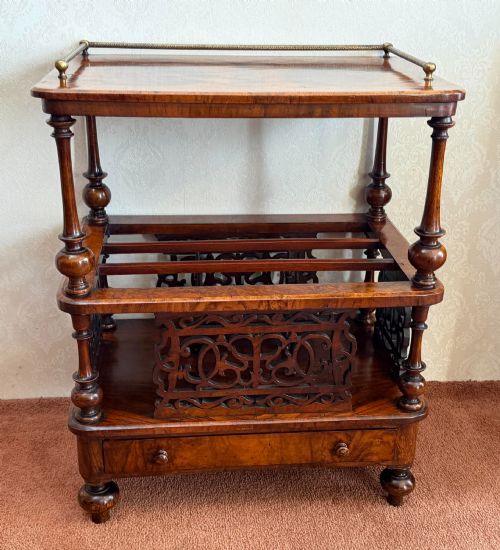
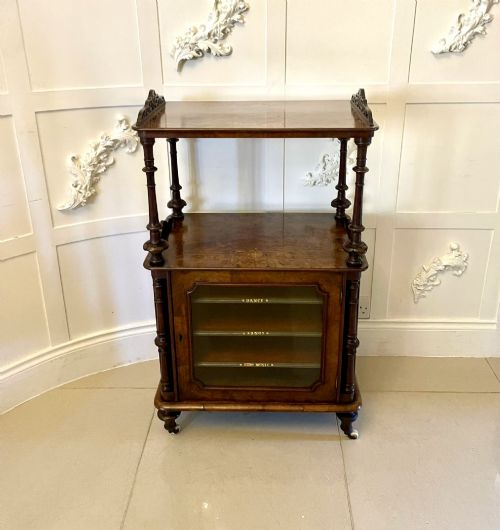
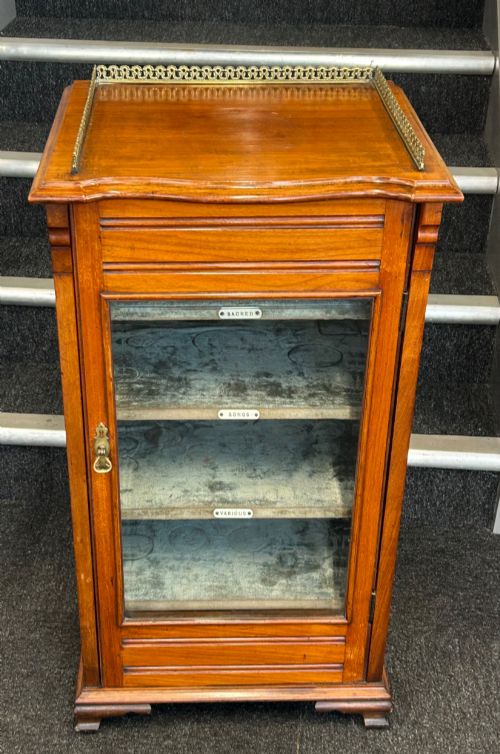
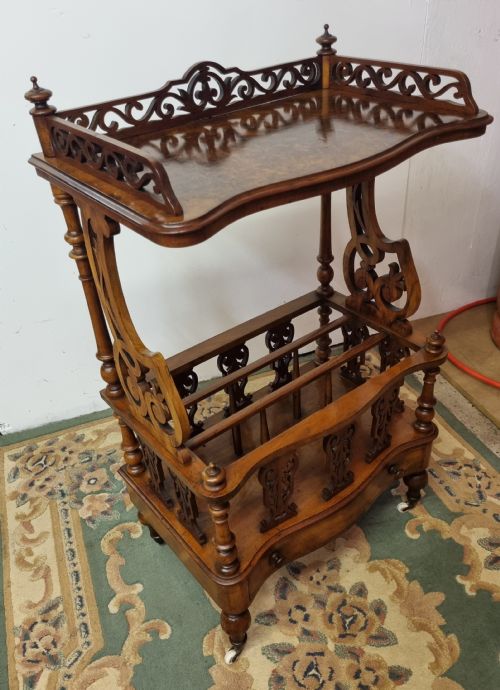
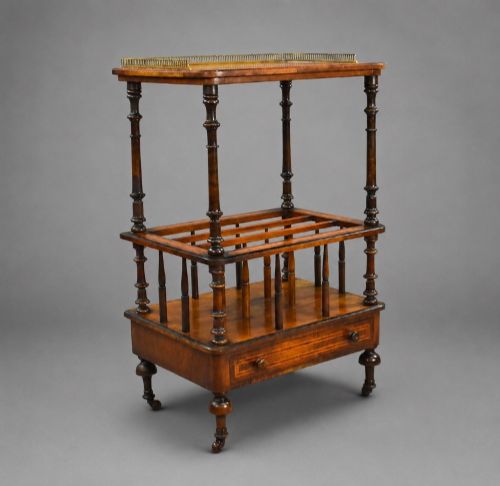
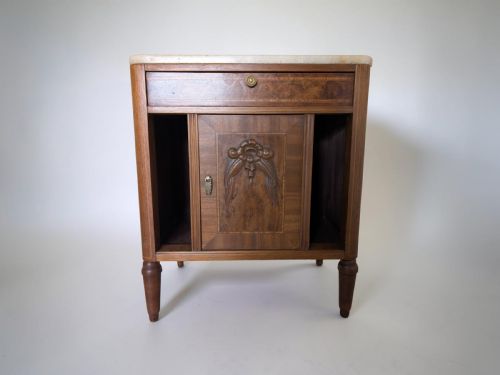
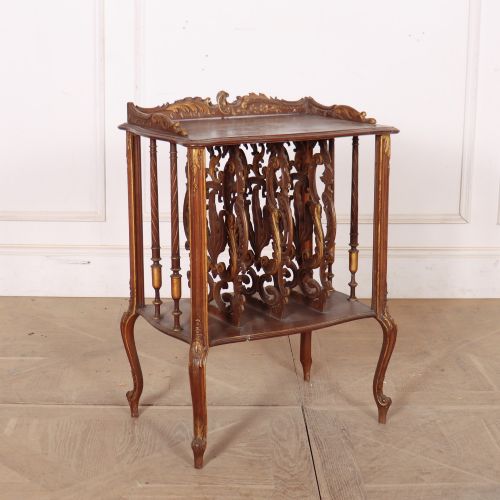
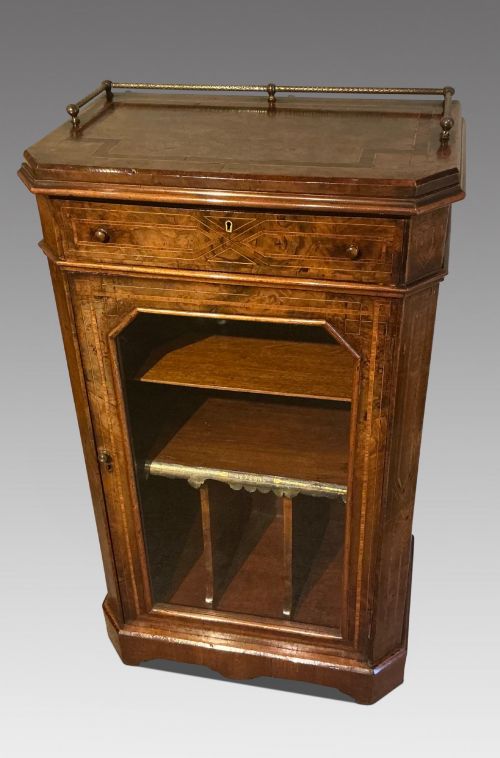
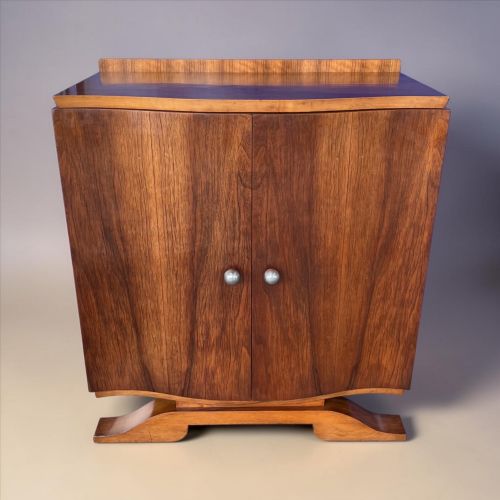
A walnut music cabinet serves to store sheet music, folios and scores within nineteenth and early twentieth-century drawing rooms. The pieces appearing most frequently on this page belong to the Victorian and Edwardian periods, taking the form of upright cupboards, glazed display units and open canterburys.
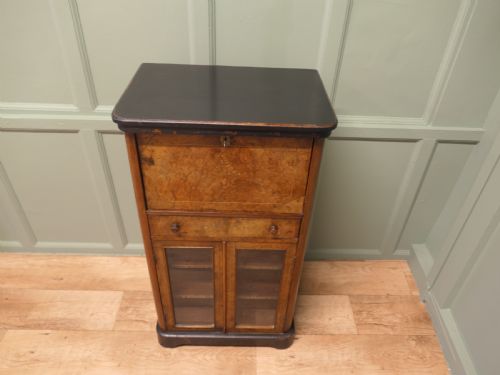
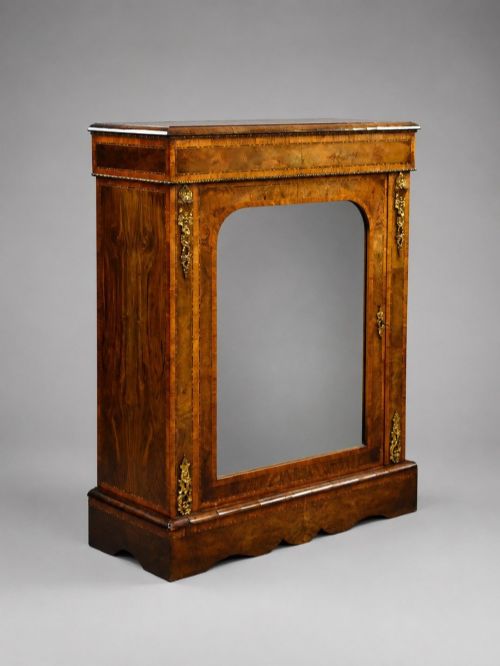
Makers designed these items with specific internal divisions, such as vertical shelving or drop-down drawers, to keep bound folios organised. They range from compact freestanding stands to larger mirrored pier cabinets incorporating glass doors and lower cupboards.
The form bridges practical domestic storage and refined reception room display. Many examples integrate marquetry, boxwood inlay or brass hardware, reflecting the aesthetic priorities of the Victorian home.
How They Were Made
Craftsmen utilised solid walnut and figured burr walnut veneers applied to carcases, often highlighting the timber grain through book-matching on doors and fall-front panels. Contrasting lines of boxwood and ebony marquetry frequently border the primary surfaces.
Structural hardware relies upon cast brass handles, hinges, and occasional ormolu mounts, while interior components include glazed panels and mirrored backs. Construction methods incorporate dovetailed drawers and framed panel doors suited to heavy paper storage.
Walnut Music Cabinet Retail Price Guide 2026
Typical asking prices for walnut music cabinet among the pieces listed under this phrase on Sellingantiques today, from the lower quarter to the upper quarter. They describe what is for sale here now, not the wider market.
Mechanical symphoniums appear among the musical offerings, bringing automated tunes directly into the Victorian parlour.
What Varies in Quality
The distinction between standard utility items and the finest pieces rests upon the selection of timber veneers, particularly the liveliness of the burr walnut figure and the precision of the marquetry. Elaborate carving, serpentine forms and secondary woods such as mahogany elevate the status of a cabinet.
The sophistication of the internal mechanism also differentiates examples, from simple fixed shelving to adjustable drop-front drawers, mirrored display sections and integrated locking systems with original brass keys.
Gabriel Viardot·Lochmanns
The Walnut Music Cabinet Glossary
- Burr Walnut
- A figured timber harvested from walnut tree growths, valued for its swirling grain patterns when sliced into veneer. Cabinet makers utilised it extensively on primary display surfaces during the Victorian era.
- Canterbury
- A low multi-section stand designed to hold sheet music, folios or newspapers. Victorian examples frequently incorporate turned legs and small drawers.
- Marquetry
- Decorative patterns formed by fitting contrasting pieces of veneer into a prepared wooden surface. Craftsmen used boxwood and ebony details to create floral or geometric motifs.
- Pier Cabinet
- An upright display cabinet specifically built to occupy the wall space or pier between two windows. These pieces often feature glass doors and velvet-lined interior shelving.
- Fall-Front
- A hinged door or panel that opens downward to form a small desk surface or to reveal internal document storage. Music cabinets frequently employ this feature for sorting sheets.
Walnut Music Cabinet: Frequently Asked Questions
What is a walnut music cabinet?
A walnut music cabinet is a specialised nineteenth or early twentieth-century piece of furniture built to store sheet music and scores. They typically feature specialised internal vertical partitions or drop-front drawers.
These items were kept in drawing rooms and parlours to keep paper folios tidy and close to the piano. Many double as display furniture with glass doors or open shelving.
How do I date a walnut music cabinet?
Dating relies upon observing stylistic clues such as the presence of heavy Victorian carved decoration, Edwardian proportions, or French Art Nouveau lines. Timber choice and hardware styles also offer reliable indicators of production era.
Cabinets from the mid-nineteenth century often display rich burr walnut veneers and elaborate boxwood inlay. Later Edwardian examples tend to show lighter construction and simpler geometric stringing.
Where should I place a music cabinet at home?
These compact cabinets suit living rooms, studies, or music rooms where their narrow footprints allow them to stand against empty wall spaces. Pier cabinets and small canterburys fit well beside seating areas or fireplaces.
Their internal shelving makes them useful for storing modern vinyl records, art books, or stationery alongside sheet music. The glazed doors on certain models protect delicate paper collections from dust.
What is the difference between a music cabinet and a canterbury?
A music cabinet is typically an enclosed cupboard with a door, internal shelves, and sometimes a drawer for smaller accessories. A canterbury is usually an open-framed rack with vertical partitions designed for quick access to loose folios.
Both forms utilise walnut timbers and share similar nineteenth-century domestic origins. Canterburys often feature carrying handles and lower drawers, whereas cabinets prioritize enclosed storage.