

Antique Sheet Music Storage
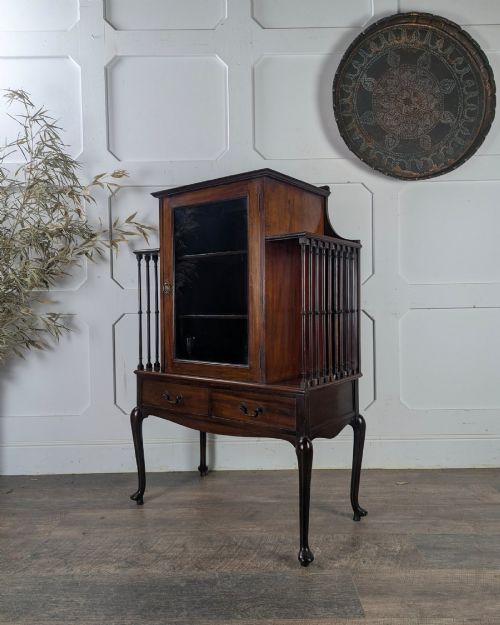
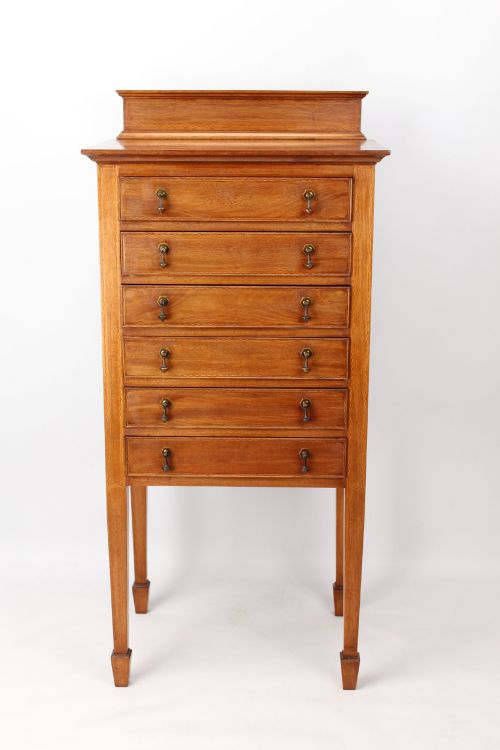
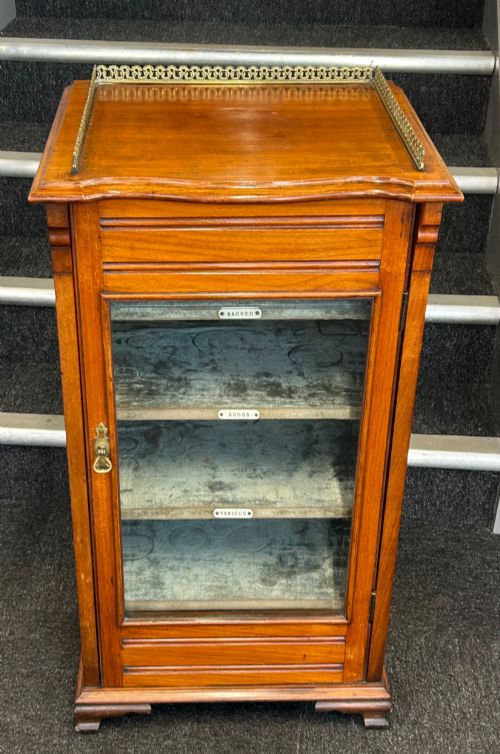
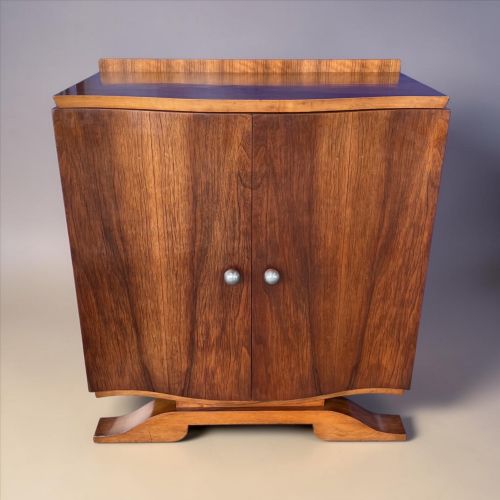
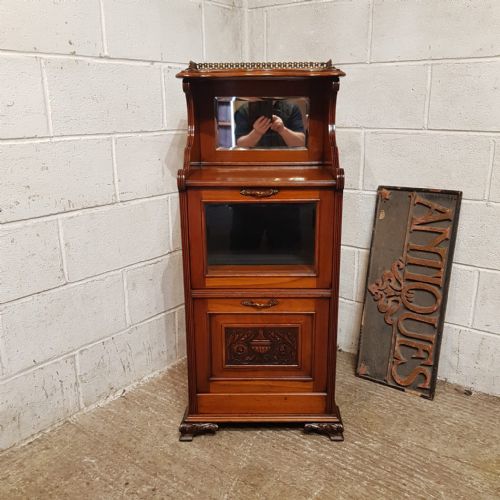
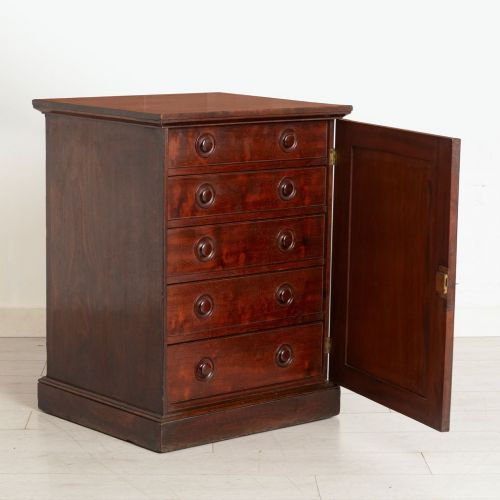
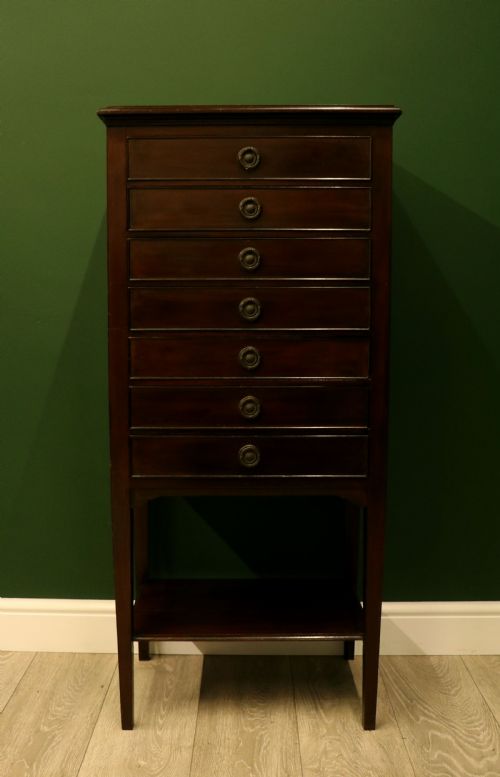
Antique sheet music storage pieces are practical domestic furnishings designed to hold scores securely, offering collectors elegant walnut or mahogany cabinets with brass and glass details.
What antique sheet music storage is
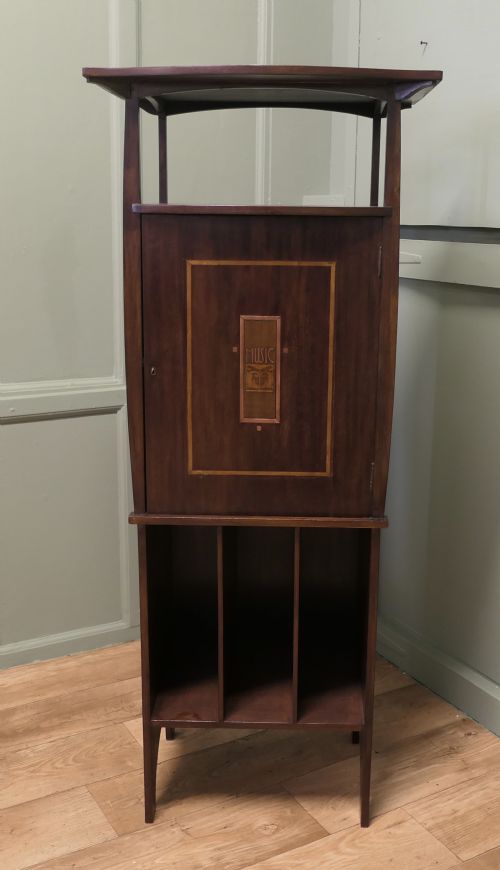
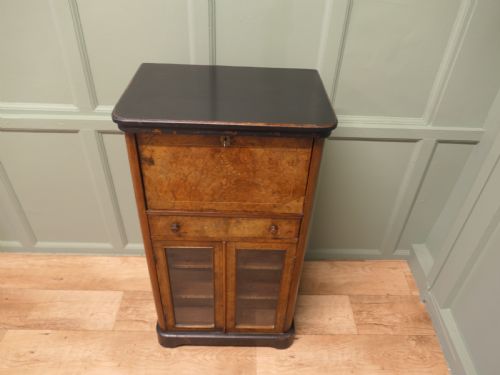
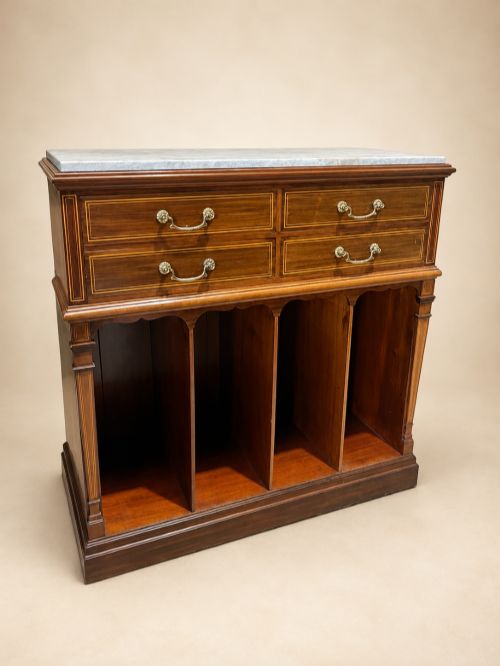
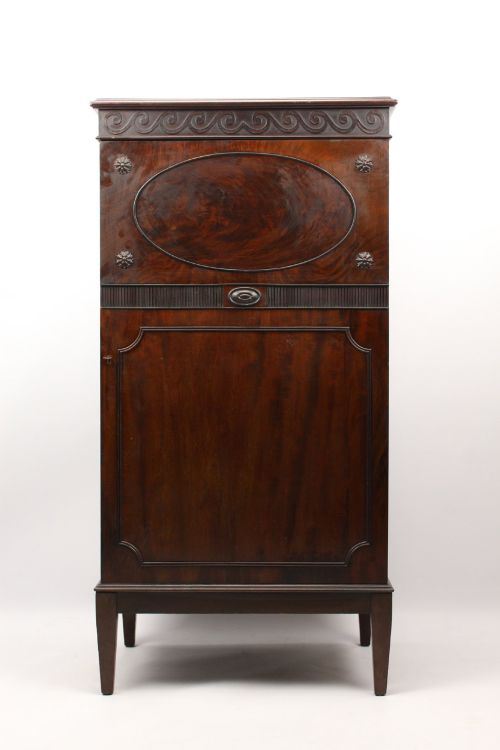
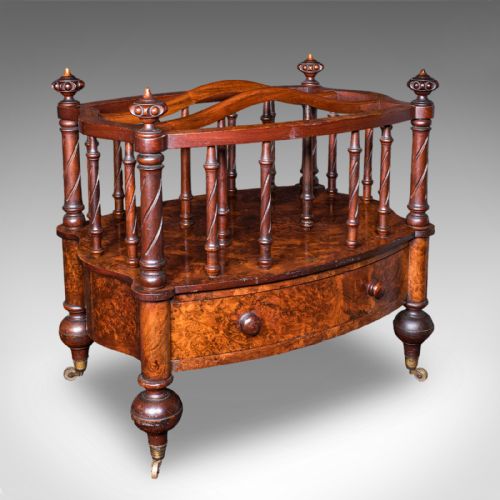
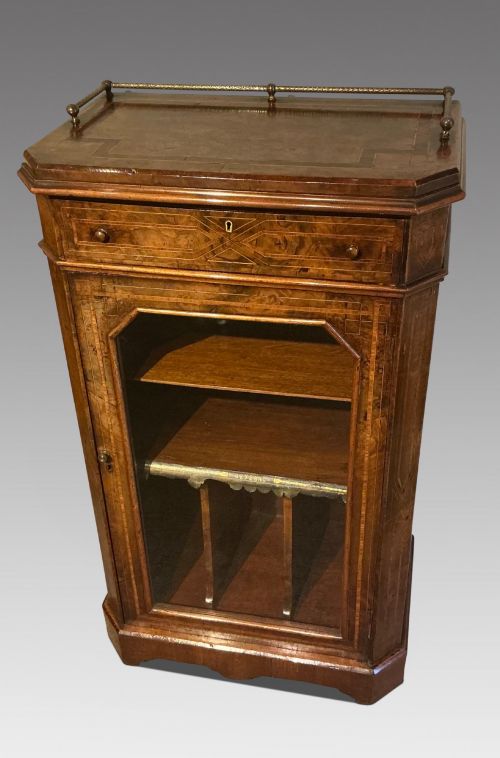
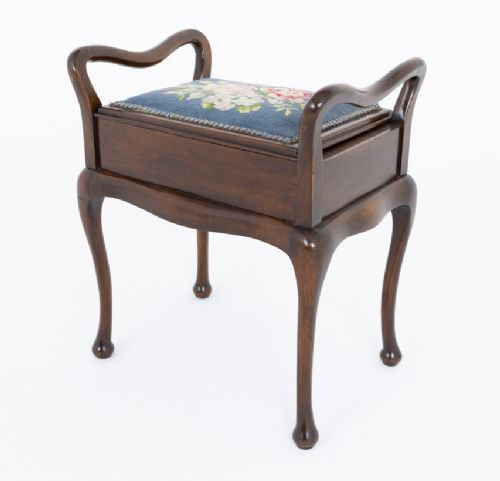
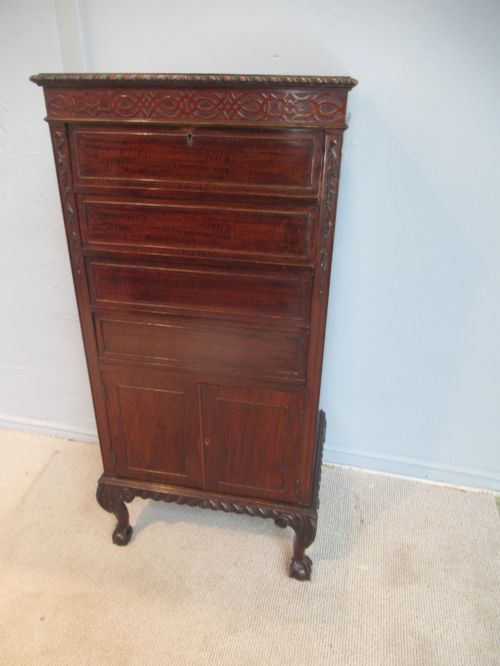
When you search for antique sheet music storage, you encounter specialised Victorian and Edwardian furniture designed to keep folios and scores orderly in the parlour or drawing room. The most common forms on this page are music cabinets and music cabinets designated as music cabinets, often constructed with dedicated shelving or internal partitions.
These pieces date from the nineteenth and early twentieth centuries, spanning the Victorian and Edwardian eras as well as specific years such as 1870 and 1880. Surviving examples range from upright timber chests to low servers intended for the pianist's lounge.
How these pieces were made
Cabinet makers utilised choice hardwoods including walnut, burr walnut, mahogany, and ebonised wood to build the carcases of these music holders. Timber selection relied on figuring and grain pattern to create a refined appearance for domestic interiors.
Retail Price Guide 2026
Typical UK retail prices for sheet music storage, calculated from the Sellingantiques database of over a million retail prices indexed since 2003. This retail price guide relies exclusively on Sellingantiques data; no external sources or auction records are used, so the figures do not describe the wider market.
The listings on this site show pieces from the Victorian and Edwardian periods, utilising walnut, mahogany, brass, and glass.
What varies in quality
Quality in antique sheet music storage rests upon the selection of timber veneer, such as burr walnut, and the precision of the cabinet work. Finer examples display thoughtful timber matching across the door panels and crisp execution of inlaid motifs.
Hardware choice and internal configuration also distinguish standard production from superior pieces. Robust brass handles and well-fitted internal divisions indicate careful workshop manufacture designed for daily domestic utility.
The Antique Sheet Music Storage Glossary
- Canterbury
- A low stand with partitions for holding music sheets, books, or portfolios. This form often includes integral carrying handles and slender legs.
- Burr walnut
- A highly figured timber veneer taken from the growth excrescences of the walnut tree. It produces swirling patterns prized in Victorian cabinet making.
- Ebonised wood
- Timber stained or painted to imitate ebony. This dark finish was popular during the Victorian period for accentuating cabinet details.
- Inlay
- A technique where pieces of contrasting wood or other materials are inserted into a recessed surface to form a design. Victorian pieces frequently employ this method on door fronts.
Frequently Asked Questions
What is an antique music cabinet?
An antique music cabinet is a dedicated piece of furniture designed to store sheet music and scores. They typically feature hinged doors or drop fronts.
These cabinets were common in nineteenth-century homes where piano playing was a regular domestic pastime. They kept paper folios flat and protected from dust.
How do I date an antique music cabinet?
Dating relies on stylistic clues, construction methods, and materials such as walnut, mahogany, or ebonised wood. Victorian and Edwardian examples show distinct aesthetic preferences.
Victorian pieces often incorporate rich inlays and burr walnut veneers, whereas Edwardian items tend toward lighter construction and slimmer proportions.
Where were music cabinets placed?
Music cabinets were positioned in the principal reception rooms of the house, particularly near the piano or drawing room seating area. Their decorative exteriors matched other parlour furniture.
Cabinet makers used fine timbers like mahogany and walnut so these storage pieces contributed to the overall interior aesthetic of the home.