



Victorian Sheet Music Stand
A victorian sheet music stand holds scores and papers near the instrument, combining practical upright storage with fine cabinet work.

Victorian Sheet Music Stand
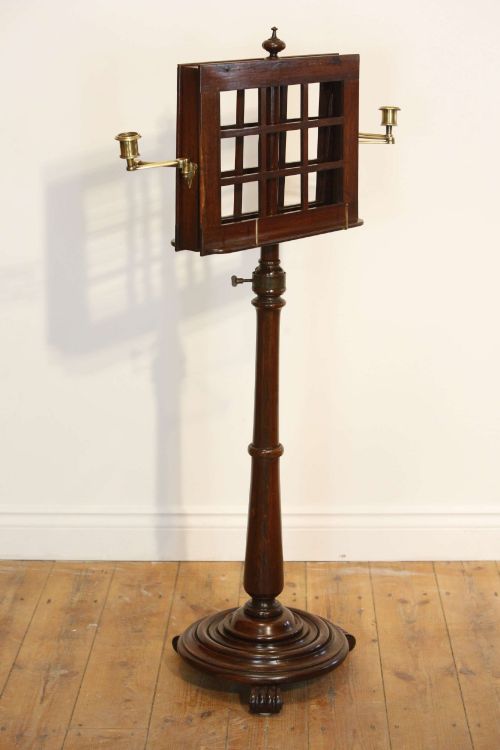
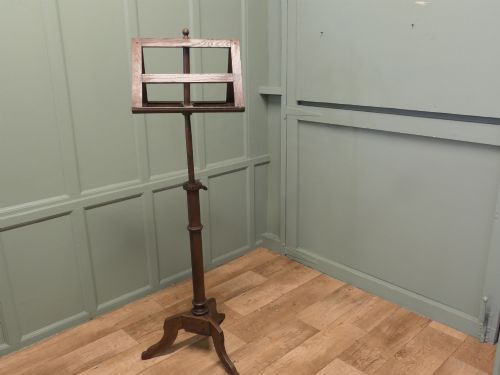
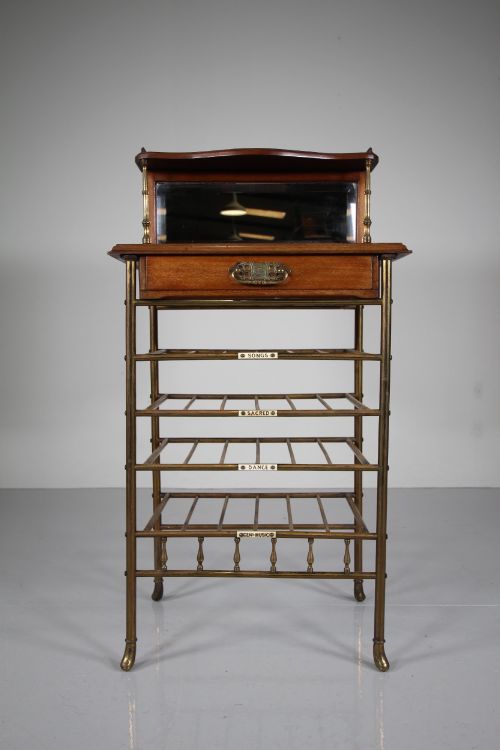
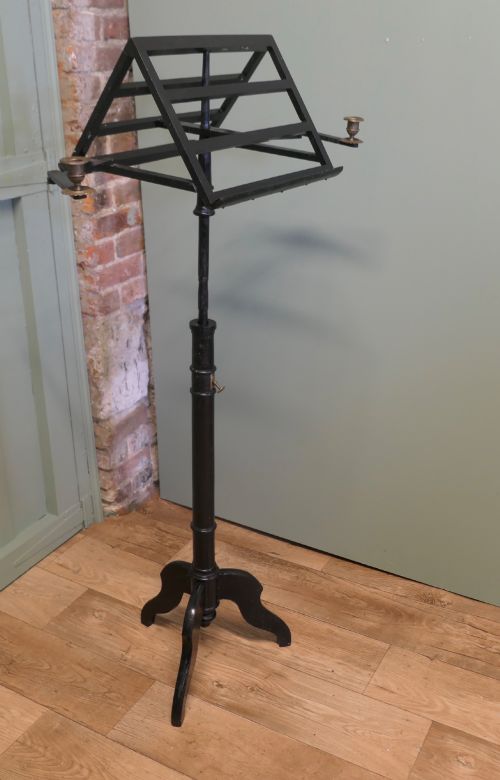
When you search for a victorian sheet music stand, you encounter a variety of forms designed to hold scores, folios, and periodicals near the piano or in the parlour. The pieces listed under this phrase span specific formats such as upright music cabinets, freestanding canterburys, tiered whatnot combinations, reading stands, and adjustable duet desks.
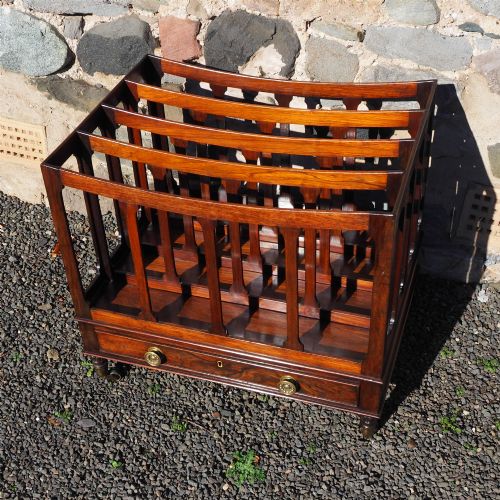
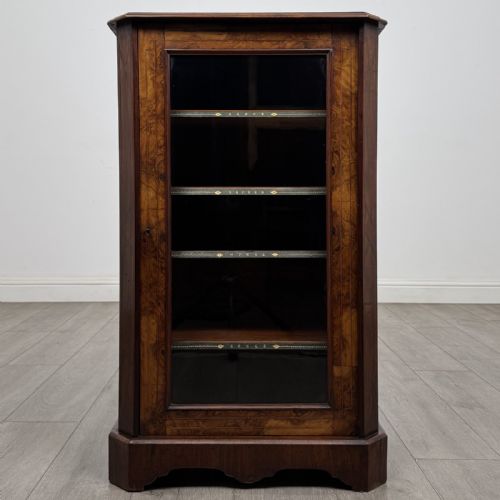
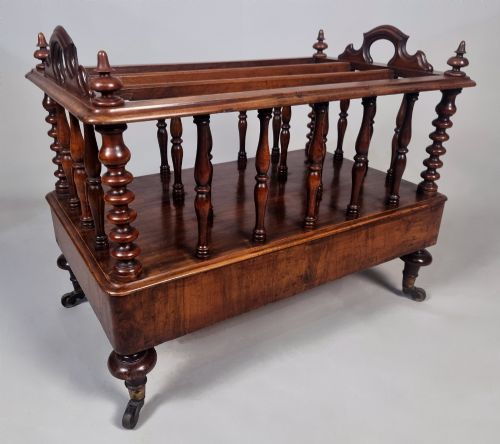
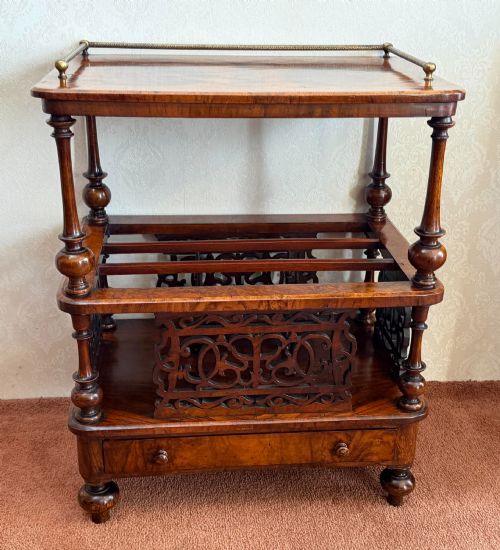
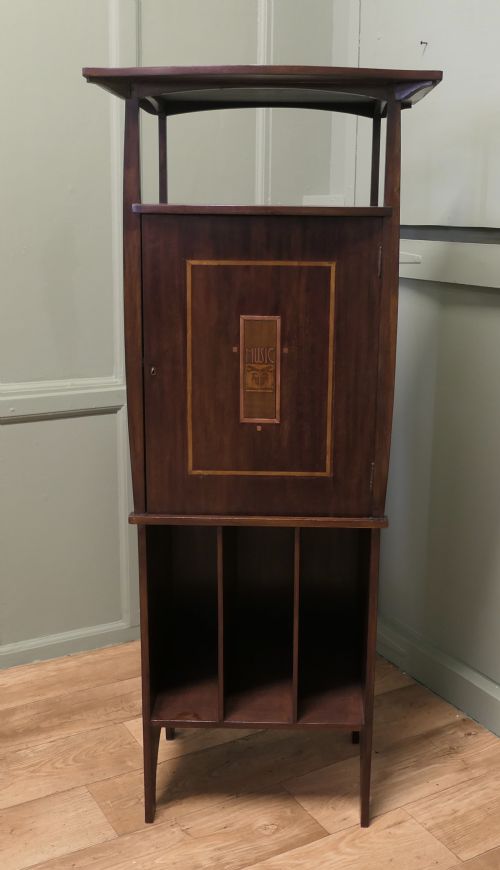
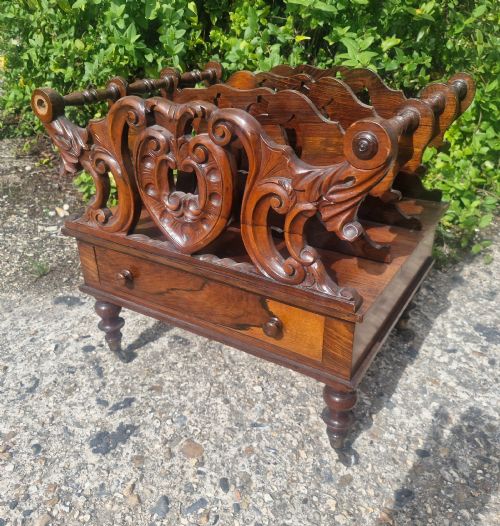
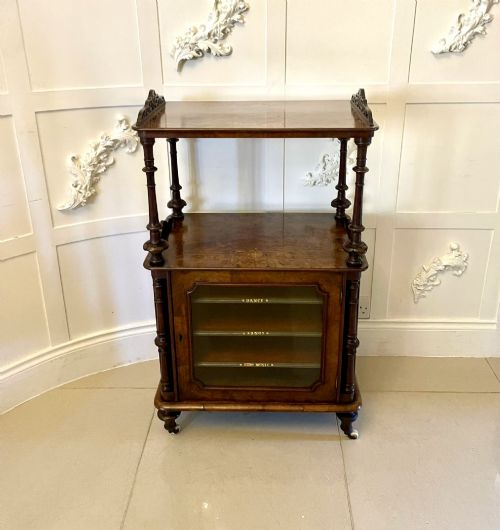
The most frequent form on this page is the canterbury, often fashioned in burr walnut or mahogany with slatted partitions for folios and a low shelf or drawer beneath. Music cabinets also appear regularly, offering enclosed shelving behind panelled or glazed doors to protect bound volumes of sheet music from dust.
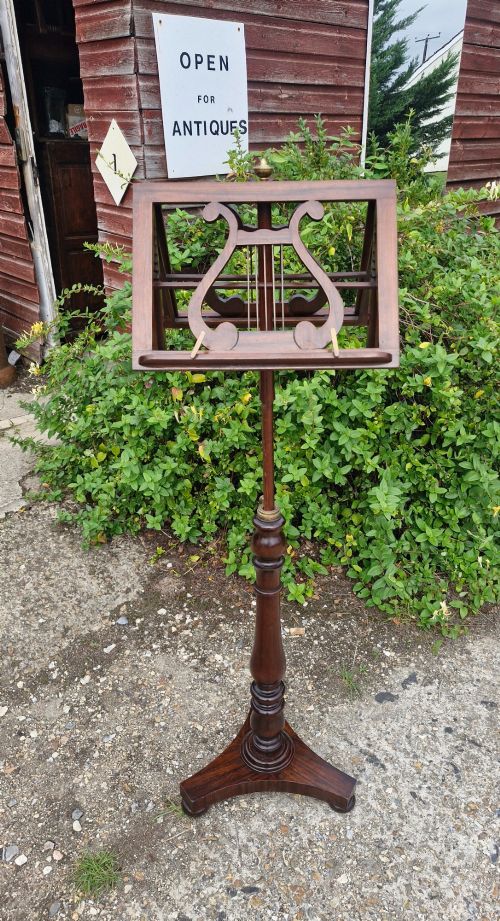
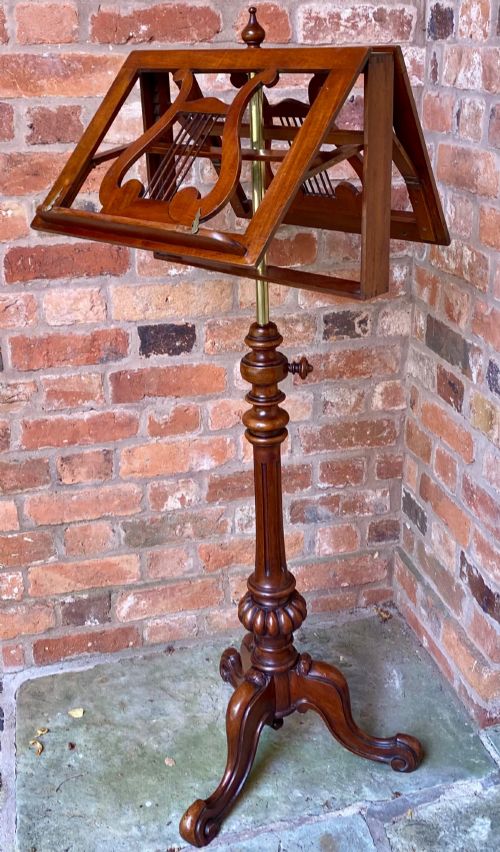
Makers and workshops adapted these forms across the nineteenth century to suit shifting domestic habits, moving from early mahogany designs with lyre motifs to elaborate inlaid walnut pieces and later bamboo or hardwood iterations.
Timbers and Construction
Cabinet makers relied heavily upon richly figured timbers such as walnut, burr walnut, mahogany, and rosewood, frequently enhanced by decorative marquetry inlay, crossbanding, and turned supports. Less conventional materials like bamboo also feature in later nineteenth-century examples influenced by the Aesthetic Movement and Japonisme.
Joinery techniques combined traditional cabinet framing with turned pillars, fretwork panels, and adjustable brass mechanisms for reading desks and lecterns. Interior partitions and shelves utilised solid secondary timbers, while exterior surfaces displayed the deliberate grain patterns prized by period workshops.
Victorian Sheet Music Stand Retail Price Guide 2026
Typical asking prices for victorian sheet music stand among the pieces listed under this phrase on Sellingantiques today, from the lower quarter to the upper quarter. They describe what is for sale here now, not the wider market.
Materials recorded across the archive include brass, glass, ceramic, and diverse hardwoods such as rosewood and burr walnut.
Distinctions in Execution
Quality in these pieces rests upon the selection of timber veneers, the crispness of carved or fretted details, and the integrity of internal construction. The best examples display richly figured burr walnut or rosewood matched symmetrically across the surfaces, alongside finely turned columns and robust joints that withstand daily use.
Lesser pieces exhibit simpler secondary woods, plain mahogany without notable grain, or mechanical adjustments that lack smooth operation. The presence of makers' stamps, finely cast brass fittings, and integrated drawers or work tops elevate the standing of a piece within its period.
GM Elwood for JS Henry·Gabriel Viardot·Edwards and Roberts·Henry Ogden and Son
The Victorian Sheet Music Stand Glossary
- Canterbury
- A low freestanding stand with partitioned sections, originally designed for sheet music, folios, and newspapers. It often incorporates a drawer at the base or a fitted top surface.
- Lyre-Form
- A decorative motif shaped like a classical lyre, frequently utilised as a central support or fretwork detail on music stands and reading desks.
- Whatnot
- An open set of tiered shelves used for displaying or storing small household items, sometimes combined with a music cabinet or canterbury.
- Aesthetic Movement
- A late nineteenth-century design style that emphasised simplicity, artistic expression, and Japanese-inspired motifs, visible in bamboo and hardwood pieces.
- Marquetry
- The art of applying pieces of veneer to a structure to form decorative patterns and pictures, commonly seen on Victorian walnut furniture.
Victorian Sheet Music Stand: Frequently Asked Questions
What is a canterbury used for?
A canterbury provides partitioned vertical storage for sheet music, folios, and periodicals close to a piano or seating area.
Many examples also include a low drawer for smaller accessories or a flat top surface suited for holding lamps and books.
How do I tell a music cabinet from a regular cabinet?
Music cabinets feature shallow internal shelving specifically proportioned for standard sheet music folios and bound scores rather than deep general storage.
They frequently incorporate hinged doors, drop fronts, or glazed panels to keep scores accessible yet protected.
Where were music stands placed in a Victorian home?
These stands sat beside pianos, in music rooms, or in formal parlours where family members gathered to play instruments and sing.
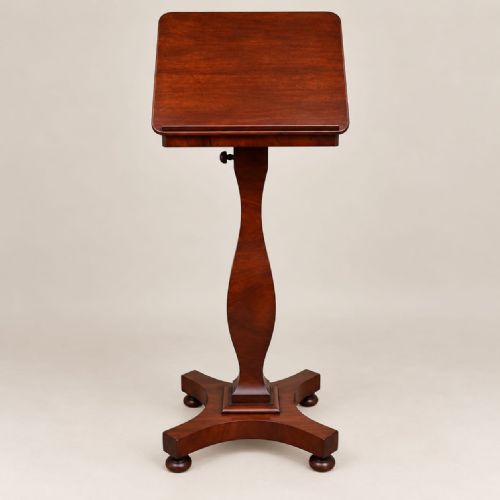
Adjustable reading stands and lecterns also stood near armchairs or desks for holding heavy folios and books.
How do I distinguish Regency pieces from later Victorian ones?
Regency pieces tend to feature cleaner architectural lines, heavy reliance on solid mahogany, and classical motifs like brass inlay or lyre supports.
Victorian and later nineteenth-century examples often embrace figured burr walnut, intricate marquetry, or alternative materials such as bamboo.