


Vintage Sheet Music Storage
Vintage sheet music storage covers dedicated wooden cabinets, canterburies and piano stools designed to keep scores tidy in the parlour.
Vintage Sheet Music Storage
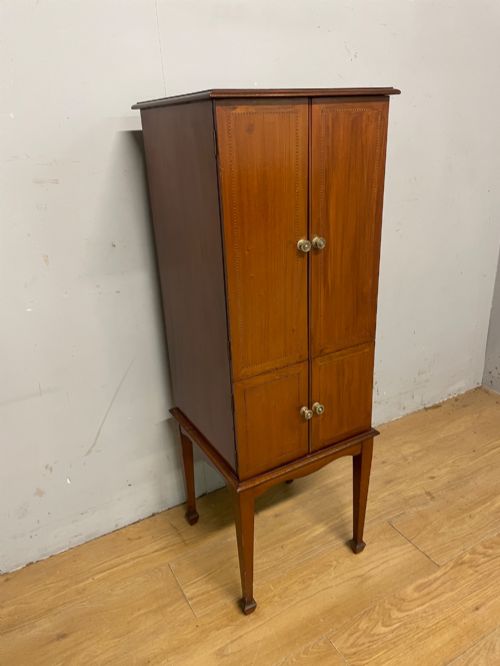
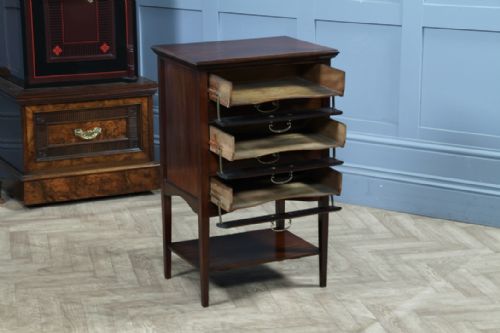
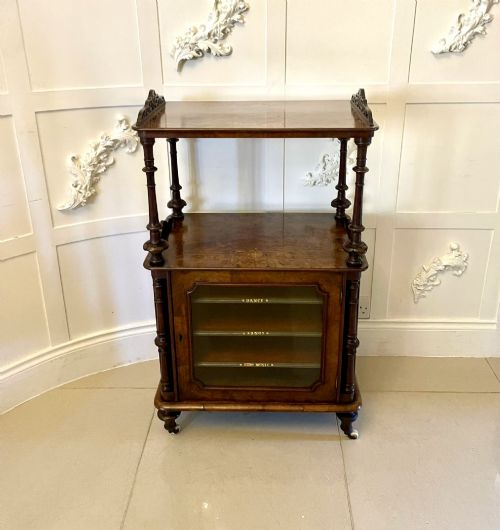
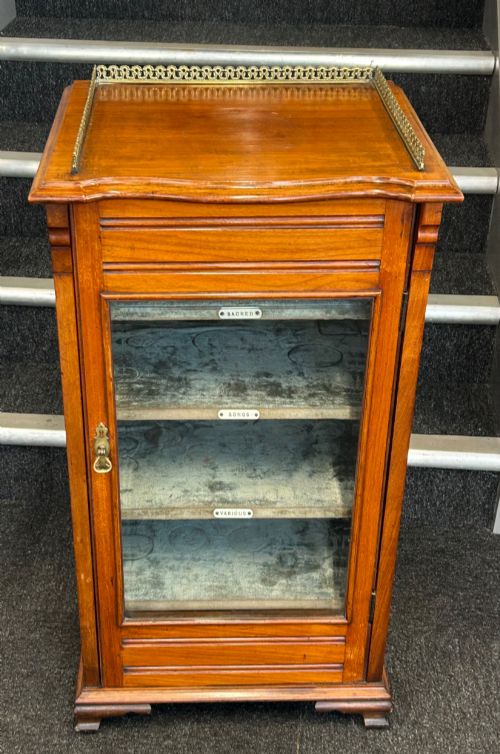
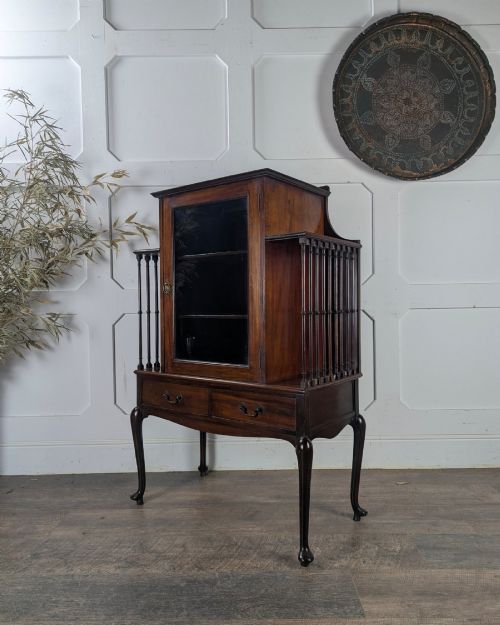
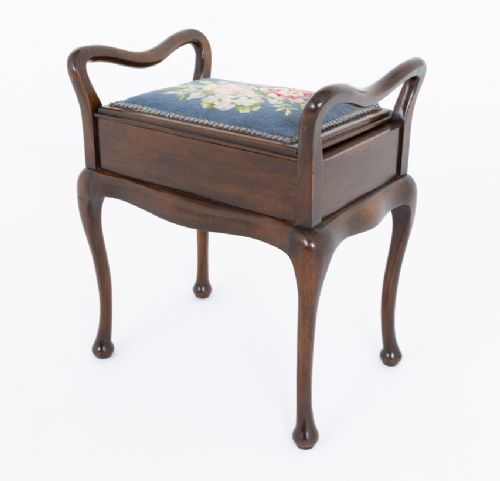
Vintage sheet music storage takes the form of music cabinets, canterburies, filing cabinets and piano stools. These pieces originate from periods spanning the nineteenth century through to the art deco era, with Edwardian examples appearing most frequently.
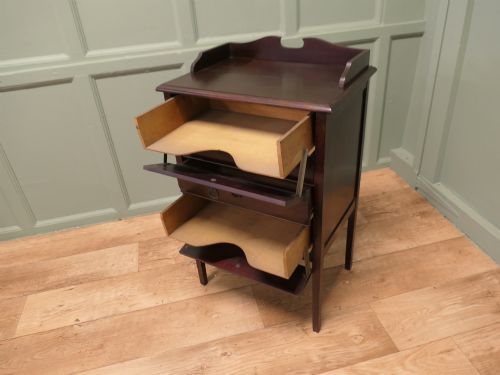
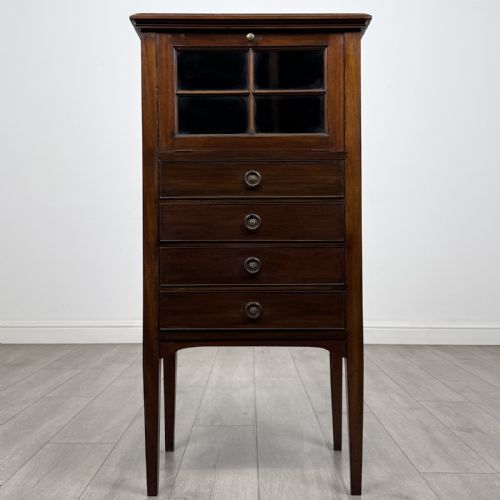
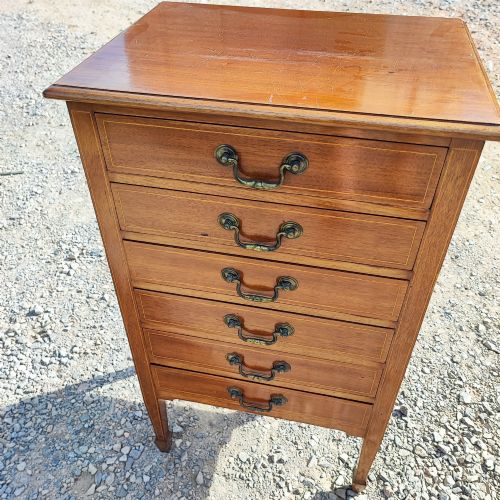
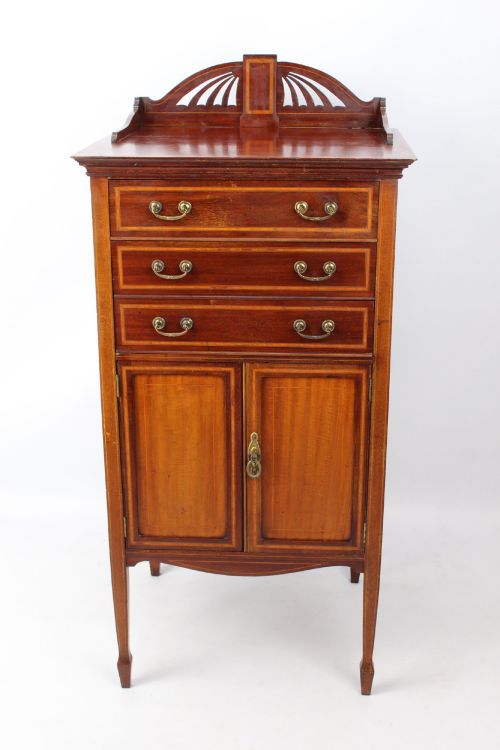
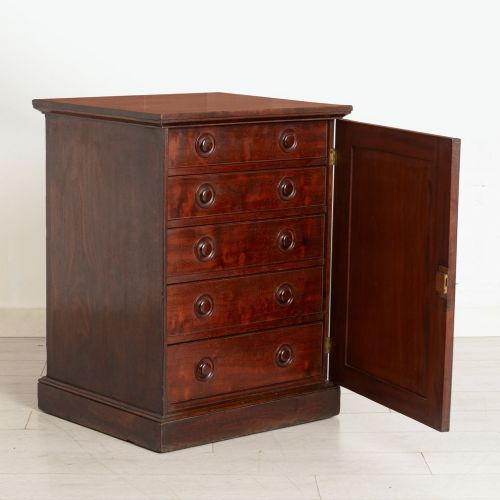
The primary function of these items is the orderly filing of paper scores, periodicals and folios. Cabinets typically feature multiple shallow drawers or a fall front, whilst canterburies provide open vertical partitions for easy access.
What varies in quality
Quality rests on the selection of timber and the precision of the cabinet work, particularly in inlaid details and drawer construction. Finer examples display figured veneers, such as burr walnut or Cuban mahogany, alongside branded maker signatures.
The sophistication of the hardware and the integrity of internal filing mechanisms separate standard utility items from distinguished workshop commissions.
Vintage Sheet Music Storage Retail Price Guide 2026
Typical asking prices for vintage sheet music storage among the pieces listed under this phrase on Sellingantiques today, from the lower quarter to the upper quarter. They describe what is for sale here now, not the wider market.
Victorian musicians relied on fall-front cabinets so scores would not slide and crumple mid-performance.
GM Elwood·JS Henry·Denby and Spinks·Keeble London
The Vintage Sheet Music Storage Glossary
- Canterbury
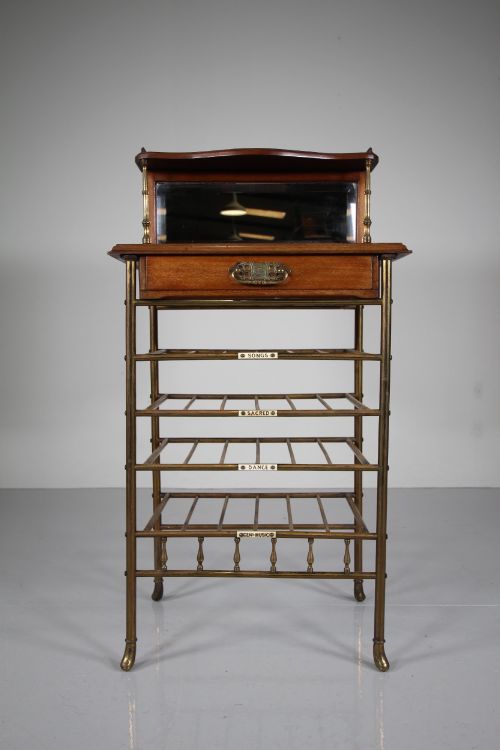
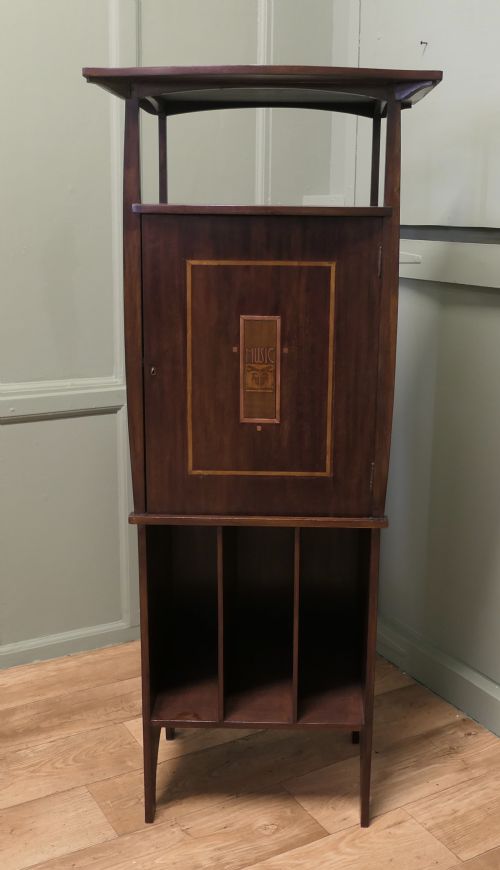
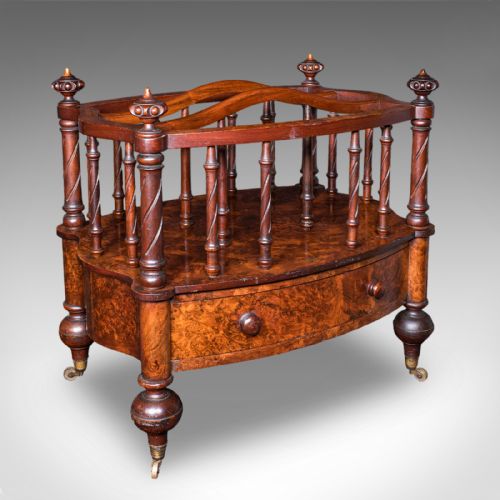
- A low stand featuring vertical partitions, originally designed for holding sheet music, newspapers and magazines. It often includes a small drawer at the base.
- Fall front
- A hinged door that drops forward to reveal interior shelves or slots, commonly found on music cabinets for easy access to scores.
- Marquetry
- Decorative woodwork where pieces of veneer are fitted into a ground to form geometric or floral patterns. This technique frequently decorates Edwardian and Victorian cabinet doors.
- Tambour
- A flexible sliding door made of narrow strips of wood glued to a canvas backing, seen on specific filing cabinets.
Vintage Sheet Music Storage: Frequently Asked Questions
How do I identify an Edwardian music cabinet?
Edwardian music cabinets typically feature light mahogany or walnut timbers, often accented with delicate marquetry inlay. They commonly present as slim upright furniture with four or more shallow drawers.
Look for interior markings or proportions designed specifically for standard paper scores rather than large books. The legs tend to be slender and tapered in keeping with the aesthetic of the period.
What is the difference between a canterbury and a music cabinet?
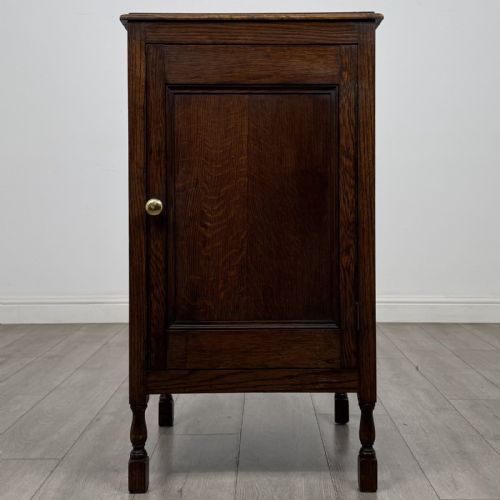
A canterbury is an open stand with vertical divisions intended for quick access to daily newspapers or active music sheets. Music cabinets are enclosed pieces featuring doors or drop-front drawers to protect paper from dust.
Canterburies rely on slatted frames and portability, whereas cabinets offer structured internal filing space and a solid top surface for display.
Can these cabinets hold modern paper sizes?
Most vintage music cabinets provide shallow drawers sized generously for historical folio and sheet formats. Standard modern paper fits easily within the wide drawers of Edwardian and Victorian examples.
It is sensible to check internal drawer dimensions if you intend to store oversized modern scores or art prints.
Where should I place a music cabinet at home?
These compact cabinets suit living rooms, studies or hallways as practical side tables or storage units. Their narrow footprints allow them to fit into tight spaces where standard shelving is too deep.
Keep wooden pieces away from direct heat sources and strong sunlight to preserve the polished veneer and inlay.