

Edwardian Mahogany Drawers
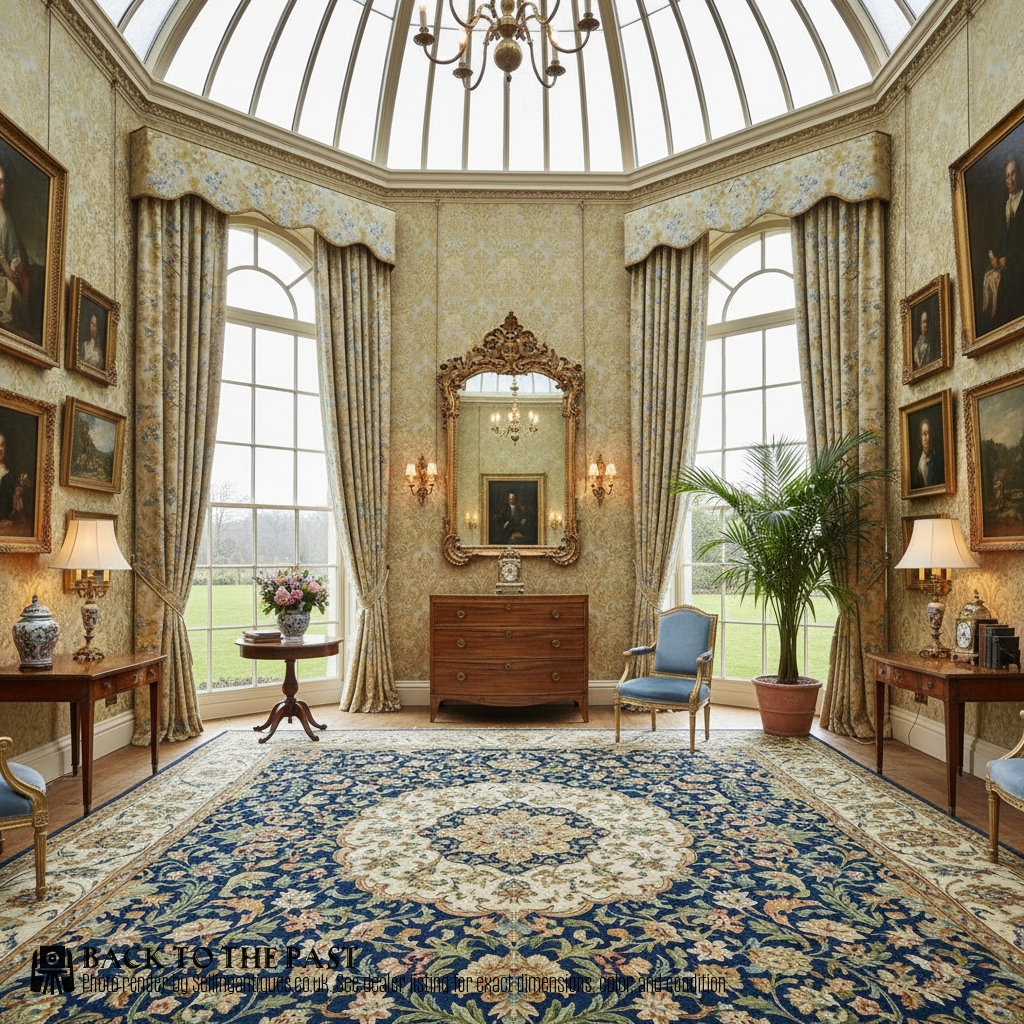
Edwardian mahogany drawers bring warm timber and refined proportions into a room, offering practical storage disguised as quiet elegance.
Edwardian Mahogany Drawers
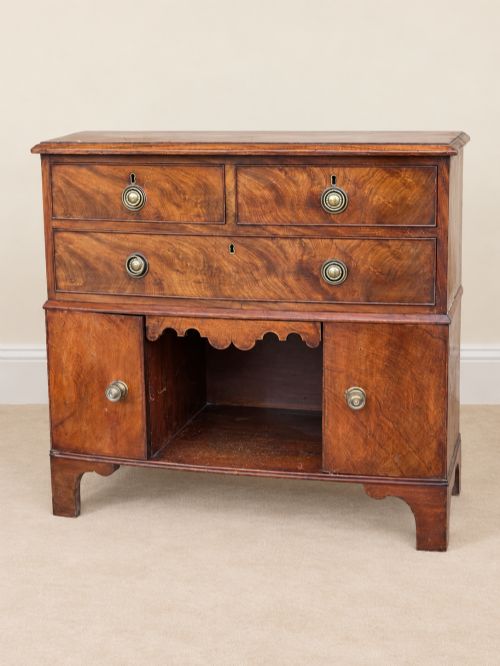
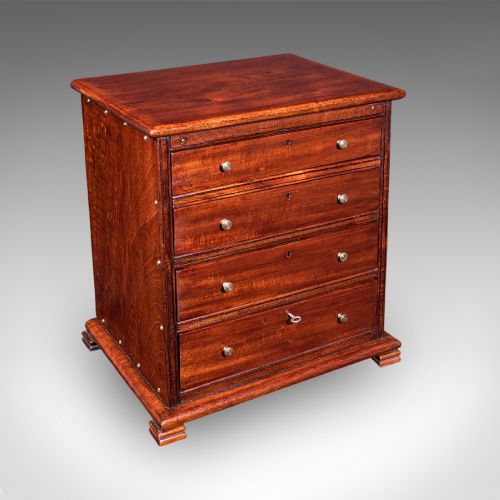
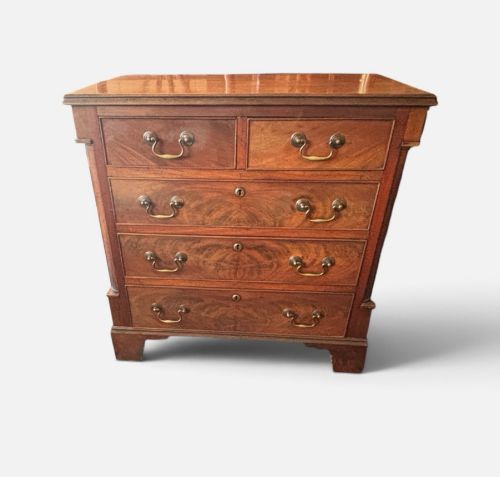
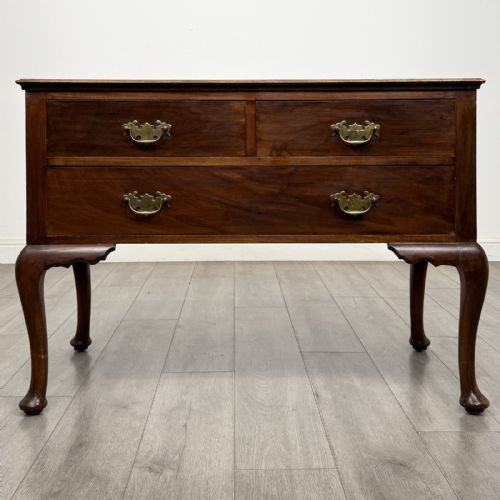
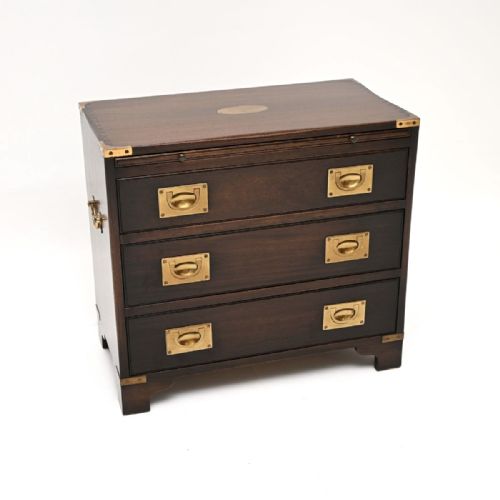
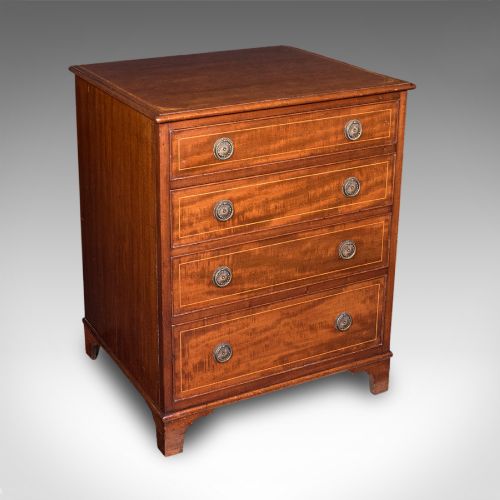
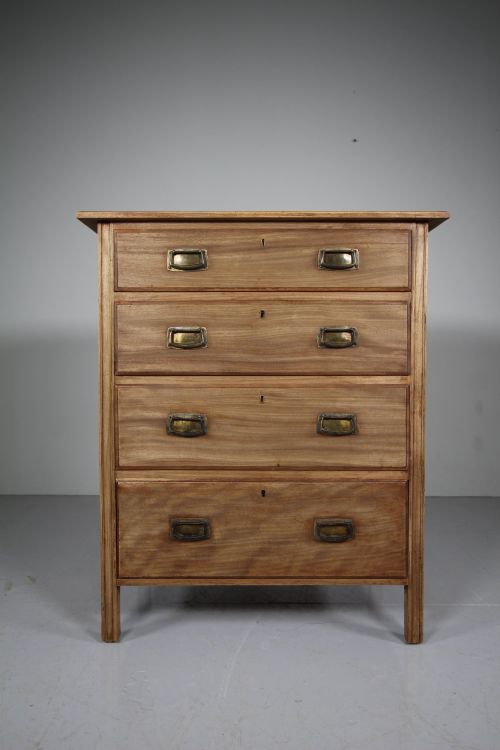
When searching for edwardian mahogany drawers, buyers encounter pieces designed around the turn of the twentieth century alongside earlier Victorian and later forms. The core of this category consists of chests of drawers, often constructed with multiple graduating tiers and straight or bow fronts.
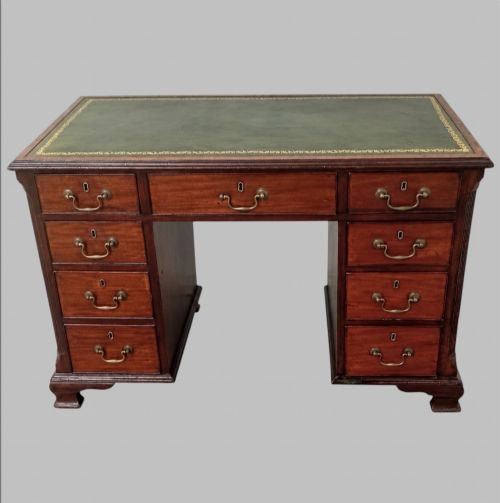
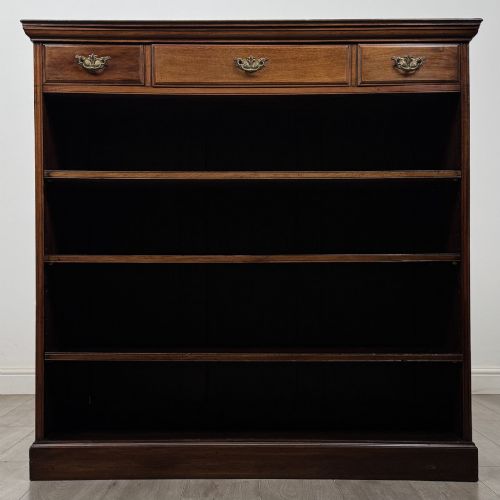
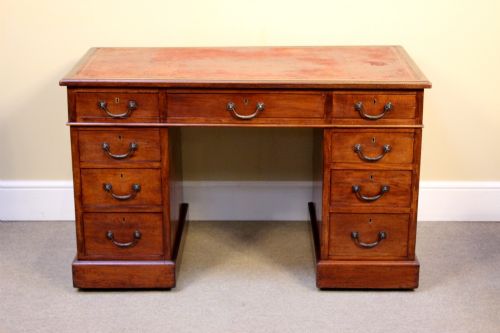
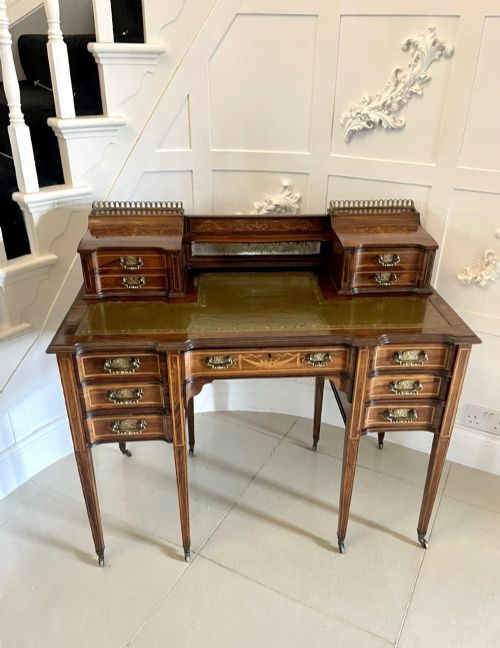
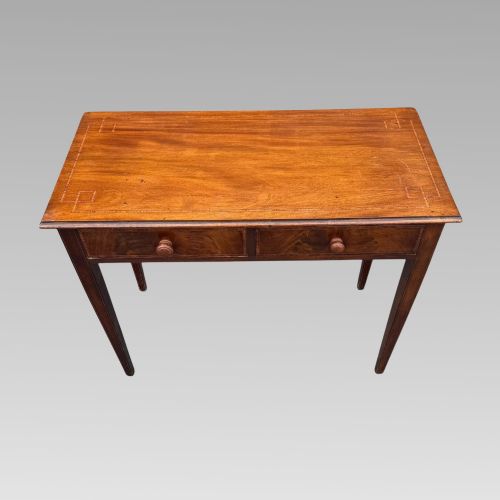
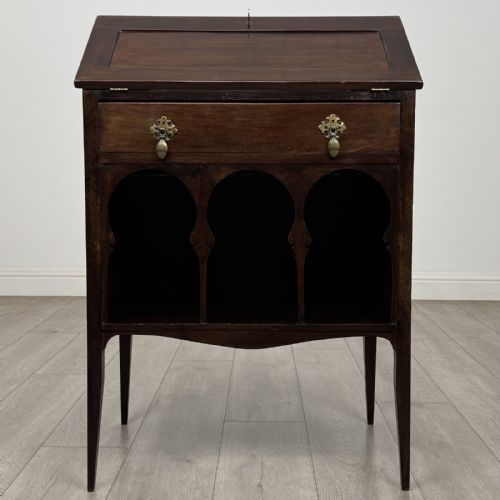
Beyond standard chests, the inventory spans tallboys, Wellington chests, combination wardrobes, and writing desks fitted with drawers. Many examples incorporate satinwood crossbanding or boxwood stringing, reflecting the revival of Georgian tastes popular in the period.
The origin of these pieces ranges from London workshops to regional cabinet makers, with domestic bedroom furniture forming the largest share. Buyers meet both modest three-height chests and larger, highly figured serpentine examples designed for formal reception rooms.
Materials and Construction
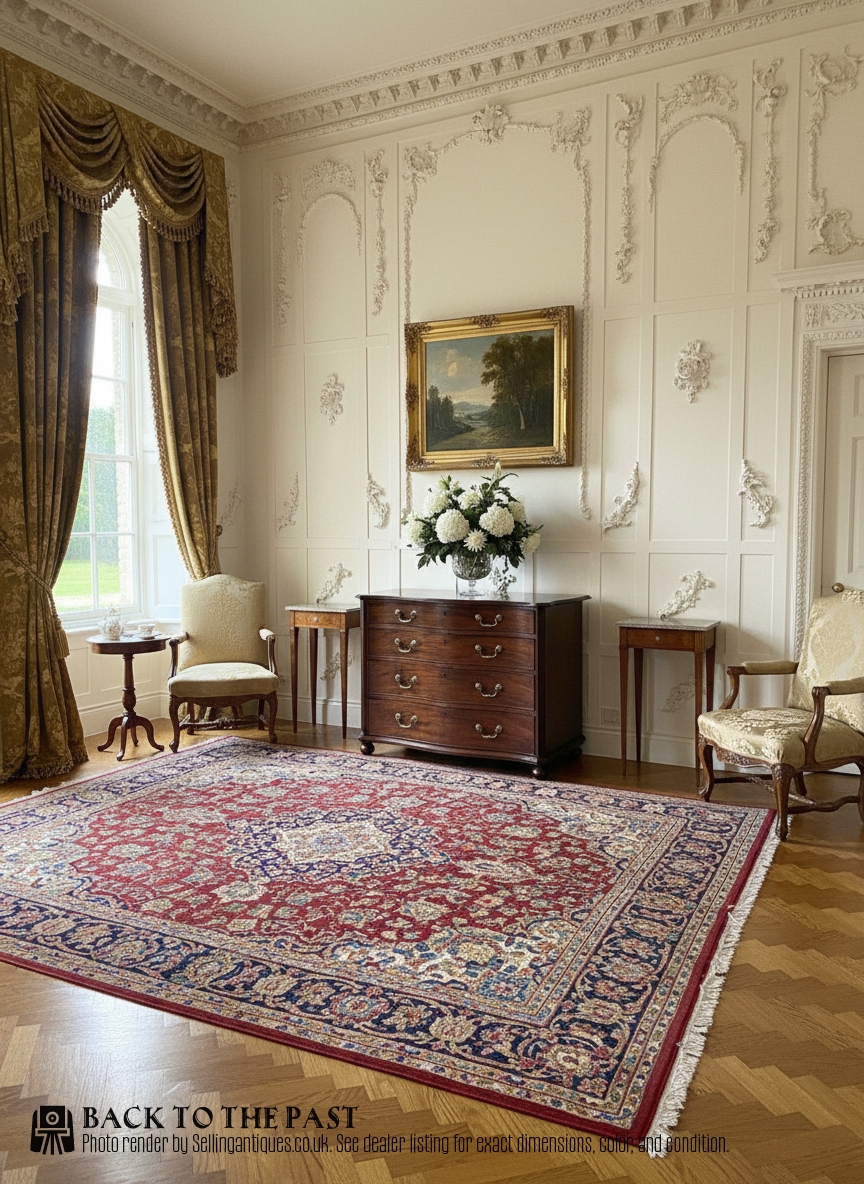
Cabinet makers relied primarily on solid mahogany and flame mahogany veneer applied to secondary timbers, selecting boards for depth of grain and natural lustre. Structural framing frequently utilised oak or pine, ensuring stability within the carcase and drawer linings.
Detailing relied on contrasting timbers such as satinwood and boxwood for inlay work, complemented by hardware cast in brass. Drawer construction typically employed hand-cut dovetails, while sliding components and internal dividers received careful secondary carpentry.
Edwardian Mahogany Drawers Retail Price Guide 2026
Typical asking prices for edwardian mahogany drawers among the pieces listed under this phrase on Sellingantiques today, from the lower quarter to the upper quarter. They describe what is for sale here now, not the wider market.
Victorian and Edwardian makers tucked secret drawers behind dummy book spines and inside cylinder desks for hidden letters.
Judging Quality and Execution
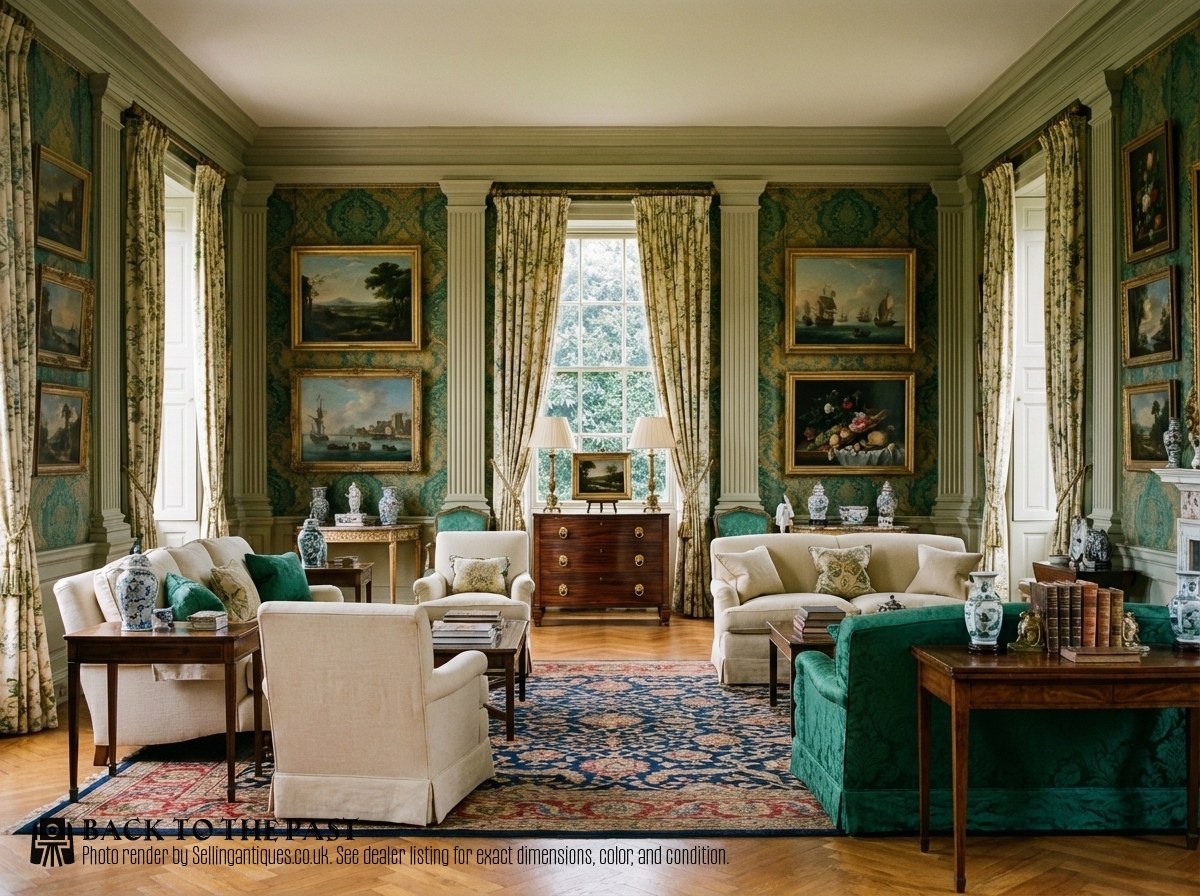
The grade of timber dictates visual presence, separating plain stock from intensely figured flame mahogany selected for drawer fronts. Superior execution shows in the crispness of inlay work, the symmetry of wood grain matching, and the retention of original brass handles.
Structural integrity depends on drawer movement and the tightness of dovetail joints, reflecting the original workshop standard. Pieces retaining fitted interiors, original leather writing surfaces, or maker stamps command distinct attention from collectors.
Whytock and Reid·Heal and Son·Maples and Co·Edwards and Roberts·Robinsons of Newcastle
The Edwardian Mahogany Drawers Glossary
- Bow Front
- A convex curved cabinet front that projects outward at the centre. This shape requires advanced woodworking skill to bend timber and fit drawers accurately.
- Satinwood
- A pale, lustrous exotic timber used extensively for contrasting stringing and crossbanding on Edwardian case pieces. Its yellow tone brightens darker mahogany surfaces.
- Wellington Chest
- A tall, narrow chest of drawers secured by a hinged vertical locking sidebar on the right edge. Originally designed for sorting papers securely.
- Dovetail
- An interlocking joint formed by wedge-shaped tenons and mortises, securing drawer corners. Hand-cut examples indicate traditional workshop construction.
- Crossbanding
- A decorative border of veneer laid perpendicular to the surrounding grain. It frames drawer fronts and table tops with subtle linear contrast.
Edwardian Mahogany Drawers: Frequently Asked Questions
How do I identify an Edwardian chest?
Edwardian chests often feature lighter framing, satinwood stringing, and brass ring drop handles reflecting the revival of eighteenth-century styles. The internal secondary timbers are typically lighter in tone compared to earlier Victorian equivalents.
Drawer construction usually reveals machine assistance alongside traditional hand-cut dovetails, and proportions tend to be slightly more slender than nineteenth-century counterparts.
Where were these pieces used originally?
These items served primarily in bedrooms, dressing rooms, and studies within middle and upper-class Edwardian homes. Larger chests and tallboys provided linen and clothing storage, while smaller tables and desks functioned in parlours.
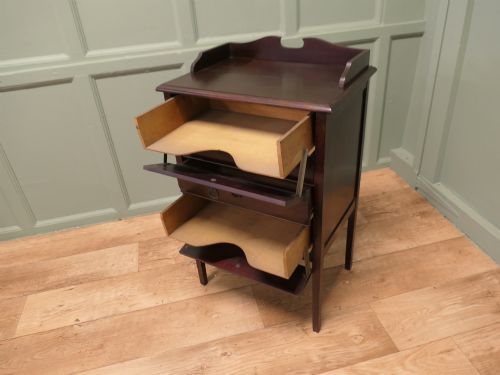
Specialist variants like music cabinets and Wellington chests met specific domestic needs for sheet music and private papers.
How should I care for mahogany?
Maintain mahogany furniture by keeping it away from direct sunlight and sudden temperature shifts that dry the timber. Dust regularly with a soft, dry cloth and apply a quality beeswax sparingly when the wood appears dry.
Avoid silicone-based polishes, as they build up over time and dull the natural grain of the polished surface.
Can I use these in modern rooms?
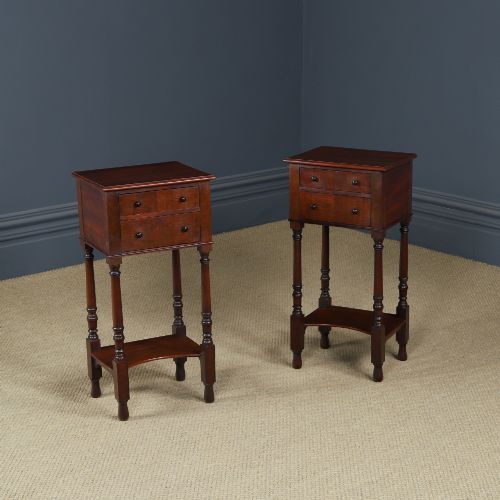
The warm red-brown tones and compact proportions of Edwardian drawer units integrate smoothly into contemporary living spaces. They function effectively as bedside tables, hallway console units, or living room storage.
Their restrained decoration allows them to sit comfortably alongside minimalist or mid-century interior schemes.