
Antique Storage Furniture
Antique storage furniture brings together Georgian, Regency and 18th Century pieces designed to hold domestic goods with lasting utility.
What antique storage furniture is
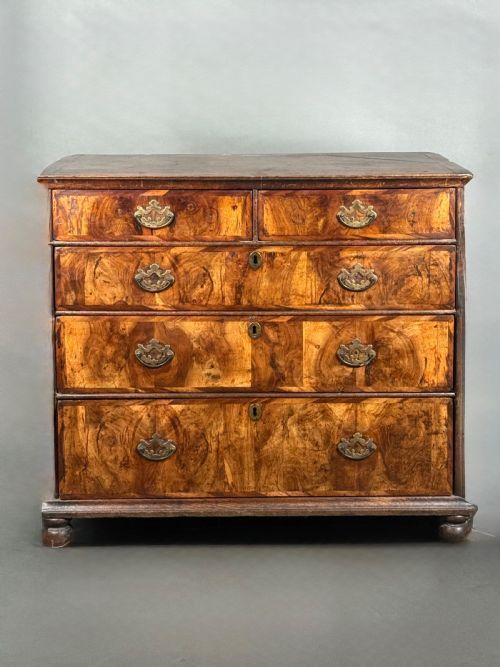
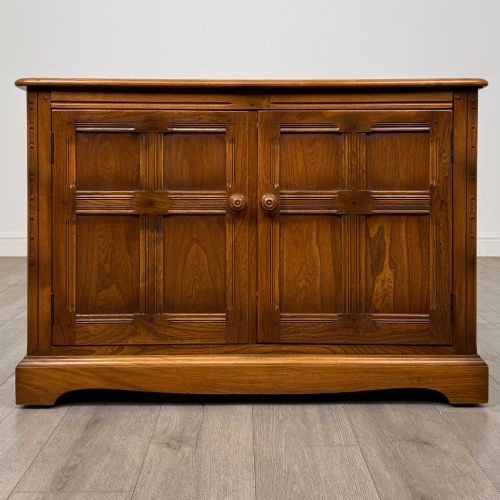
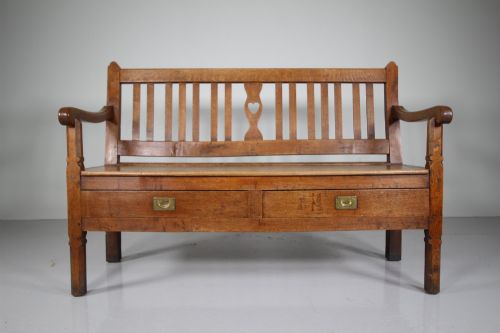
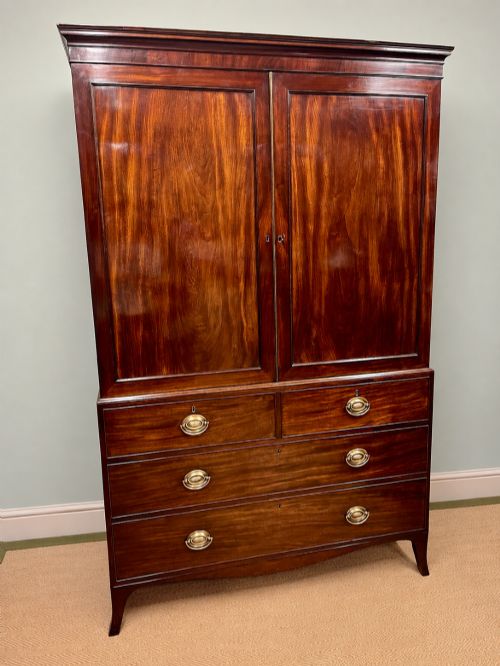
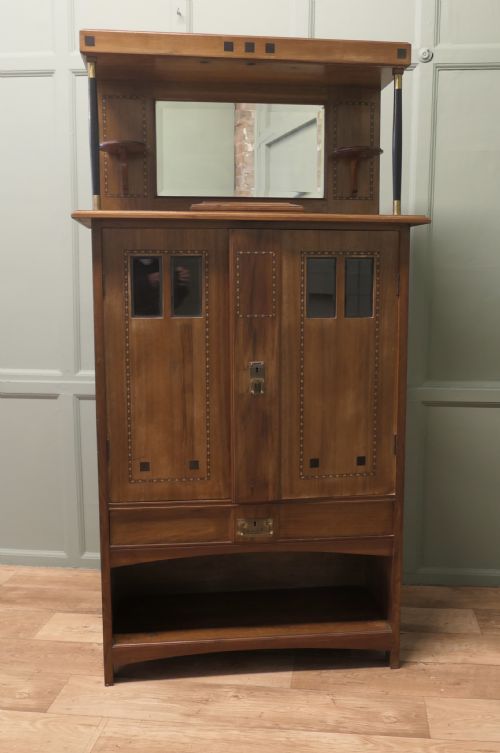
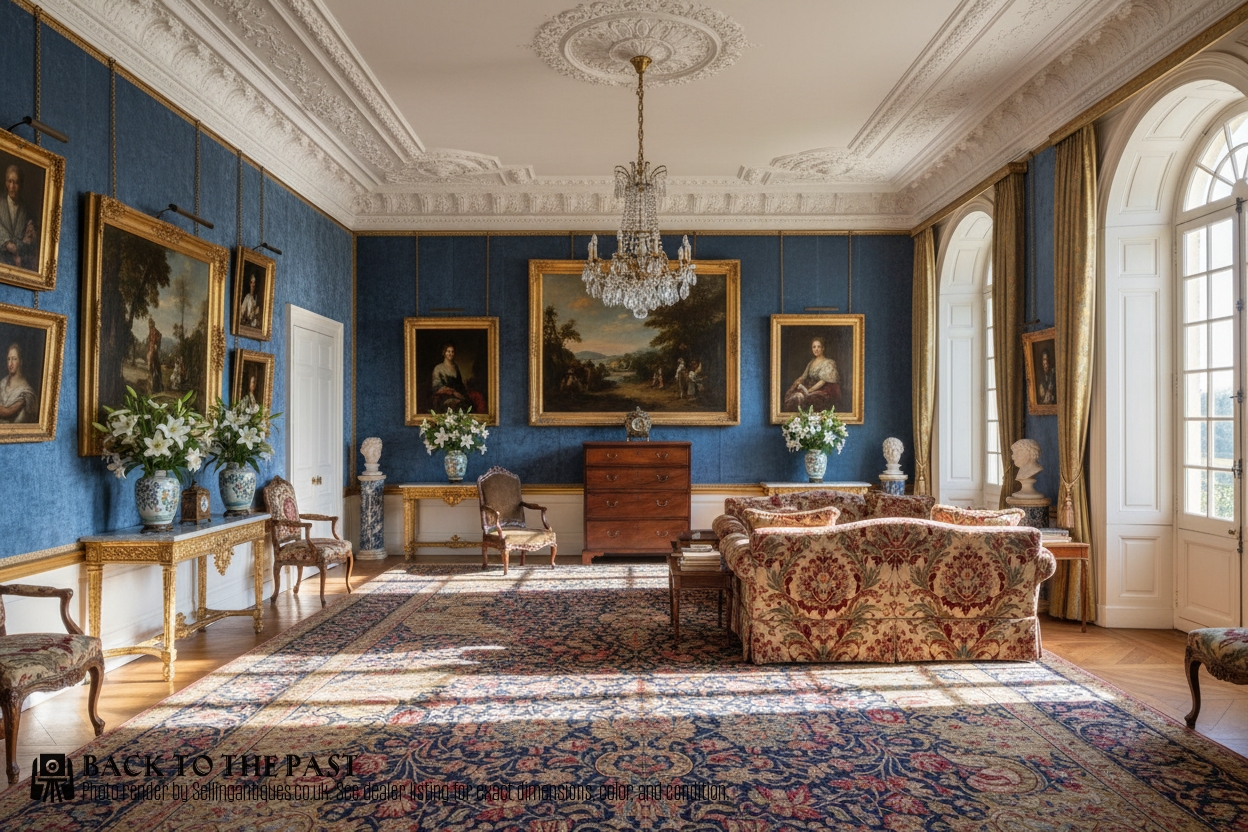
When you search for antique storage furniture, you encounter robust timber pieces built primarily to hold clothing and household goods. The selection centres heavily on chests of drawers spanning the Georgian, Regency and 18th Century periods, alongside occasional larger utilitarian forms like larder cupboards.
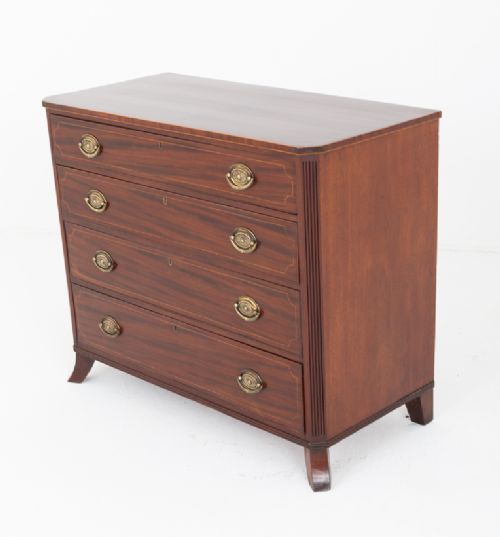
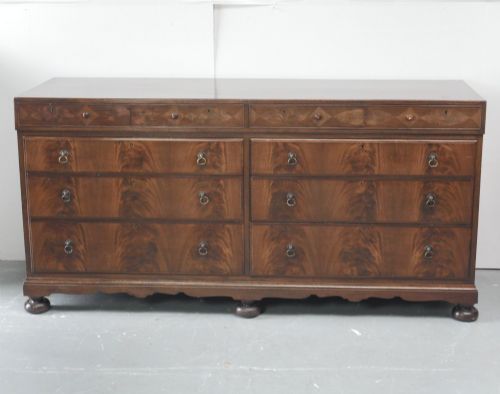
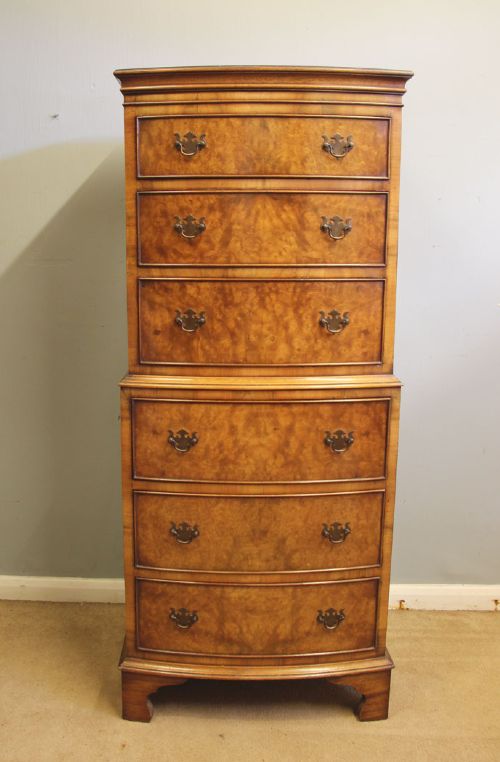
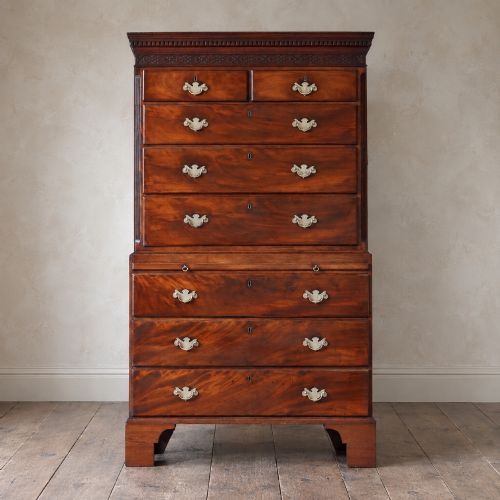
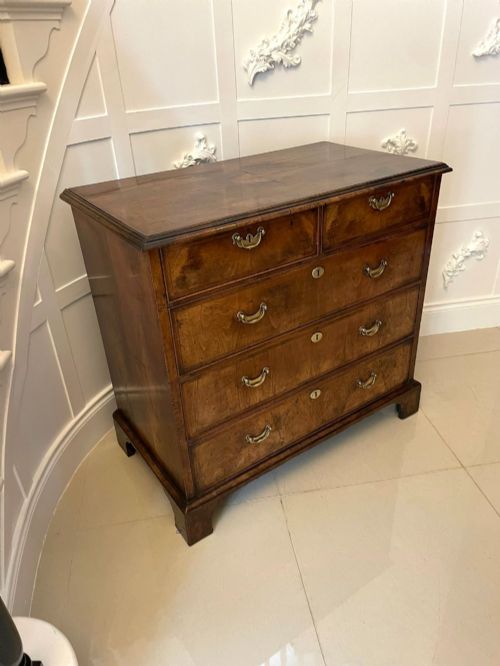
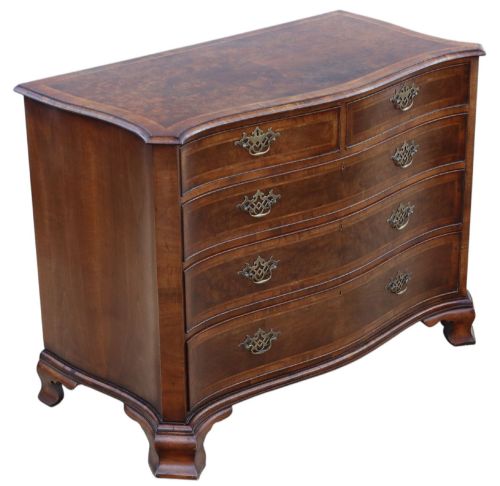
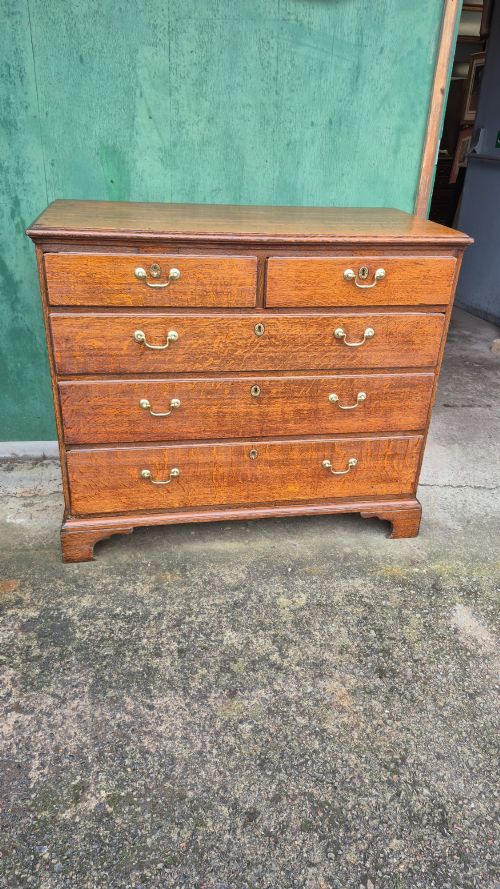
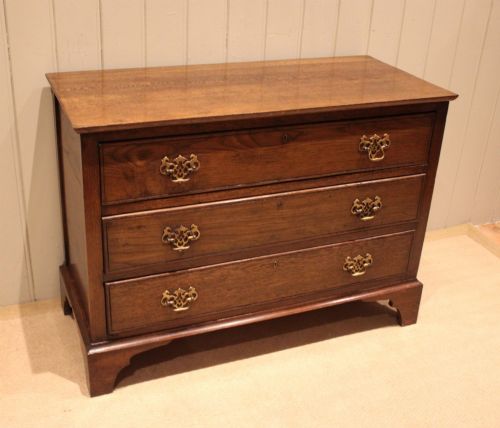
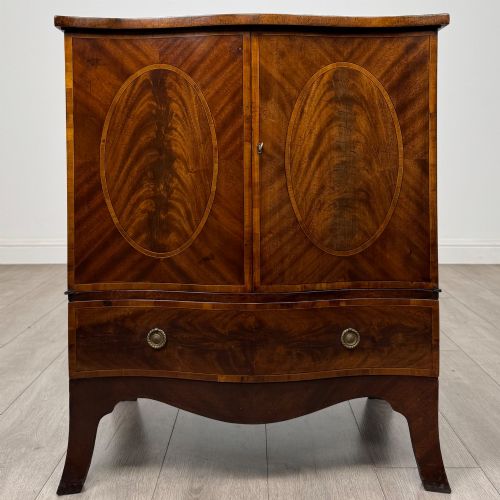
The most common form you meet on this page is the chest of drawers in mahogany, flame mahogany or oak. These range from small four-drawer banks and bow-fronted designs to large 'D' front pieces and Dutch rococo examples.
Each piece reflects the domestic requirements of its era, offering deep drawers and sturdy construction. They serve as functional storage items that double as focal points in period or contemporary interiors.
How they were made
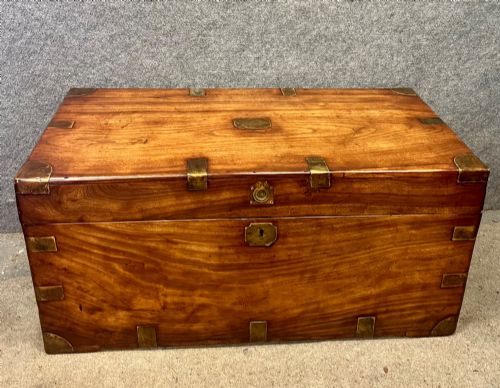
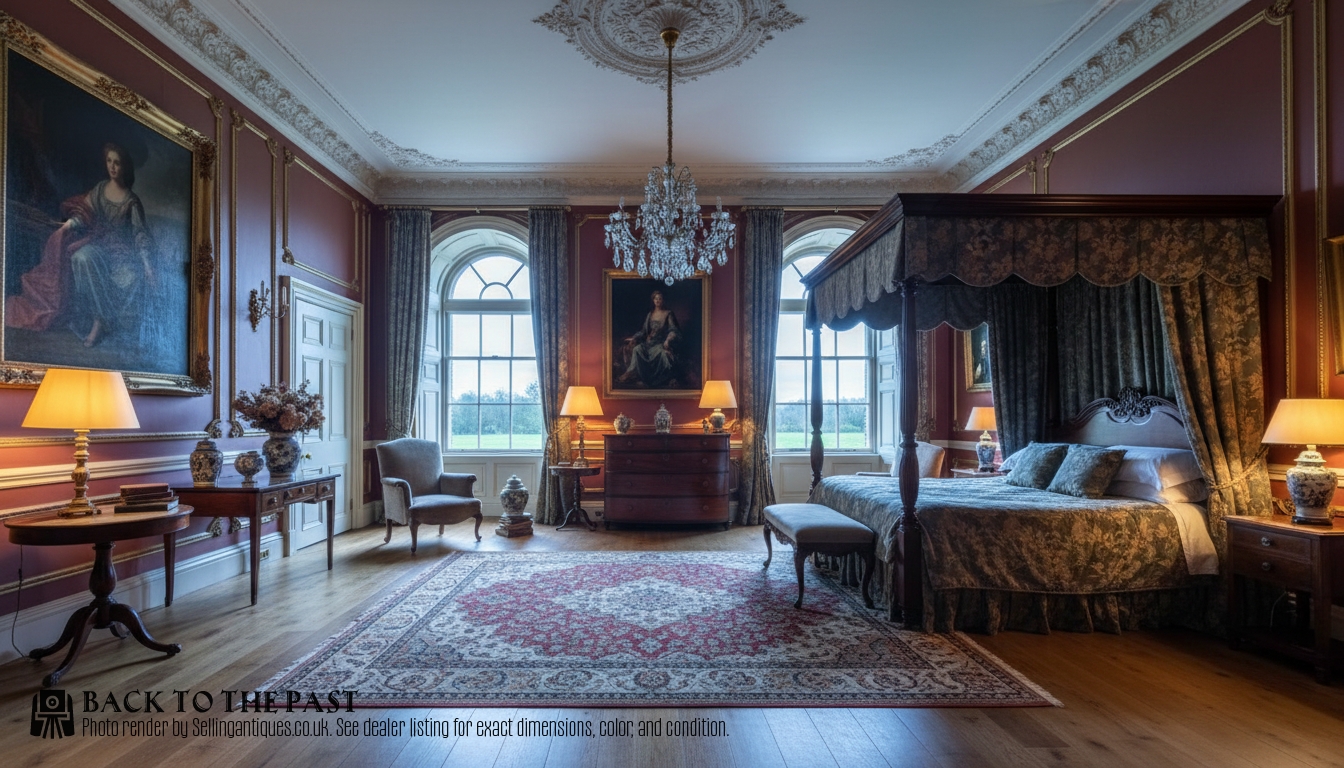
Cabinet makers utilised dense timber stocks, predominantly mahogany, flame mahogany and oak, selected for durability and visual grain pattern. Brass hardware such as handles and locking mechanisms provided both functional utility and structural accent.
Retail Price Guide 2026
Typical UK retail prices for storage furniture, calculated from the Sellingantiques database of over a million retail prices indexed since 2003. This retail price guide relies exclusively on Sellingantiques data; no external sources or auction records are used, so the figures do not describe the wider market.
Listings feature mahogany, flame mahogany, oak and brass across Georgian, Regency and 18th Century periods.
What varies in quality
Quality rests upon the selection of timber, such as the deliberate choice of flame mahogany veneers versus standard grain, and the sophistication of the silhouette. Pieces featuring sophisticated shapes like bow-fronts or 'D' fronts demonstrate greater cabinet-making ambition.
The integration of original brass hardware and functional locking mechanisms elevates a piece. Superior execution is visible in the crispness of the joinery and the harmonious proportions of the drawers across Georgian and Regency examples.
The Antique Storage Furniture Glossary
- Bow-front
- A cabinet front that curves outward in a convex shape, common in Georgian chests of drawers. This styling softens the rectangular silhouette of the piece.
- Flame mahogany
- A veneer cut from timber where the branches join the trunk, creating a flamed or mottled figure. Cabinet makers used this to add visual movement to drawer fronts.
- D-front
- A furniture profile shaped like a capital letter D, flat at the back and curved at the front. Large Regency chests frequently utilise this form.
- Bank of drawers
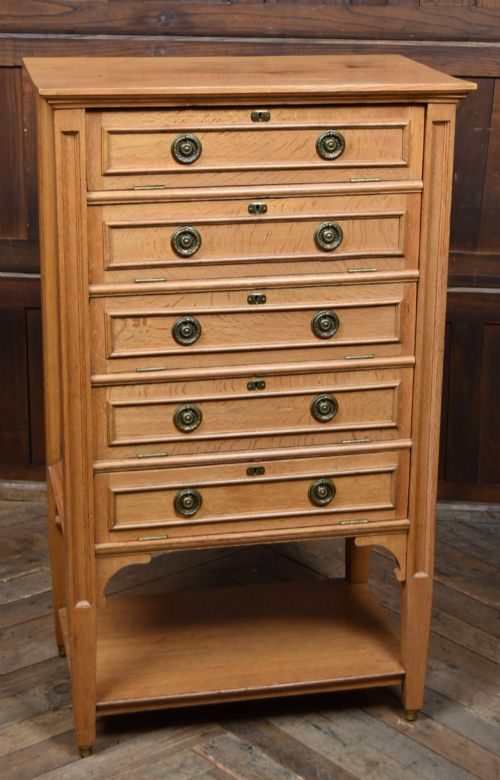
- A vertical stack of multiple drawers housed within a single carcase. Smaller versions were often built for specific sorting or storage tasks.
Frequently Asked Questions
What periods do these pieces come from?
The pieces span the 18th Century, Georgian and Regency periods, alongside the broader 19th century.
Cabinet-making styles evolved subtly across these eras, moving from Dutch rococo influences to cleaner Regency proportions.
What materials were used?
Makers relied heavily on hardwoods like mahogany, flame mahogany and oak. Brass was commonly utilised for handles, escutcheons and locking mechanisms.
Timber selection defined both the strength and the aesthetic character of each storage item.
Where were these pieces used?
They served primarily in domestic settings, from bedrooms and parlours to country house kitchens and larders. Larger cupboards housed food stores, while chests organised clothing and linens.
Their robust construction allowed them to withstand heavy daily use over centuries.