
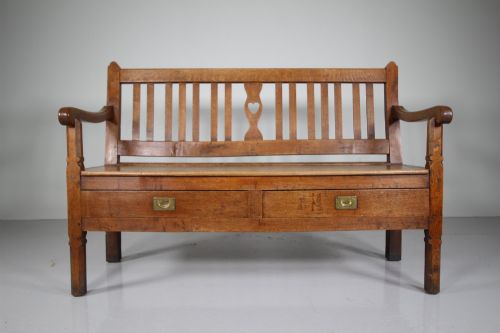
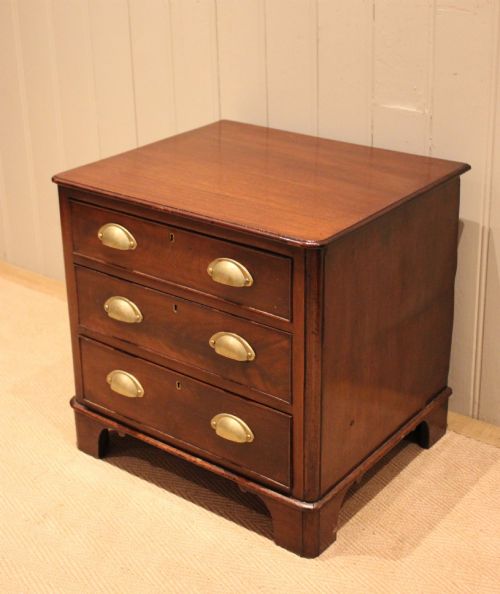
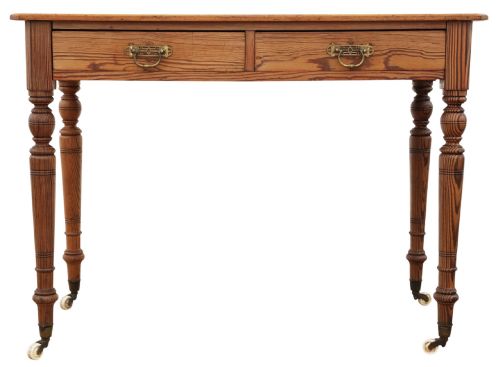
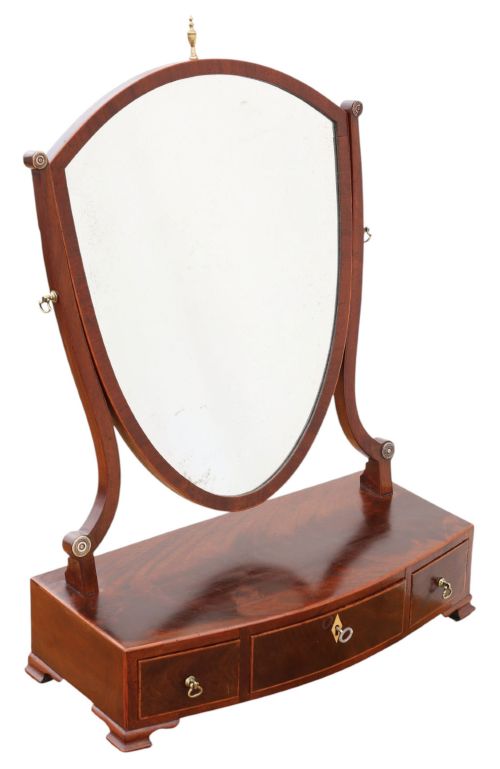
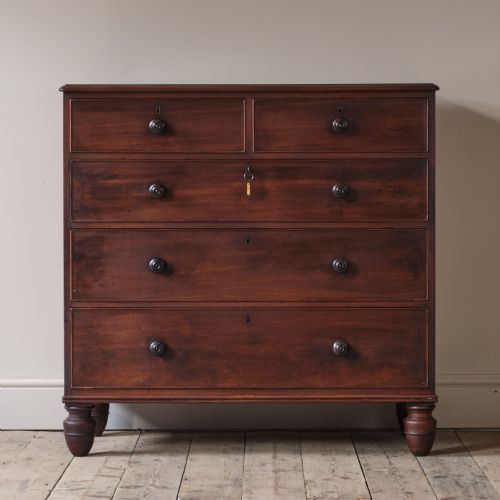
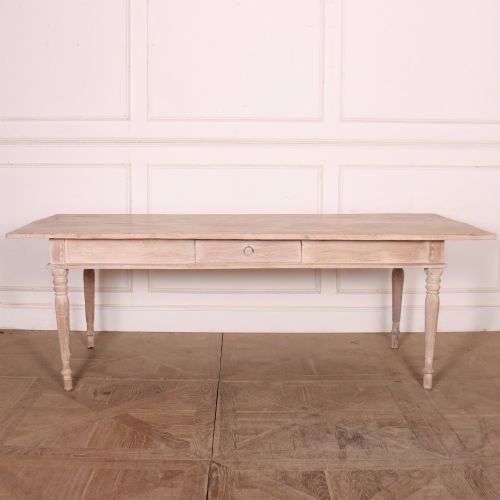

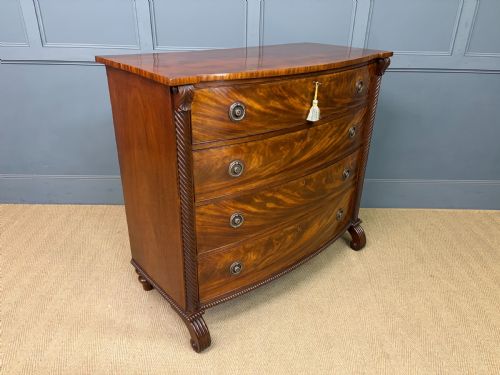
19th Century Drawers
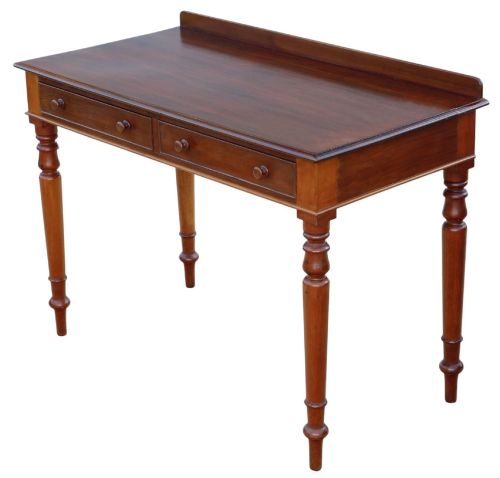
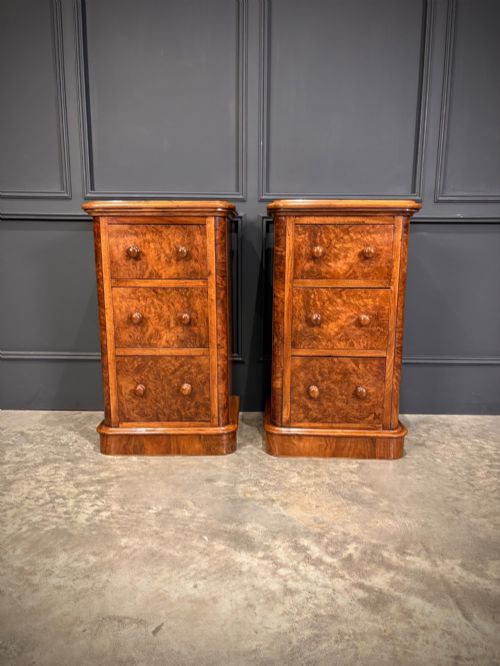
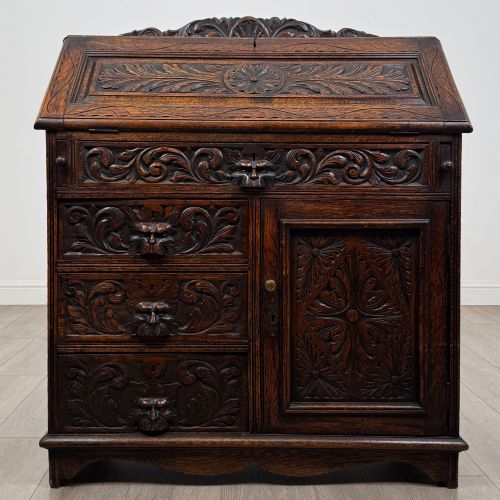
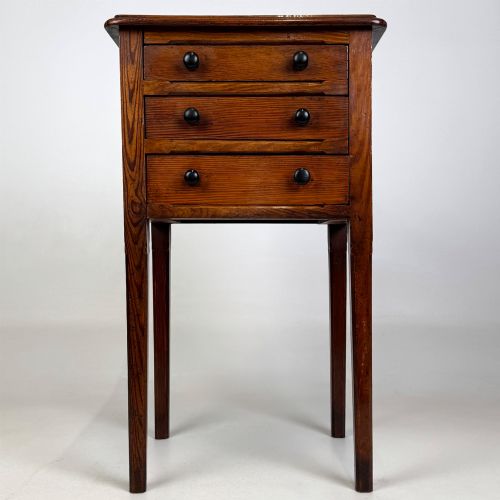
These 19th century drawers are sturdy storage chests built across multiple European traditions, offering robust timber construction and generous proportions.
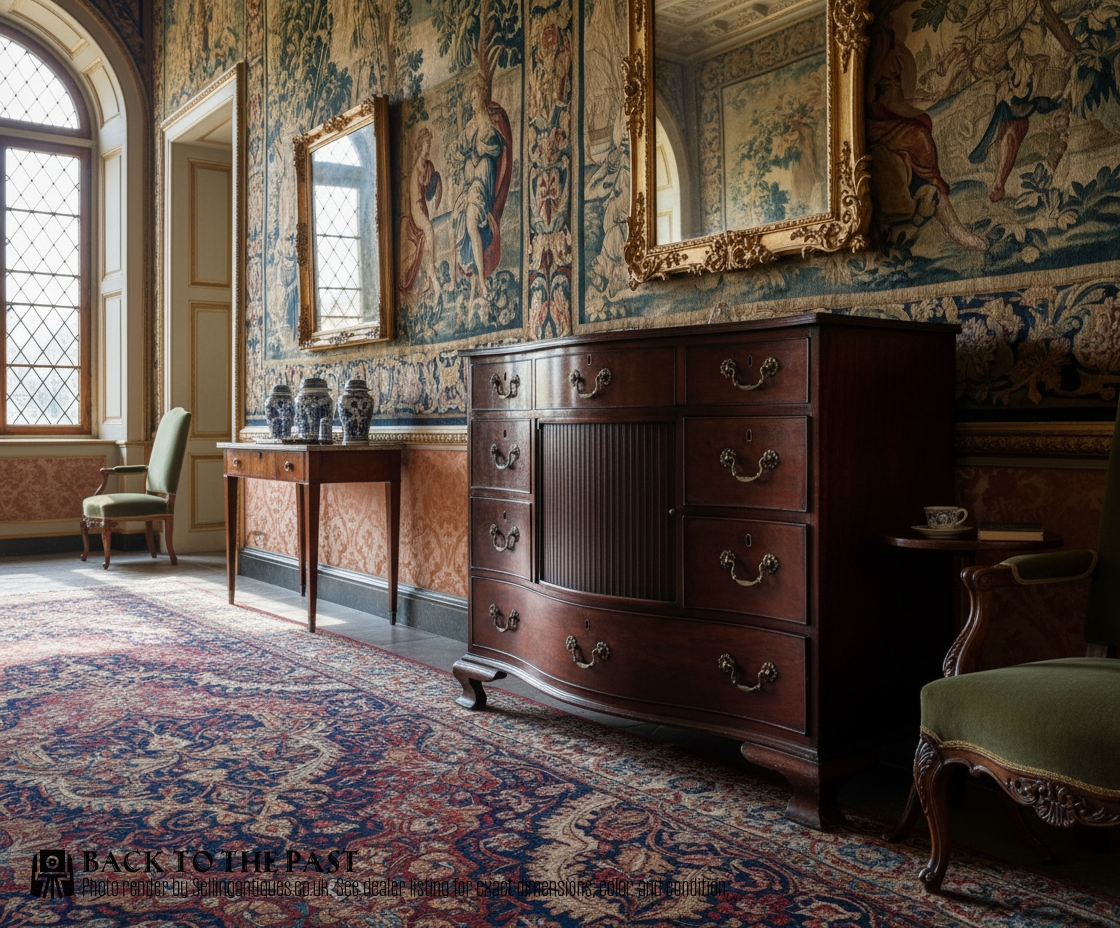
What 19th century drawers are
When buyers search for 19th century drawers, they seek functional storage pieces built during a period of diverse regional cabinet-making. These items take many forms, from formal English mahogany chests to rustic Scandinavian painted pine pieces and specialised campaign furniture.
The most common examples on this page are mahogany chests of drawers from the Victorian and Georgian eras, alongside walnut commodes and painted pine storage items. Buyers encounter everything from tall five-height chests to low bedside units and specialised apothecary or campaign configurations.
How they were made
Cabinet-makers utilised solid timbers such as mahogany, oak, pine, and walnut, frequently applying veneers like burr walnut, curl mahogany, and satinwood to primary surfaces. Drawer construction relied on hand-cut dovetails, while structural framing incorporated timber panels joined securely by traditional methods.
Metal hardware played a crucial role in both function and decoration, with brass handles, escutcheons, and campaign mounts fitted to drawer fronts. Painted pine pieces received layers of pigment or scumble glazes, protecting the wood and creating distinctive decorative finishes.
Retail Price Guide 2026
Typical UK retail prices for 19th century drawers, calculated from the Sellingantiques database of over a million retail prices indexed since 2003. This retail price guide relies exclusively on Sellingantiques data; no external sources or auction records are used, so the figures do not describe the wider market.
Listings feature pieces spanning the nineteenth century, utilising mahogany, burr walnut, oak, satinwood, pine, and brass.
What varies in quality
The standard of timber selection and veneer matching defines the upper tier of these pieces, where cabinet-makers utilised figured woods like plum pudding mahogany or burr walnut across entire facades. Lesser examples relied on secondary softwoods with simple pine drawer linings and minimal decorative graining.
Execution of internal joinery and hardware integration separates standard utility items from high-end commissions. Finely constructed pieces feature smooth drawer action, solid brass fittings, and secondary woods chosen for durability rather than mere economy.
T & G Seddon·Heals Of London
The 19th Century Drawers Glossary
- Campaign chest
- A portable set of drawers split into sections with recessed brass handles, designed for military officers on the move during the nineteenth century.
- Commode
- A decorative chest of drawers, often originating from continental European workshops and finished with fine veneers or marble tops.
- Bow front
- A cabinet front curved in a convex shape, frequently seen on English Regency mahogany chests.
- Secretaire
- A chest of drawers incorporating a fitted writing drawer with a drop-front desk surface and pigeonholes.
- Scumble
- A translucent glaze applied over a painted base coat to imitate the grain of more expensive timber on pine furniture.
Frequently Asked Questions
How do I identify a campaign chest?
Military campaign chests are built in separate modular sections to facilitate transport on travels. They incorporate flush brass handles and corner brackets to prevent snagging during transit.
These pieces often divide horizontally into two stacked boxes resting on removable feet. The drawer interiors utilise robust secondary timbers designed to withstand moisture and rough handling.
Are painted pine chests authentic period pieces?
Painted pine chests served as utilitarian furniture in farmhouses and domestic quarters throughout Europe. Many retain their original surface treatments, including scumbled glazes and layered pigments applied by regional makers.
These functional items prioritised sturdy construction over expensive hardwoods, using tongue and groove panels. Their surfaces show the natural wear of daily household use over generations.
How do I care for antique drawer wood?
Maintain stable humidity levels in the room to prevent timber warping and veneer cracking. Avoid placing antique chests near direct heat sources or strong sunlight.
Clean surfaces with a dry cloth and apply natural wax sparingly to nourish older finishes. Modern cleaning sprays can damage historical polish and nineteenth-century wax layers.