

English Chest
An english antique chest is a sturdy storage piece in mahogany, oak or pine that brings enduring utility and historic character to a room.
What an english antique chest is
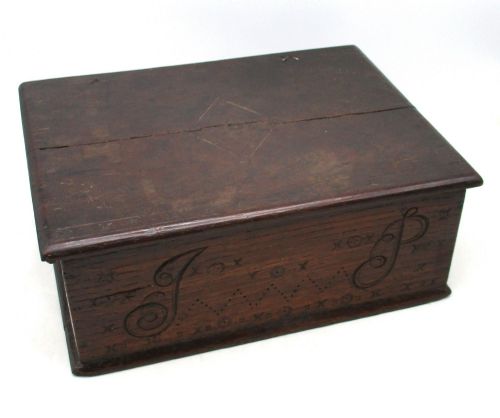
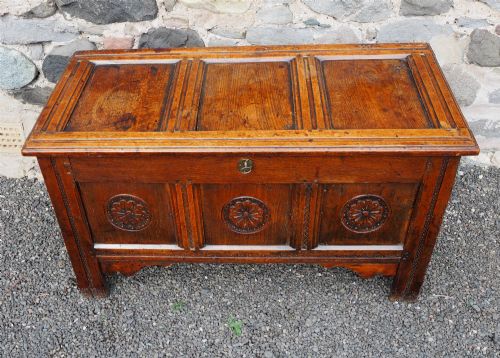
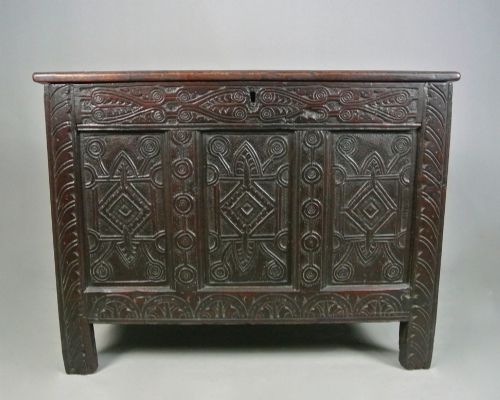
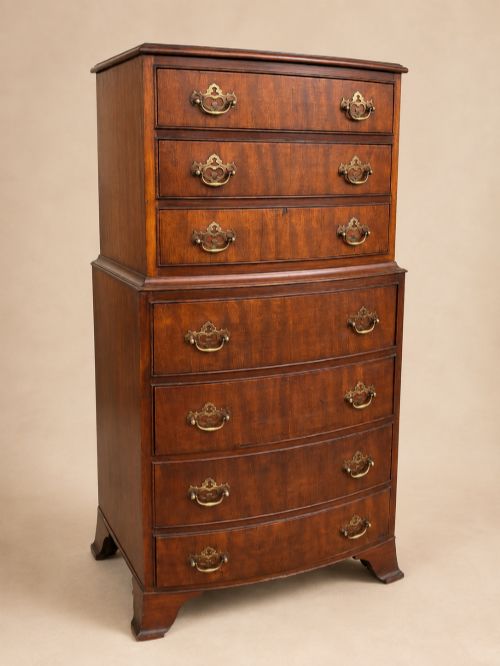
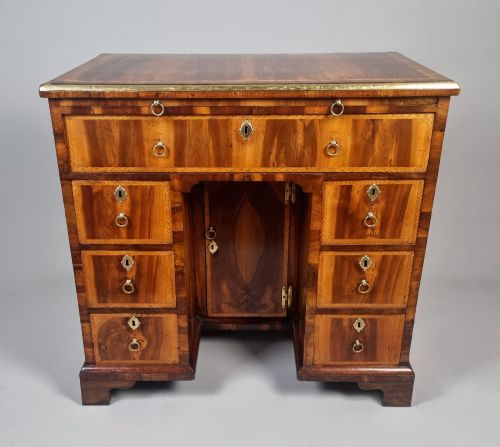
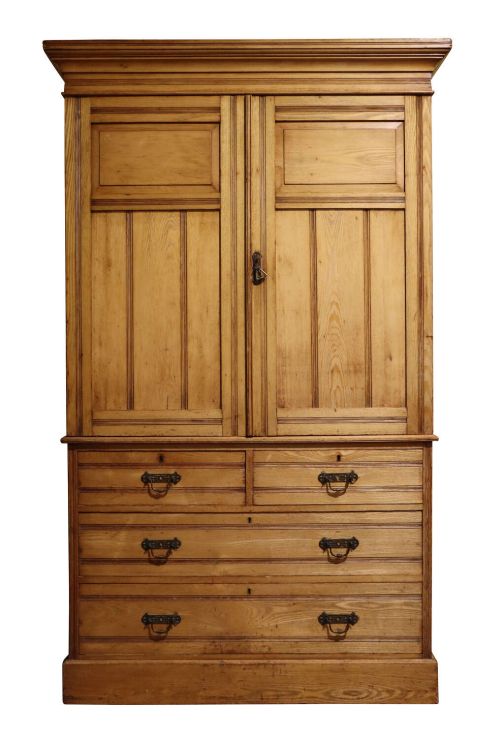
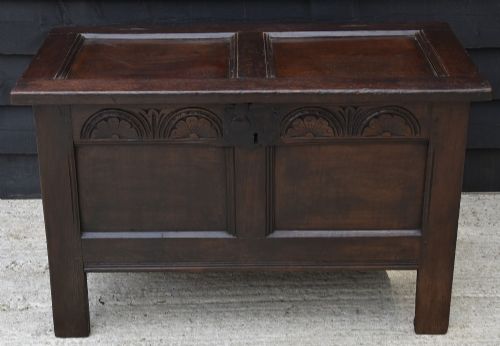
An english antique chest encompasses a variety of forms designed for storage, from blanket boxes and mule chests to chests of drawers, tallboys and campaign pieces. The evidence shows domestic examples produced across multiple centuries, alongside specialised pieces such as apothecary chests, haberdasher's cabinets and military chests.
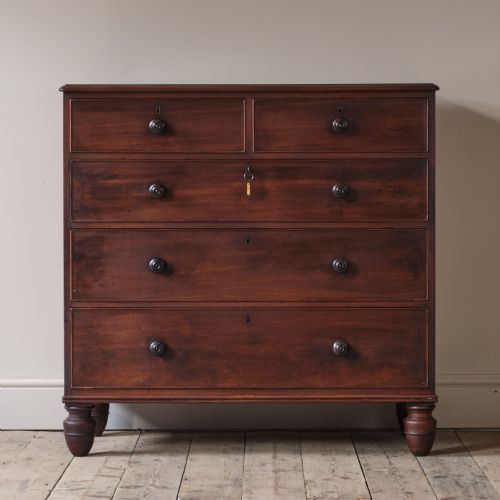
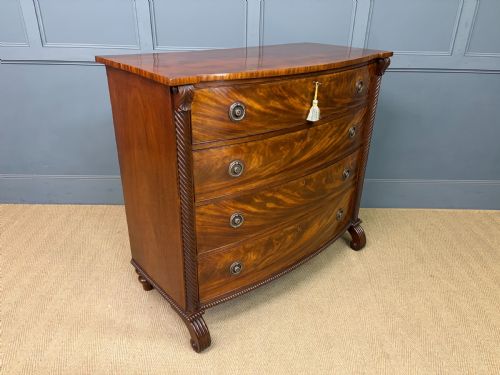
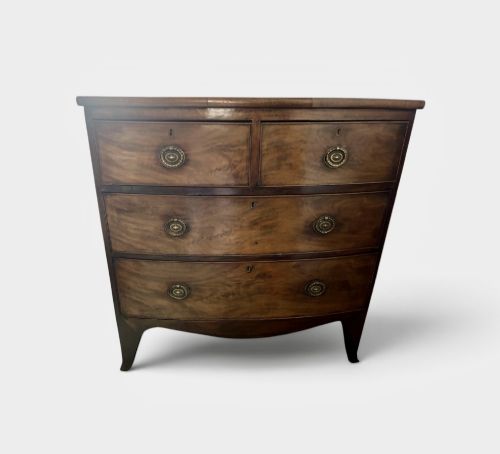
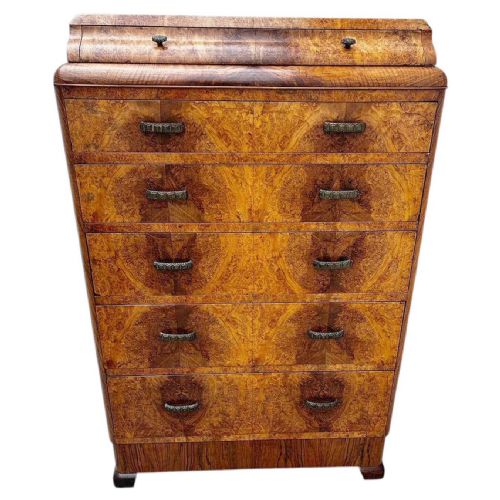
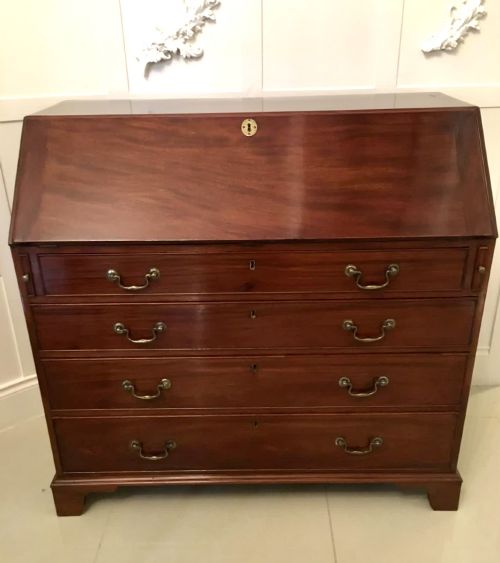
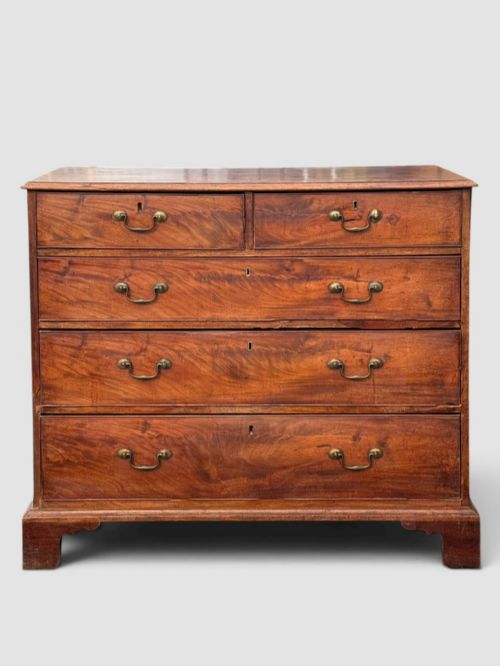
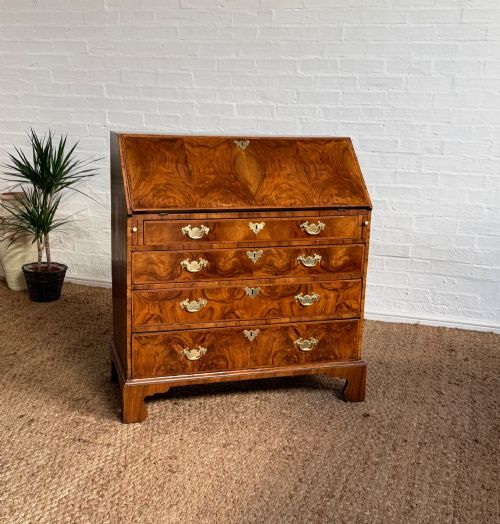
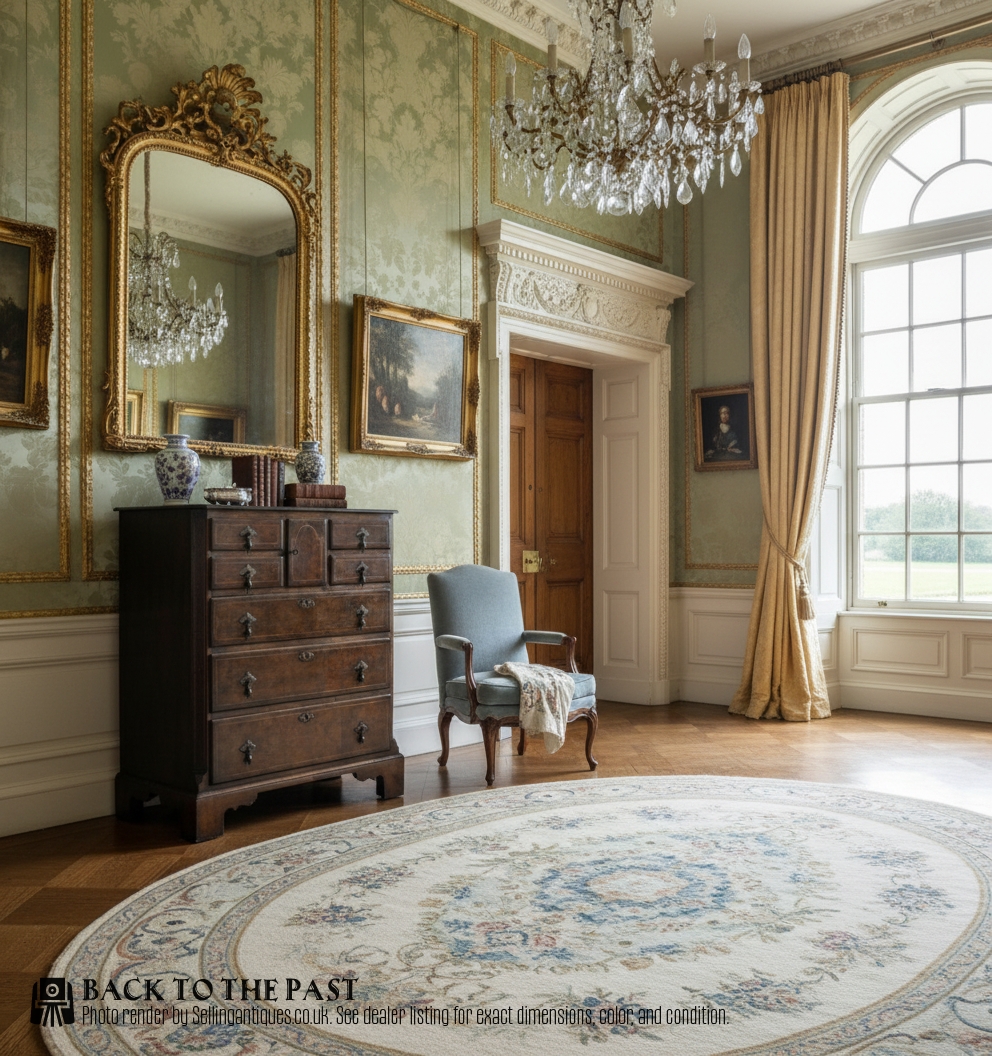
The version most frequently encountered on this page is the chest of drawers, spanning the Georgian, Regency and nineteenth-century periods. These range from modest pine examples to formal mahogany and burr walnut designs.
The archive also records blanket chests, mule chests with drawers, and chests on stands or chests on chests, demonstrating the breadth of forms available to collectors.
Materials and technique
Cabinet makers utilised a range of native and imported timbers, predominantly mahogany, oak and pine, alongside decorative veneers such as burr walnut. Details often included boxwood stringing, feather inlay and cross-banding to enhance the appearance of the drawer fronts and surfaces.
Hardware played a functional and decorative role, with brass handles, escutcheons and bound corners appearing on military and campaign pieces. Painted finishes also occur across several pine and country items recorded in the evidence.
Retail Price Guide 2026
Typical UK retail prices for english chest, calculated from the Sellingantiques database of over a million retail prices indexed since 2003. This retail price guide relies exclusively on Sellingantiques data; no external sources or auction records are used, so the figures do not describe the wider market.
The listings show pieces spanning from the seventeenth century to the twentieth century, constructed in oak, mahogany, pine, burr walnut and leather.
What separates the tiers
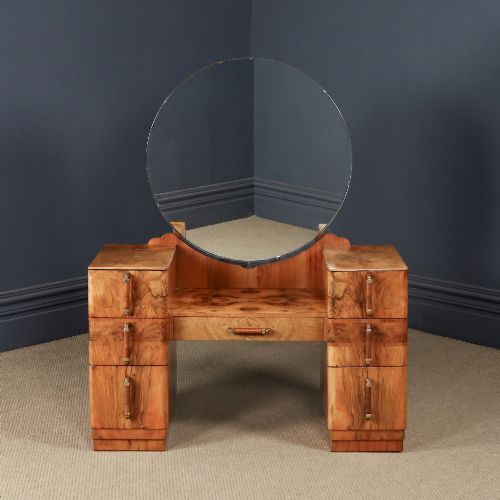
Quality rests upon the selection of timber and the ambition of the construction. Highly figured veneers like burr walnut, combined with precise cross-banding and inlay work, mark out pieces made for formal reception rooms.
Functional integrity and originality define the standing of utilitarian pieces such as military or apothecary chests, where robust brass bindings, retained handles and specialised internal compartments determine the distinction.
T & G Seddon
The English Chest Glossary
- Mule chest
- A blanket box fitted with one or more drawers at the base. This form bridges the gap between a traditional chest and a chest of drawers.
- Tallboy
- A tall chest of drawers, often constructed as a chest on chest or a chest upon a stand. These pieces maximised vertical storage space in eighteenth-century bedrooms.
- Campaign chest
- A portable chest of drawers built in two or more sections with recessed brass handles and corner brackets. Designed for military transport, these pieces split apart easily for travel.
- Apothecary chest
- A small chest fitted with numerous small drawers or compartments intended for storing medicines and dry goods. These utilitarian pieces frequently originate from chemist shops.
- Cross-banding
- A decorative border of veneer laid around the perimeter of a drawer front or tabletop with the grain running perpendicular to the surrounding wood.
Frequently Asked Questions
What is an english antique chest?
An english antique chest is a piece of historic wooden furniture designed for storage, encompassing blanket boxes, tallboys and chests of drawers.
These pieces reflect the domestic and utilitarian needs of households from the seventeenth century through to the Edwardian era, constructed in woods like oak, mahogany and pine.
How were military chests used?
Military chests were constructed in sections with recessed brass hardware so officers could pack and transport their belongings during campaigns.
The sectional design allowed the pieces to be stacked securely and moved easily on horseback or by wagon.
Where should I place a chest?
Chests of drawers function well in bedrooms and hallways, offering deep storage capacity while serving as display surfaces for lamps or mirrors.
Blanket chests and mule chests fit easily at the foot of a bed or within a living space to store linens.