
Inlaid Walnut Drawers
These inlaid walnut drawers combine rich timber and precise stringing, bringing warmth and functional storage to any room.

Inlaid walnut drawers
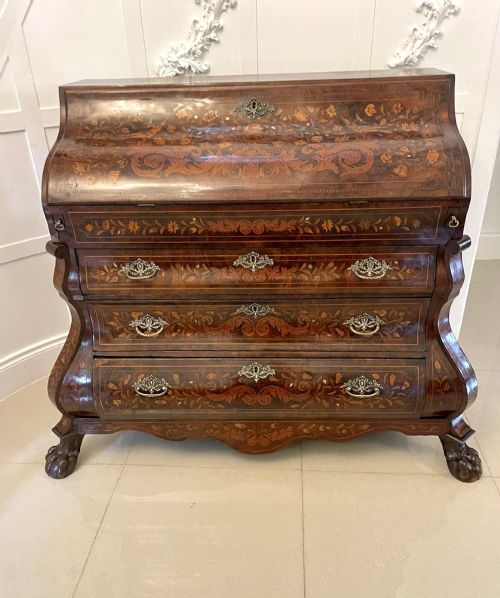
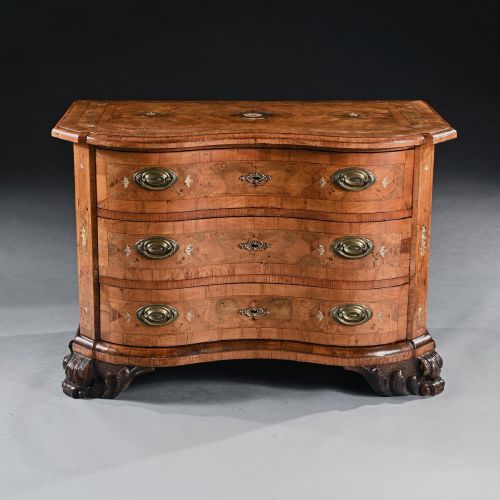
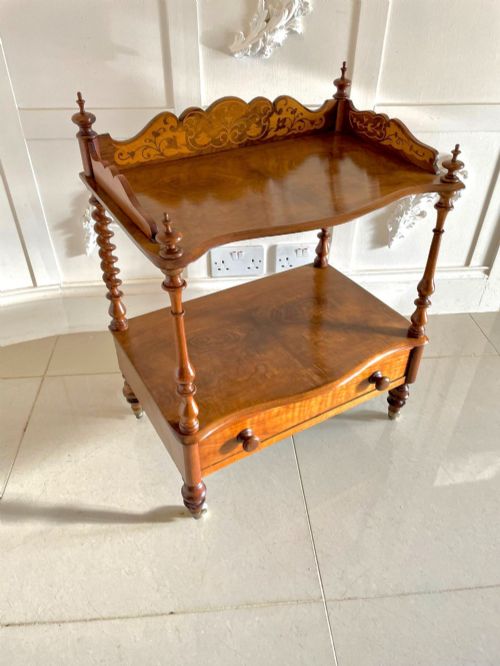
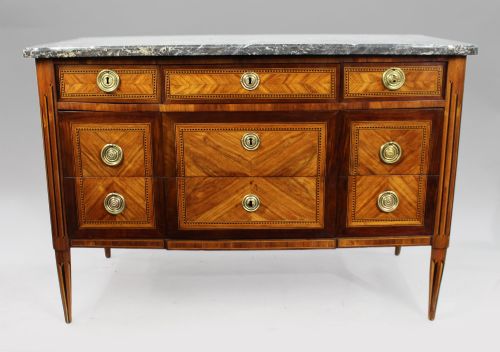
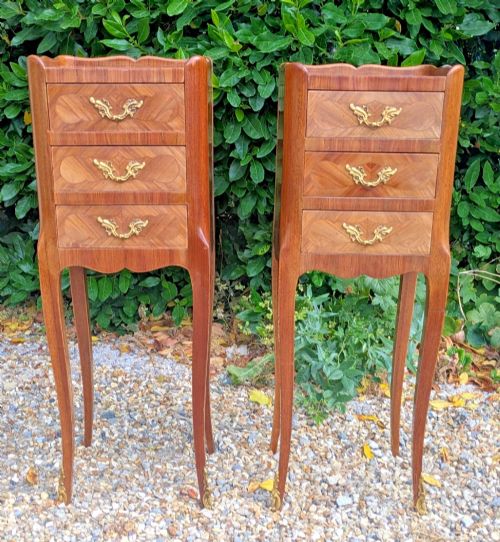
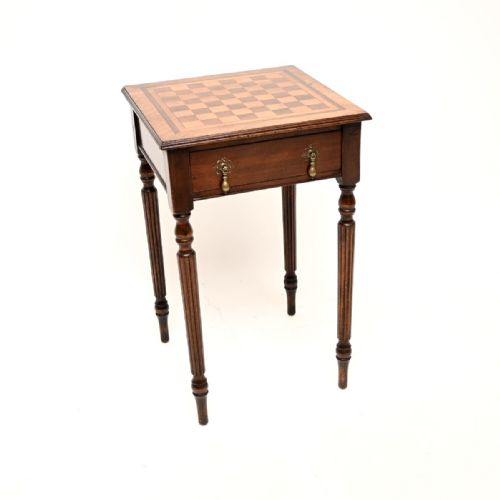
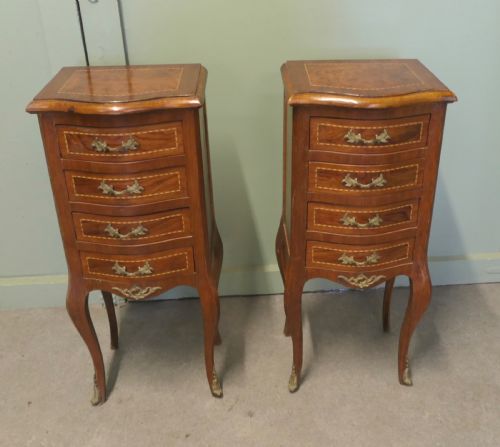
When you search for inlaid walnut drawers, you encounter a refined class of storage furniture spanning several centuries of cabinet-making. The forms range from traditional chests of drawers and tallboys to chests on stands, commodes, and diminutive miniature pieces.
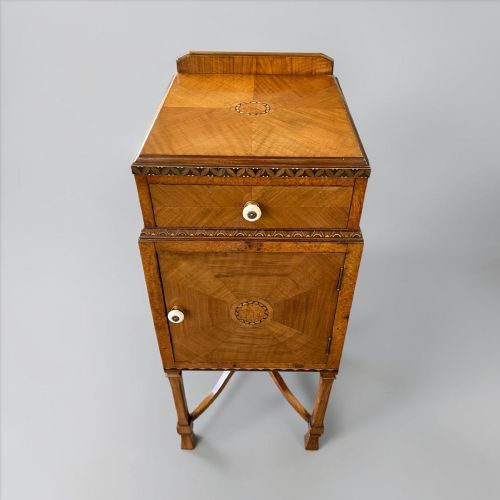
The pieces on this page originate predominantly from the seventeenth and nineteenth centuries, taking shape during the Victorian, Regency, and William and Mary eras. English and Continental makers produced these items in various sizes, from bedside cabinets to large drawing room show pieces.
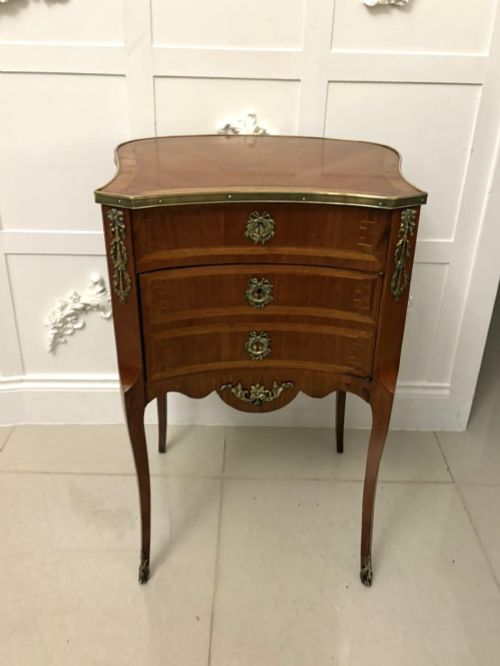
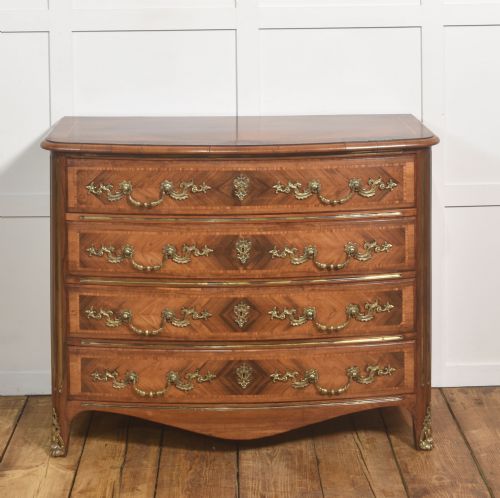
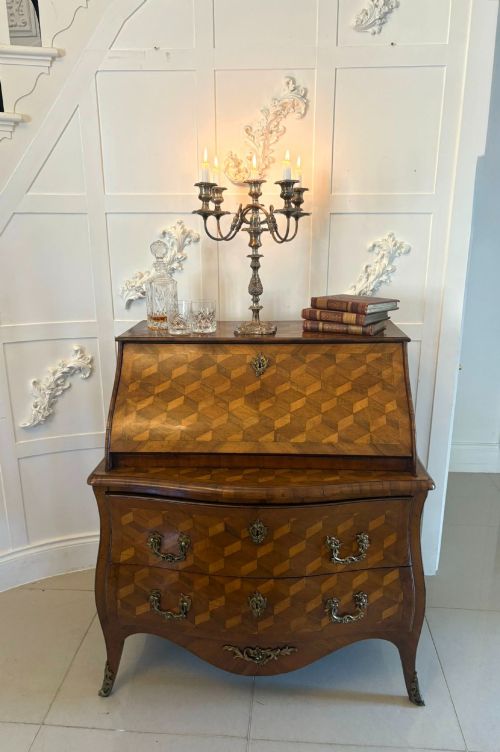
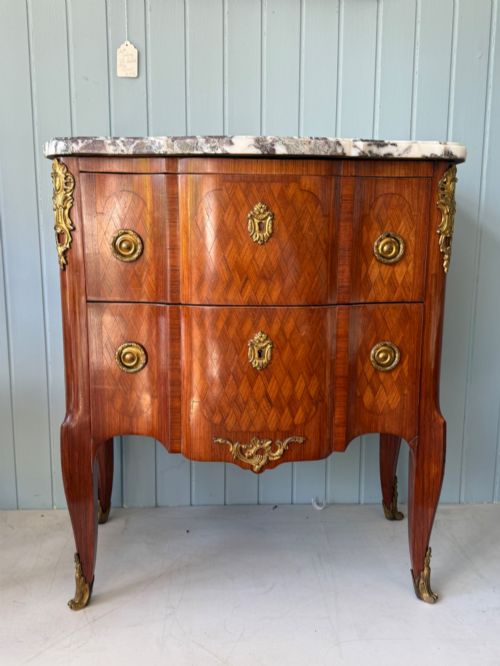
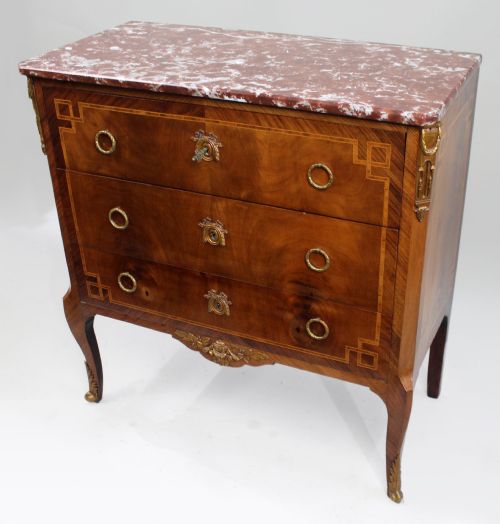
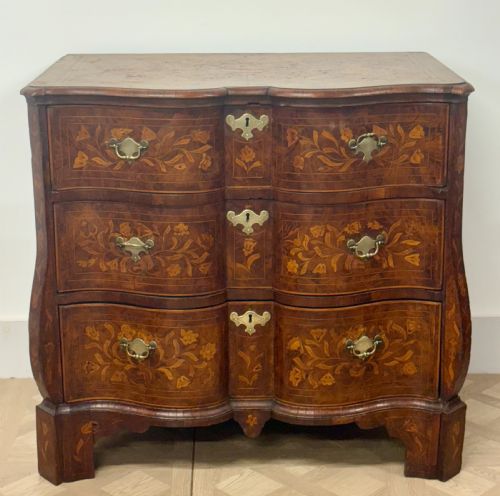
You are most likely to meet standard chests of drawers and commodes featuring contrasting wood inlay, marquetry, or geometric stringing. These items serve as practical bedroom or parlour storage whilst displaying decorative timber surfaces.
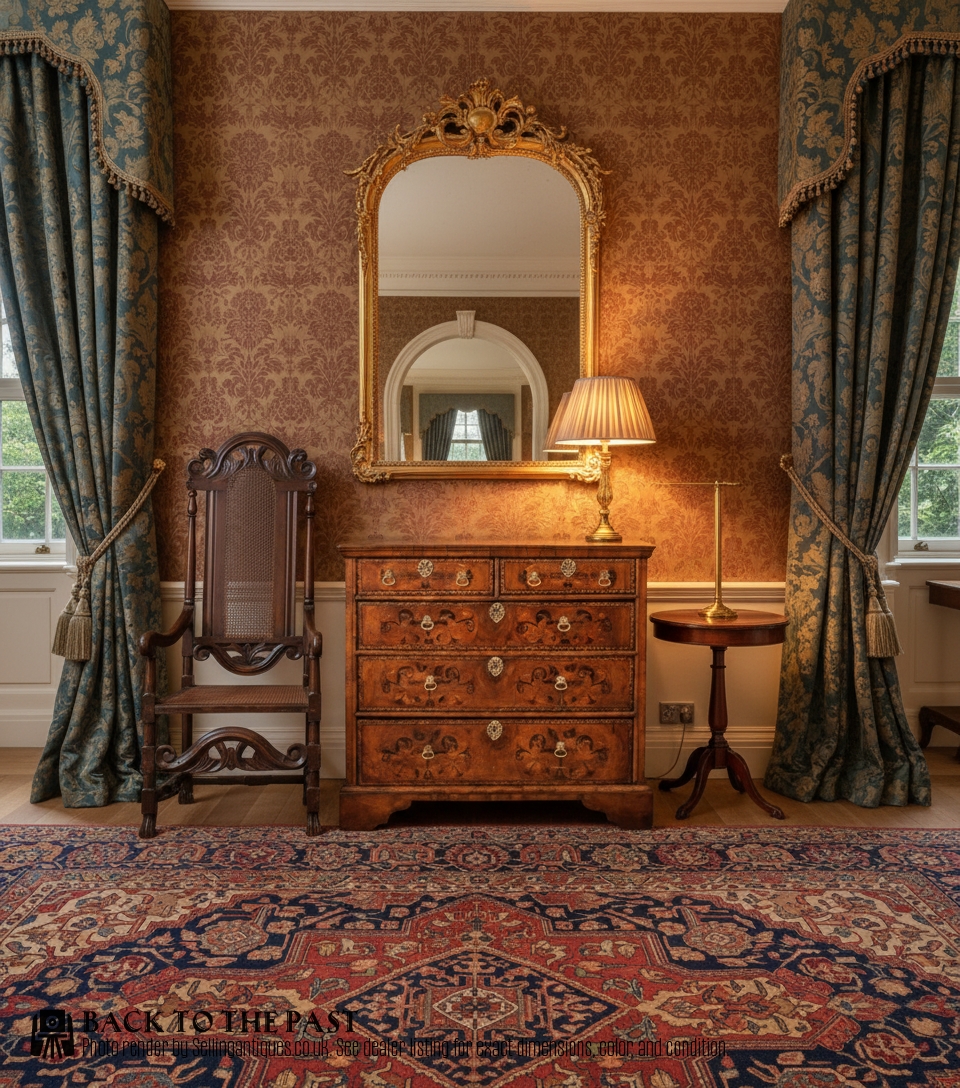
Materials and Construction
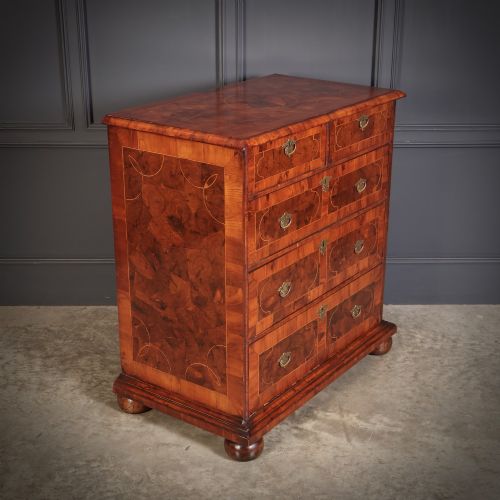
Cabinet-makers built the primary carcase of these pieces using sturdy timbers like oak, applying walnut, burr walnut, and figured walnut veneers to the visible exterior surfaces. They enhanced the grain patterns with marquetry veneer, cross-banding, and delicate boxwood stringing.
Artisans integrated contrasting elements such as brass drop handles, ormolu mounts, and marble tops on specific Continental and nineteenth-century commodes. Drawer interiors utilised secondary woods and traditional joinery methods to ensure durability.
Retail Price Guide 2026
Typical UK retail prices for inlaid walnut drawers, calculated from the Sellingantiques database of over a million retail prices indexed since 2003. This retail price guide relies exclusively on Sellingantiques data; no external sources or auction records are used, so the figures do not describe the wider market.
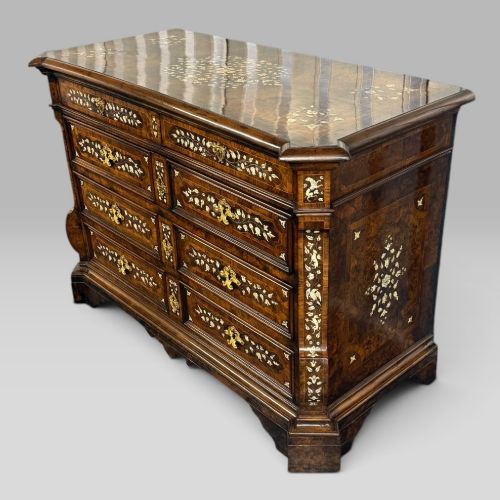
The inventory encompasses seventeenth-century oyster veneered examples alongside nineteenth-century burr walnut chests, commodes, and marble-topped pieces.
Standards of Execution
The distinction between ordinary and superior pieces rests on the depth of figure in the walnut veneer and the precision of the inlay. Finer examples display meticulous alignment in geometric or seaweed marquetry patterns across drawer fronts and top panels.
Hardware selection and carcase proportions also determine the grade of the piece, with heavier brass mounts and well-figured burr walnut marking the upper tier of craftsmanship. The crispness of the boxwood banding reveals the maker's skill.
Holland & Sons
The Inlaid Walnut Drawers Glossary
- Marquetry veneer
- The practice of arranging small pieces of coloured wood veneer into pictorial or geometric patterns on a surface. This technique creates elaborate decorative panels on drawer fronts.
- Stringing
- Thin lines of contrasting wood inlaid into channels cut into the primary timber. It frames drawer perimeters and top surfaces with a precise linear border.
- Cross-banding
- A border veneer applied around the edges of a panel where the wood grain runs perpendicular to the central panel. This frames the primary grain pattern.
- Commode
- A low French-style chest of drawers, often fitted with a marble top and decorative mounts. These pieces frequently date from the nineteenth century.
- Oyster veneer
- Circular slices cut from small walnut branches or roots, displaying concentric growth rings resembling oyster shells. This decorative method was popular in the seventeenth century.
Frequently Asked Questions
How do I date an inlaid walnut chest?
Dating relies on observing construction methods, timber choice, and the style of the inlay. Seventeenth-century examples often feature oyster veneer or geometric banding, while nineteenth-century pieces display burr walnut and machine-cut details.
Examining drawer linings and hardware provides further clues to the period. Earlier pieces utilise hand-cut dovetails and native woods, whereas later Victorian items show more uniform construction.
Where should I place these in my home?
These chests function well in bedrooms, hallways, or living rooms as statement storage pieces. Their compact footprints allow them to fit easily against walls while providing deep drawer capacity.
Keep them away from direct sunlight and heat sources to protect the delicate veneer and polish. Regular dusting with a soft cloth maintains the timber's natural lustre.
How do I care for antique veneer?
Maintain antique walnut veneer by keeping indoor humidity stable and avoiding harsh chemical polishes. Traditional beeswax applied sparingly preserves the moisture in the old timber.
Check regularly for any lifting veneer along the edges. Prompt attention from a professional restorer prevents small chips from spreading.