
Victorian Tall Chest
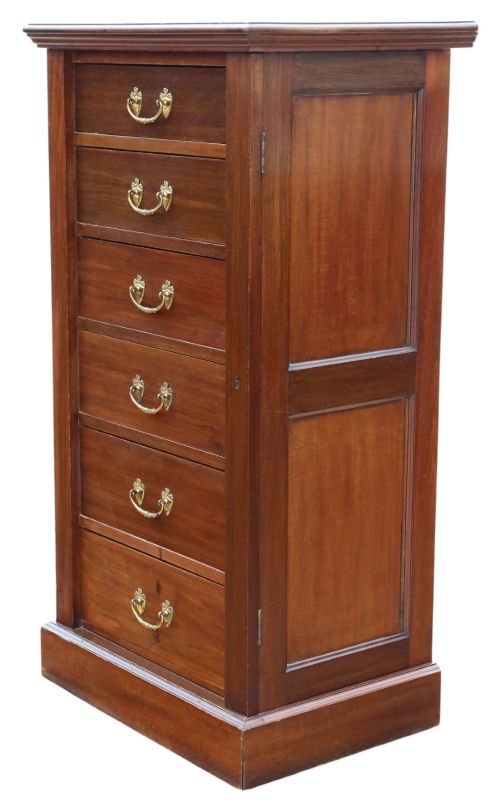
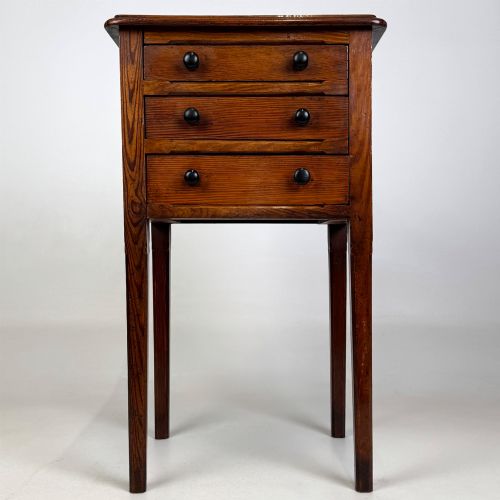
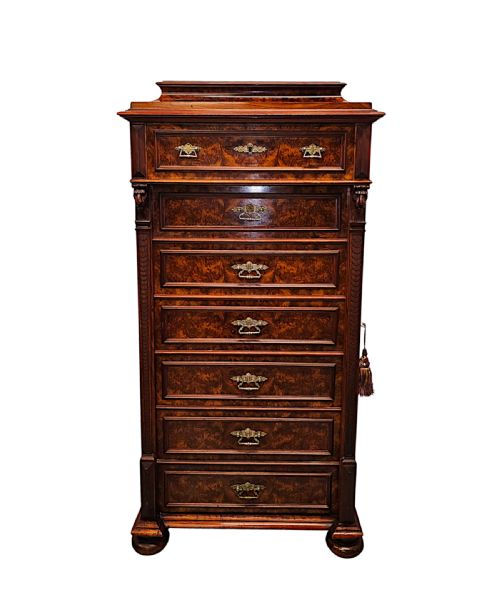
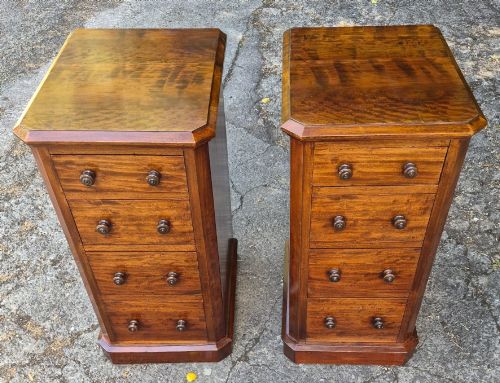
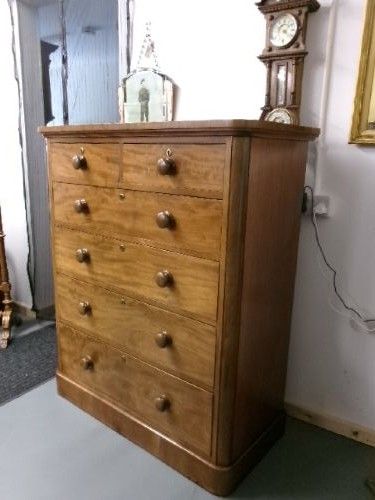
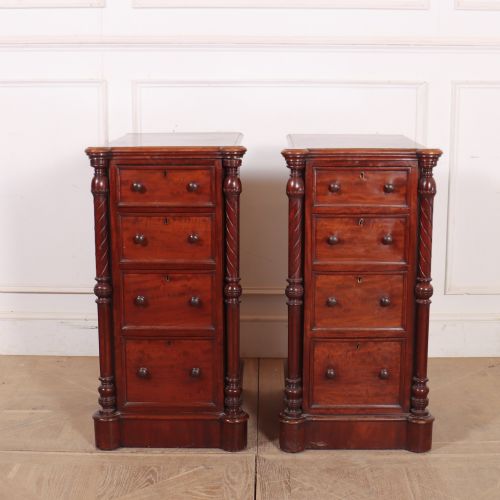
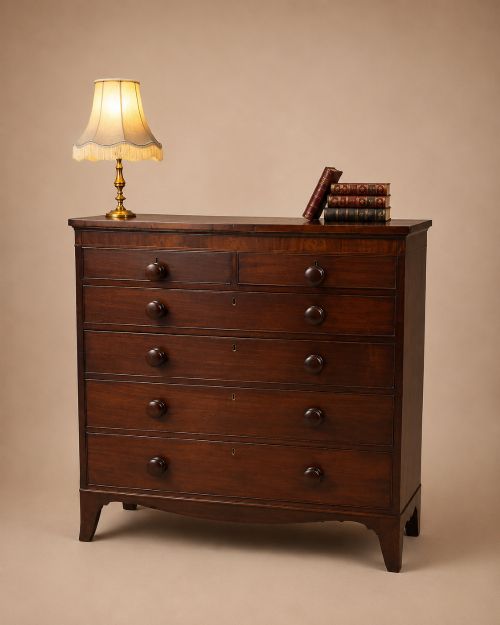
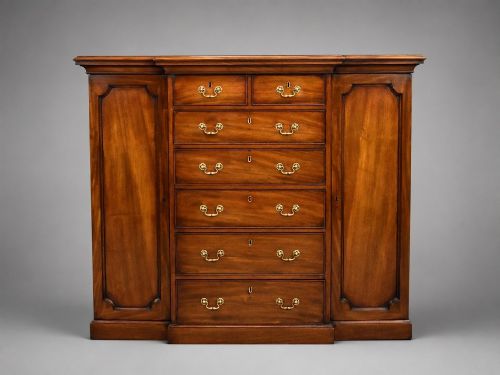
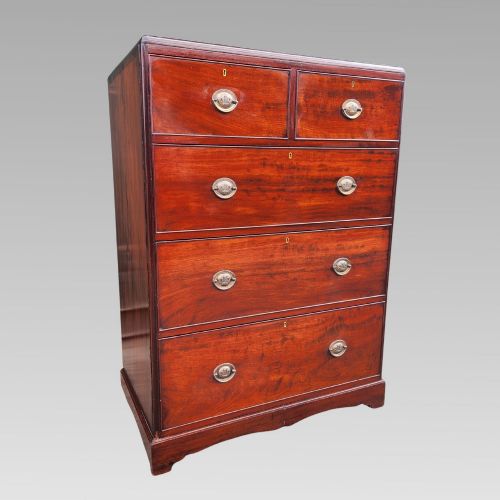
These pieces are a victorian tall chest, offering generous vertical storage through stacked drawers crafted to anchor a period bedroom.
Forms and Origins
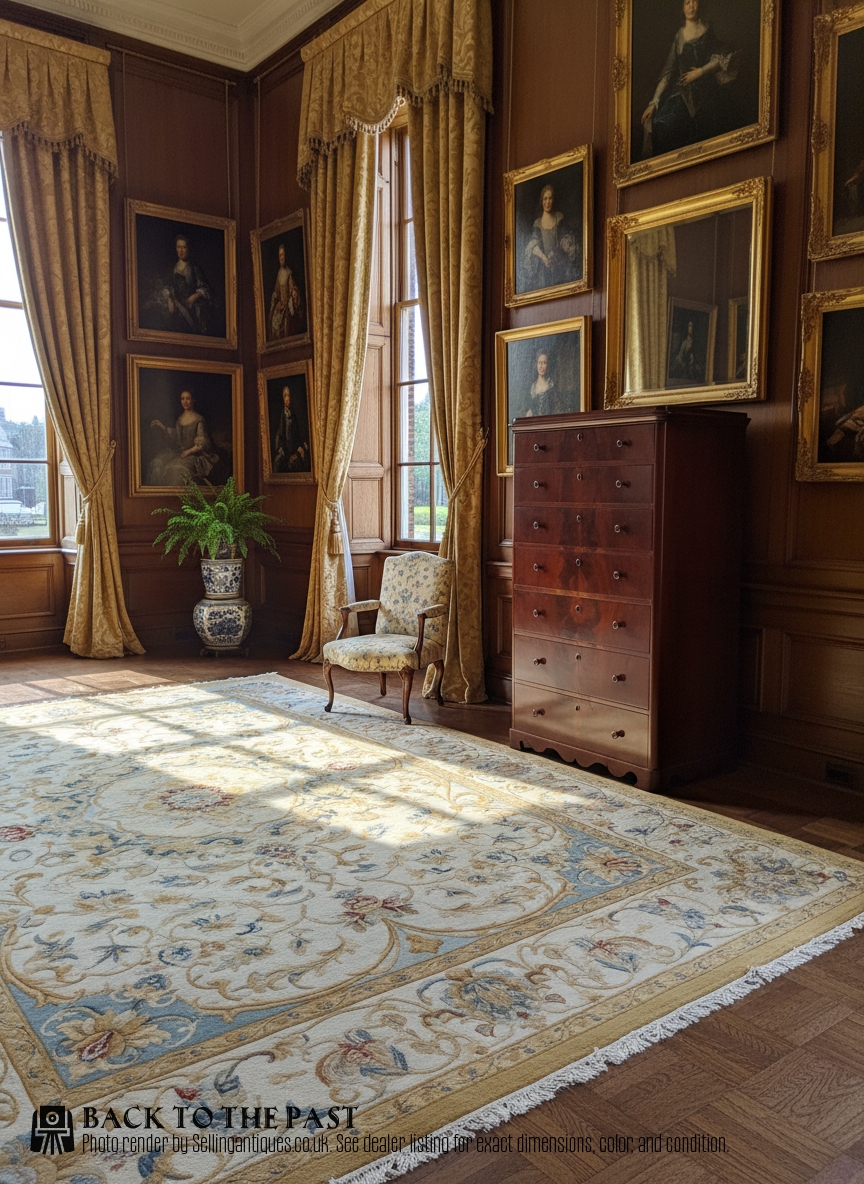
A victorian tall chest provides substantial storage capacity while occupying a compact floor footprint, making it a practical choice for period interiors. The selections span standard upright chests of drawers alongside specialised regional forms such as Scottish chests, tallboys, and Wellington chests.
Most examples originate from the nineteenth century, built as functional bedroom furniture designed to hold linens and garments. Buyers encounter variations ranging from simple pine storage pieces to grand mahogany and walnut case furniture.
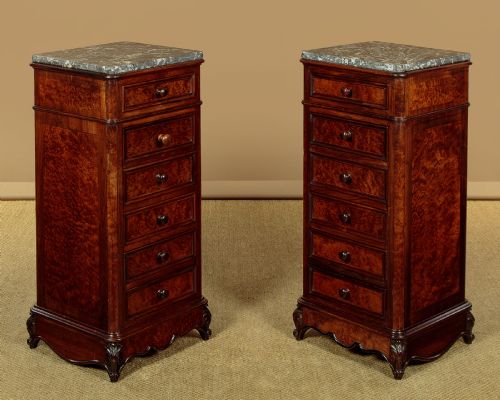
The format also includes narrow alcove pieces and secretaire cabinets, reflecting the diverse domestic needs of nineteenth-century households. These proportions allow the furniture to fit into tight spaces while maintaining an imposing vertical presence.
Materials and Construction
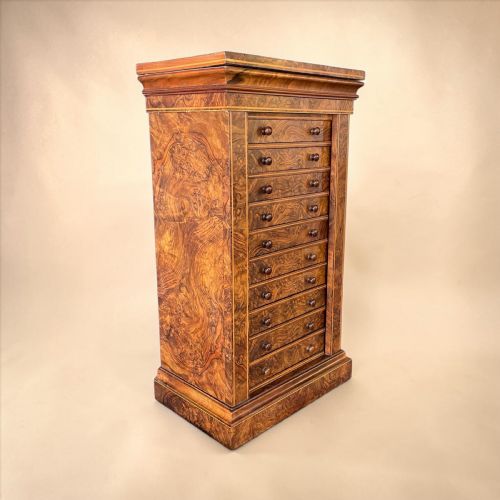
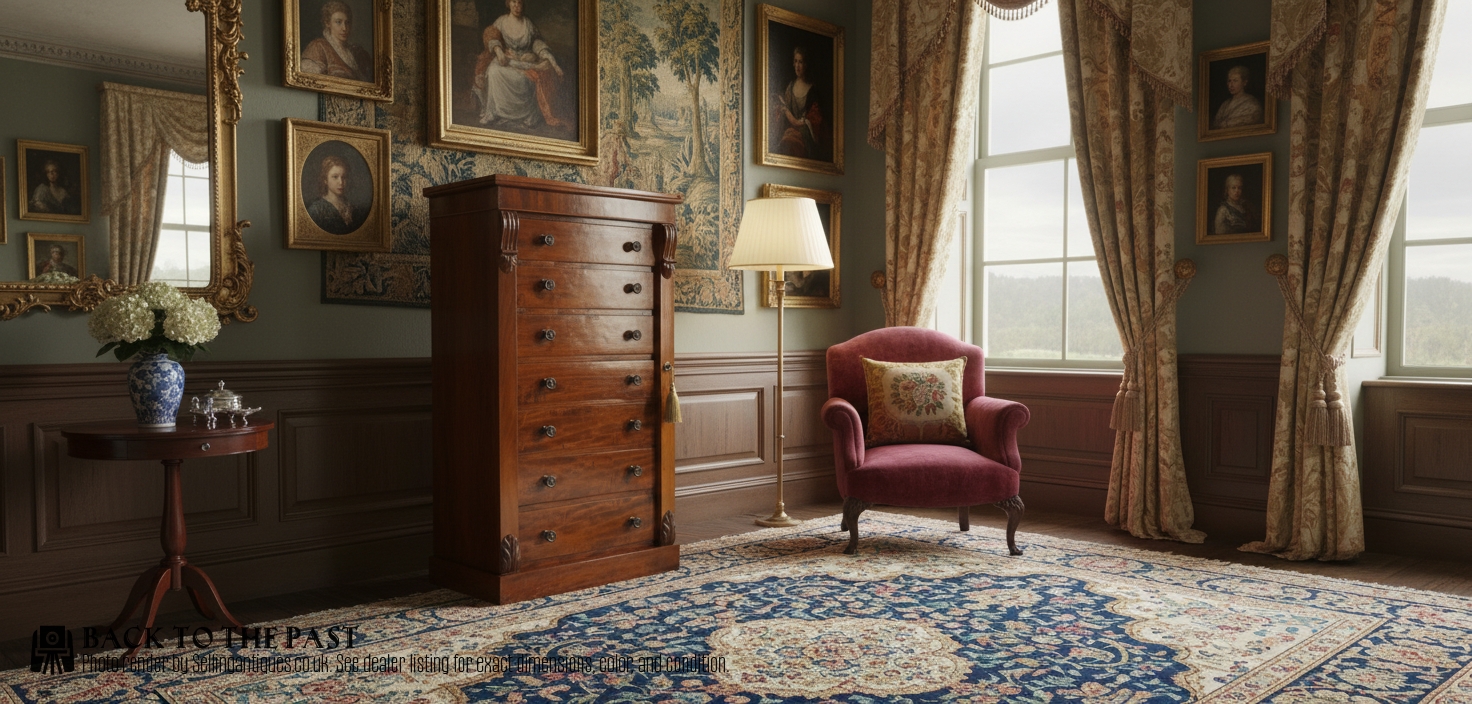
Makers utilised solid woods and decorative veneers, with mahogany forming the predominant choice alongside burr walnut, flame mahogany, oak, and pine. Timber selection often dictated the visual weight of the case, utilising figured grains on primary drawer fronts.
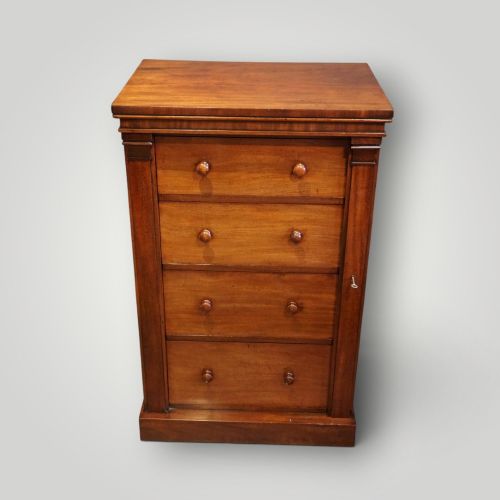
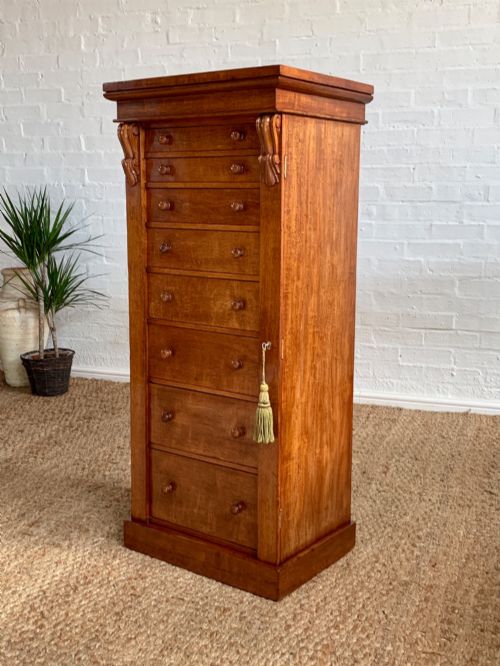
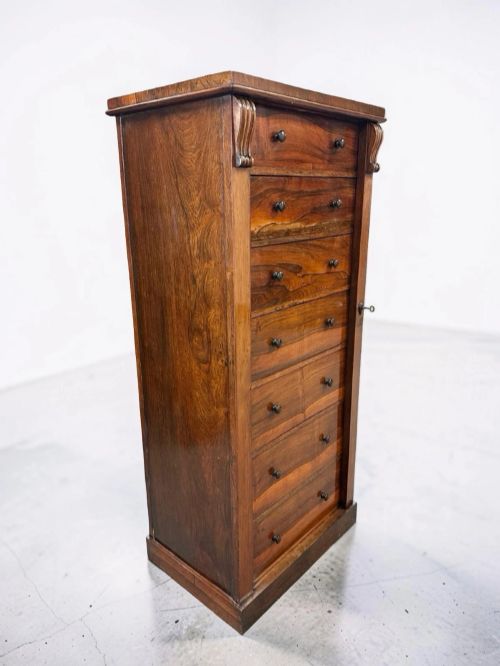
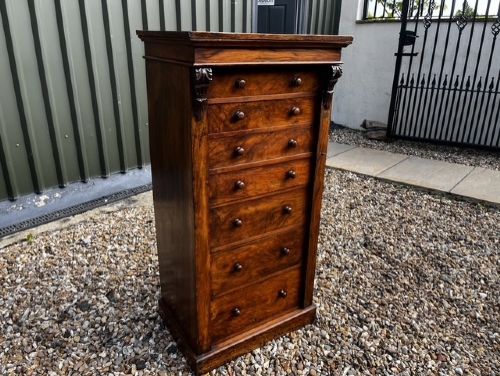
Construction techniques involve sturdy timber carcases fitted with multiple stacked drawers, sometimes secured by locking side bars in the case of Wellington chests. Brass hardware, ormolu mounts, and subtle satinwood inlay appear as secondary decorative elements.
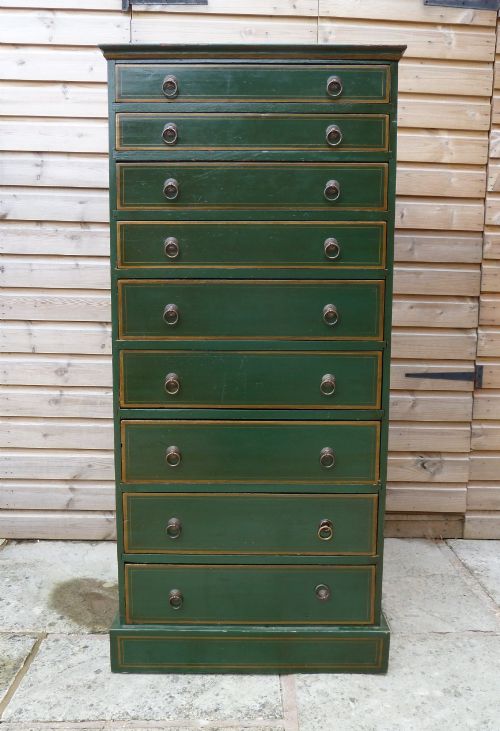
Surfaces display distinct grain patterns, notably flame grain and fiddle back figure, finished to highlight the natural warmth of the timber. Pine examples frequently show historical painted or waxed surfaces intended for domestic utility.
Retail Price Guide 2026
Typical UK retail prices for victorian tall chest, calculated from the Sellingantiques database of over a million retail prices indexed since 2003. This retail price guide relies exclusively on Sellingantiques data; no external sources or auction records are used, so the figures do not describe the wider market.
Listings demonstrate a strong preference for nineteenth-century mahogany, alongside alternative woods including burr walnut, satinwood, oak, and pine.
Judging Quality
The distinction between tiers rests upon timber selection and the sophistication of the cabinetmaker's joinery. Superior examples employ carefully matched flame mahogany or burr walnut veneers across the drawer fronts, ensuring a harmonious visual rhythm down the facade.
Secondary details such as the integration of secret locking mechanisms, finely turned bobbin details, or high-grade brass and ormolu mounts elevate an ordinary storage piece into high-status furniture. Drawer construction integrity and smooth internal running actions further divide standard utility pieces from exceptional cabinetwork.
J.Maple·Wilkinson London
The Victorian Tall Chest Glossary
- Wellington Chest
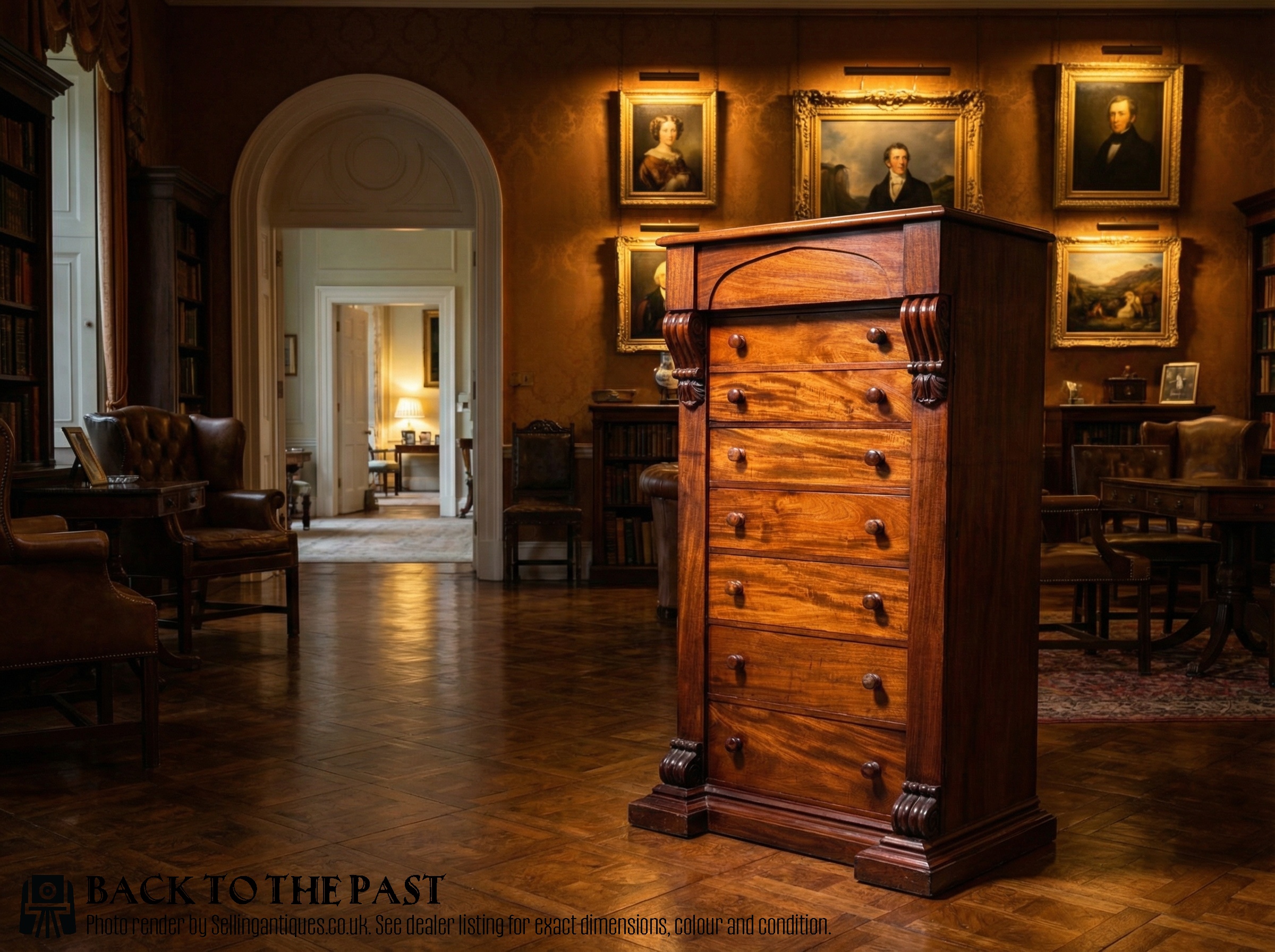
- A narrow vertical chest of drawers secured by a hinged locking side stile that fastens with a key. This form originated in the nineteenth century to secure valuable garments.
- Tallboy
- A case of drawers built in two sections, typically stacking a smaller chest upon a taller base unit. This configuration maximises vertical storage capacity.
- Flame Mahogany
- Timber cut from the fork of the mahogany tree to produce a distinctive flickering flame pattern. Cabinetmakers reserved this veneer for principal drawer fronts.
- Semanier
- A tall seven-drawer chest designed to hold one garment for each day of the week. The term derives from French furniture traditions.
- Ormolu
- Gilded bronze mounts applied to furniture for decorative enrichment. These metallic accents frequently appear on walnut pieces of the period.
Frequently Asked Questions
What is a Scottish chest?
A Scottish chest is a robust regional variant of the vertical drawer unit, frequently distinguished by a deep cushion drawer situated above smaller accessory drawers.
These pieces often display bold flame mahogany veneers and substantial proportions designed to suit larger nineteenth-century rooms.
How do I spot a Wellington chest?
A Wellington chest is identified by its unusually narrow and tall proportions accompanied by a hinged vertical locking bar on one side.
Locking this bar secures all the stacked drawers simultaneously with a single key turn.
Where were tall chests placed?
These tall storage units served primarily in bedrooms and dressing rooms to house folded linens, undergarments, and daily attire.
Their upright footprint allowed households to maximise storage without sacrificing valuable floor space.
What woods were commonly used?
Cabinetmakers relied heavily on mahogany as the primary structural and visual timber throughout the Victorian era.
Walnut, burr walnut, pine, and oak also appear frequently across different regional workshops and utility tiers.