
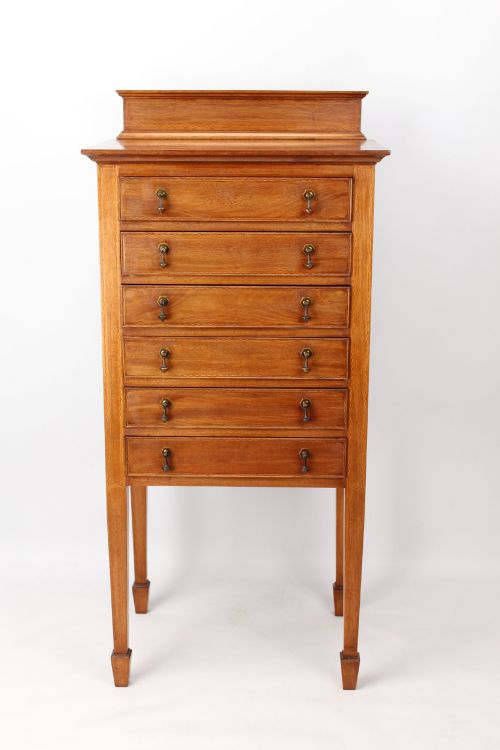
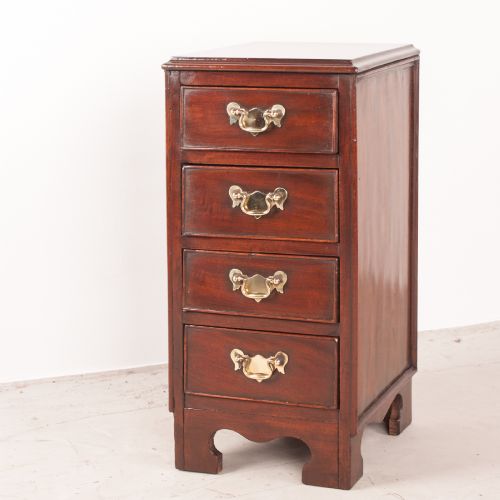
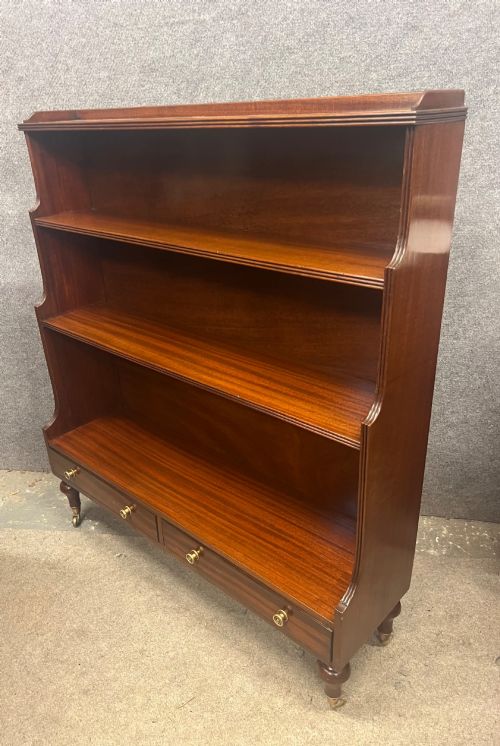
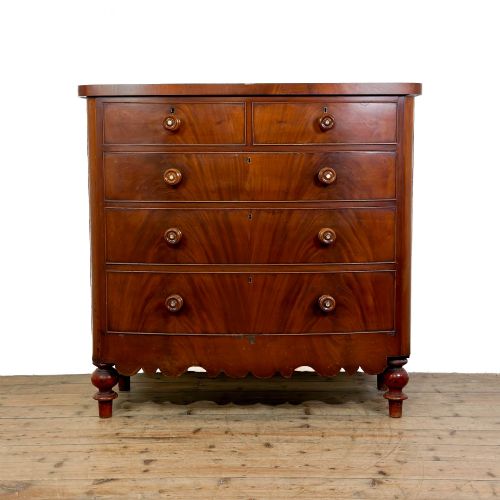
Mahogany Drawer Unit
These mahogany drawer unit pieces are solid timber storage items that bring traditional British craftsmanship and practical utility into a room.
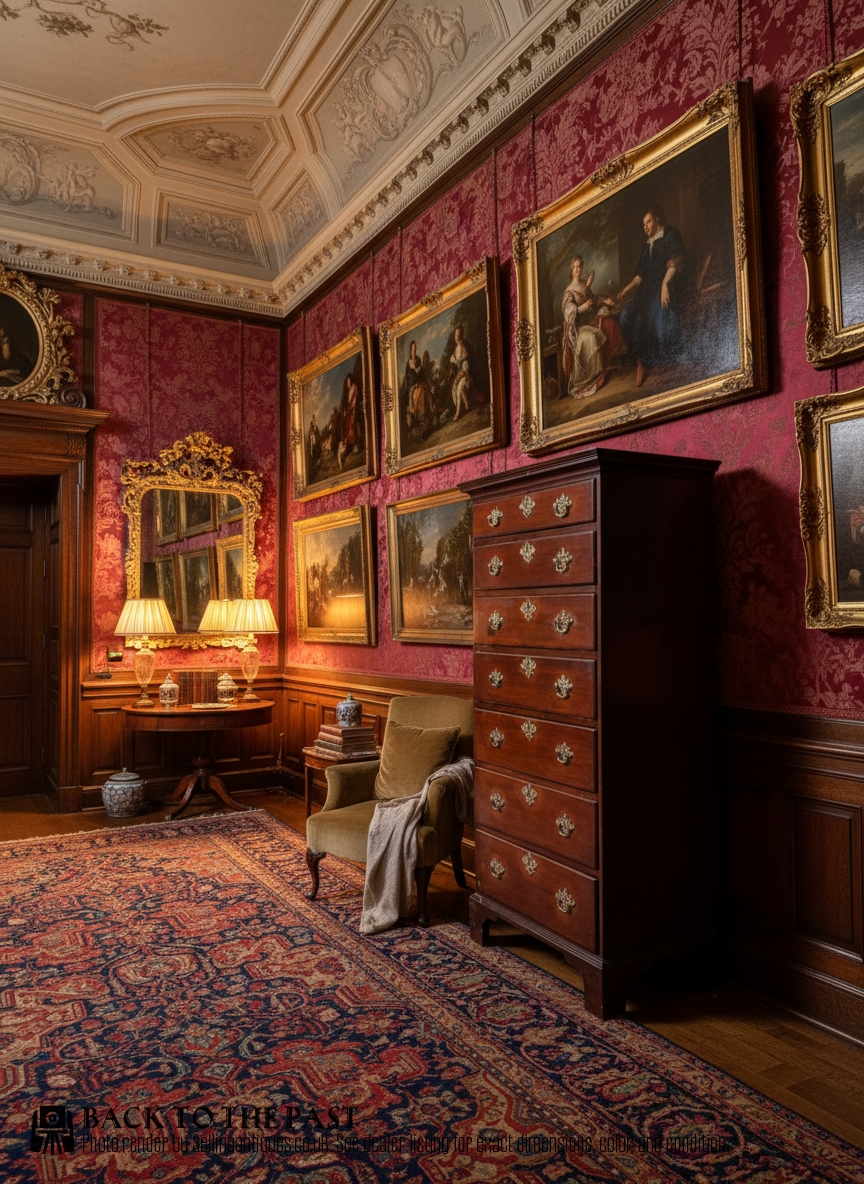
Mahogany Drawer Unit
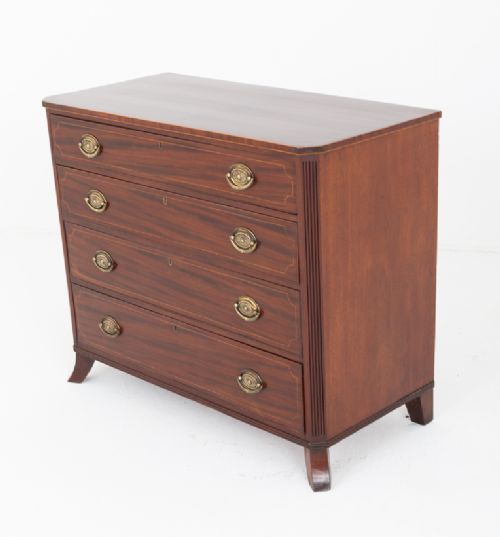
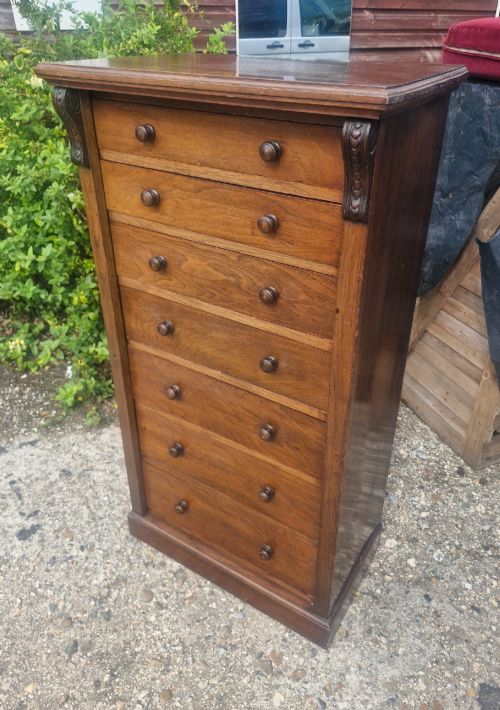
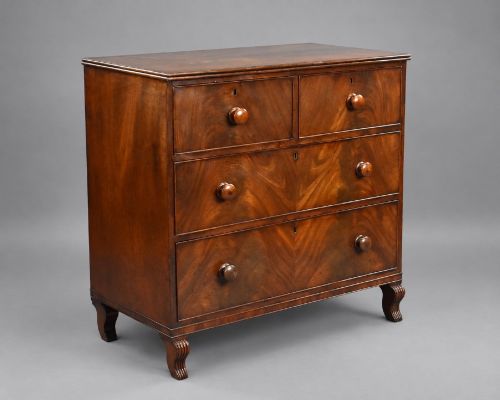
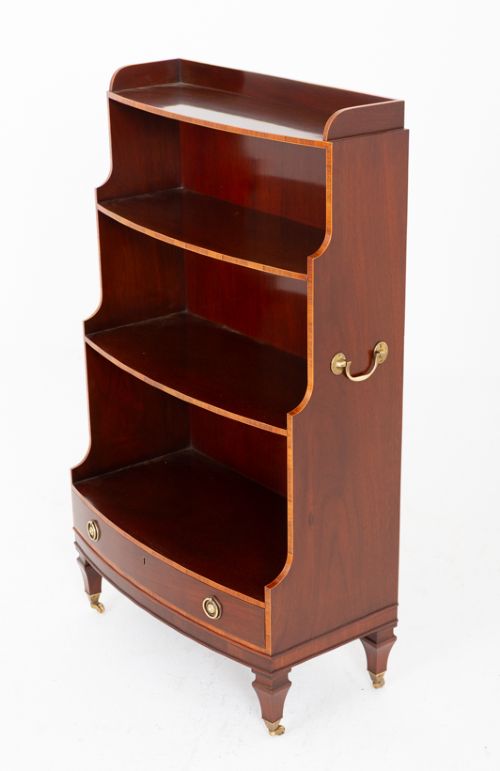
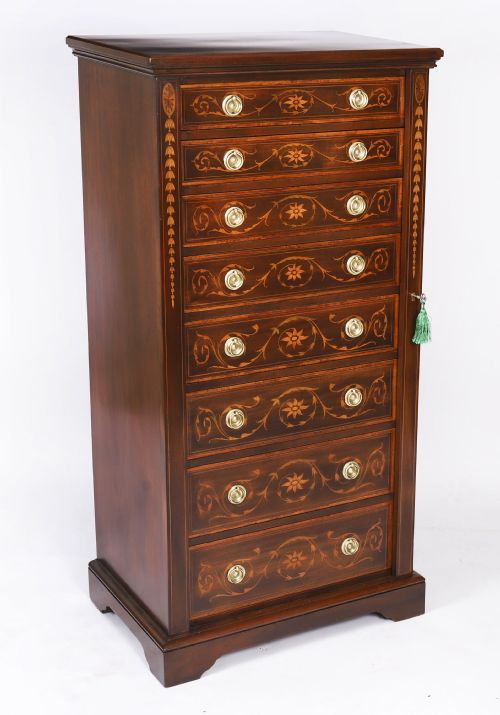
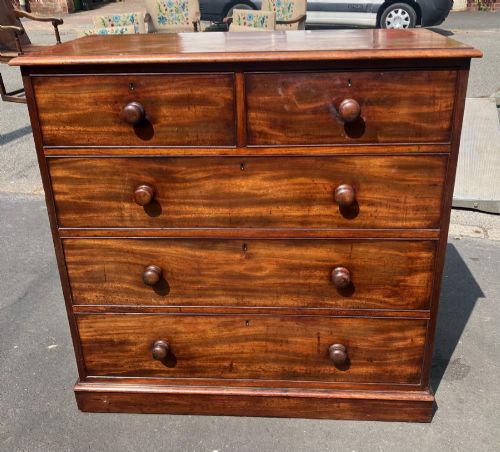
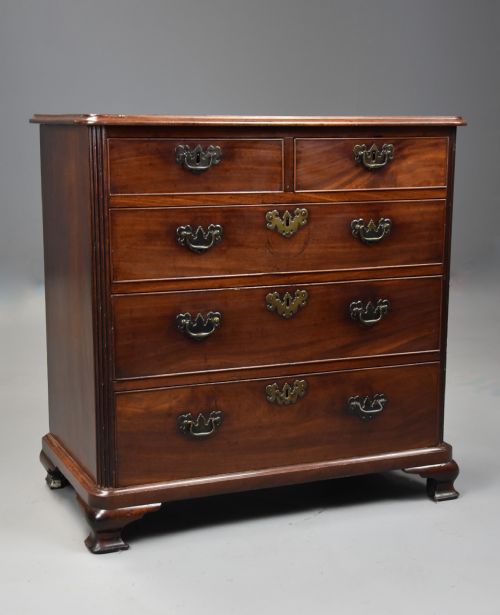
A mahogany drawer unit typically manifests as a traditional chest of drawers, a Wellington chest, or a specialised bank of drawers. These pieces emerge from periods including the Georgian, Regency, Victorian, and Edwardian eras.
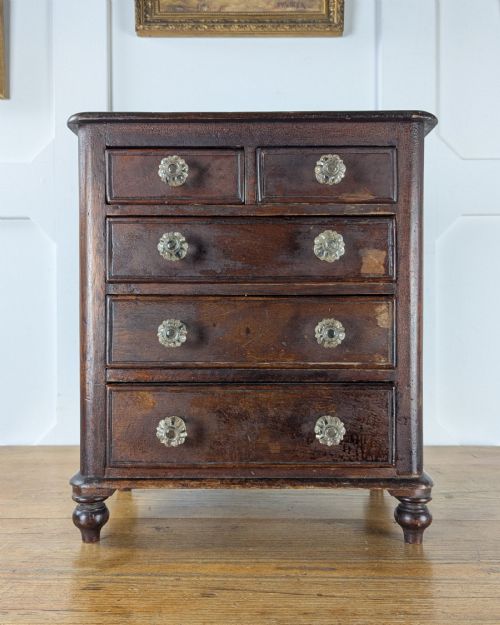
The most common forms on this page are bedroom chests and multi-drawer storage pieces built from timber. Buyers encounter everything from tall storage units to miniature apprentice chests and bedside cabinets.
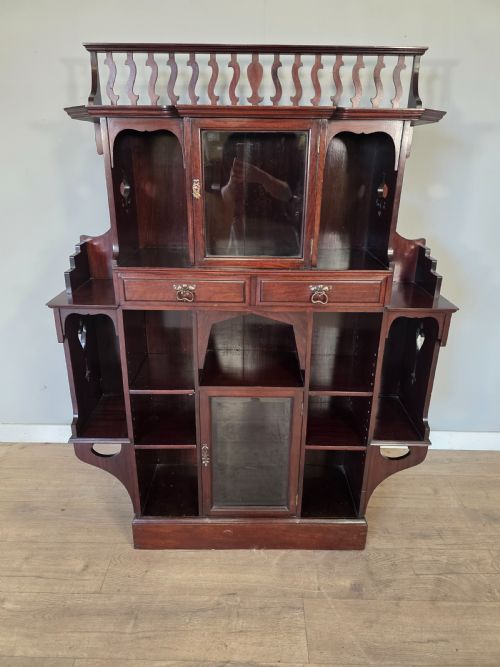
Makers construct these items using varied structural woods alongside solid mahogany and flame mahogany veneers. Alongside standard drawer units, the selection includes related forms like open bookcases, music cabinets, and dressing tables.
Materials and construction
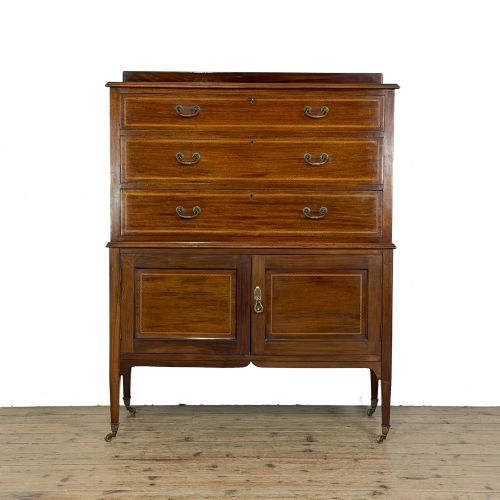
Cabinet makers utilise solid mahogany and flame mahogany veneer laid over secondary timbers like pine and oak. Brass hardware, such as shell pulls and handles, complements the dark timber surfaces.
Inlaid details incorporate lighter woods like satinwood to create decorative lines on Edwardian bedroom pieces. Carpenters mount drawers on turned feet or plinth bases depending on the period and style.
Mahogany Drawer Unit Retail Price Guide 2026
Typical asking prices for mahogany drawer unit among the pieces listed under this phrase on Sellingantiques today, from the lower quarter to the upper quarter. They describe what is for sale here now, not the wider market.
Miniature apprentice chests served as miniature portfolios for woodworkers, letting them show off proper dovetailing without lugging a full wardrobe to the interview.
Judging quality and proportion
Superior examples demonstrate refined proportions and well-figured flame mahogany veneer across the drawer fronts. Subtle details like original brass pull handles and maker labels elevate the standing of a piece.
Construction methods and timber selection divide standard utility items from finer domestic furniture. The presence of secondary hardwoods like oak and pine inside the drawer carcasses indicates solid period joinery.
J Shoolbred·Lamb of Manchester
The Mahogany Drawer Unit Glossary
- Flame mahogany
- A veneer cut from the branch junctions of the mahogany tree to produce a distinctive flickering flame pattern. This figure appears on finer Georgian and Victorian drawer fronts.
- Wellington chest
- A tall, narrow locking chest of drawers secured by a hinged side locking bar fastened with a key. This form originates from the nineteenth century.
- Bank of drawers
- A multi-drawer cabinet originally utilised in shops, offices, or apothecaries for organised storage. These units often retain original label holders and shell pulls.
- Apprentice piece
- A miniature furniture item constructed by a craftsman to demonstrate skill or by an apprentice learning the trade. These scale models mirror full-sized chests in every construction detail.
- Whatnot
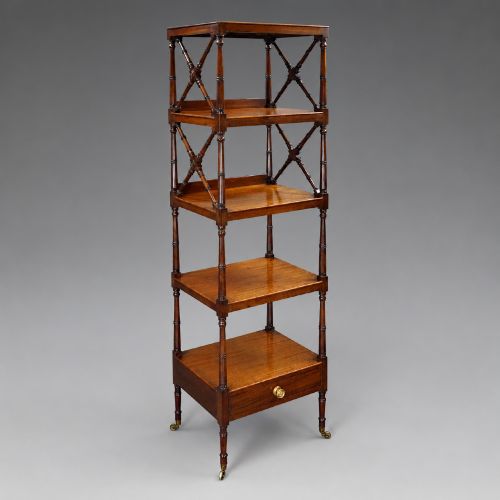
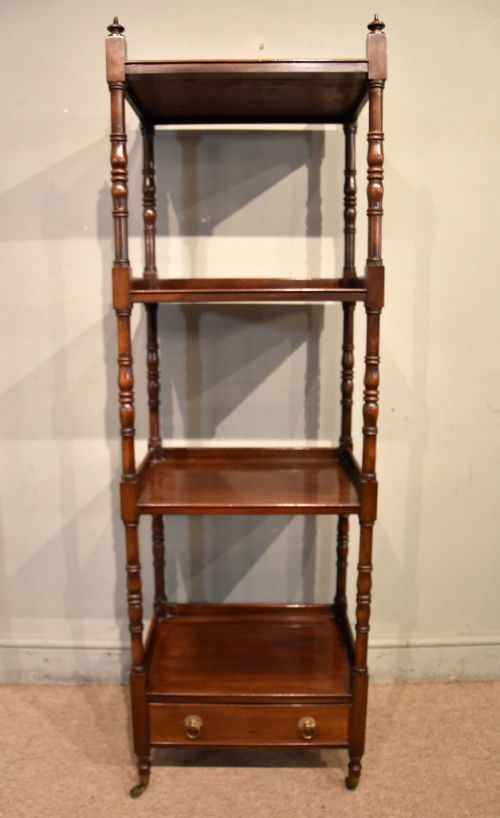
- A piece of freestanding open shelving with multiple tiers supported by slender uprights. Makers designed these tiered units to display books and decorative objects.
Mahogany Drawer Unit: Frequently Asked Questions
How do I date a mahogany chest?
Examine the construction methods, drawer linings, and overall style to establish a period. Georgian and Regency pieces often show hand-cut dovetails and simpler internal timbers.
Later Victorian and Edwardian examples incorporate machine-sawn elements alongside mahogany veneers and satinwood inlay.
What is a Wellington chest?
A Wellington chest is a tall, slim set of drawers characterised by a hinged locking stile on one side. This wooden bar secures all the drawers simultaneously when locked with a key.
Cabinet makers designed these vertical units during the nineteenth century to maximise storage space in narrower rooms.
Where should I place a bank of drawers?
A bank of drawers works well in a study, kitchen, or hallway to provide functional storage for smaller items. The numerous shallow drawers accommodate documents, stationery, or household accessories.
Ensure the room humidity remains stable to protect the mahogany timber and original drawer pulls.
How do I clean mahogany furniture?
Dust the timber regularly with a soft, dry cloth to prevent grit accumulation on the polished surface. Avoid silicone-based polishes that can build up over time and dull the grain.
Apply a traditional beeswax occasionally to nourish the wood and maintain the natural lustre of the antique finish.