


Two Short Three Long
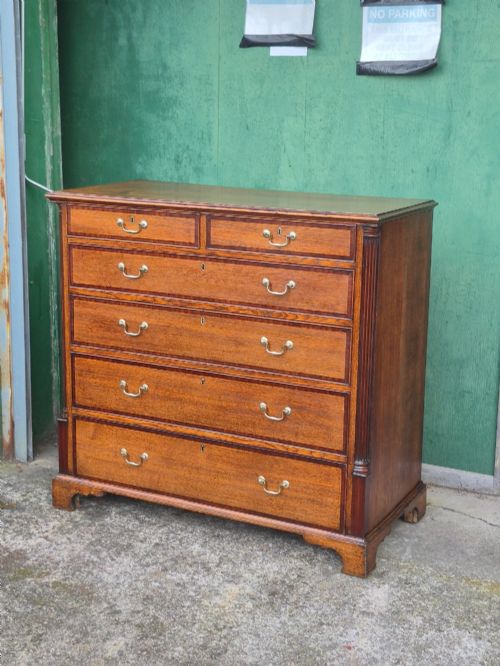
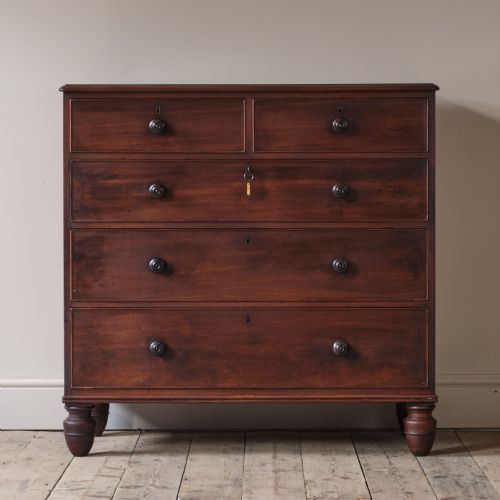
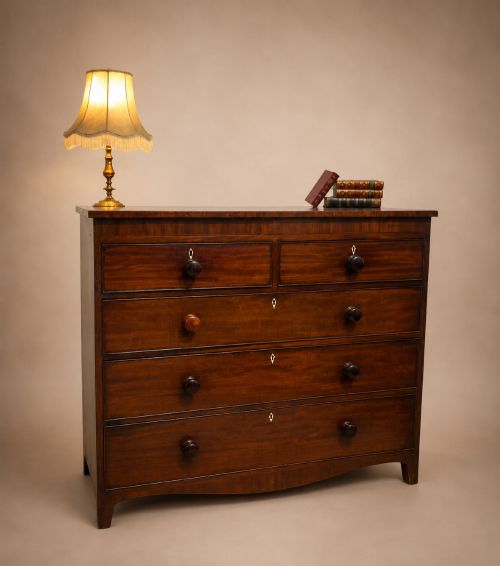
These two short three long chests of drawers are traditional storage pieces built to last, offering classic proportions and practical timber construction for modern rooms.

Two Short Three Long
A two short three long chest of drawers organises storage with two smaller upper drawers above three larger graduated drawers below. This arrangement gives the piece a balanced elevation that appears frequently across Georgian, Regency, and Victorian periods.
The layout accommodates smaller items in the upper tier while bulky garments fit into the deeper lower drawers. Oak, mahogany, and walnut provide the primary timber structures seen across these examples.
Early forms originate around seventeen hundred in walnut and oak, whilst later nineteenth century pieces utilise mahogany, pine, and flame veneer. The configuration remains a standard form of domestic furniture across multiple eras of British cabinet making.
How They Were Made
Cabinet makers constructed these carcases using solid hardwoods such as oak and mahogany, often applying decorative veneers like flame mahogany or walnut to the drawer fronts. Dovetail joints secure the drawer construction, ensuring durability through decades of daily use.
Makers utilised pine and secondary timbers for internal drawer linings and backboards. Brass handles and bracket feet or splayed feet complete the construction details found on these pieces.
Two Short Three Long Retail Price Guide 2026
Typical asking prices for two short three long among the pieces listed under this phrase on Sellingantiques today, from the lower quarter to the upper quarter. They describe what is for sale here now, not the wider market.
Some nineteenth century drawers retain their original brass key escutcheons, ready for keys long since lost to history.
What Varies in Quality
The selection of timber grain heavily dictates the visual appeal of a piece, with figured walnut and flame mahogany sitting at the upper end of cabinet work. Graduated drawer depths and well proportioned bracket feet show the maker's attention to design.
Construction methods such as hand cut dovetails and original brass hardware distinguish finer workshops from simpler regional output. The condition of the timber surfaces and the smoothness of the drawer action reflect the standard of original manufacture.
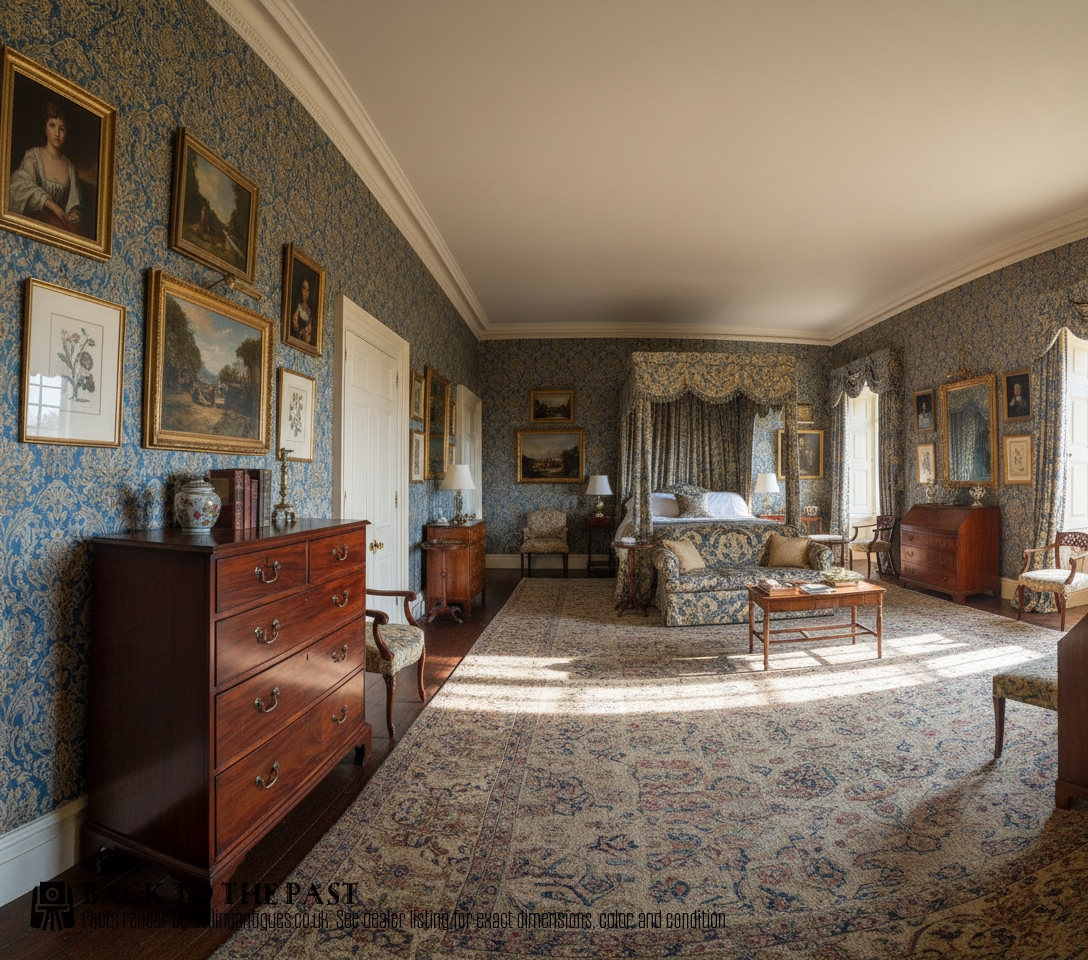
T & G Seddon
The Two Short Three Long Glossary
- Graduated drawers
- Drawers that decrease in depth progressively from bottom to top. This creates a visually balanced façade typical of eighteenth and nineteenth century case furniture.
- Bracket feet
- Small structural supports extending from the corners of a chest base. They lift the cabinet off the floor and take architectural forms such as ogee or splayed brackets.
- Flame mahogany
- Timber cut from the fork of a mahogany tree where branches meet the trunk. This produces a dramatic, undulating grain pattern prized in cabinet making.
- Dovetail
- An interlocking joint formed by interlocking wedge shaped fingers. It binds drawer corners and carcase frames together securely without relying entirely on glue or nails.
- Veneer
- A thin layer of decorative wood applied over a secondary timber carcase. Walnut and mahogany veneers provide rich surface patterns on period furniture.
Two Short Three Long: Frequently Asked Questions
What is a two short three long chest?
It is a chest of drawers featuring two smaller drawers placed side by side above three wider drawers. This arrangement provides varied storage compartments within a single cabinet.
The layout became popular during the late seventeenth century and continued through the Georgian and Victorian eras.
How do I date a wooden chest?
Dating relies on examining timber types, construction joints, handle hardware, and foot styles. Oak and walnut predominate in earlier pieces, while mahogany and pine appear more frequently in later periods.
Hand cut dovetails and secondary woods inside the drawers also offer clues to the manufacturing era.
Are these chests suitable for daily use?
Solid timber construction and traditional joinery make these pieces robust enough for contemporary storage needs. The graduated drawers accommodate modern clothing and household items.
Placing them away from direct heat sources helps preserve the antique wood and veneer.
What woods were used for these chests?
Cabinet makers utilised native oak and imported mahogany as primary structural timbers. Walnut appeared frequently during earlier periods alongside decorative veneers.
Pine and other secondary softwoods typically form the interior drawer boxes and back panels.