
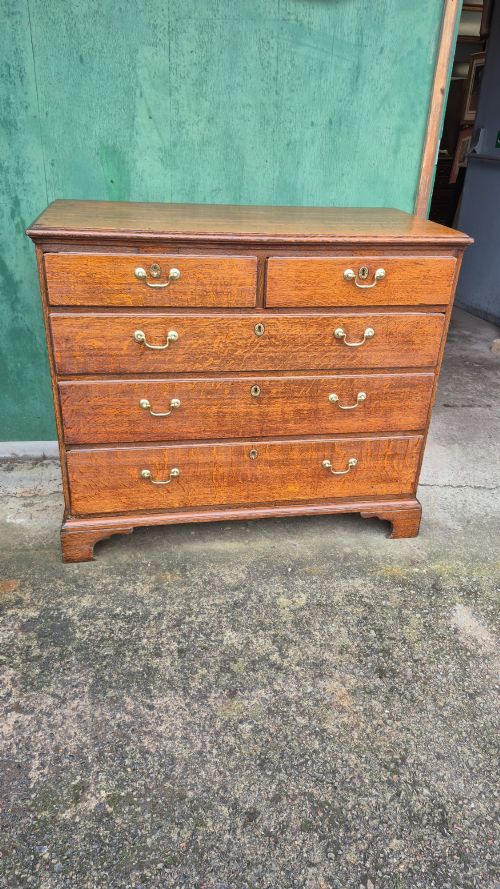
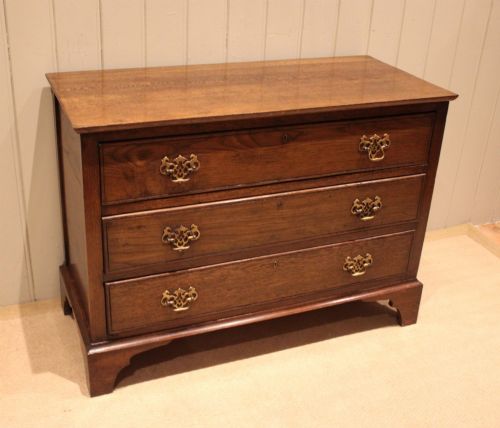
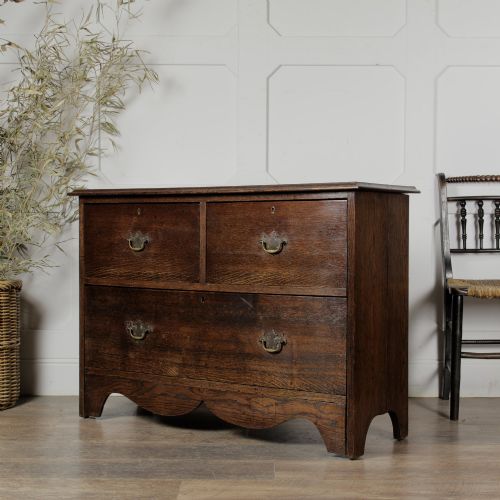
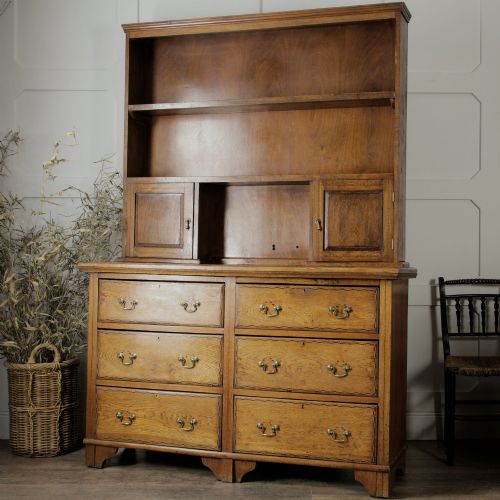
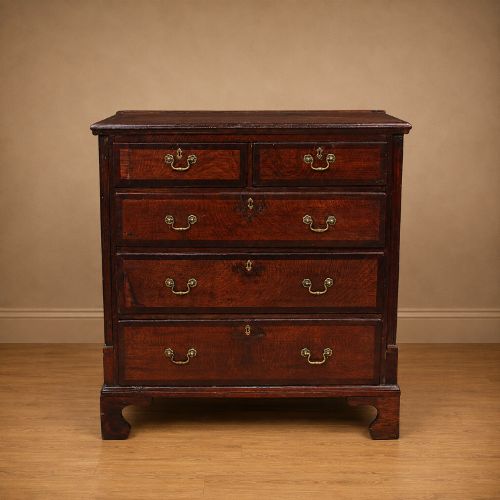
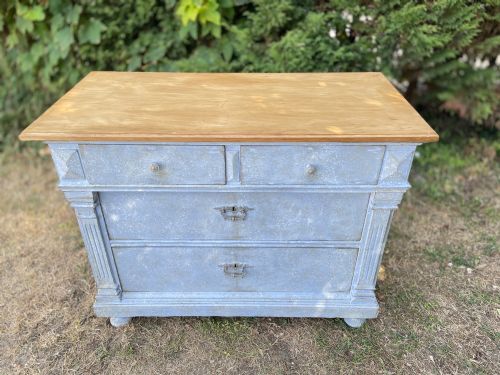
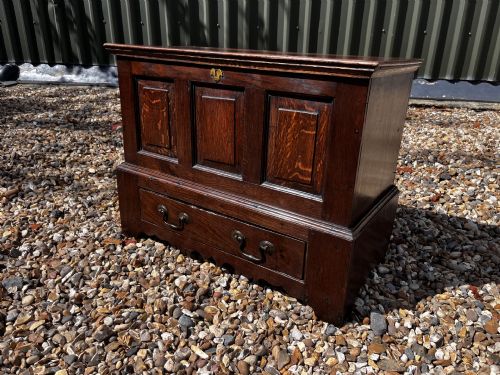
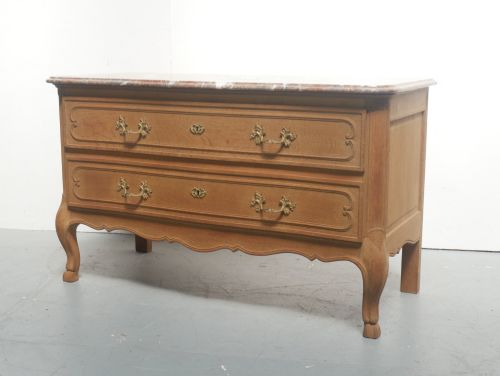
Country Oak Chest Drawers
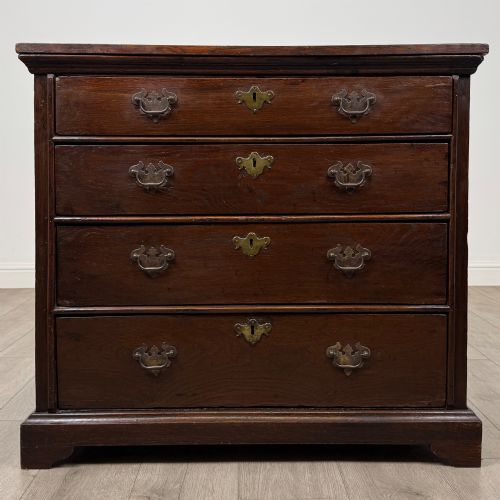
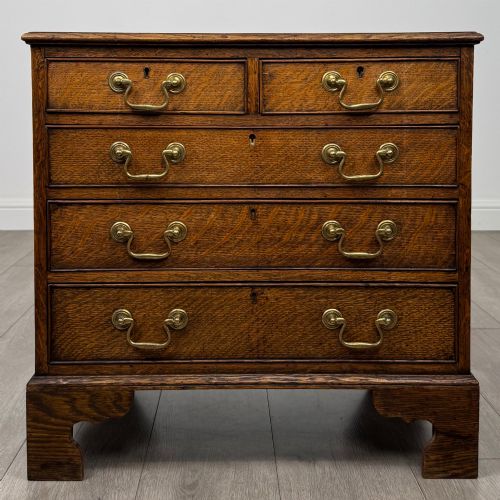
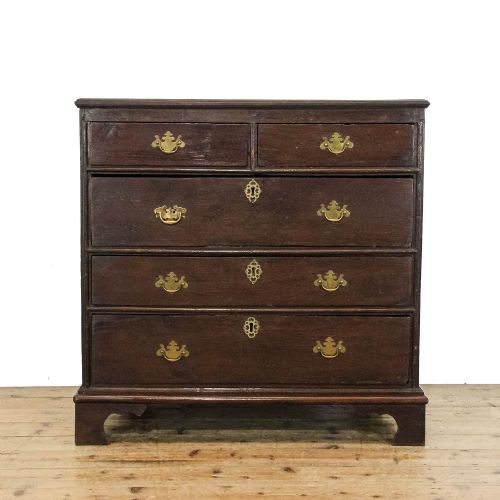
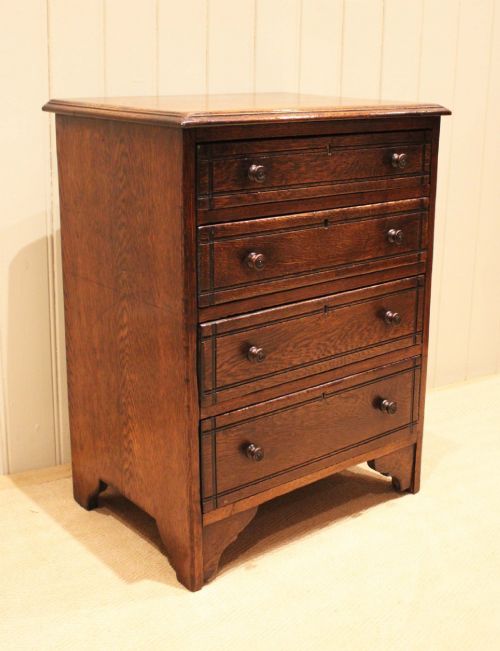
When you search for a country oak chest drawers, you are seeking robust domestic storage fashioned by provincial hands.
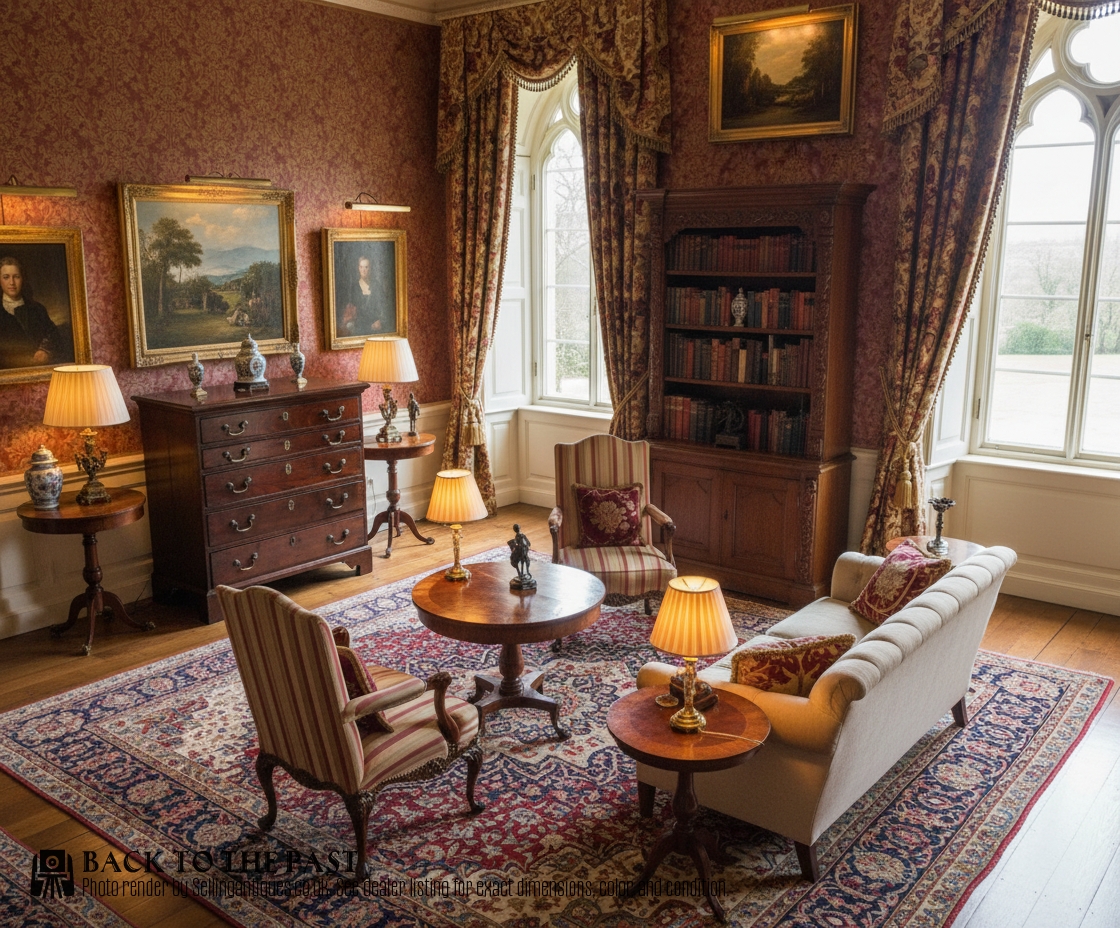
Country Oak Chest Drawers
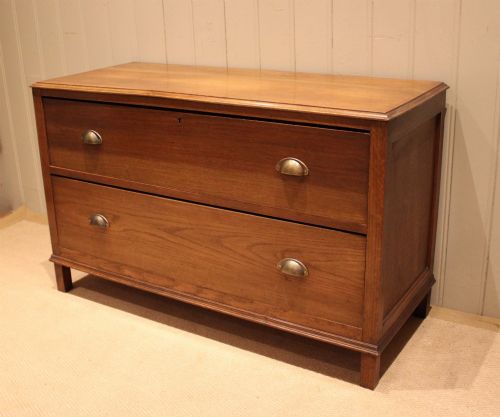
A country oak chest drawers brings utilitarian timber storage directly from provincial workshops into modern domestic spaces. These pieces emerge predominantly from the eighteenth and nineteenth centuries, carrying the marks of regional British and continental cabinet makers.
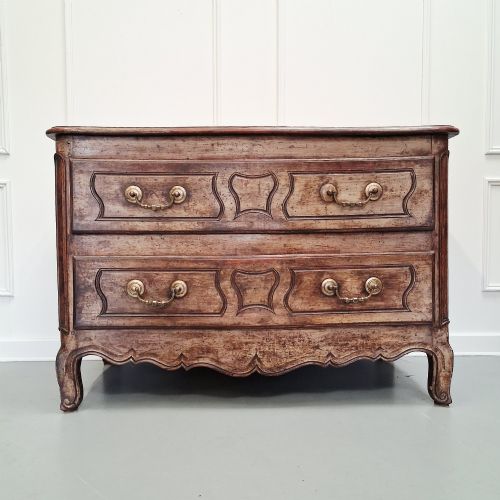
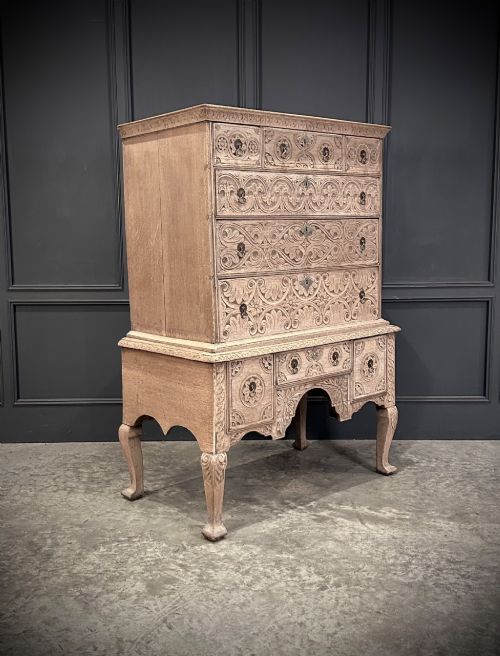
Buyers frequently encounter examples shaped by Georgian vernacular traditions, alongside later pieces from the early twentieth century adhering to earlier styles. The forms range from standard multi-drawer chests to variants featuring stands, coffers, and commodes.
The selection reflects both English country houses and continental provincial idioms such as French country and Gustavian designs. Each item serves primarily as functional bedroom or living space storage built from durable hardwoods.
Construction and materials
Makers relied principally on solid oak, frequently supplemented with secondary timbers like pine and elm for internal components and drawer linings. Brass hardware, including drop handles and escutcheons, punctuate the dense wood alongside occasional iron fittings.
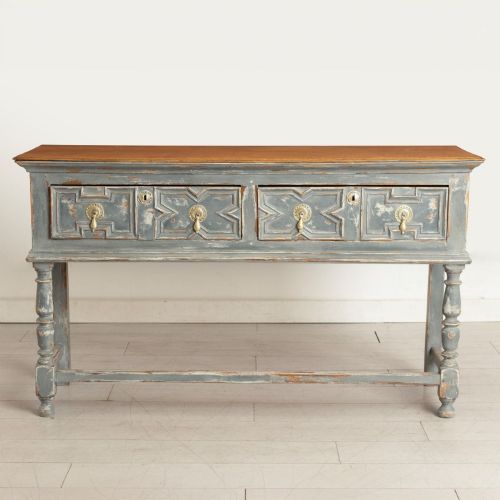
Surface treatments vary from polished natural grain to painted finishes and bleached oak treatments seen in continental pieces. Crossbanding in mahogany or walnut occasionally adds decorative contrast to the primary oak surfaces.
Country Oak Chest Drawers Retail Price Guide 2026
Typical asking prices for country oak chest drawers among the pieces listed under this phrase on Sellingantiques today, from the lower quarter to the upper quarter. They describe what is for sale here now, not the wider market.
Listings feature oak alongside pine, iron, and painted wood surfaces across eighteenth and nineteenth-century periods.
Assessing the grade and character
The division between standard domestic utility and superior craftsmanship rests on timber selection and proportion. Pieces featuring figured grain, such as elm accents or careful crossbanding, demonstrate greater ambition from the maker.
Structural integrity and the retention of original brass hardware elevate an example above heavily altered equivalents. Regional idiosyncrasies, such as those found in Welsh or North Country workshops, define the distinct character of better provincial survivals.
The Country Oak Chest Drawers Glossary
- Crossbanding
- A strip of veneer running perpendicular to the grain of the primary surface, often seen in contrasting timber on drawer fronts.
- Coffer
- A large wooden chest used historically for storage, sometimes mounted on a stand or legs in regional variants.
- Commode
- A low French chest of drawers, frequently featuring a marble top or decorative carving in provincial interpretations.
- Dresser Base
- The lower section of a kitchen dresser, functioning as a sideboard with cupboards and drawers.
- Mule chest
- A traditional storage chest featuring one or more drawers at the base beneath the primary lift-lid compartment.
Country Oak Chest Drawers: Frequently Asked Questions
How do I date a country oak chest of drawers?
Dating relies on examining construction methods, timber choice, and hardware styles relative to documented periods. Eighteenth-century pieces typically exhibit hand-cut dovetails and pegged frames.
Later nineteenth-century and early twentieth-century examples often display machine precision and standardised fittings, while revival pieces mimic earlier vernacular aesthetics.
Were these chests used only in bedrooms?
While primarily designed for sleeping quarters to store linens and clothing, these sturdy items served throughout the home. Country houses utilised them in hallways, parlours, and landings for general household storage.
Their robust timber construction allowed them to withstand heavy daily domestic use across multiple generations.
What is a coffer bach?
A coffer bach is a small Welsh box or chest, often featuring a drawer beneath the main compartment. These miniature pieces were traditionally constructed as presentation or dowry items.
Their diminutive scale makes them distinct from standard storage chests while utilising identical regional cabinet-making techniques.
How do I care for antique oak furniture?
Maintain antique oak by keeping it away from direct heat sources and fluctuating humidity levels to prevent timber splitting. Regular gentle dusting preserves the natural finish without requiring heavy chemical polishes.
Applying traditional wax sparingly helps nourish the dry wood grain over time.