
Antique Wood Drawers
When you set out to acquire antique wood drawers, you enter a domain spanning centuries of cabinet-making heritage.
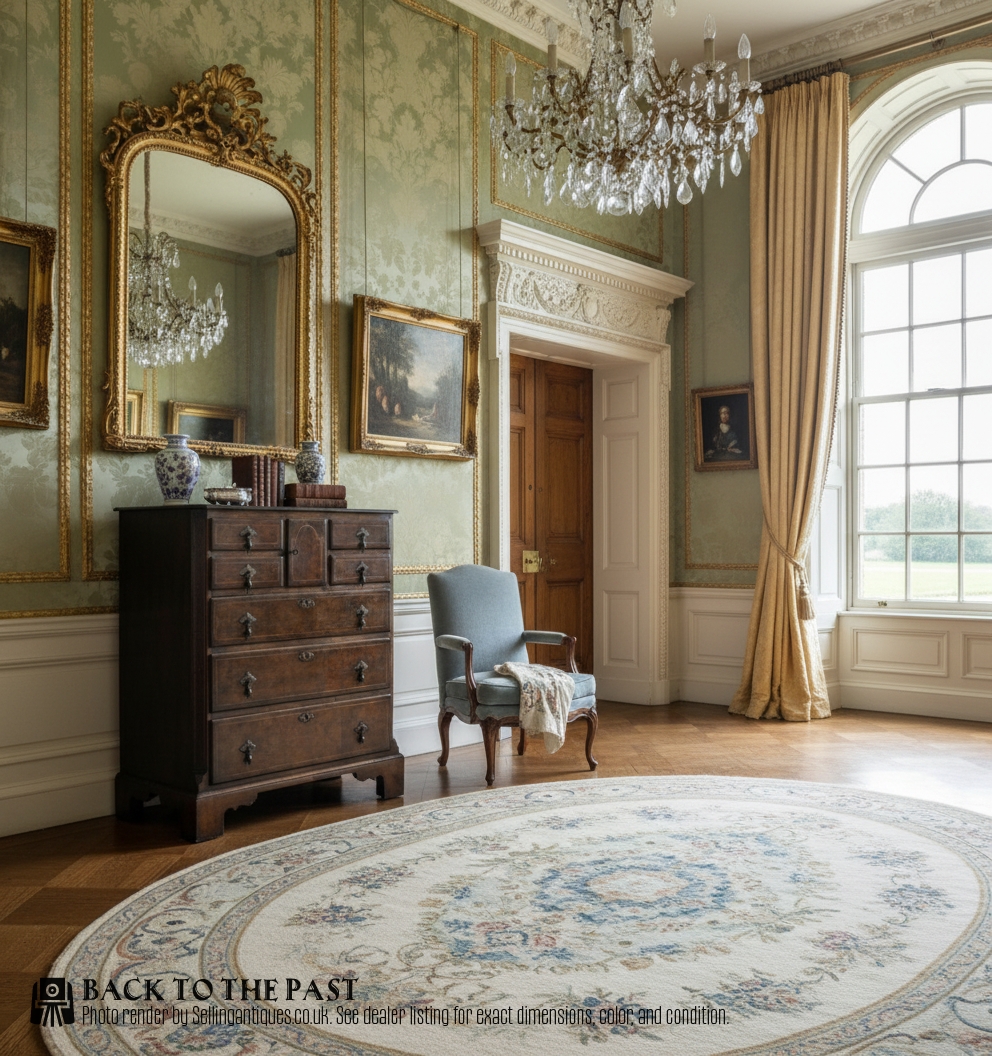
Antique Wood Drawers
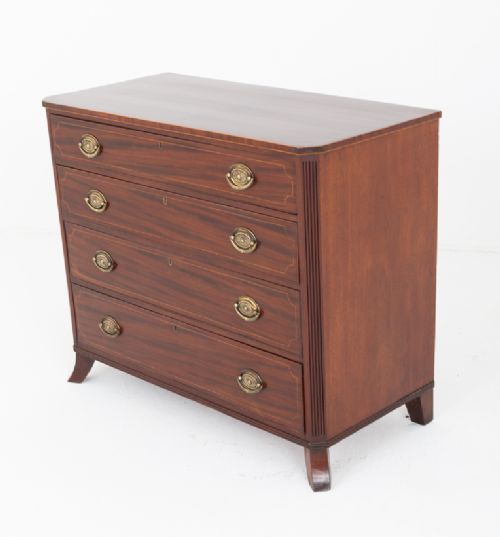
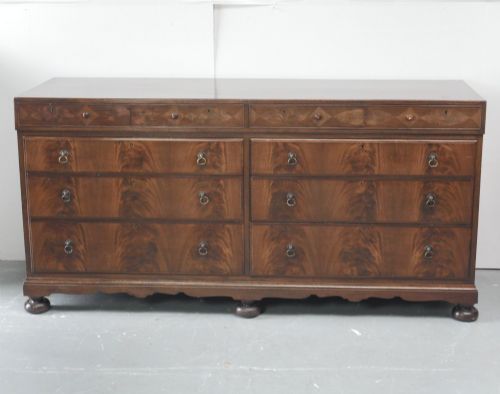
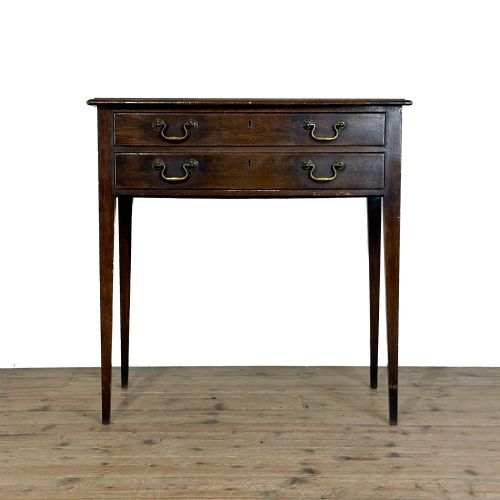
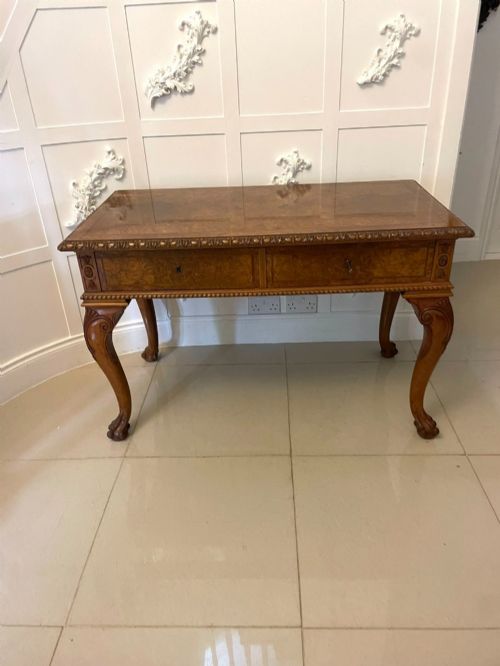
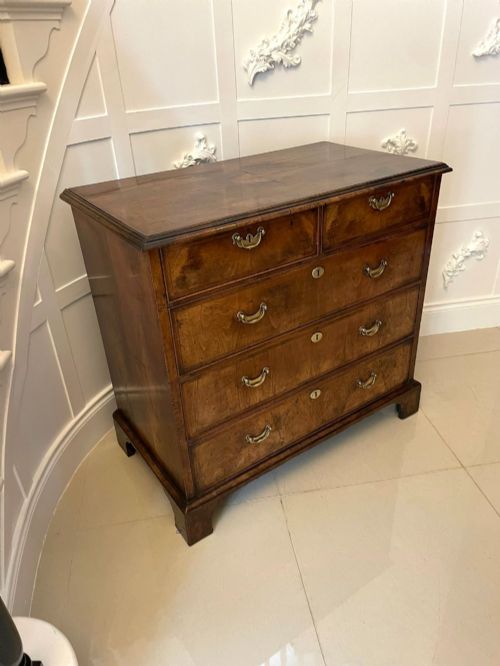
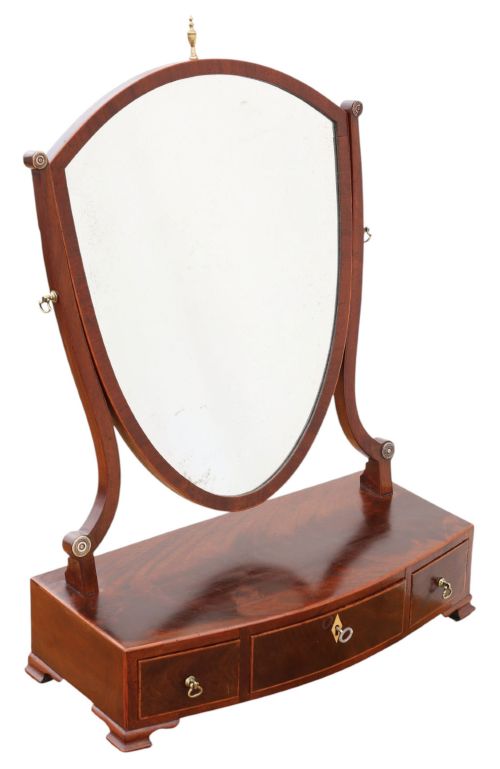
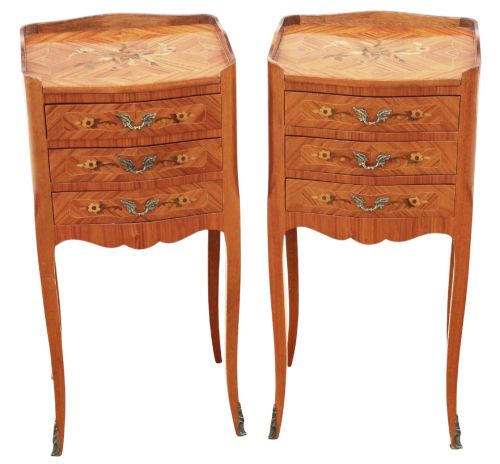
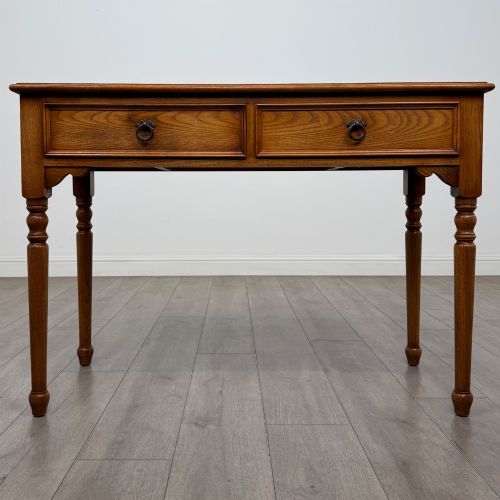
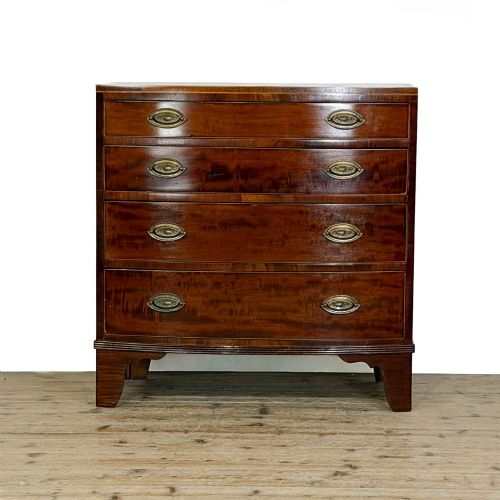
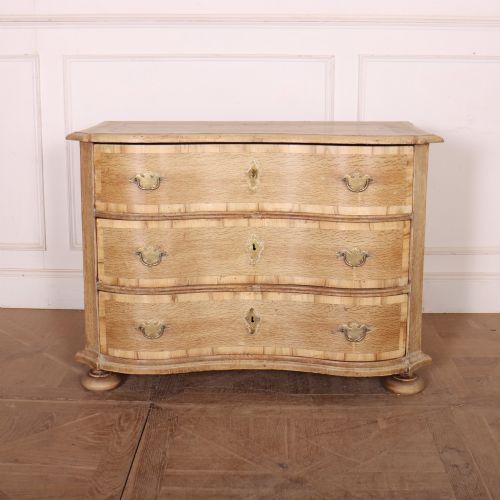
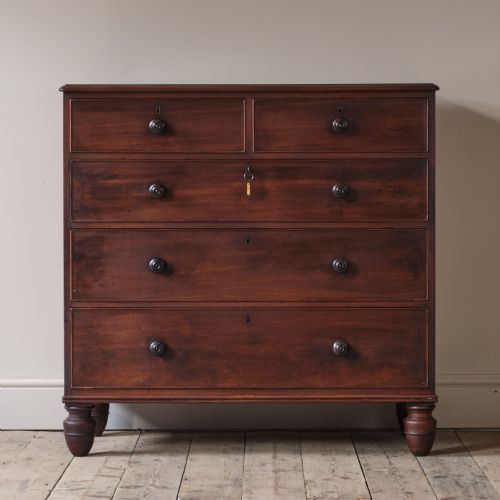
When searching for antique wood drawers, a buyer encounters domestic storage pieces ranging from compact bedside cabinets to substantial chests spanning the Georgian, Victorian, and Edwardian eras. The most frequent form on this page is the classic chest of drawers, built in varied heights and proportions to suit domestic chambers.
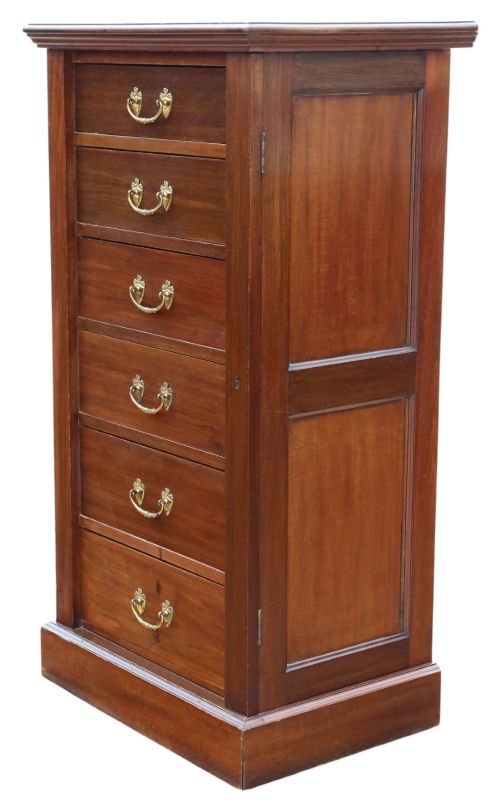
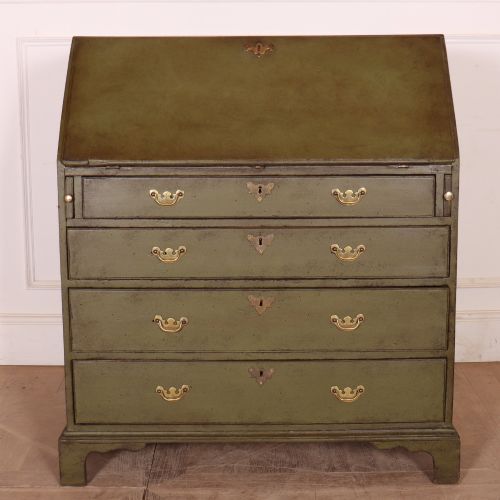
Beyond standard chests, the evidence includes specialised forms such as bureau desks, lowboys, commodes, and narrow Wellington chests. These pieces originate from diverse workshops across Britain and continental Europe, utilising regional timbers and distinct period aesthetics.
The material palette embraces native hardwoods alongside exotic veneers, reflecting the shifting tastes of makers from the eighteenth century into the twentieth. Each piece demonstrates how period joinery served practical storage needs while fulfilling decorative roles within the home.
Construction and Materials
Cabinet-makers relied heavily on dense hardwoods such as mahogany, oak, and walnut, frequently selecting figured or flame grains for primary visual surfaces. Satinwood, yew, fruitwood, and pine also appear across various pieces, utilised both for solid construction and decorative veneering.
Secondary details involve brass hardware, glass panels, and marble tops, particularly on commodes and bedside cabinets from the later nineteenth century. Joinery techniques integrate traditional framing methods with precise inlay work, marquetry, and satinwood banding.
Antique Wood Drawers Retail Price Guide 2026
Typical asking prices for wood drawers among the pieces listed under this phrase on Sellingantiques today, from the lower quarter to the upper quarter. They describe what is for sale here now, not the wider market.
Listings feature items from the 18th, 19th, and 20th centuries, utilising mahogany, oak, walnut, satinwood, and pine.
Distinctions in Quality
Quality rests upon the selection of timber figures, where richly patterned flame mahogany or burr walnut elevates a piece above standard domestic utilitarian items. The deployment of fine marquetry inlay and well-executed satinwood banding demonstrates superior workshop capability.
Structural integrity reveals itself in the treatment of drawer linings, backboards, and the crispness of carved details such as linenfold panels or brass mounts. Maker attribution, visible in documented workshop signatures like those of Whytock & Reid or T & G Seddon, further separates ordinary examples from notable ones.
Whytock & Reid·T & G Seddon·Maple & Co.
The Antique Wood Drawers Glossary
- Brushing slide
- A pull-out shelf integrated above the top drawers, historically used for folding clothes or writing letters.
- Wellington chest
- A tall, narrow chest featuring a hinged locking stile on one side that secures all drawers simultaneously.
- Marquetry
- Decorative patterns formed by fitting together thin veneers of different coloured woods.
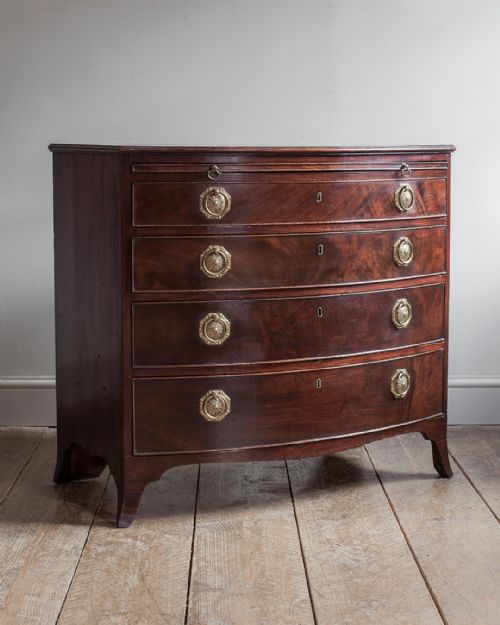
- Bow front
- A convex curved cabinet front that projects outward at the centre.
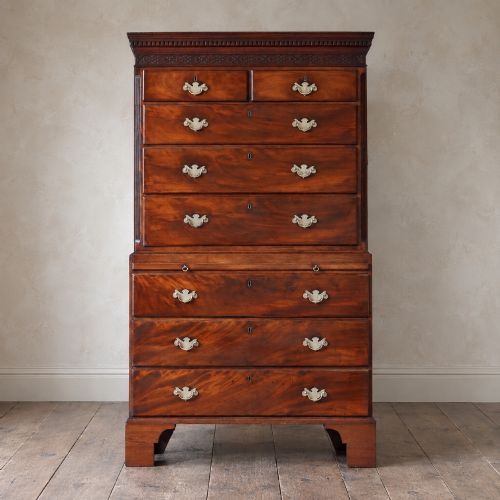
- Chest on chest
- A tall storage unit comprising one chest stacked directly upon a slightly larger lower chest.
- Commode
- A low French-style chest of drawers or cabinet fitted with a flat top, frequently in marble.
Antique Wood Drawers: Frequently Asked Questions
How do I date an antique chest of drawers?
Dating relies upon examining construction methods, timber choices, and hardware styles characteristic of specific periods like Georgian or Victorian.
Secondary indicators include drawer dovetailing techniques and the presence of original handles or locks.
Where should I place a antique wood chest?
These storage pieces suit bedrooms, hallways, and living spaces where their timber tones add warmth and character.
Placement should avoid direct sunlight and extreme temperature fluctuations to protect the wood and veneer.
What is the difference between oak and mahogany pieces?
Oak items generally exhibit a visible, open grain and associate with earlier periods like the seventeenth and eighteenth centuries.
Mahogany offers a denser, smoother texture that became the dominant choice for formal cabinet-making from the Georgian era onward.
How do I care for antique wood surfaces?
Routine maintenance involves dusting with a soft cloth and occasionally applying appropriate natural wax to nourish the polish.
Avoid chemical sprays and excessive moisture to preserve the historic finish of the timber.