
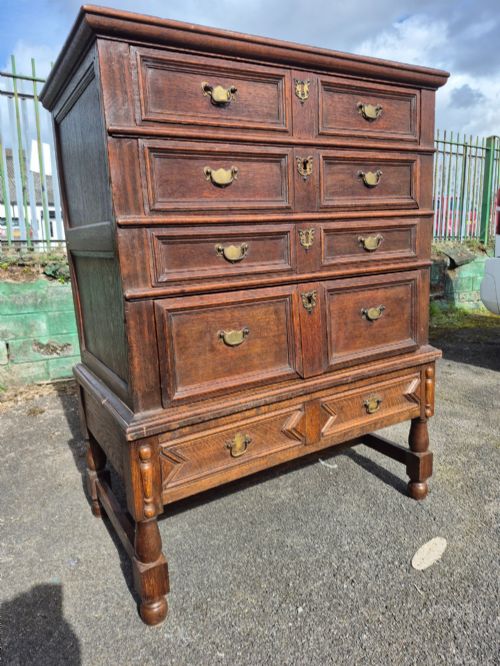
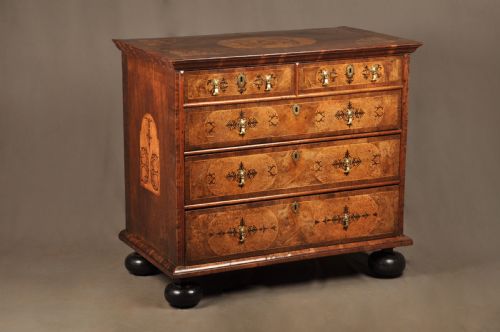
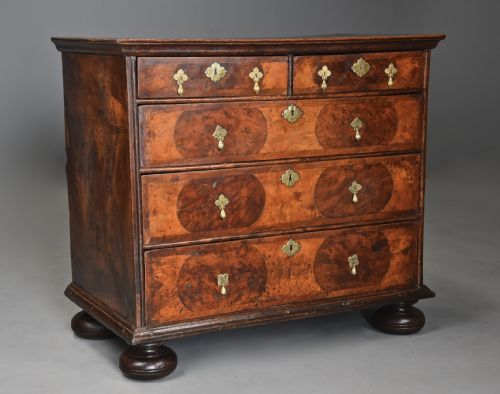


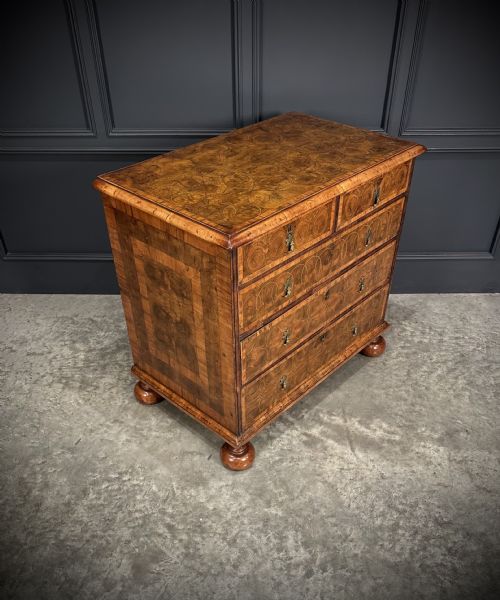


Restoration Era Chest
A restoration era chest brings sturdy seventeenth-century proportion and rich timber into a room, offering both history and deep storage.
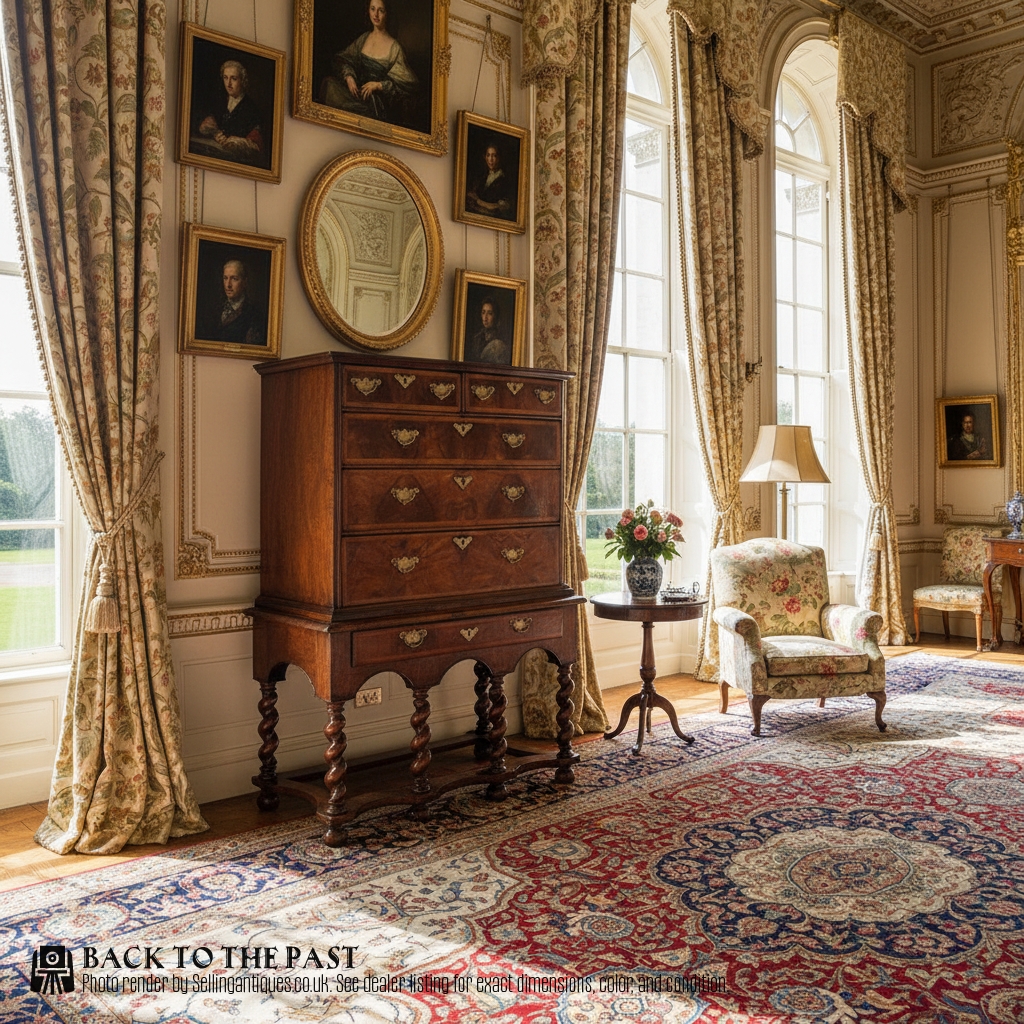
What restoration era chests are
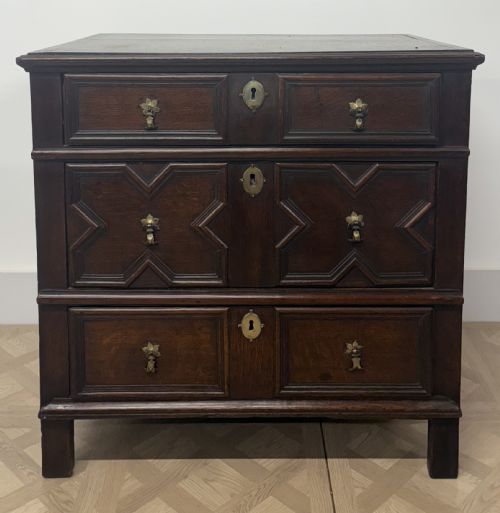
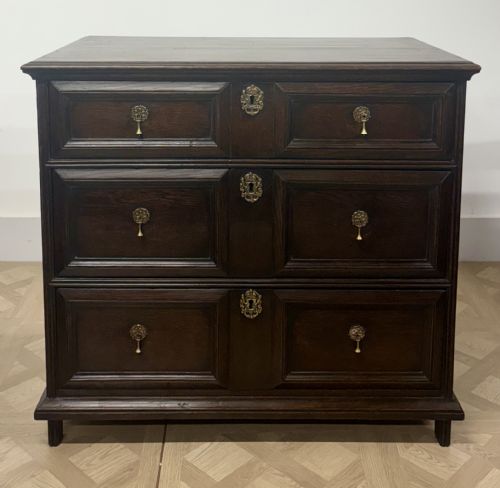
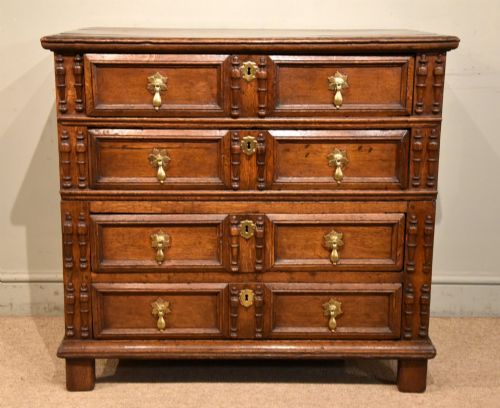
A restoration era chest is a practical storage piece dating from the seventeenth century, typically manifesting as a chest of drawers or a chest on stand. These items embody the joinery and cabinetry traditions of the Charles II and William and Mary periods, presenting substantial wooden forms designed for domestic utility.
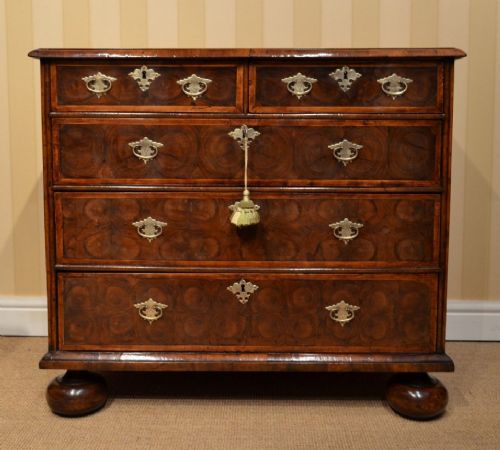
The versions most commonly met on this page combine walnut and oak construction, frequently enriched with decorative surface work such as oyster veneers and arabesque marquetry inlay. Examples range from simple fruitwood and yew wood pieces to more elaborate creations involving ebonised wood and boxwood details.
Buyers encounter forms that span several decades around the turn of the eighteenth century, including specific regional variations in timber choice. Each restoration era chest reflects the prevailing taste for figured woods and geometric drawer arrangements that defined late seventeenth-century interior joinery.
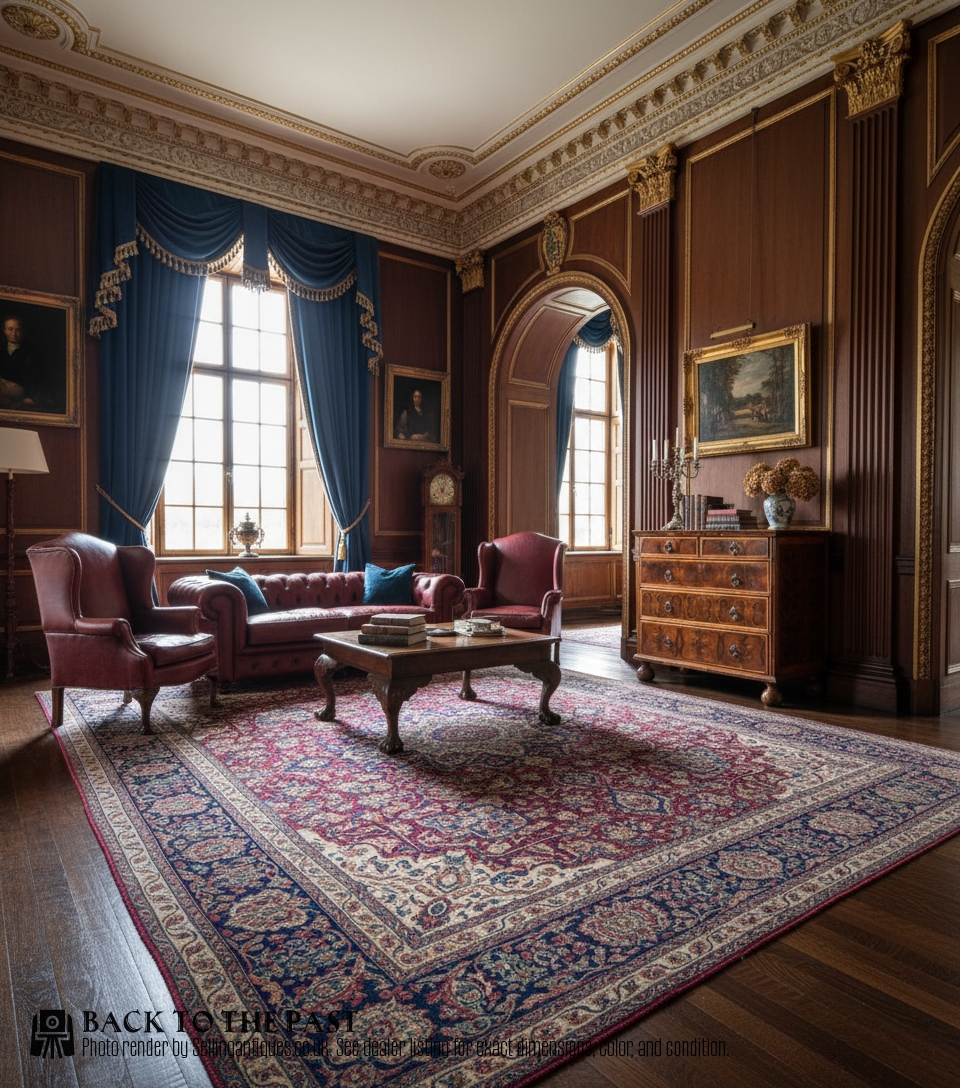
How they were made
Cabinet makers utilised solid woods such as oak and walnut for the primary structural frames, ensuring long-term durability. Drawer fronts and surfaces were frequently embellished with decorative veneers sliced into geometric patterns or arranged in oyster configurations.
Inlayers applied marquetry inlay using contrasting timbers like fruitwood, boxwood, and ebonised wood to create intricate arabesque designs across the drawer faces. Metalwork fittings, specifically brass handles and escutcheons, were secured to complement the dark tones of the primary woods.
Retail Price Guide 2026
Typical UK retail prices for restoration era chest, calculated from the Sellingantiques database of over a million retail prices indexed since 2003. This retail price guide relies exclusively on Sellingantiques data; no external sources or auction records are used, so the figures do not describe the wider market.
Listings feature pieces spanning the seventeenth century and the year 1700, constructed in oak, walnut, yew, and fruitwood.
What varies in quality
Quality in a restoration era chest lies in the complexity of the timber selection and the precision of the surface decoration, distinguishing standard utility pieces from high-status commissions. The use of elaborate arabesque marquetry inlay or well-matched walnut oyster veneers elevates an example above plain timber construction.
The sophistication of the underlying cabinetry and the survival of original brass hardware heavily influence the standing of any piece. Examples featuring combinations of rarer woods like yew, fruitwood, and boxwood demonstrate a higher tier of period craftsmanship.

The Restoration Era Chest Glossary
- Oyster veneer
- A decorative method of slicing small branch wood across the grain to produce circular or oval patterns resembling oyster shells. This technique was widely practiced during the late seventeenth century.
- Marquetry inlay
- The art of applying small pieces of veneer into a fitted background to form pictorial or ornamental designs. Arabesque patterns are a common manifestation of this craft.
- Ebonised wood
- Timber treated with a chemical stain or finish to imitate the dense black appearance of ebony. It provided sharp contrast in seventeenth-century marquetry schemes.
- Chest on stand
- A tall storage form consisting of a main drawer section raised upon a distinct supporting base or frame. This configuration became prominent in the William and Mary period.
Frequently Asked Questions
What is a restoration era chest?
A restoration era chest is a seventeenth-century storage piece built primarily from oak or walnut, featuring multiple drawers for household use. These items date from the reigns of Charles II through to William and Mary.
They represent a major shift in domestic furniture towards sophisticated veneer work and geometric drawer arrangements. Cabinet makers employed native and exotic timbers to construct these sturdy storage solutions.
How were these chests used?
These pieces served as primary storage units for household textiles, clothing, and valuables in seventeenth-century homes. Their multiple drawers allowed for organised storage.
Placed within bedchambers or principal living spaces, the surfaces also functioned as display areas for decorative objects. Their robust construction ensured they could handle daily domestic demands.
How do I tell periods apart?
Dating relies on observing structural changes and decorative techniques visible in the woodwork and hardware. Charles II pieces often feature plainer oak or walnut construction with simpler mouldings.
William and Mary examples introduce more complex elements like oyster veneers, arabesque marquetry, and elevated stands. Timber choices also shift towards figured walnut and decorative inlay combinations.
How do I live with one?
Living with a seventeenth-century chest involves placing it away from direct heat sources and sudden humidity changes to protect the old timbers and veneers. Regular dusting with a dry cloth keeps the surface secure.
These pieces anchor a room visually, pairing well with both traditional and modern interiors. Their rich walnut and oak tones provide a strong architectural presence.