
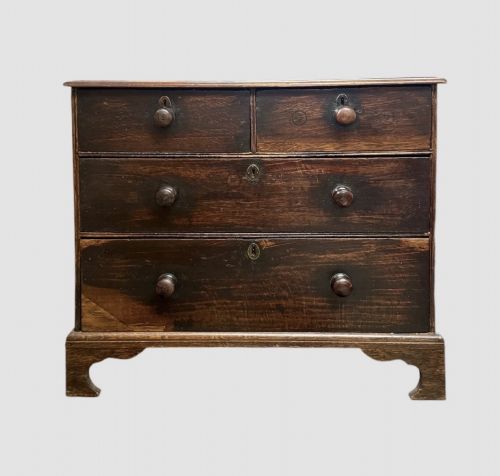
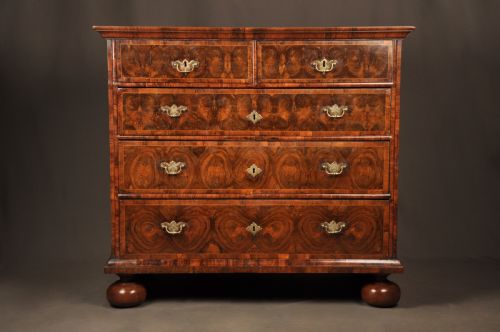


Antique English Oak Commode
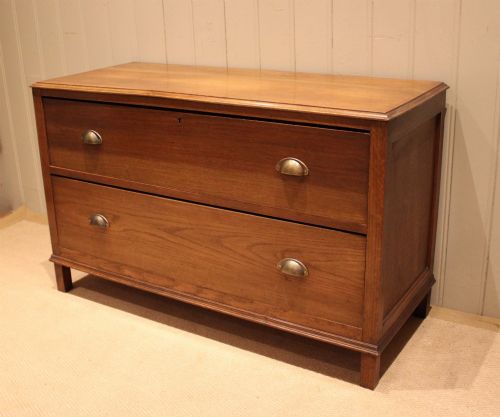
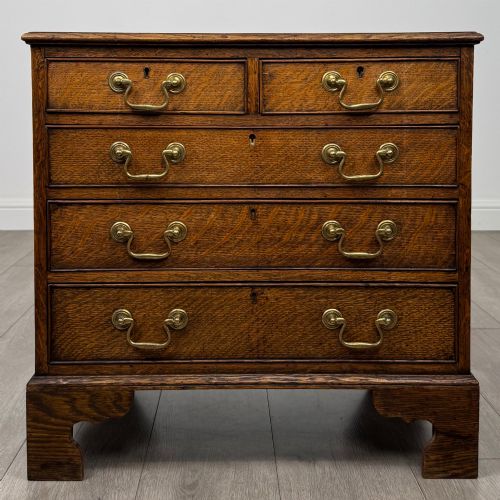
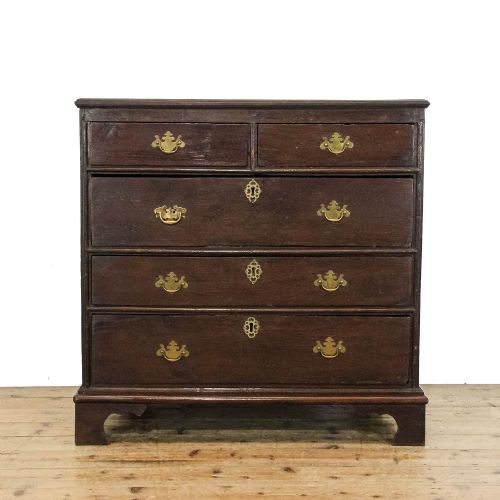
An antique English oak commode brings robust historic timber and dependable storage into a room, offering the honest grain of early periods.

Antique English Oak Commode
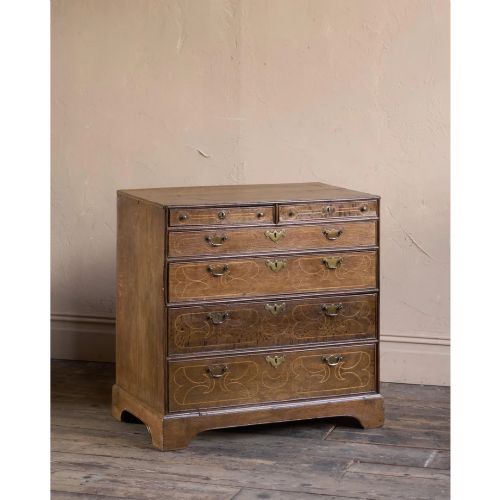
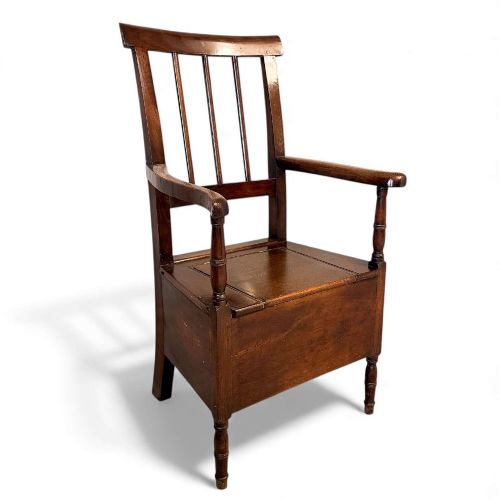
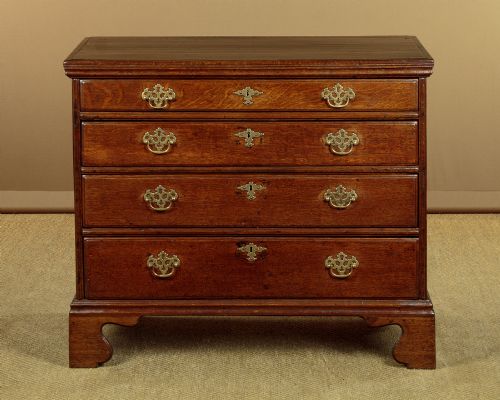
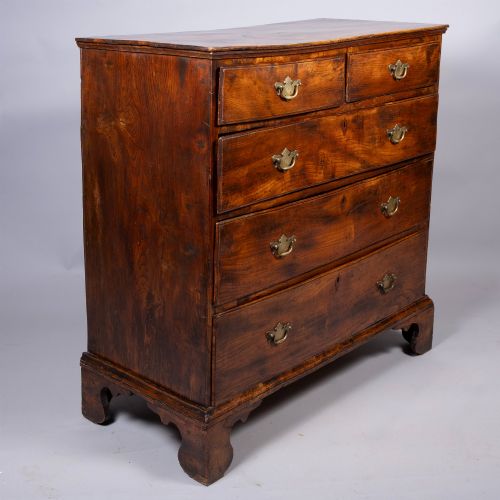
When you search for an antique English oak commode, you are looking at substantial timber storage pieces, primarily chests of drawers alongside related chair forms. These items span periods from the seventeenth century through to the Victorian era, reflecting centuries of domestic utility.
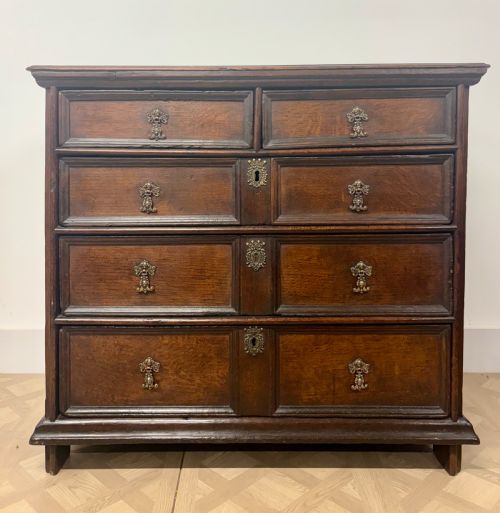
The pieces you are most likely to meet on this page are eighteenth-century and Georgian chests of drawers, often featuring multiple working tiers of timber drawers. Alongside these, seventeenth-century Charles II examples appear, bringing early geometric mouldings and dark patination.
Makers utilised native timbers to construct these sturdy domestic objects, frequently incorporating secondary woods like walnut, elm, fruitwood, and mahogany in cross-banding or inlay. Regional English country pieces sit alongside more formal urban iterations from the Georgian period.
Assessing Quality
Quality rests heavily on the integrity of the timber and the preservation of the original surface patination. Pieces that retain their early brass hardware and unblemished oak boards stand apart from those altered by later restorations.
The sophistication of the construction distinguishes simpler country pieces from refined urban examples. Crisp geometric mouldings on seventeenth-century pieces and precise cross-banding on Georgian drawers indicate superior craftsmanship.
Branch cuts create oyster patterns that look like wooden eyes watching your hallway.
The Antique English Oak Commode Glossary
- Commode
- A movable piece of furniture containing drawers or compartments, historically used for storage in domestic chambers. In early English contexts, this term also applies to chair forms adapted for similar household functions.
- Cross-banding
- A decorative border technique where thin strips of veneer are laid perpendicular to the grain of the central panel. This method frames the drawer fronts of Georgian pieces with contrasting timber tones.
- Oyster veneer
- Circular pieces of wood sliced across branch growth to create concentric oval patterns. Seventeenth-century makers utilised this technique to display intricate wood figuring.
- Geometric moulding
- Raised wooden mouldings applied to drawer fronts in repeating rectilinear patterns. This decorative approach defines the facade of Charles II period furniture.
- Mahogany
- A dense imported timber utilised in later periods for cross-banding and secondary decorative elements alongside native oak. Its rich dark tone contrasts with the lighter hue of plain oak.
Antique English Oak Commode: Frequently Asked Questions
What is an antique English oak commode?
These items are robust wooden storage furniture pieces, primarily functioning as chests of drawers across several historic periods. They utilise solid oak timbers combined with secondary woods for domestic storage.
Craftsmen built these pieces to withstand daily household use, resulting in heavy, durable construction. The category also includes specific chair variations from the seventeenth and eighteenth centuries.
How do I date a piece?
Dating relies on observing construction methods, hardware types, and decorative motifs characteristic of specific reigns and centuries. Seventeenth-century examples often display geometric drawer mouldings and pegged frames.
Later Georgian and Victorian pieces show cleaner drawer construction and different secondary timbers like mahogany or fruitwood. Examining the interior timber boards helps confirm the manufacturing era.
Where were these pieces used?
Historically, these items served in principal chambers, parlours, and private bedrooms of English homes for storing garments and linens. Their sturdy construction suited active domestic environments.
Today, buyers place them in living rooms, hallways, and bedrooms as functional storage surfaces. Their traditional proportions allow them to integrate into various interior schemes.
What woods are used?
Oak forms the primary structural and visual material for the vast majority of these listings, providing a durable and heavily grained surface. Cabinetmakers frequently paired this with walnut, elm, and fruitwood.
Some pieces incorporate olive oyster veneers or mahogany cross-banding to add decorative contrast to the drawer fronts. Secondary woods are often found on internal drawer linings and backboards.