




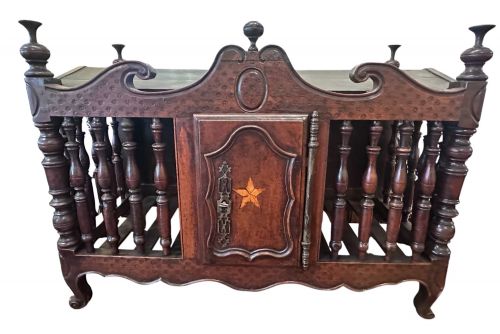
Antique Fruitwood Furniture
Antique fruitwood furniture brings tactile warmth and distinct rural character into a room through honest timbers shaped over centuries.
Antique Fruitwood Furniture
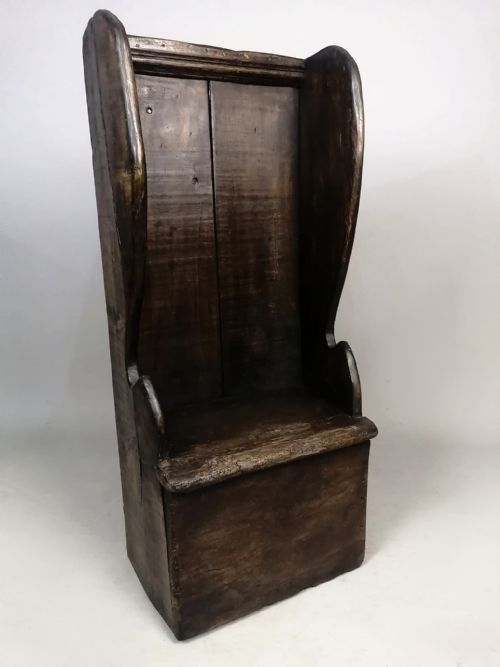
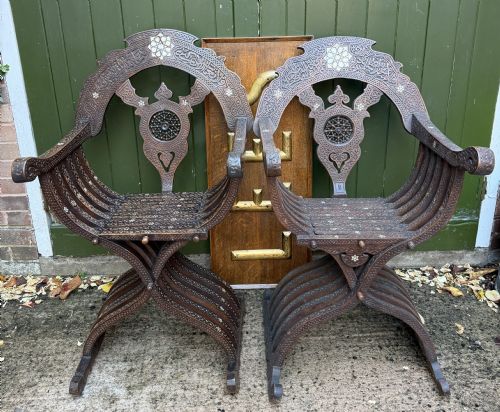
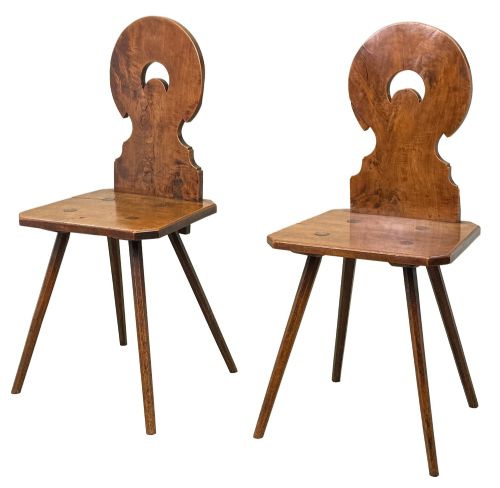
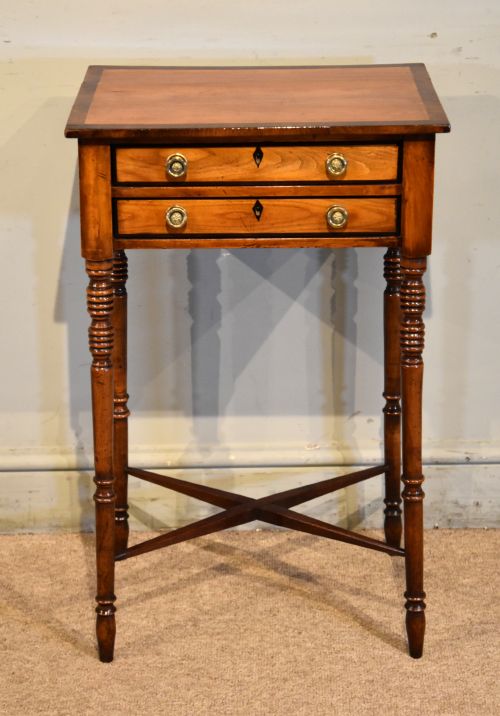
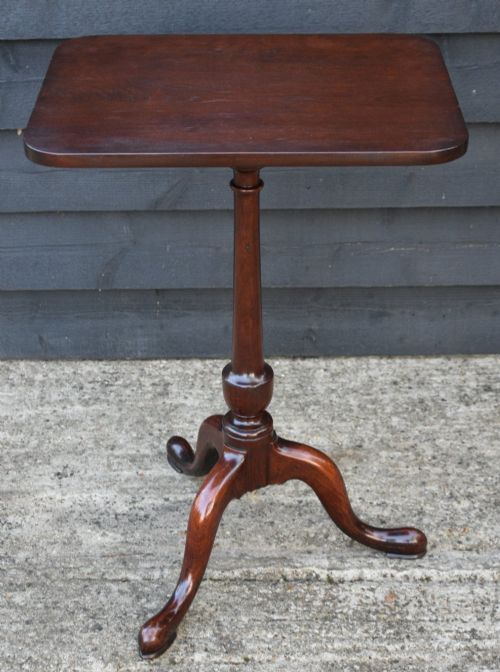
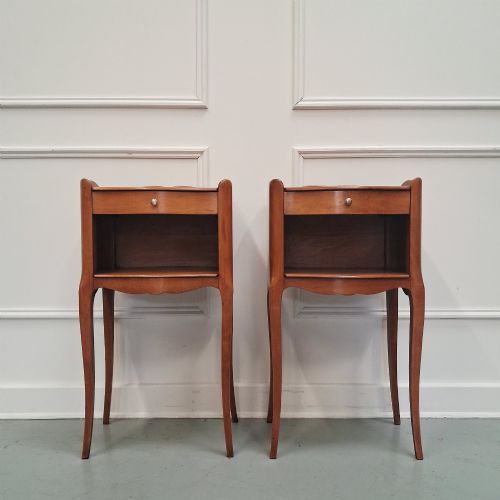
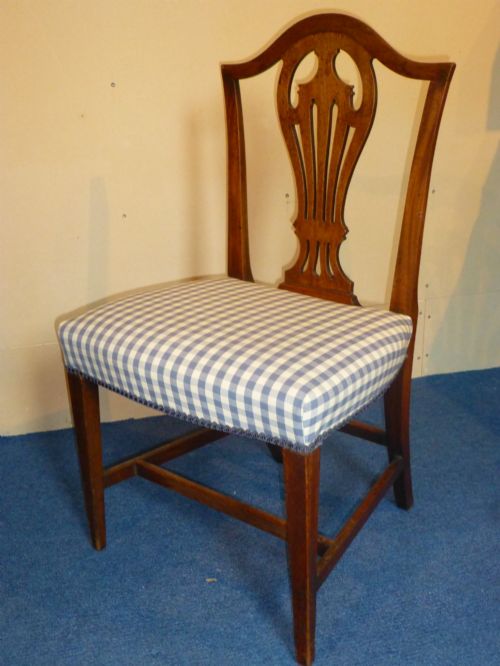
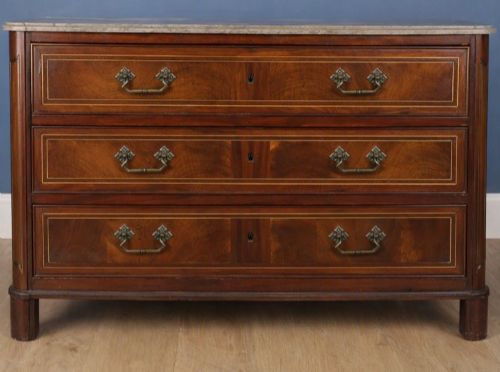
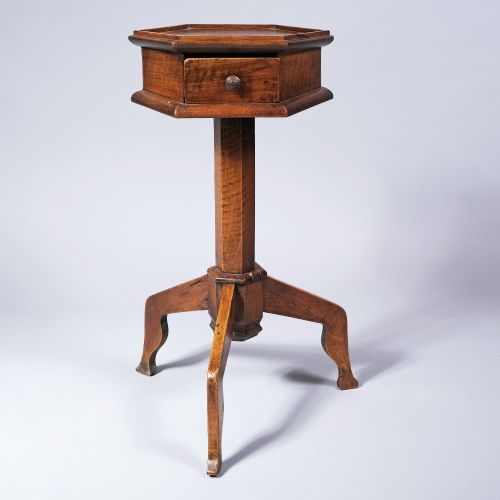
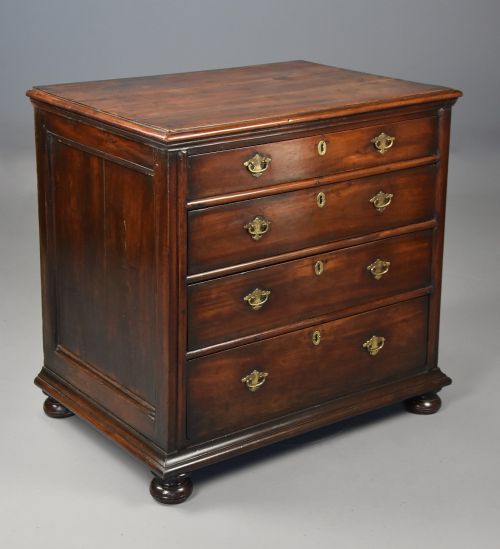
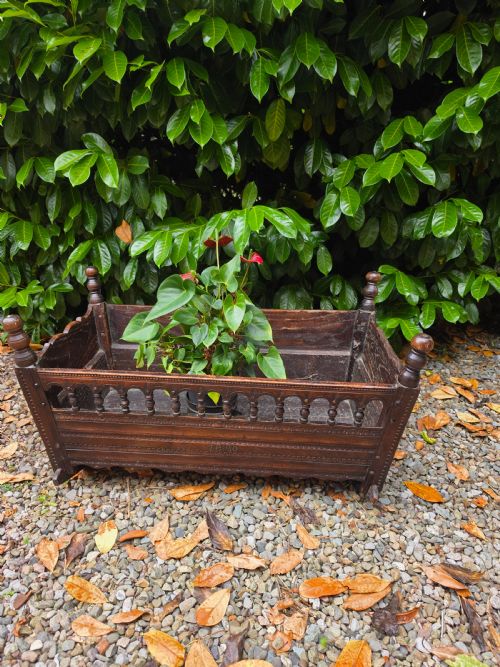
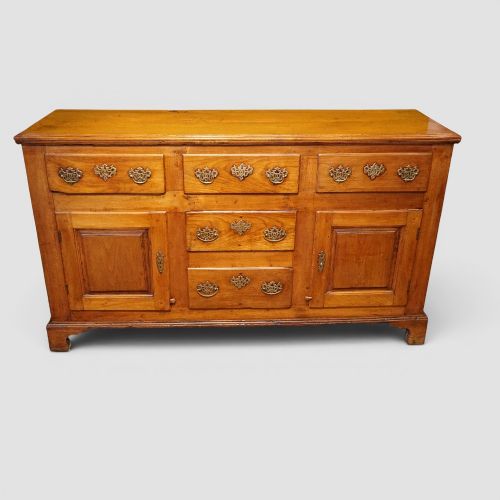
Antique fruitwood furniture encompasses functional domestic forms created from dense, local orchard woods across several centuries of British craftsmanship. When you explore antique fruitwood furniture on this page, you encounter practical objects ranging from robust side chairs and occasional tables to substantial dresser bases and chests of drawers.
The selection draws heavily on regional country traditions, featuring seating such as Windsor armchairs and corner chairs alongside storage pieces. These items originate from periods spanning the seventeenth century through to the nineteenth century, including Georgian and Regency eras.
Makers often paired fruitwood with complementary timbers like elm, oak, ash, and walnut to construct sturdy everyday items. The resulting pieces reflect both formal stylistic influences, such as Chippendale designs, and simpler vernacular forms built for utility.
How they were made
Craftsmen utilised native fruitwoods alongside secondary timbers such as elm, beech, and oak, often combining solid boards with turned spindles and applied mouldings. Brass hardware appears on drawer fronts and candleboxes, while fabric occasionally provides upholstery for seating.
Joinery techniques relied on traditional methods suited to domestic workshop production, connecting panels and frames with pegging and dovetails. Turning lathes shaped uprights and legs for chairs and tables, while hand saws and planes rendered smooth surfaces on panels and sliding elements.
Antique Fruitwood Furniture Retail Price Guide 2026
Typical asking prices for fruitwood furniture among the pieces listed under this phrase on Sellingantiques today, from the lower quarter to the upper quarter. They describe what is for sale here now, not the wider market.
Several items include sliding front panels designed to keep tallow candles safe from nibbling mice.
What varies in quality
Quality rests in the depth of natural colour and the patination developed on the timber surfaces through decades of handling. Pieces displaying rich, warm tones and minimal disturbance to the original construction demonstrate superior historical integrity.
The harmony between primary fruitwoods and supporting timbers dictates the visual success of each item. Sophisticated joinery in structural elements separates refined formal pieces from simpler utilitarian objects.
The Antique Fruitwood Furniture Glossary
- Fruitwood
- Timber derived from fruit-bearing trees such as apple, pear, or cherry, prized for its dense grain and warm colour. It develops a rich patination with age.
- Dresser base
- A low sideboard or storage unit featuring drawers and cupboards, traditionally used in kitchens and dining spaces for provisions and tableware.
- Windsor armchair
- A wooden seating form featuring a solid saddle-seat into which legs and back spindles are directly wedged or secured.
- Joint stool
- A low, sturdy wooden seat constructed with mortise and tenon joints, common in early domestic interiors before the widespread use of chairs.
- Candlebox
- A small wall-mounted or freestanding box with a sliding or hinged lid designed to store tallow candles safely away from pests.
Antique Fruitwood Furniture: Frequently Asked Questions
How do I care for fruitwood?
Keep wooden surfaces away from direct heat sources and strong sunlight to prevent the timber from drying out or splitting over time.
Apply traditional beeswax occasionally and buff gently with a soft cloth to maintain the natural sheen without building up heavy residues.
Are these pieces purely decorative?
Most items served very practical functions in historic homes, from storing linens in chests to providing seating around tables.
Today, you can readily integrate tables, chairs, and small storage units into modern rooms for daily use.
What woods are mixed with fruitwood?
Cabinetmakers frequently combined fruitwood with domestic hardwoods like elm, oak, ash, and walnut depending on availability and structural needs.
Secondary timbers often formed internal frames, drawer linings, or structural stretchers while fruitwood faced the exterior.
How do I distinguish regional styles?
Regional pieces often reflect local timber supplies, leading country makers to use elm and ash alongside fruitwood for vernacular seating.
Formal pieces incorporate recognised stylistic periods like Georgian or Regency through decorative carved details and refined proportions.