
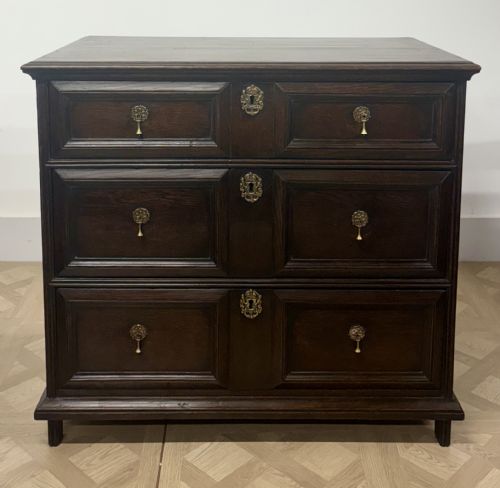
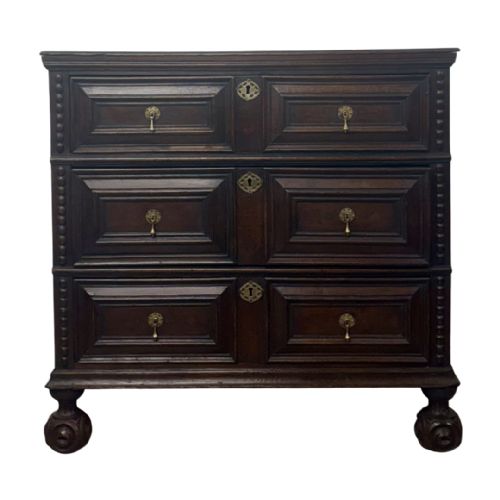
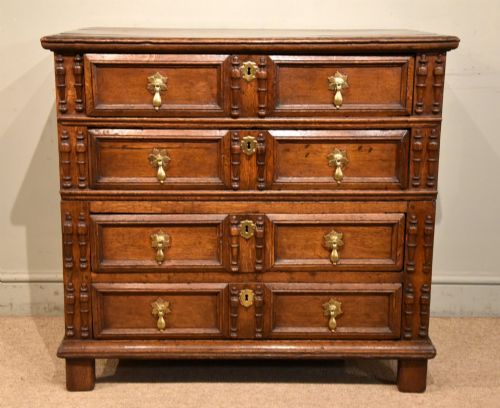
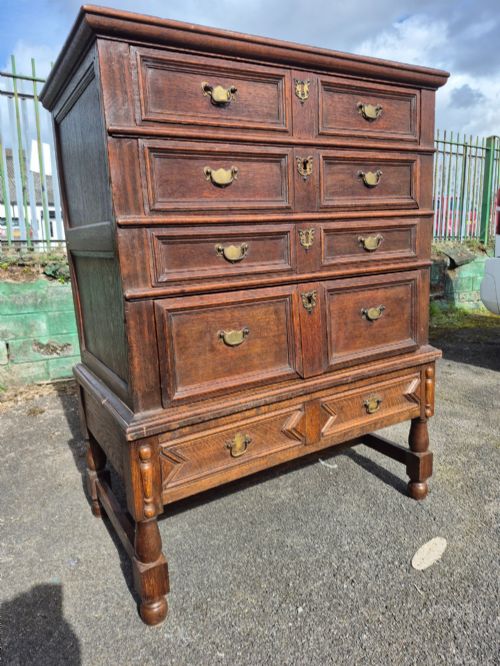
Charles II Chest
A charles ii chest brings seventeenth-century timber into a room, offering heavy grain and period proportion.
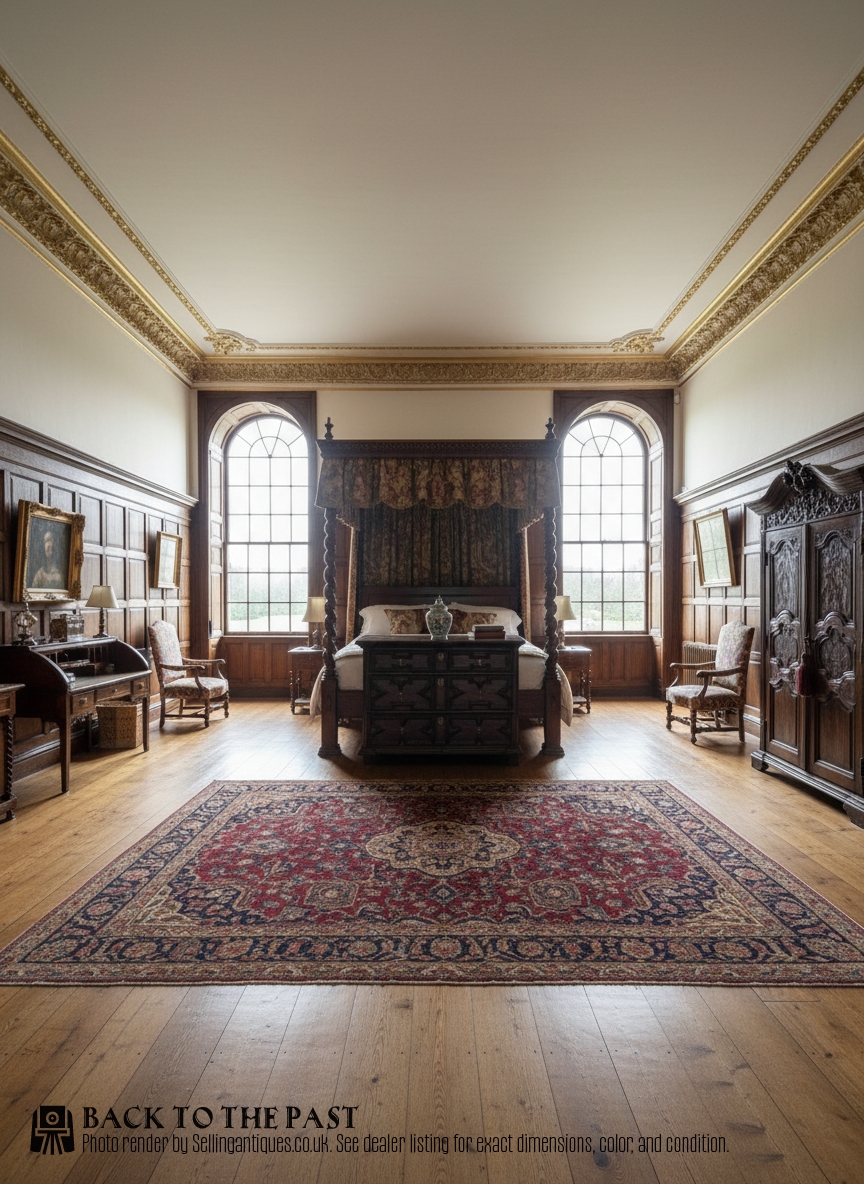
Forms and Origins
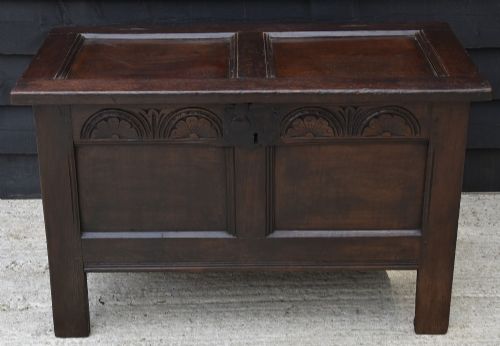
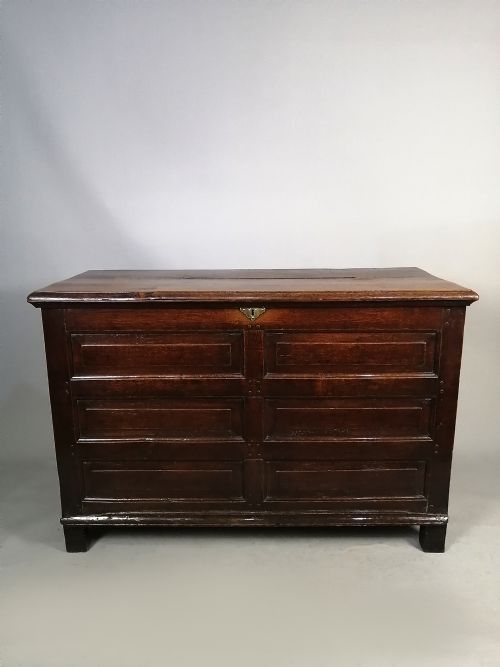
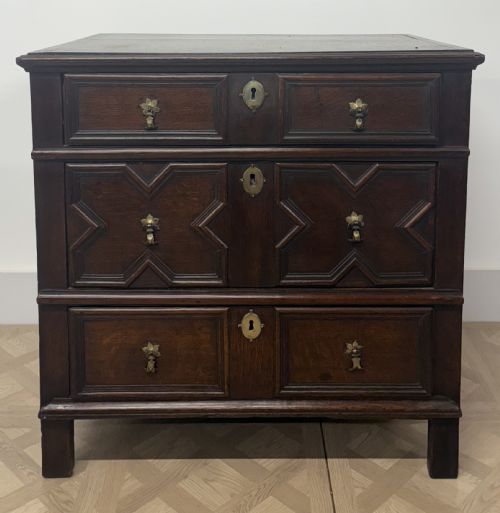
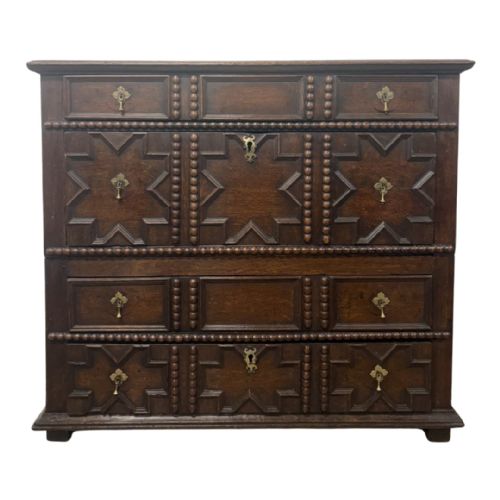
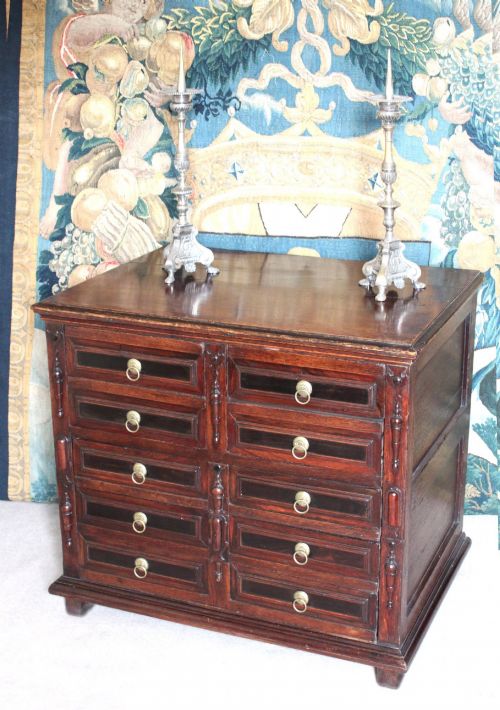
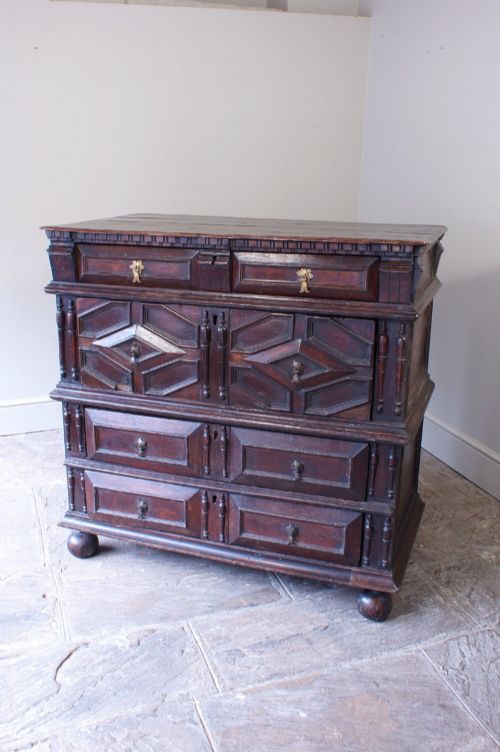
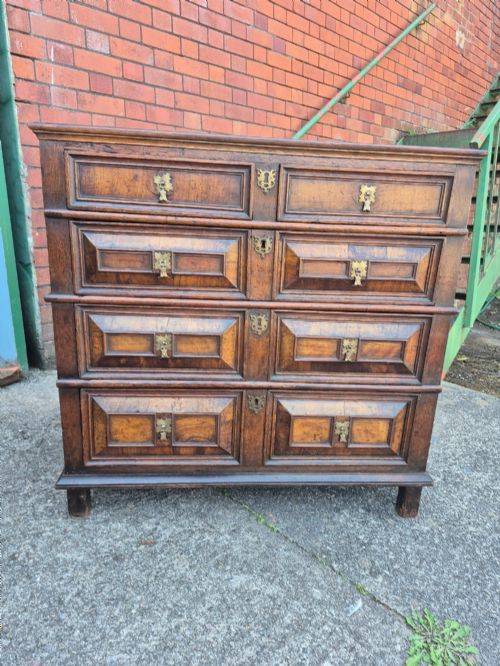
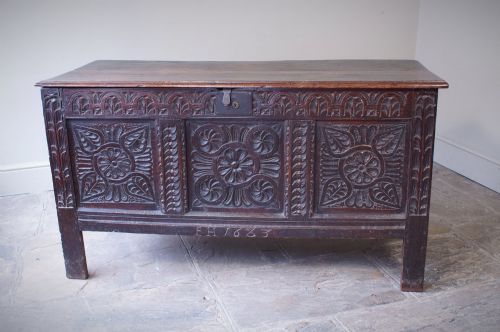
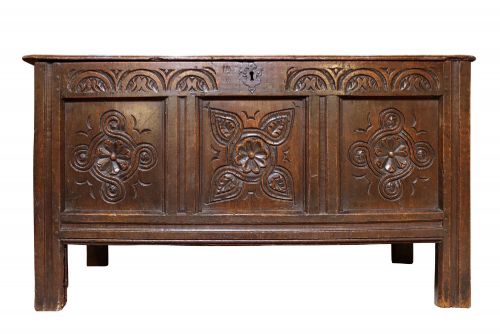
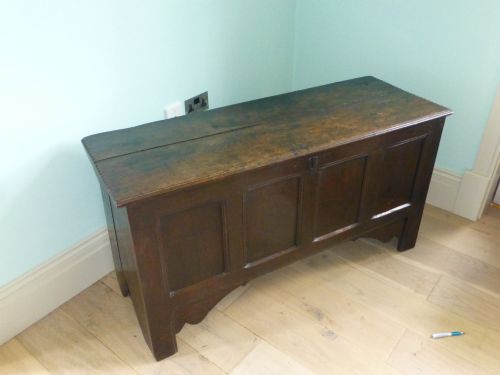
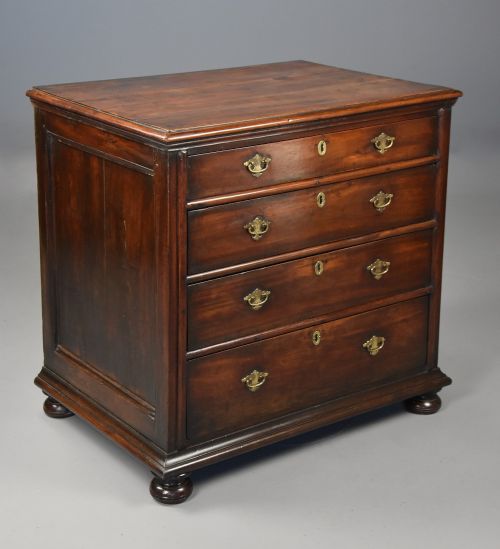
A charles ii chest is a seventeenth-century domestic storage piece defined by solid construction and period joinery. Buyers find both chests of drawers and panelled coffers spanning this era.
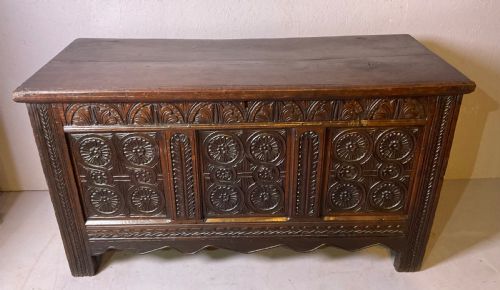
Oak dominates the pieces listed here, alongside fruitwood, walnut, elm and leather. Examples range from simple six-plank boards to carved mule chests and pieces raised on stands.

Materials and Technique
Carpenters built these pieces using native timbers like oak, fruitwood and elm, shaped with hand tools and held with pegged joints. Iron and brass fittings provide operational hardware.
Surfaces display carved panels, plank construction, or inlaid ivory details, reflecting seventeenth-century workshop methods.
Retail Price Guide 2026
Typical UK retail prices for charles ii chest, calculated from the Sellingantiques database of over a million retail prices indexed since 2003. This retail price guide relies exclusively on Sellingantiques data; no external sources or auction records are used, so the figures do not describe the wider market.
Listings for a charles ii chest feature oak, walnut, fruitwood, elm, brass and iron across seventeenth-century forms.
Judging Quality
Quality rests in the survival of original surfaces, timber colour and authentic hardware like handles and hinges. Unaltered proportions and crisp carving set superior examples apart from heavily restored ones.
The choice of denser woods like walnut or figured fruitwood, alongside intact panel work, distinguishes the finer iterations.
The Charles II Chest Glossary
- Mule chest
- A storage chest featuring one or more drawers beneath the main compartment. This form bridges the traditional blanket box and the modern chest of drawers.
- Coffer
- A heavy wooden box used for storing valuables or textiles, frequently constructed with panelled framing. These pieces often sit directly on the floor or on short stiles.
- Six-plank
- A simple box construction method using six individual boards joined at the edges. This technique represents an early and straightforward form of chest building.
- Carolean
- The stylistic period encompassing the reign of Charles II, marked by rich carving and Flemish influence. Furniture from this time displays robust proportions.
Frequently Asked Questions
How do I date a charles ii chest?
Dating relies on examining the construction methods, tool marks, and timber species used in the frame. Seventeenth-century pieces typically show hand-riven boards and pegged mortise and tenon joints.
Hardware and surface patination also offer clues, though handles and hinges are frequently replaced over centuries of use.
What is the difference between a coffer and a chest of drawers?
A coffer is a lidded box accessed from the top, primarily designed for storing bulky items like blankets or valuables. A chest of drawers opens from the front via stacked horizontal drawers.
Both forms appear frequently within seventeenth-century domestic interiors.
Where should I place a charles ii chest at home?
These timber pieces suit hallways, living spaces, or bedrooms where their heavy grain and dark patination add architectural weight. Keep them away from direct heat sources and strong sunlight to protect the wood.
Allow sufficient clearance around panelled coffers so the lids can open fully without striking walls.
Did these chests have original handles?
Some surviving examples retain their early drop handles and brasses, while others have replacements from later centuries. Inspecting the surrounding timber reveals whether backplates and fixings match the period.
Original hardware significantly enhances the historical integrity of a piece.