


17th Century Oak Cabinet
When you search for a 17th century oak cabinet, you enter a domain of sturdy timbers, panelled doors, and centuries of domestic utility.
17th Century Oak Cabinet
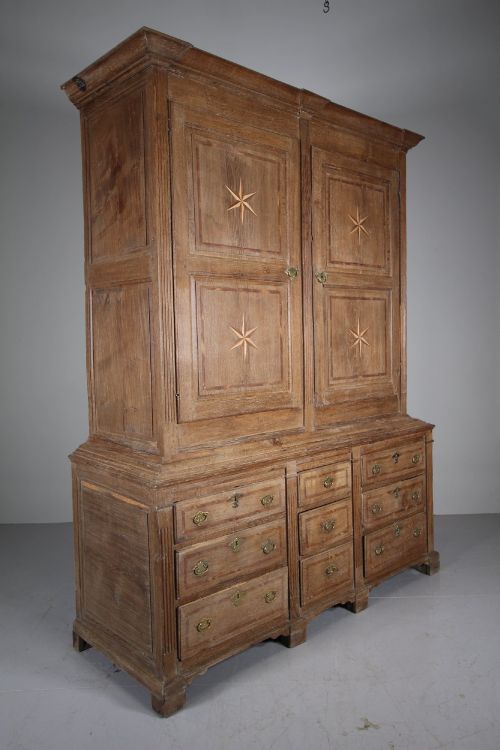
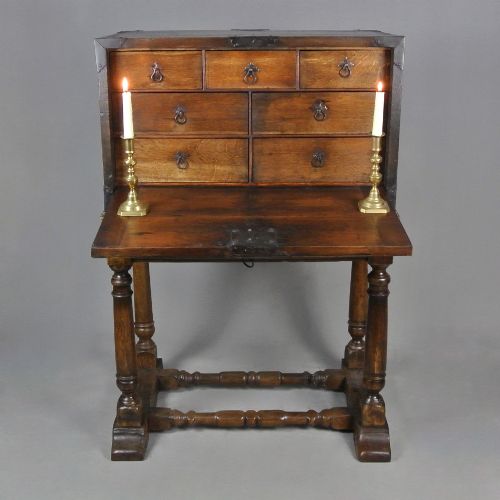
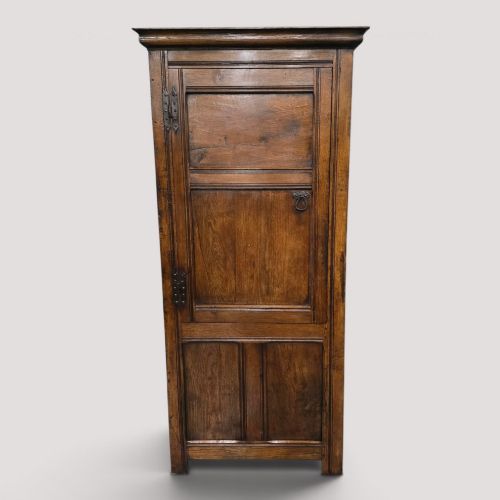
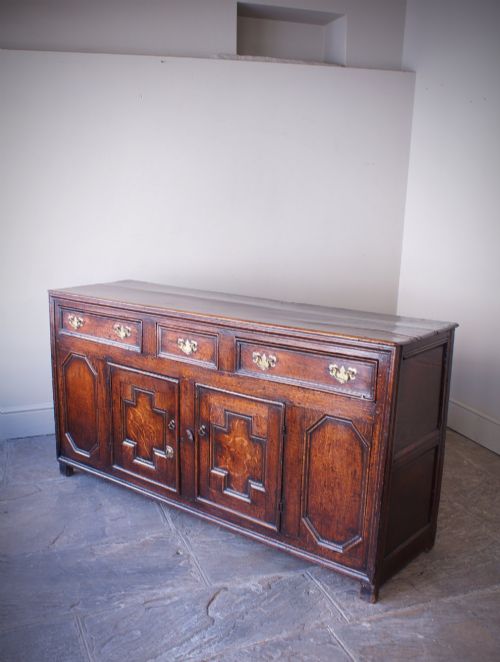
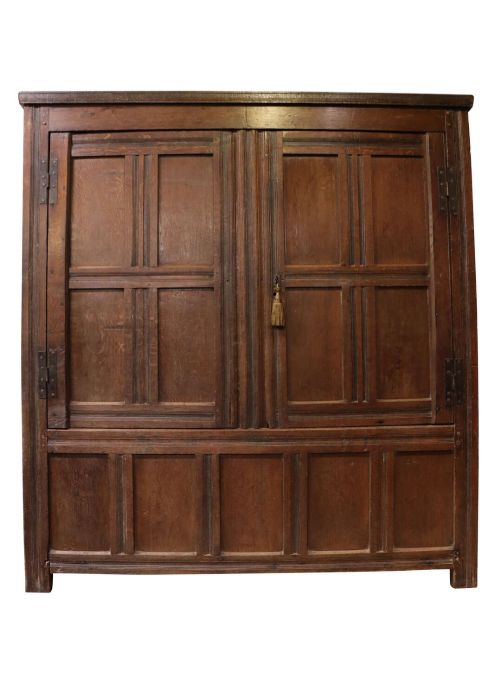
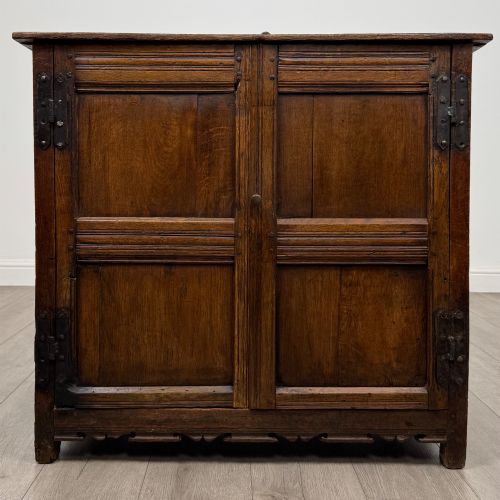
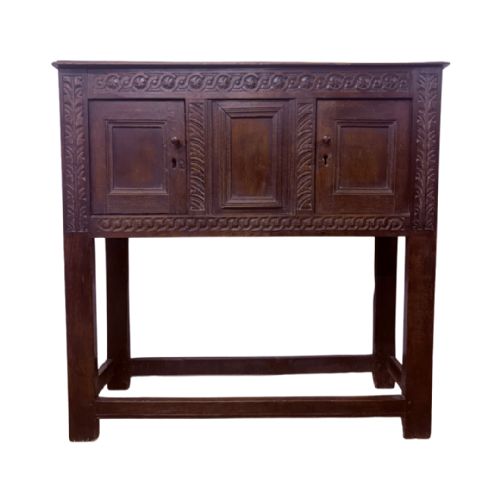
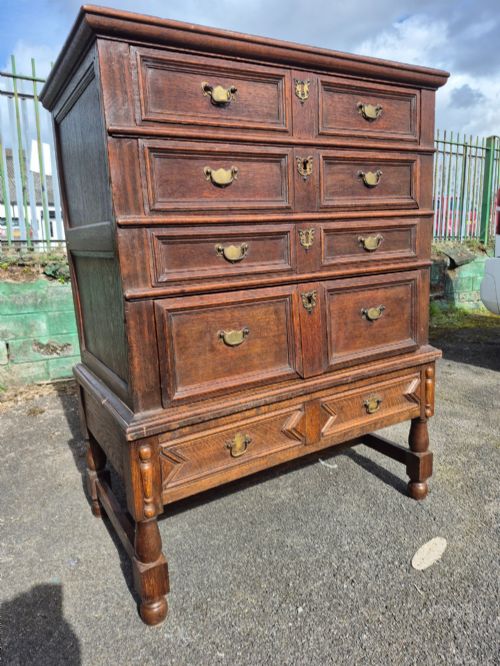
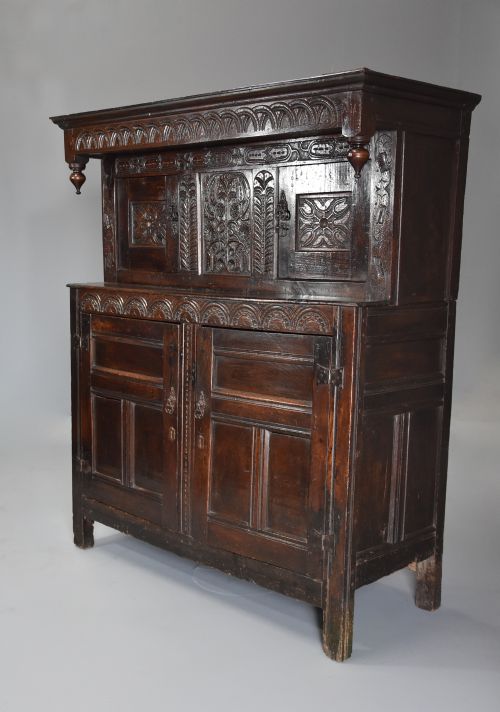
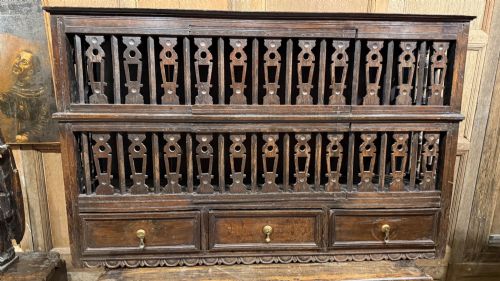
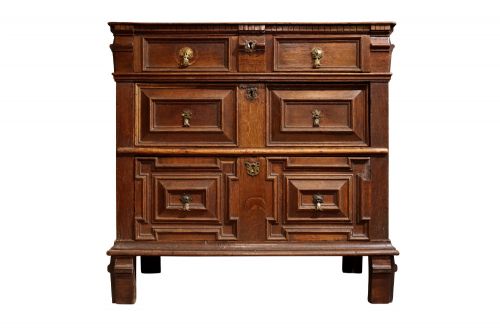
A 17th century oak cabinet takes many regional and functional forms, ranging from towering press cupboards and court cupboards to modest spice cabinets and chests. These pieces served domestic storage needs in English, Welsh, Dutch, French, and Spanish homes during periods of significant craftsmanship evolution.
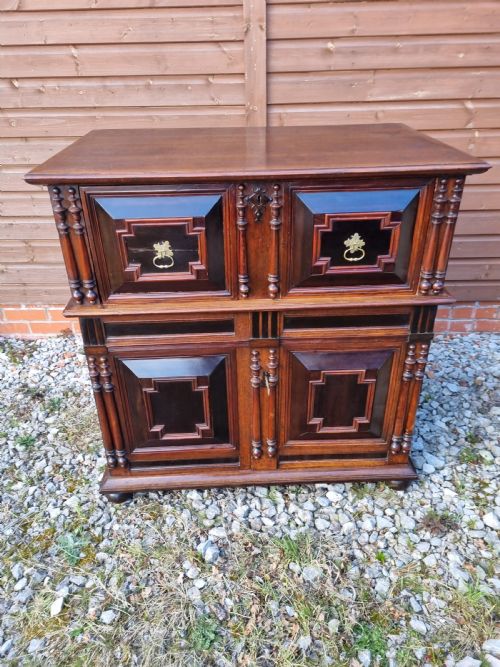
The most common forms you will encounter include joined cupboards, linen cupboards, and armoires alongside later revival interpretations from the Victorian era and the 1920s. These later pieces emulate the robust styles of the Jacobean and Charles II eras.
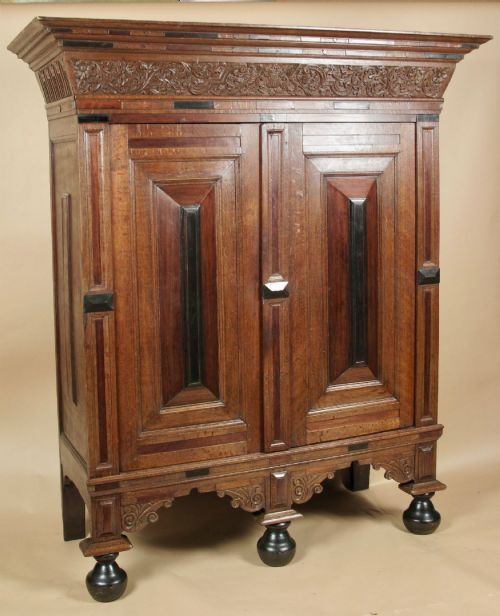
Regional variations appear distinctly, from the geometric decorations of Dutch Kussenkasts and Flemish Baroque side cabinets to the vernacular charm of West Country court cupboards. Each piece reflects the specific storage customs and timber availability of its geographic origin.

How they were made
Makers relied on solid oak as the primary structural timber, often enhanced with contrasting woods like ebony, rosewood, fruitwood, and snakewood for decorative highlights. Construction utilised traditional joined framing, mortise and tenon joints, and pegged panels that allowed the timber to expand and contract naturally over centuries.
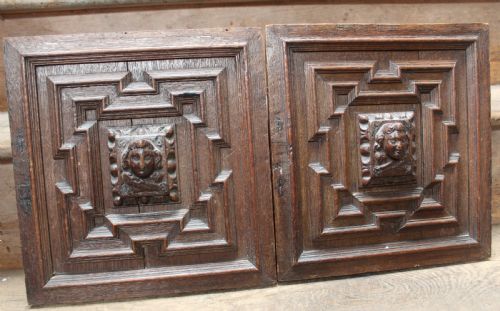
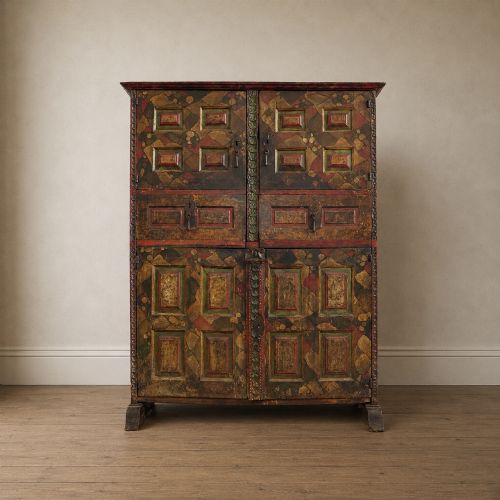
Surface decoration involved meticulous hand carving, geometric mouldings, and inlay work, sometimes complemented by polychrome paint or wrought iron and brass hardware. Certain examples feature raised panels and applied split turnings that create depth and texture across the facade.
17th Century Oak Cabinet Retail Price Guide 2026
Typical asking prices for 17th century oak cabinet among the pieces listed under this phrase on Sellingantiques today, from the lower quarter to the upper quarter. They describe what is for sale here now, not the wider market.
Seventeenth-century households stored food, spices, and linens inside these heavy oak cupboards to keep provisions safe from wandering castle pets.
What varies in quality
Quality separates pieces through the crispness of the original hand carving, the integrity of the joined framework, and the survival of untouched surfaces with authentic patination. Superior examples retain their original boards, hardware, and structural cohesion without excessive replacement timbers.
The sophistication of decorative elements, such as intricate geometric mouldings and contrasting timber inlays, distinguishes high-status commissions from simple vernacular items. The balance of proportions and the harmony of regional design characteristics further define the standing of each cabinet.
The 17th Century Oak Cabinet Glossary
- Court cupboard
- A heavy, two-tiered storage piece used for displaying plate and storing food or textiles. These structures typically feature an upper recessed cabinet supported by columns.
- Press cupboard
- A large enclosed storage furniture item designed for garments and household linens. They frequently incorporate upper and lower cupboard sections with panelled doors.
- Livery cupboard
- A small ventilated cabinet traditionally used for storing rations and candles overnight. These items often mount to walls or sit upon side tables.
- Jacobean
- An artistic style spanning the early to mid seventeenth century defined by robust proportions and strapwork carving. This aesthetic heavily influenced later revival furniture.
- Kussenkast
- A substantial Dutch cupboard style characterised by cushion-moulded drawer fronts and ebony or rosewood highlights. These pieces originated in the Netherlands during the seventeenth century.
17th Century Oak Cabinet: Frequently Asked Questions
What is a court cupboard?
A court cupboard is a traditional two-tiered storage furniture item from the seventeenth century featuring an upper section supported by pillars. Households used these pieces to display plate and store food or textiles.
They stood in the main rooms of substantial homes as symbols of status and utility. The design evolved through regional variations across England and Wales.
How do I identify a Jacobean piece?
Jacobean furniture displays sturdy oak construction, strapwork carving, and geometric mouldings. The proportions remain heavy and rectilinear.
Craftsmen often utilised pegged joinery and applied turnings to ornament the surface. Revival pieces from later centuries frequently copied these exact structural motifs.
Where were kussenkasts made?
Kussenkasts originated in the Netherlands and surrounding regions during the seventeenth century. These large cabinets gained distinction through their cushion-moulded doors and drawers.
Cabinetmakers embellished the primary oak structure with exotic veneers like ebony and rosewood. They served as monumental storage units for prosperous merchants.
How should I care for old oak?
Old oak requires stable indoor humidity and temperature to prevent timber splitting or warping. Direct sunlight and proximity to heat sources should be avoided.
Routine dusting with a soft, dry cloth preserves the historic patination. Wax can be applied sparingly to nourish the dry wood surfaces.