


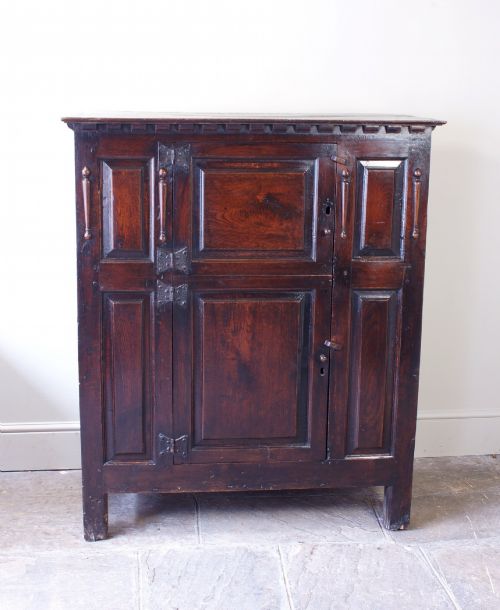


Seventeenth Century Oak Cupboard
A seventeenth century oak cupboard anchors a room with deep timber tone, historic joinery and enduring vernacular character.
What seventeenth century oak cupboards are
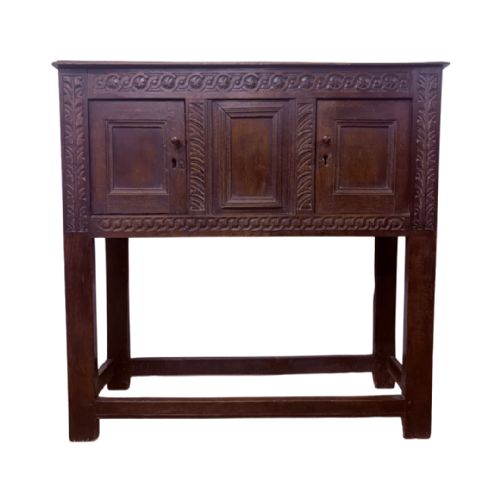
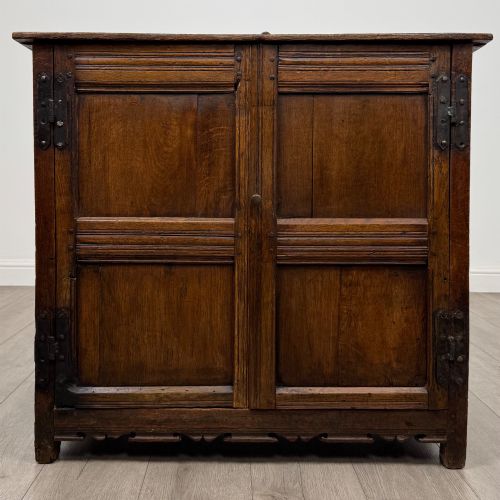
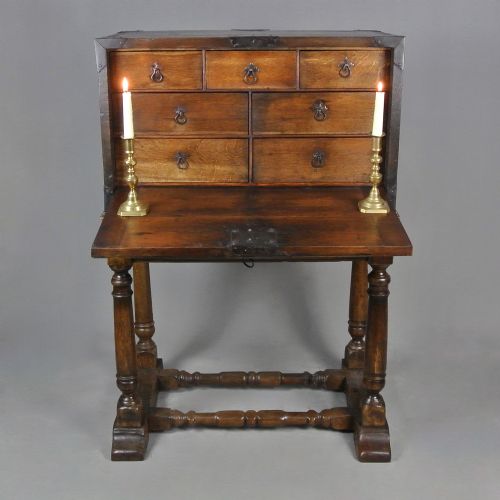
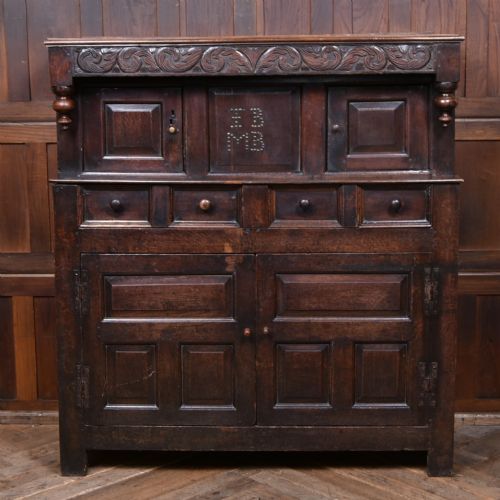
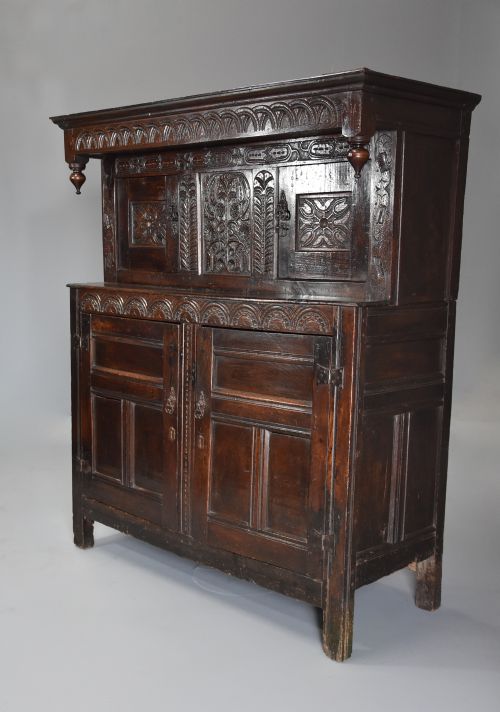
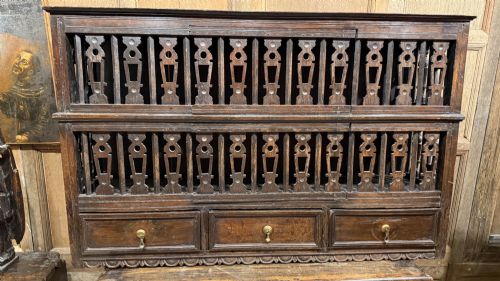
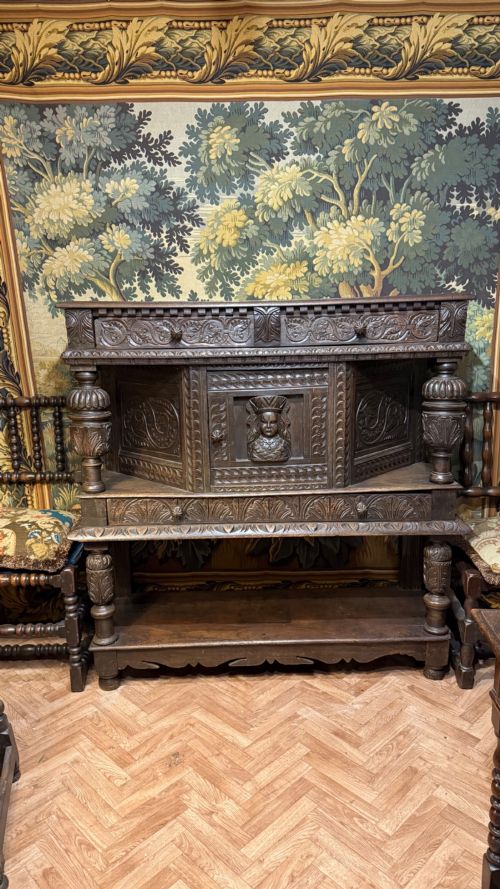
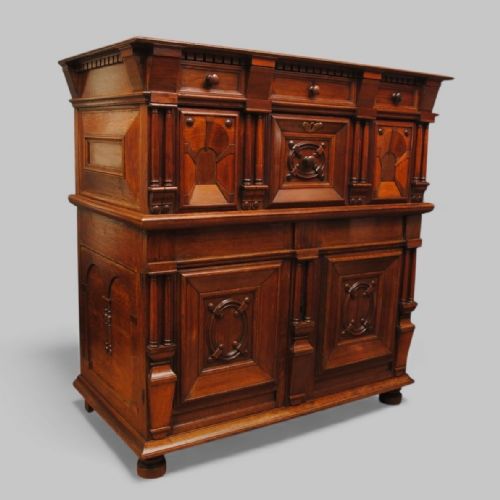
A seventeenth century oak cupboard is a substantial storage piece built during a period of robust domestic craftsmanship. The selection encompasses court cupboards and press cupboards alongside pieces raised on stands.
Most examples hail from the seventeenth century proper, reflecting Jacobean and Carolean aesthetics, though vernacular Welsh traditions and later nineteenth-century revivals also appear. These forms served to display plate or store linens securely within the home.
Buyers encounter regional variations ranging from carved English oak to fruitwood inlay and simpler vernacular builds. Each piece carries the distinct structural language of its specific era and maker.
How they were made
Construction relies primarily on sturdy English oak, shaped through traditional joined framing methods. Master carpenters utilised timber panels held together with pegged mortise and tenon joints.
Surface enrichment often includes surface carving and fruitwood inlay, complemented by functional iron and brass hardware. These materials weather over centuries to develop a rich, dark patina.
Retail Price Guide 2026
Typical UK retail prices for seventeenth century oak cupboard, calculated from the Sellingantiques database of over a million retail prices indexed since 2003. This retail price guide relies exclusively on Sellingantiques data; no external sources or auction records are used, so the figures do not describe the wider market.
Many an antique cupboard still smells faintly of beeswax and centuries of stored linen.
What varies in quality
Quality rests in the crispness of the original carving and the integrity of the joined timber construction. Superior examples retain their early hardware and display harmonious proportions across upper and lower tiers.
The sophistication of decorative details, such as fruitwood inlay or balanced panels, distinguishes high-status court cupboards from simpler vernacular work. Patina and surface survival further separate exceptional survivors from heavily restored items.
The Seventeenth Century Oak Cupboard Glossary
- Court cupboard
- A traditional standing cupboard featuring an upper recessed cabinet supported by pillars, used for displaying plate. These pieces form a central pillar of early vernacular furniture studies.
- Press cupboard
- A large storage furniture form with enclosed upper and lower compartments designed for textiles and linen. They provide deep storage capacity through panelled doors.
- Joined oak
- Furniture constructed using interlocking mortise and tenon joints secured with wooden pegs rather than simple nailed boards. This method defines the structural skeleton of seventeenth-century carpentry.
- Fruitwood inlay
- Decorative contrasting wood inserts set flush into the primary oak surface to create geometric patterns. This technique lifts the visual rhythm of dark timber facades.
Frequently Asked Questions
What is a court cupboard?
A court cupboard is an enclosed storage piece featuring a recessed upper section supported by pillars. They were traditionally used in the great hall to display ceremonial plate and store household provisions.
Over time, these pieces evolved into domestic status symbols found in prosperous seventeenth-century homes. Their architectural facades reflect the broader stylistic shifts of the period.
How do I care for old oak?
Old oak timber responds best to stable indoor humidity and minimal direct sunlight. Regular dusting with a dry cloth helps preserve the historic surface and patina without stripping natural oils.
Avoid modern liquid polishes that can build up a residue within the carved grain. Simple beeswax applied sparingly maintains the soft sheen developed over centuries.
Where were these cupboards made?
These cupboards originated in regional English workshops and Welsh vernacular woodworking centres. Local craftsmen utilised available native timber like English oak and fruitwood to build sturdy domestic furniture.
Regional differences appear in the carving styles and structural proportions of each piece. This local variation allows specialists to trace the geographic roots of unsigned vernacular items.
How are periods told apart?
Period distinction relies on analyzing jointing methods, tool marks and decorative vocabulary. Seventeenth-century examples display hand-split panels and pegged frames distinct from later revival work.
Stylistic cues such as Jacobean strapwork or Carolean moulding provide further chronological markers. Comparing the timber shrinkage and hardware types helps confirm the age of the piece.