



17th Century Livery Cupboard
A 17th century livery cupboard offers heavy timber construction and historic storage capacity that grounds a traditional room.
17th Century Livery Cupboard
A 17th century livery cupboard is a substantial storage piece built primarily to house food, provisions, or household items. Buyers search for these items to acquire authentic domestic history with distinct period character.
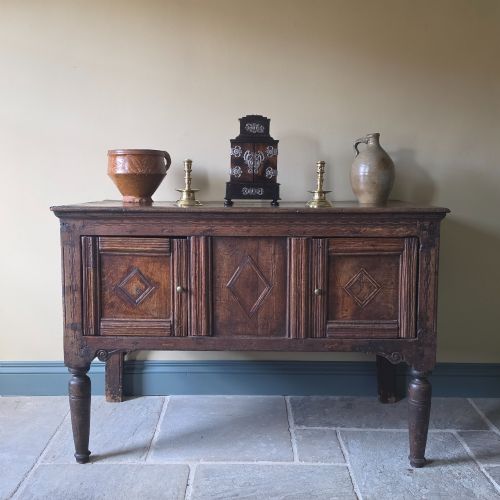
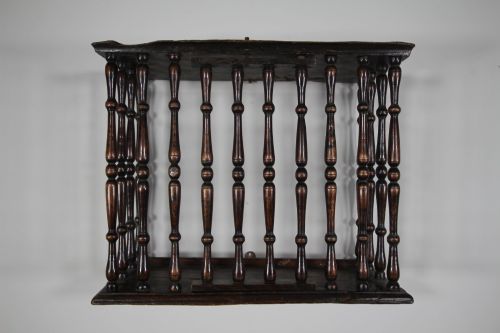
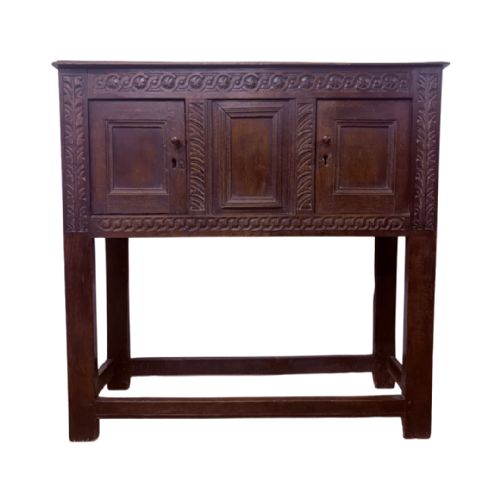
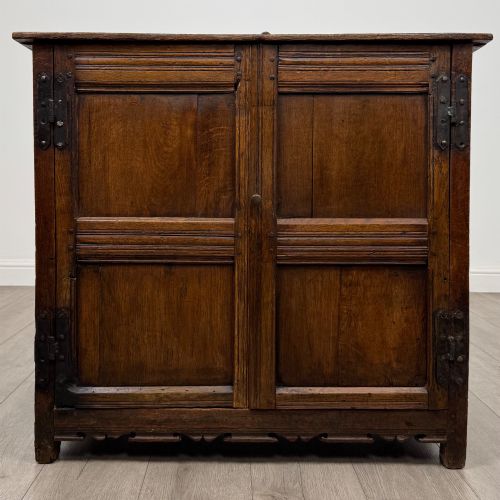
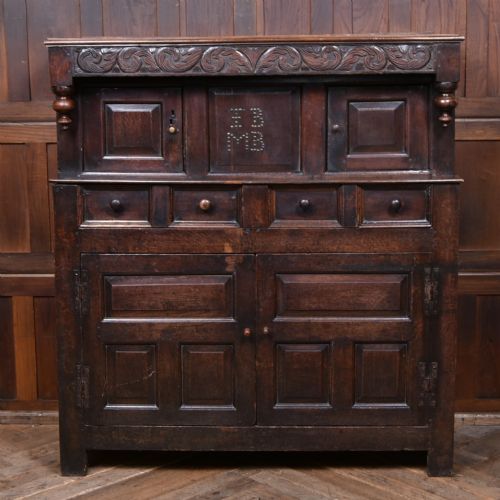
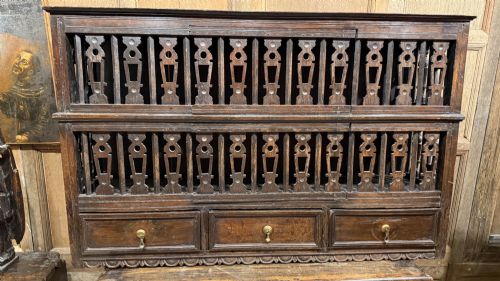
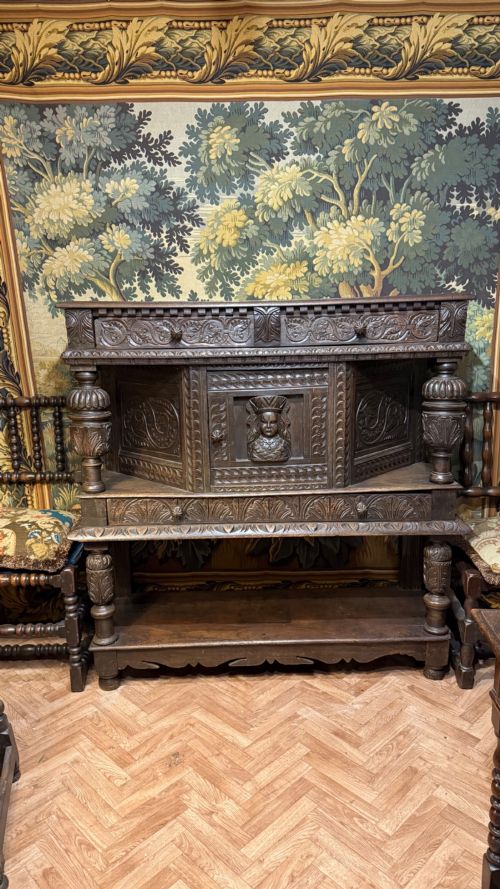
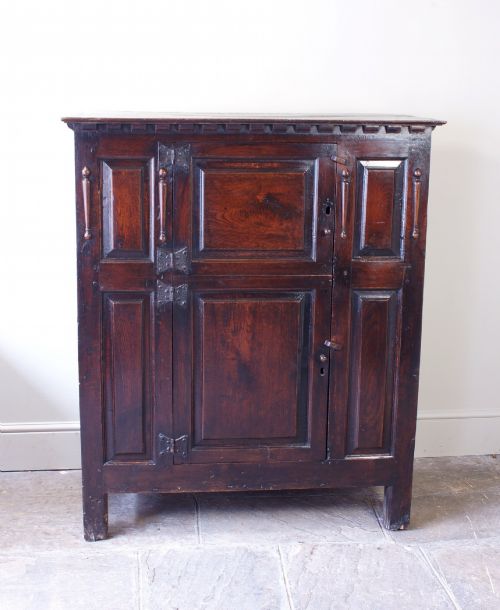
The pieces on this page appear in various forms, including court cupboards, standing livery cupboards, hanging wall cabinets, and cupboards on stands. Most examples emerge from English workshops, though Welsh and occasional continental variants appear.
The designs span vernacular cottage pieces to more formal Jacobean and Charles II styles. Dating stretches from the pre 16th century roots through the seventeenth century, with later nineteenth century revivals and twentieth century interpretations also represented.
Markers of distinction
Quality separates pieces through the crispness and depth of the carved woodwork and the integrity of the timber. Finer examples display meticulous joinery and integrated inlay work that remains stable within the joined frame.
The balance of proportions and the originality of components define the upper tier of the range. Surviving period surfaces and untouched historic patination elevate a piece far above heavily restored or later revival examples.
Look closely for carved cherubim hiding among the foliage on early seventeenth-century panels.
The 17th Century Livery Cupboard Glossary
- Livery cupboard
- A domestic storage piece historically used for provisions or small items. These cupboards often feature ventilated or panelled doors.
- Court cupboard
- A formal two-tier sideboard or storage cabinet originating in the sixteenth and seventeenth centuries. They frequently incorporate recessed upper sections supported by carved columns.
- Joined oak
- Furniture constructed using mortise and tenon joints secured by wooden pegs rather than modern fasteners. This technique provides the structural skeleton for heavy seventeenth-century cabinetry.
- Jacobean style
- The dominant design aesthetic during the reign of James I, characterised by sturdy proportions and geometric or strapwork carving. It forms a key stylistic baseline for seventeenth-century woodwork.
- Inlaid wood
- Decorative work where contrasting pieces of timber or fruitwood are inserted into recesses within the primary oak surface. This technique adds visual richness to the cabinet facade.
17th Century Livery Cupboard: Frequently Asked Questions
What is a 17th century livery cupboard?
A 17th century livery cupboard is a heavy wooden storage cabinet originally designed for holding food rations or household provisions in domestic settings. They serve today as statement storage furniture with deep historical provenance.
These pieces typically feature panelled doors, sturdy oak construction, and traditional joinery methods. They bridge the gap between utilitarian storage and decorative woodwork.
How were livery cupboards used originally?
These cupboards were utilised in great houses and cottages to store provisions, candles, and small valuables before general purpose wardrobes became common. Their ventilated doors allowed air circulation around perishable items.
Over time, their function shifted from strict provisions storage to display and general household containment. Today they operate effectively as focal storage points in dining rooms or hallways.
How do I tell a court cupboard from a livery cupboard?
A court cupboard generally incorporates a recessed upper cabinet set above a broader lower section, often supported by turned balusters or columns. A livery cupboard tends to be a more straightforward vertical cabinet or a standing cupboard form.
Both types share seventeenth-century oak construction and carved decorative elements. The distinction lies primarily in the tiered architectural silhouette of the court variant.
How do I live with antique oak furniture?
Living with heavy oak furniture requires stable indoor humidity away from direct heat sources to prevent timber splitting. Regular maintenance involves simple waxing to preserve the historic patina of the oak surface.
These robust pieces integrate well into traditional and modern interiors alike, serving as anchor points for a room. Their dark timber tones and carved details provide strong textural contrast against plain walls.