
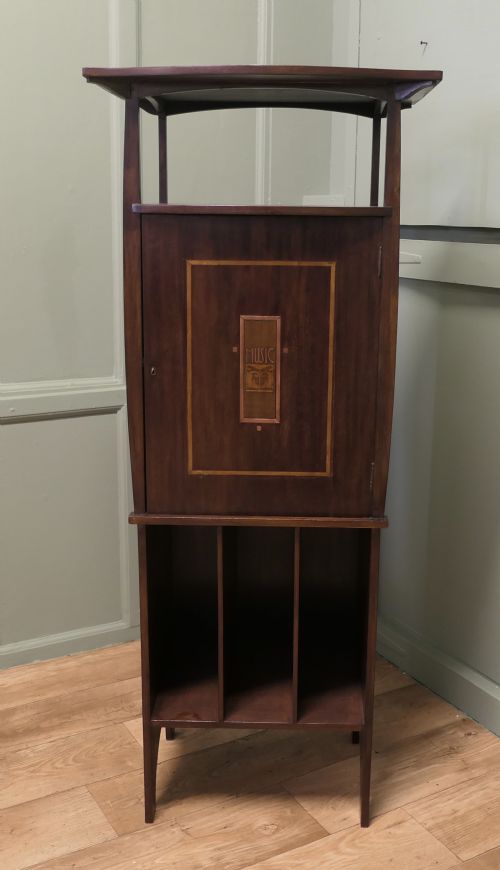
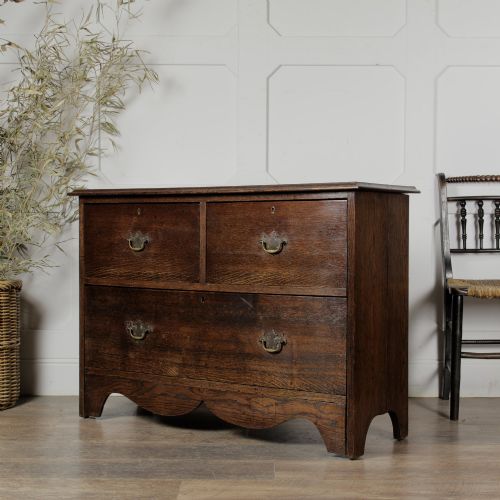
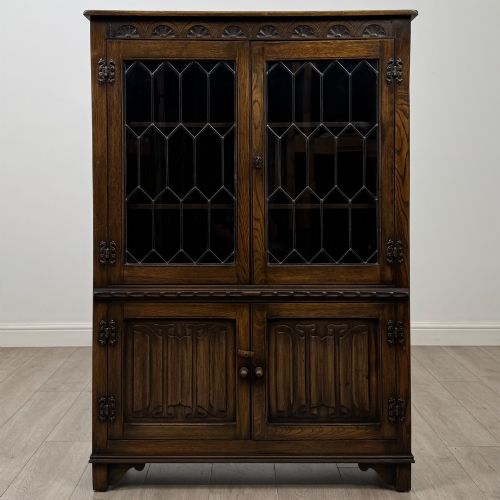
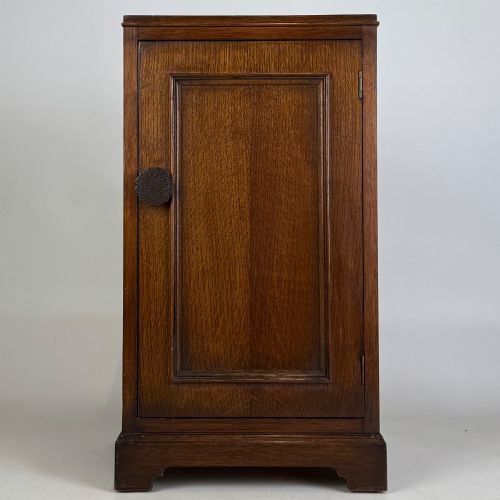
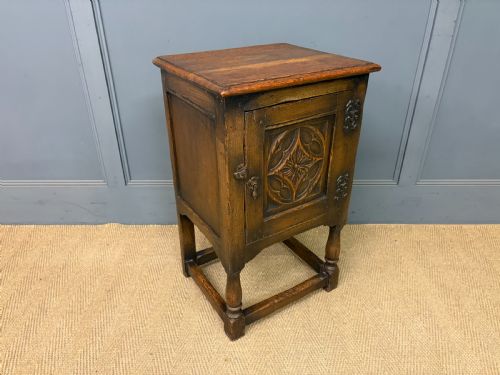
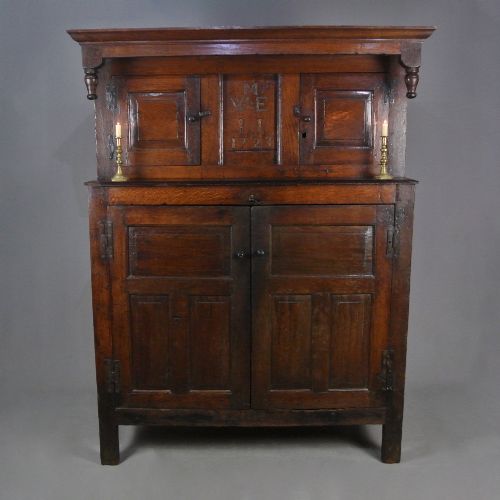
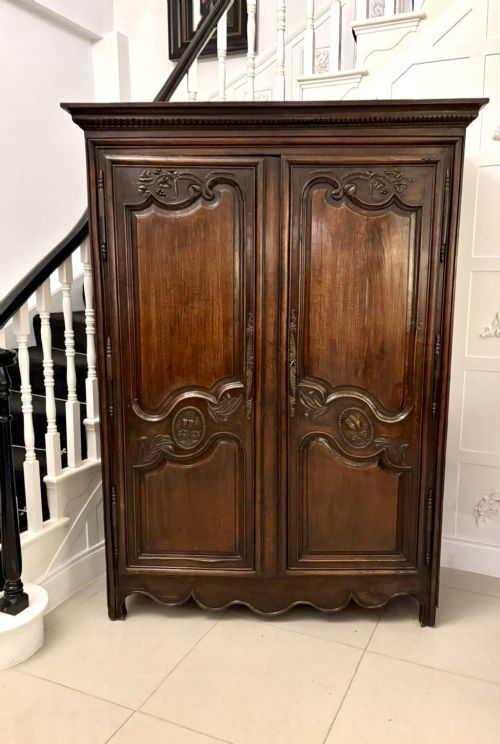
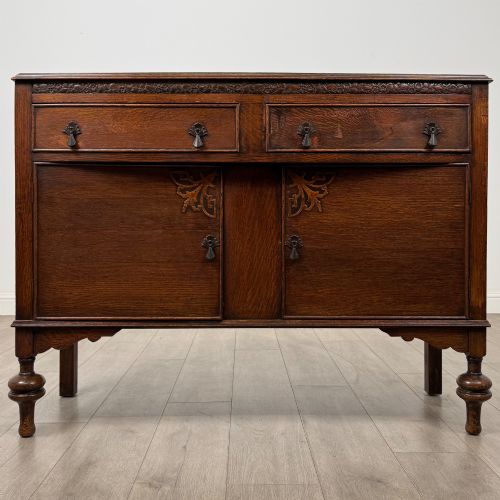
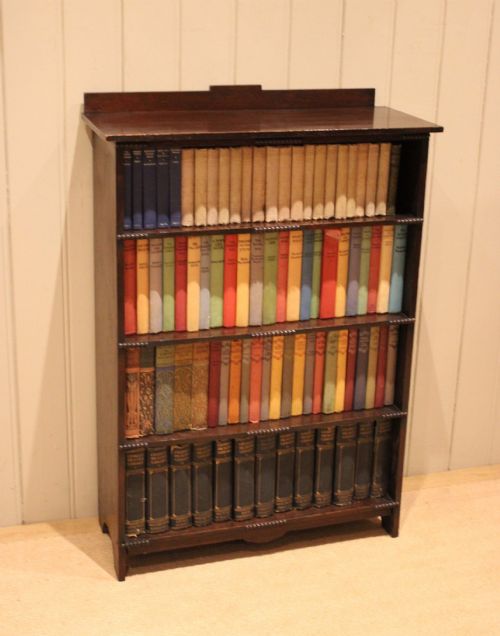
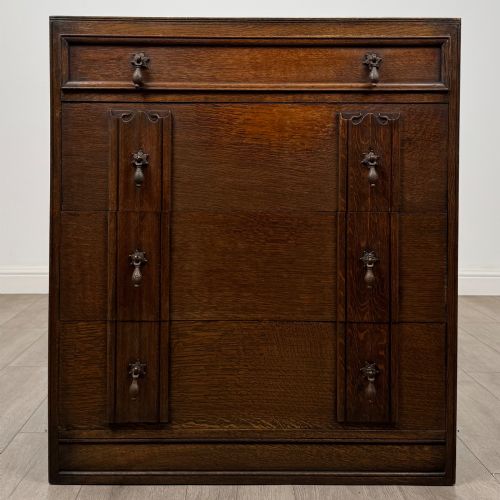
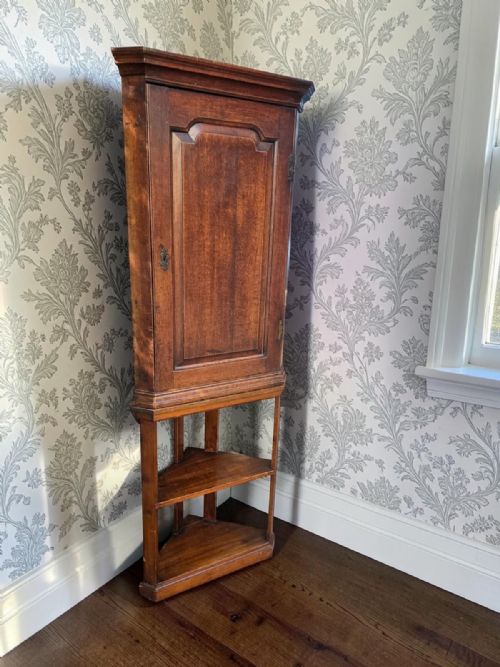
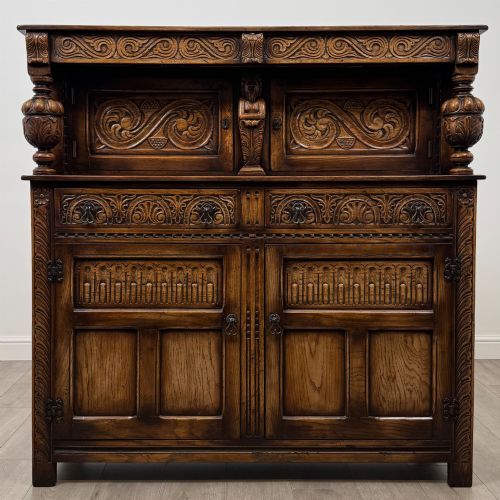
Dark Oak Storage Cabinet
A dark oak storage cabinet brings robust timber and deep patination to any room, offering serious utility wrapped in centuries of craftsmanship.
Identifying a dark oak storage cabinet
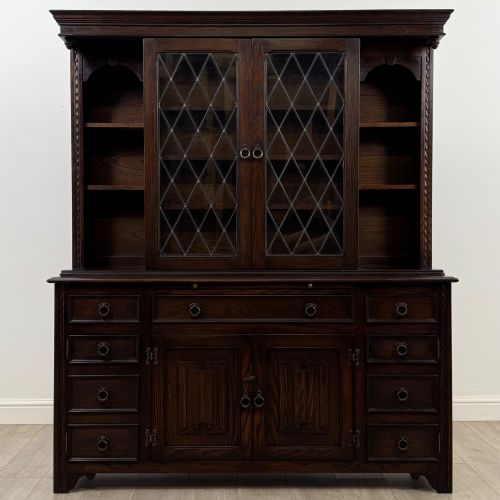
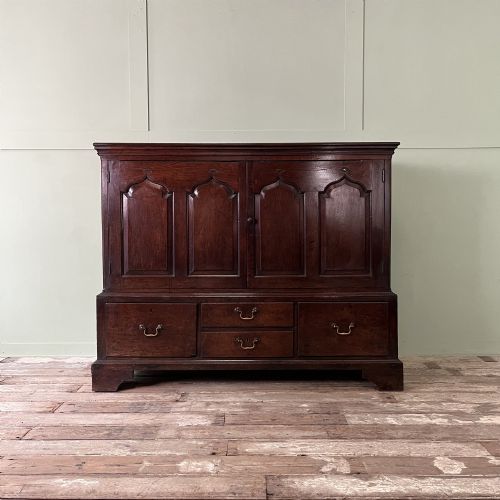
When searching for a dark oak storage cabinet, buyers encounter diverse forms ranging from seventeenth-century joined cupboards on stands to early twentieth-century office filing units. These pieces share a heavy timber construction and a capacious interior designed for holding household goods or documents.
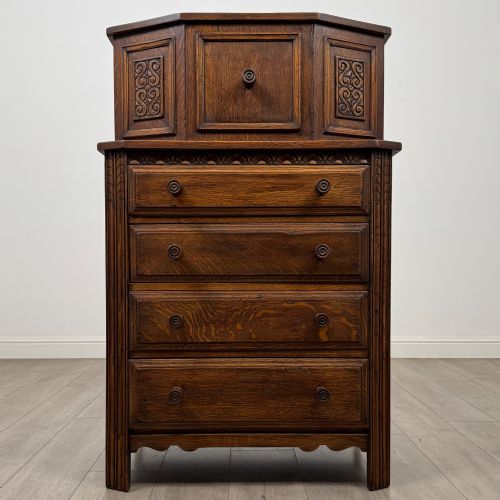
The versions most commonly met span multiple eras including the seventeenth century, the Edwardian period, and the early twentieth century. Styles encompass Gothic Revival, Jacobean, and Jacobean Revival, reflecting centuries of stylistic adaptation while maintaining a steadfast commitment to dark oak.
Materials and construction
Construction relies primarily on sturdy English oak, selected for its strength and distinctive grain pattern. Joinery techniques vary from early joined framework to later tambour mechanisms and panelled doors.
Hardware elements incorporate functional iron and brass fittings such as hinges, handles, and locks. Surfaces receive dark finishes that accentuate the natural grain while providing protection to the timber.
Retail Price Guide 2026
Typical UK retail prices for dark oak storage cabinet, calculated from the Sellingantiques database of over a million retail prices indexed since 2003. This retail price guide relies exclusively on Sellingantiques data; no external sources or auction records are used, so the figures do not describe the wider market.
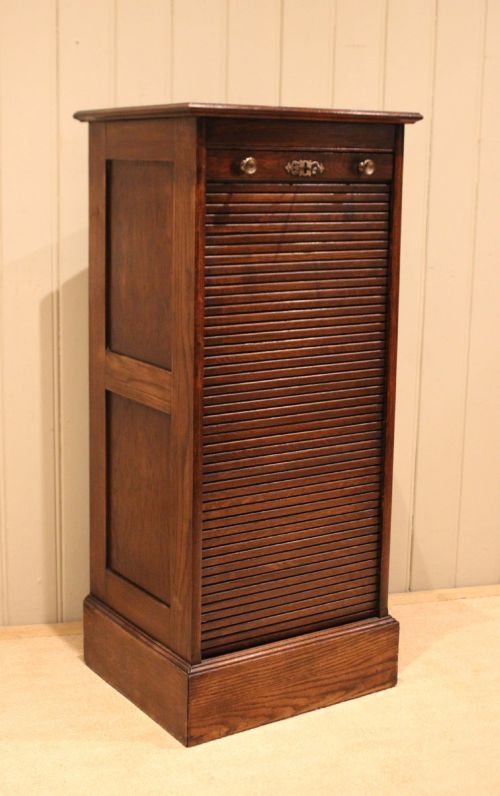
Office cabinets from nineteen-ten hide documents behind rolling wooden slats.
Judging quality in dark oak furniture
Quality reveals itself in the depth of the timber patination and the integrity of the original construction. Early joined examples display hand-cut joints and dense English oak that outlasts later, more utilitarian interpretations.
The sophistication of the carved detailing and the smooth operation of specialised mechanisms, such as tambour fronts, separate standard storage units from finer architectural pieces.
The Dark Oak Storage Cabinet Glossary
- Joined oak
- Furniture constructed using mortise and tenon joints secured with wooden pegs rather than metal nails. This traditional method provides exceptional structural stability.
- Tambour front
- A flexible door made from narrow strips of wood glued to canvas or leather backing, allowing it to slide smoothly around a curved track on office and storage cabinets.
- Gothic Revival
- A nineteenth-century style that revived medieval architectural motifs, characterised by pointed arches, heavy linenfold carving, and dramatic proportions.
- Jacobean
- The decorative style spanning the early seventeenth century, noted for geometric mouldings, heavy turned supports, and dark, richly waxed timber surfaces.
Frequently Asked Questions
How do I date a dark oak cabinet?
Dating relies on examining construction methods, tool marks, and hardware. Earlier pieces utilise hand-riven timber and joined peg construction, whereas twentieth-century examples show mechanical sawing and modern fixings.
Stylistic cues also guide identification. Pieces featuring Gothic Revival or Jacobean characteristics align with specific historical revival movements or seventeenth-century origins.
Are these cabinets suitable for modern homes?
These cabinets provide generous concealed storage that suits contemporary living spaces. Their dark timber anchors a room and contrasts well with lighter modern interiors.
Placing them in hallways, dining rooms, or home offices offers practical utility. The robust construction handles daily use with ease.
What is a tambour front cabinet?
A tambour front consists of narrow wooden slats attached to a flexible backing fabric. This design allows the door to slide open around a corner without swinging outward into the room.
Common in early twentieth-century office furniture, this mechanism saves space while concealing interior shelving or filing compartments.
How should I maintain dark oak?
Maintain dark oak by applying a quality beeswax periodically to nourish the wood and preserve the surface sheen. Avoid placing timber near direct heat sources or strong sunlight.
Dust regularly with a soft, dry cloth. This prevents grime buildup and protects the historic patination accumulated over the centuries.