

Gothic Revival Cupboard
These heavy timber pieces bring medieval verticality and ecclesiastical joinery into domestic rooms.
Gothic Revival Cupboard
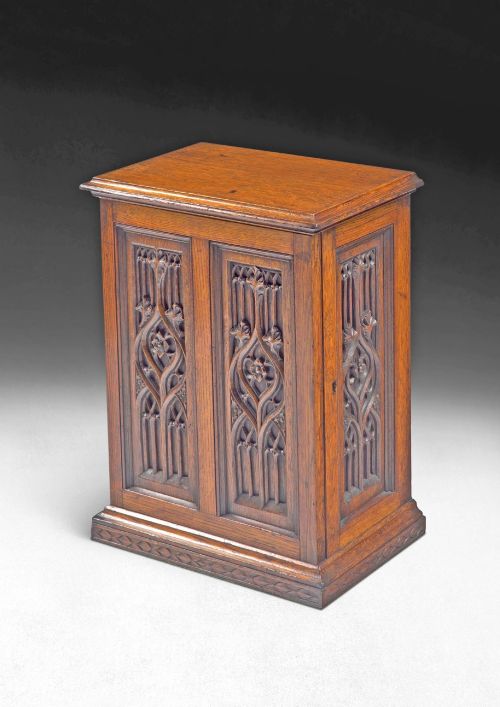
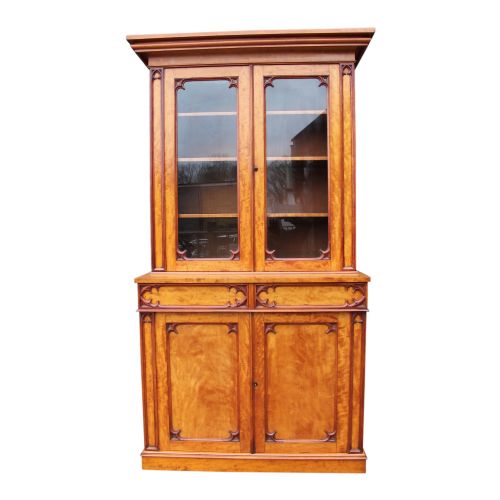
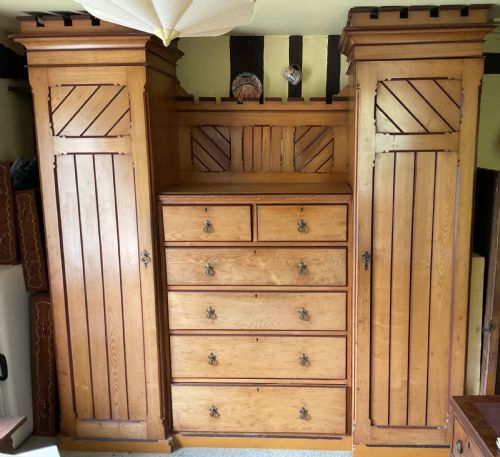
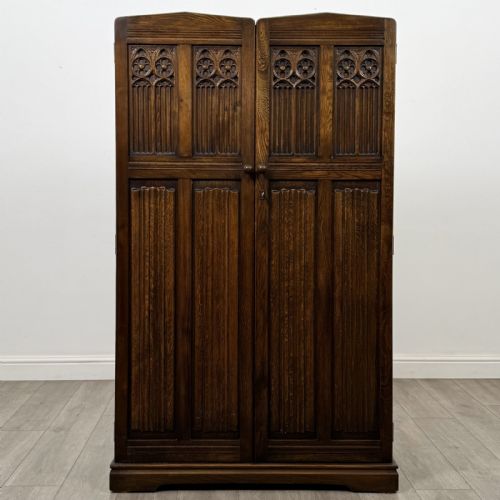
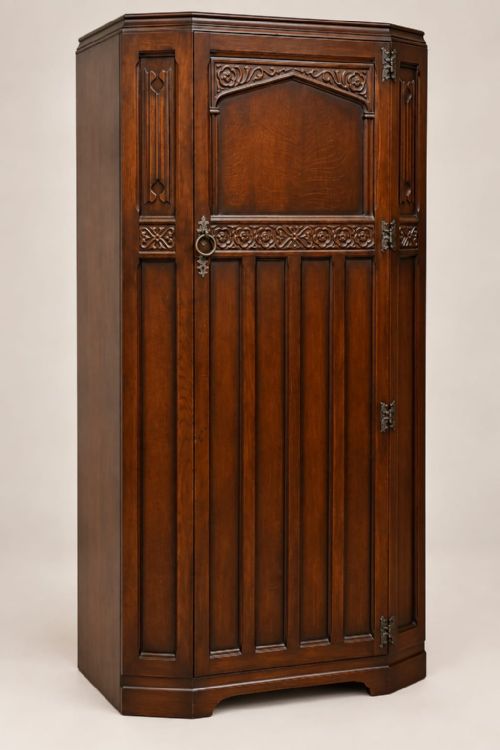
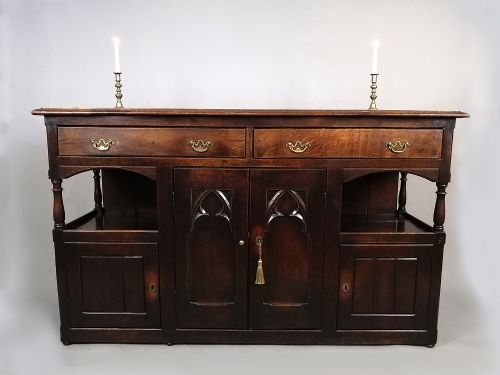
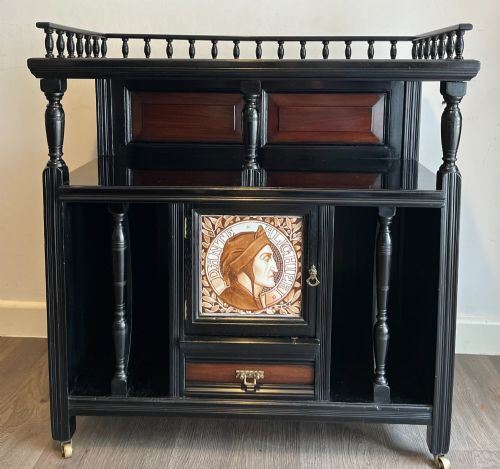
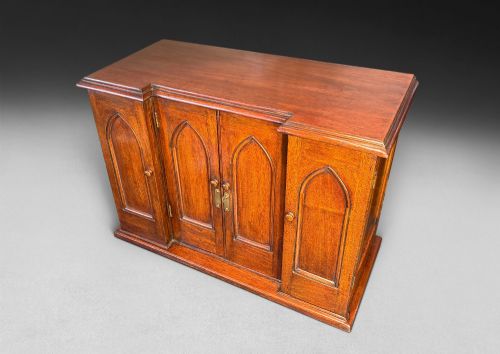
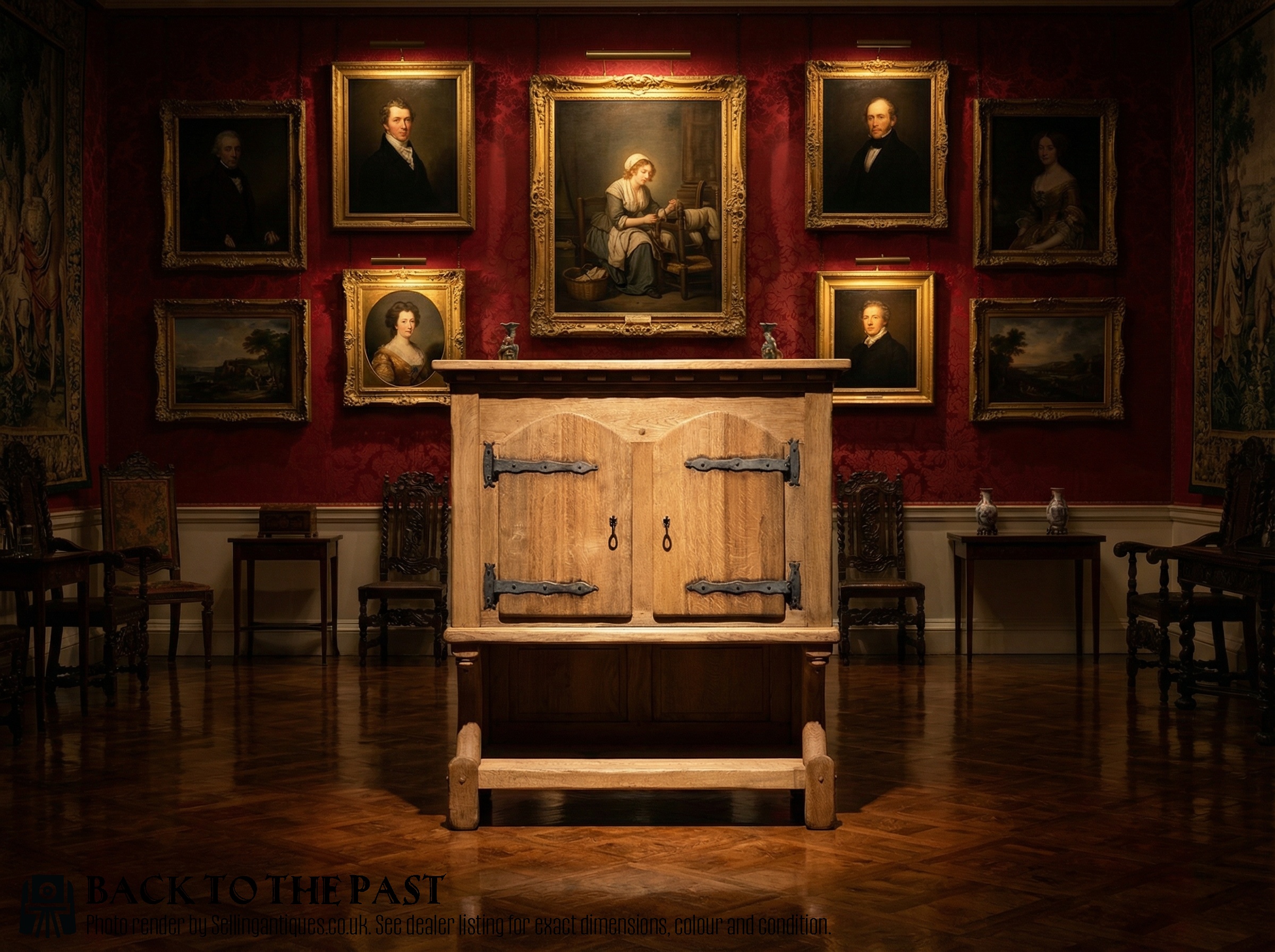
When you search for a gothic revival cupboard, you encounter storage furniture built across the nineteenth and early twentieth centuries that borrows architectural motifs from medieval churches and abbeys. These pieces range from small table-top collectors' cabinets and bedside chests to large hall cupboards, wardrobes, and dresser bases.
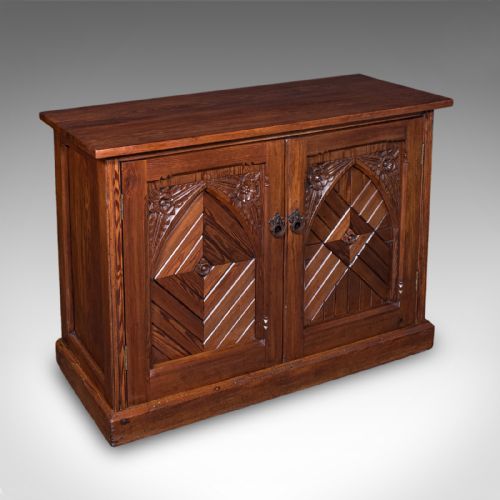
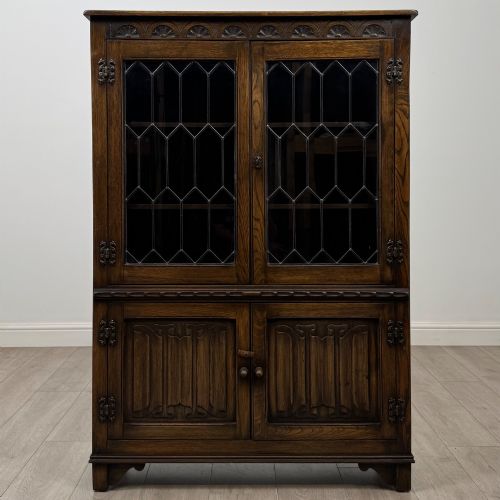
The version you are most likely to meet on this page is constructed from solid oak with carved panel doors, often displaying linenfold patterns, tracery, or pointed arch details. These items span Victorian, Edwardian, and Arts and Crafts periods, reflecting a sustained Victorian enthusiasm for mediaeval design principles adapted for domestic storage.
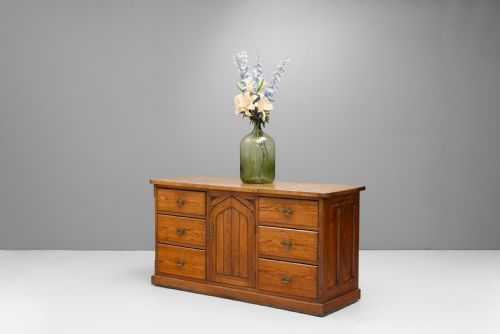
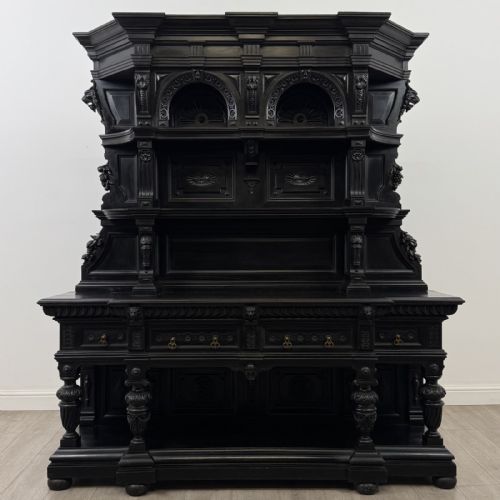
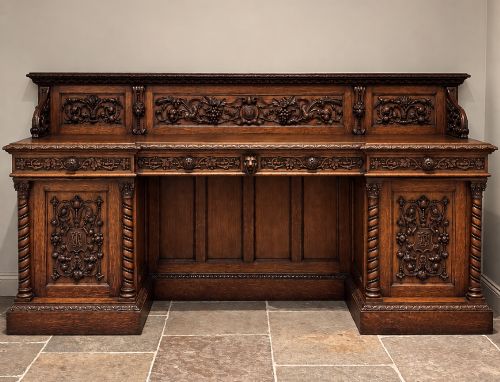
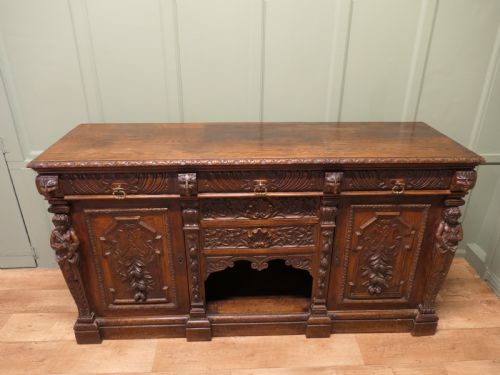
Makers and workshops varied from vernacular provincial joiners to notable retailers such as Liberty and Heal's, producing everything from modest pine pot cupboards to monumental carved sideboards. The form prioritises robust construction and dark timber finishes designed to anchor a room with architectural gravity.
How they were made
Carpenters relied predominantly on solid oak, supplemented by mahogany, rosewood, satinwood, and pine, joined using traditional mortise and tenon techniques to withstand heavy daily use. Panels were frequently carved by hand with deep linenfold motifs, Green Man masks, or geometric tracery.
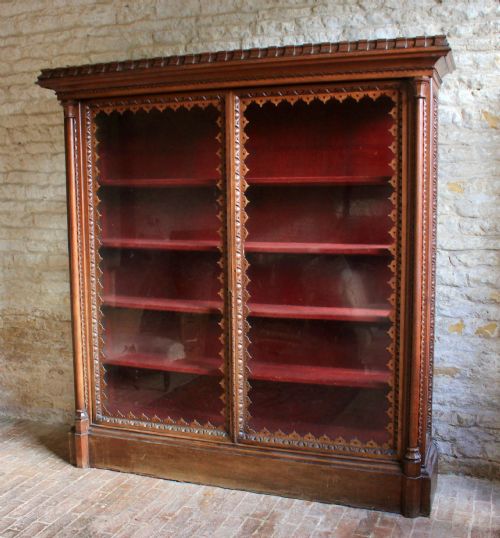
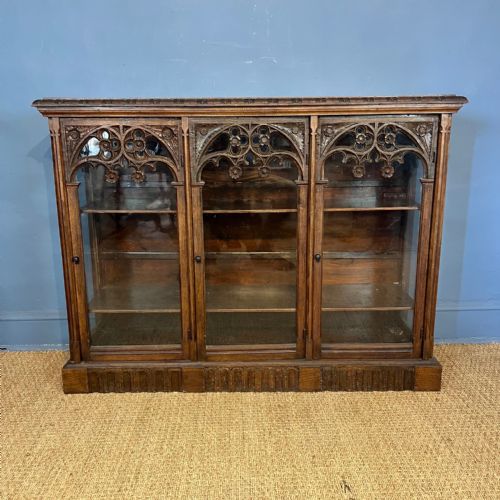
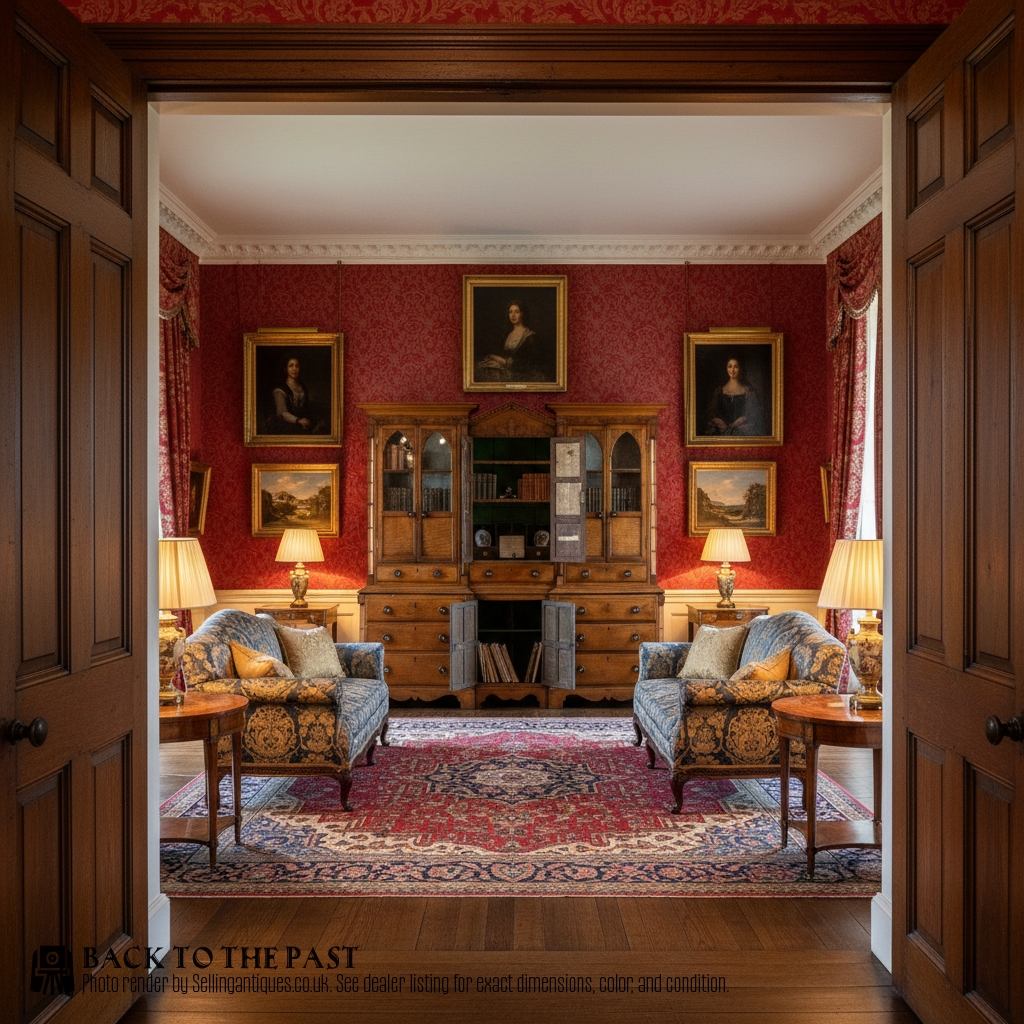
Hardware played a structural and decorative role, with wrought iron hinges, brass escutcheons, and leaded glass panes securing the fenestration on display cabinets and bookcases.
Surfaces were traditionally waxed, polished, or finished to highlight the natural grain of golden, pollard, or dark oak, whilst later pieces adopted the simpler, honest timber treatments favoured by the Arts and Crafts movement.
Gothic Revival Cupboard Retail Price Guide 2026
Typical asking prices for gothic revival cupboard among the pieces listed under this phrase on Sellingantiques today, from the lower quarter to the upper quarter. They describe what is for sale here now, not the wider market.
Some cupboards hide carved wooden faces peering out from the foliage, keeping watch over your spare linens.
What varies in quality
The distinction between standard utility furniture and superior examples lies in the depth and crispness of the hand-carving and the selection of figured timber. Superior items utilise quartersawn oak with prominent medullary rays, whilst lesser pieces rely on plain flat-sawn boards.
Construction standards separate mass-produced factory items from bespoke workshop commissions, evident in the thickness of internal linings, the weight of brass or iron hardware, and the precision of the joinery in arched panel doors.
Liberty·Arthur Simpson of Kendal
The Gothic Revival Cupboard Glossary
- Linenfold
- A style of wood carving representing folded cloth or parchment, frequently seen on Tudor and Gothic revival panels. This technique creates textural relief on vertical cupboard doors.
- Tracery
- Openwork ornamentation in stone or wood, imitated in cabinet doors to mimic gothic church windows. It often incorporates pointed arches and geometric shapes.
- Green Man
- A sculptural motif of a human face emerging from or entwined with foliage, symbolising rebirth. It appears on carved oak friezes and cupboard doors.
- Quartersawn
- Timber cut radially from the log, producing a stable board with distinct figuring known as medullary rays. High-quality revival furniture often uses this cut for visible panels.
Gothic Revival Cupboard: Frequently Asked Questions
How do I date a gothic revival cupboard?
Dating relies on examining the timber, construction methods, and hardware styles. Mid-nineteenth-century examples often feature heavier, deeply carved architectural elements, whilst Edwardian and later pieces may incorporate simpler linenfold panels or lighter framing.
Secondary woods, backboards, and interior fittings also provide clues. Machine-sawn timber indicates a later nineteenth or twentieth-century date, whereas hand-pit-sawn marks suggest earlier craftsmanship.
Are these cupboards suitable for modern clothing storage?
Many of these pieces, particularly wardrobes and linen cupboards, adapt well to contemporary bedrooms, offering generous hanging space or deep shelving. Internal dimensions vary significantly, so verifying depth is essential for modern hangers.
Smaller variants function effectively as bedside cabinets or hallway storage units for shoes and contemporary clutter. Their robust timber construction ensures they handle everyday domestic demands easily.
What is the difference between a chiffonier and a sideboard?
A chiffonier is typically a compact sideboard featuring an enclosed cupboard base, sometimes with a raised shelf or mirrored superstructure at the back. They originated in the Regency and early Victorian periods for smaller dining spaces.
Sideboards are generally larger, longer pieces designed for dining rooms to serve food and store tableware, often incorporating multiple drawers and cupboards beneath a broad top surface.