

French Country Buffet
A French country buffet brings grounded provincial utility and warmth to a room, offering generous storage through honest regional craftsmanship.
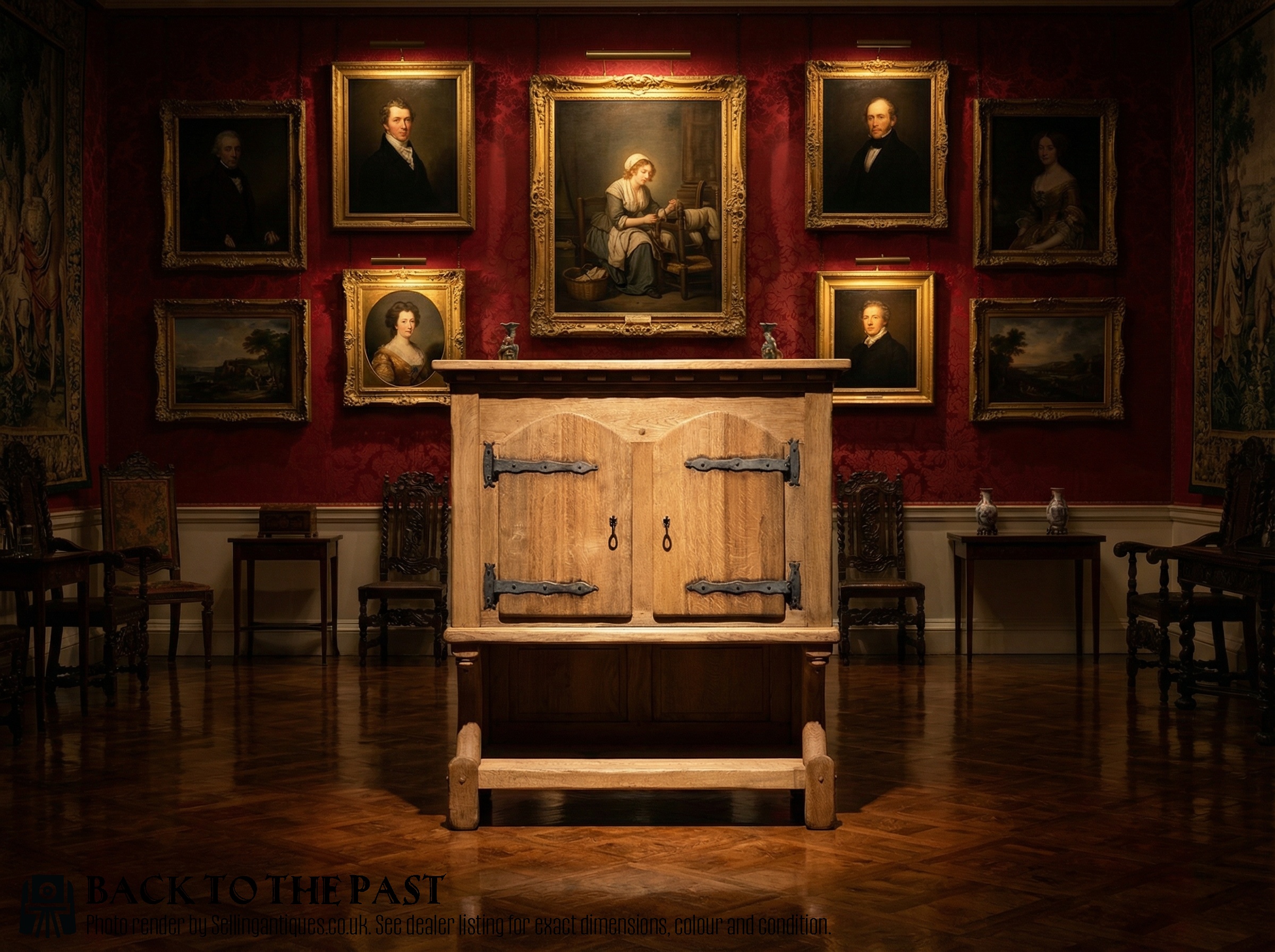
French Country Buffet
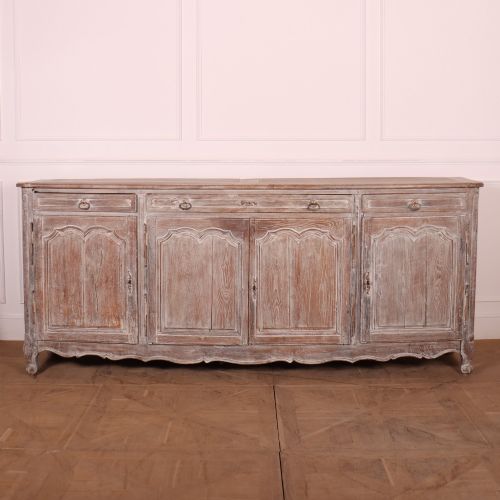
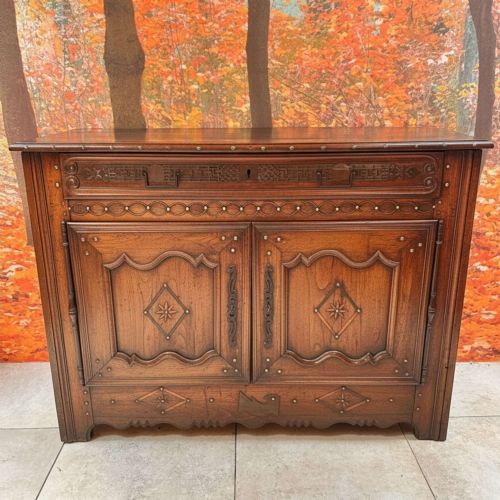
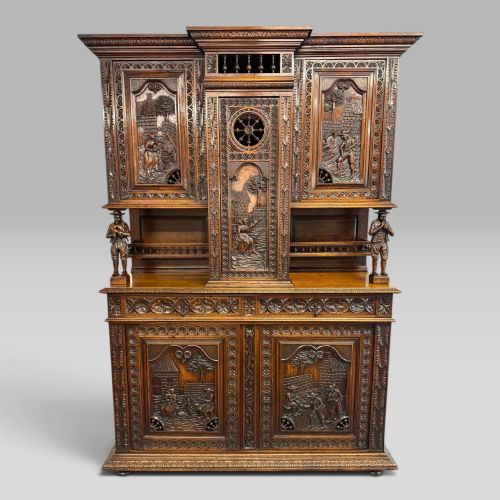
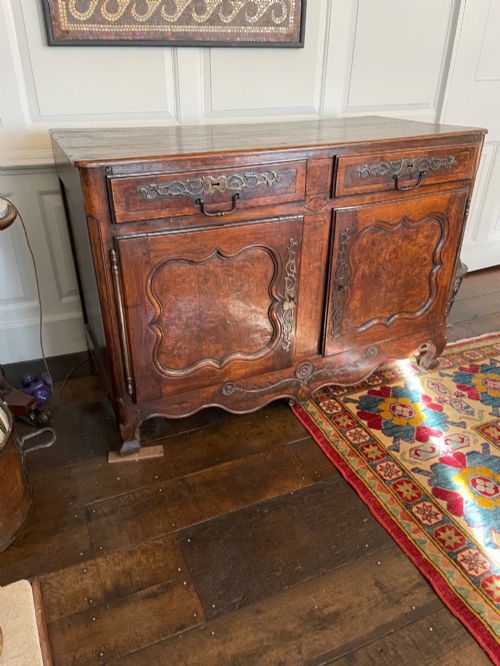
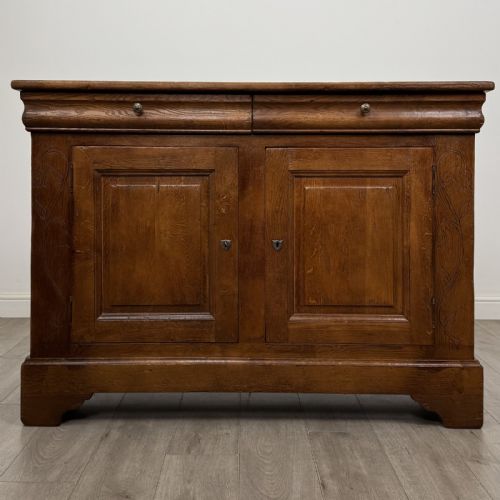
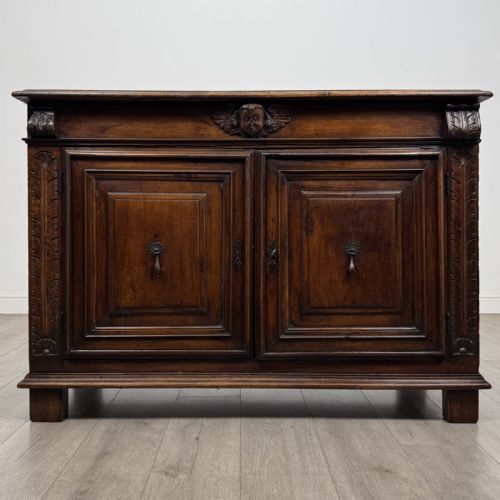
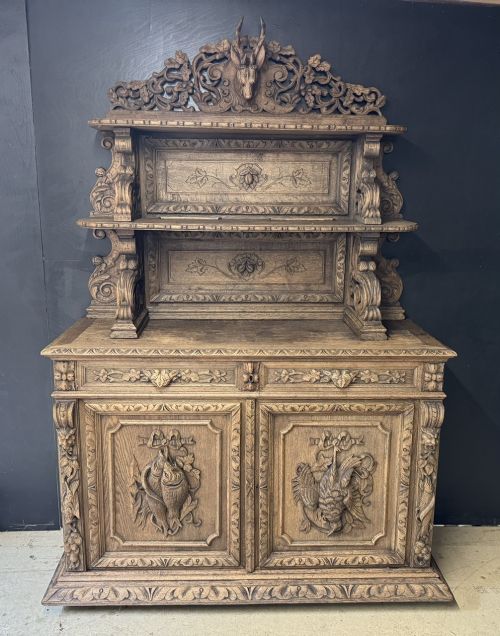
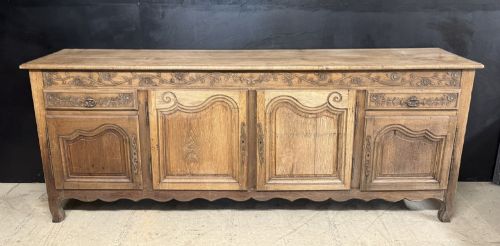
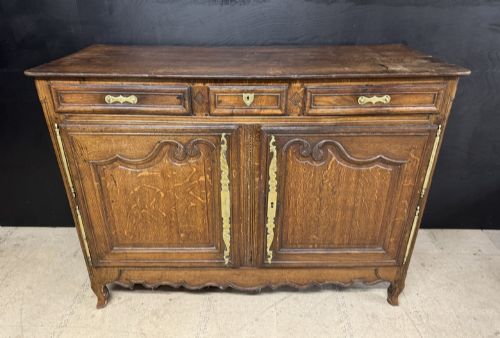
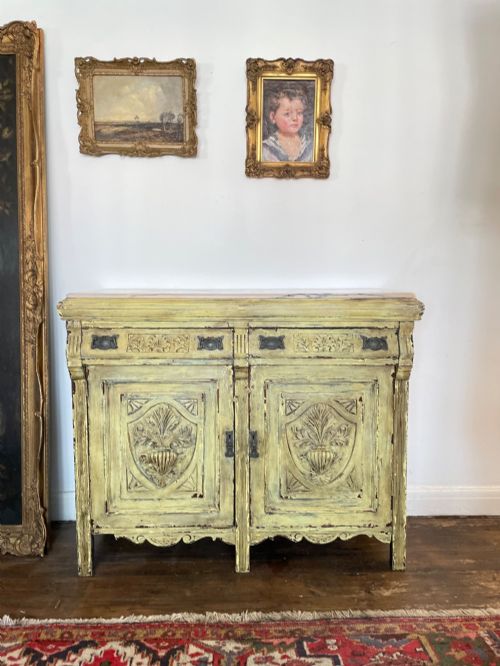
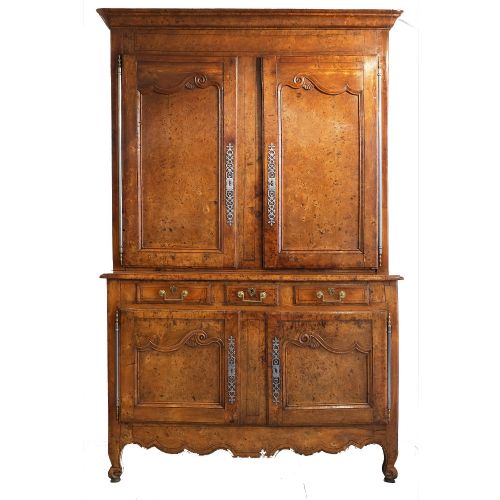
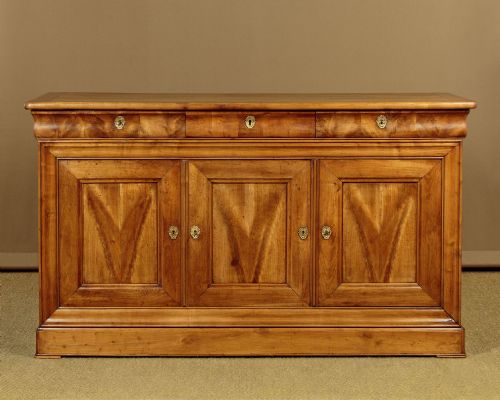
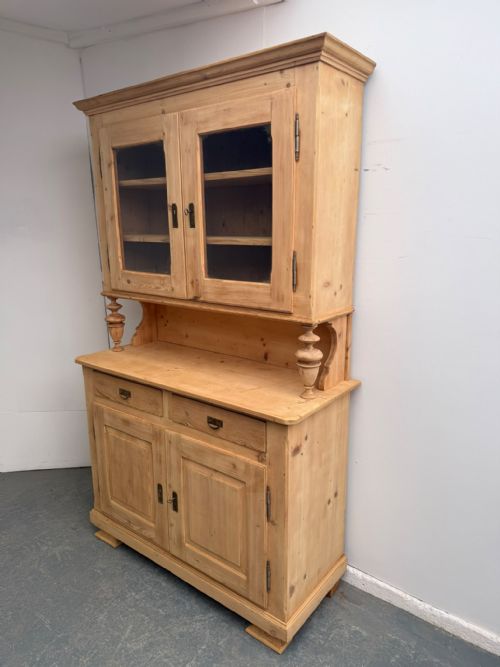
A French country buffet encompasses regional storage furniture built for provincial kitchens, dining spaces, and hallways, spanning periods from the eighteenth century through the early twentieth century. These pieces appear in numerous regional forms including low cupboards, tall enfilades, and two-body cabinets designed to hold household provisions.
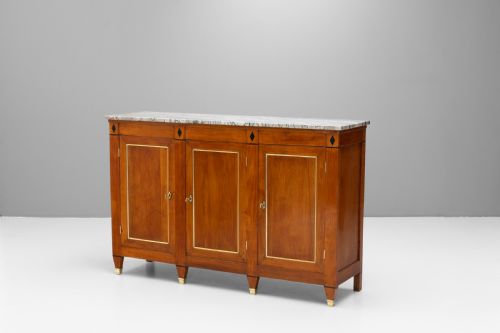
The material vocabulary of these items leans heavily on regional timbers such as oak, cherrywood, fruitwood, ash, and elm, often paired with marble tops in later iterations. Buyers frequently encounter nineteenth-century oak and cherry examples alongside eighteenth-century provincial pieces showing deep patina from daily rural use.
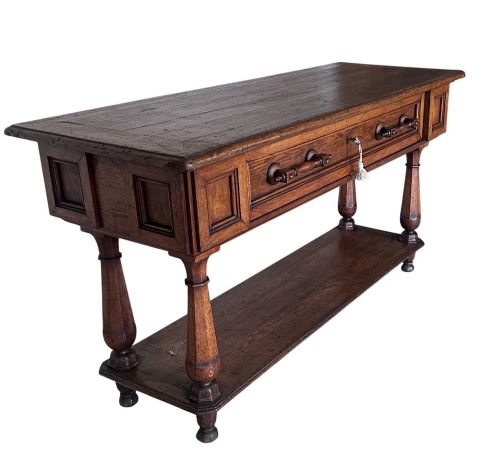
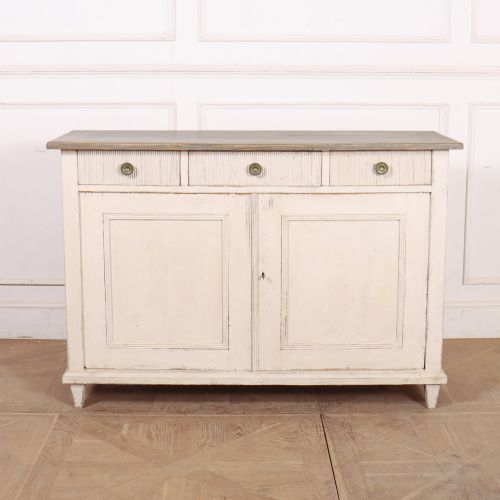
Object types listed under this search range from low buffet bases and serving tables to grand sacristy cabinets and housekeeping cupboards. The regional aesthetic prioritises practical storage capacity, sturdy timber construction, and straightforward panelled doors over metropolitan refinement.
Materials and construction methods
Local joiners constructed these cupboards using solid timbers like oak, cherrywood, walnut, and elm, often selected for availability within specific French regions. Panels were typically hand-planed and fitted into mortise and tenon frames designed to accommodate seasonal wood movement in unheated rural homes.
Hardware such as iron hinges, steel straps, and brass escutcheons were hand-forged or cast to secure heavy doors and drawers. Surface finishes relied on traditional wax, natural oils, or early paint layers that accumulated character through generations of domestic service.
French Country Buffet Retail Price Guide 2026
Typical asking prices for french country buffet among the pieces listed under this phrase on Sellingantiques today, from the lower quarter to the upper quarter. They describe what is for sale here now, not the wider market.
Listings feature eighteenth and nineteenth-century forms including oak enfilades, cherrywood dressers, and marble-topped sideboards.
Distinguishing quality in provincial furniture
Quality rests upon the integrity of the timber selection and the restraint of the carving, where crisply executed provincial motifs elevate a piece above utilitarian storage. Superior examples exhibit balanced proportions, well-figured grain in woods like cherry or burr elm, and original structural timbers throughout the backboards and internal shelving.
The integration of regional hardware and the survival of an honest, undisturbed surface finish dictate the standing of a buffet. Pieces retaining their original marble tops, working iron locks, and untouched patination demonstrate superior craftsmanship and historical preservation.
The French Country Buffet Glossary
- Enfilade
- A long low buffet featuring multiple doors in a linear sequence, traditionally utilised in French dining rooms for serving food and storing tableware.
- Deux corps
- A tall two-part cupboard comprising a smaller upper cabinet set upon a deeper lower buffet base, providing extensive storage for household provisions.
- Fruitwood
- A dense, light timber harvested from orchard trees such as cherry or pear, prized by provincial cabinetmakers for its smooth grain and warm tone.
- Directoire
- A transitional neoclassical style spanning the late eighteenth century characterised by geometric austerity, restrained carving, and straight tapered legs.
- Louis Philippe
- A mid-nineteenth-century French style favouring functional comfort, simple curved profiles, and minimal ornamentation over elaborate baroque decoration.
French Country Buffet: Frequently Asked Questions
What is a french country buffet used for?
These pieces serve primarily as substantial storage units for dining rooms, kitchens, or living spaces, providing deep cupboards and wide top surfaces.
Historically designed to hold linens, tableware, and food provisions, they function today as sideboards, media consoles, or display surfaces.
How do I date a french country buffet?
Dating relies on observing construction methods, timber choices, and stylistic cues such as hardware types and panel profiles.
Eighteenth-century examples often display hand-hewn joinery and regional woods like ash or elm, while later nineteenth-century pieces may incorporate machine-sawn elements or marble tops.
Are these buffets made of solid wood?
Provincial furniture from these periods is constructed from solid regional timbers including oak, cherrywood, walnut, and pine.
Joiners relied on solid planks for doors, frames, and internal structures to withstand the demands of daily rural domestic life.
How do I care for a vintage wooden buffet?
Maintenance involves feeding the timber periodically with traditional beeswax to nourish the dry wood and preserve the surface finish.
Keeping the furniture away from direct heat sources and sudden humidity changes prevents the solid timber from splitting or warping.