

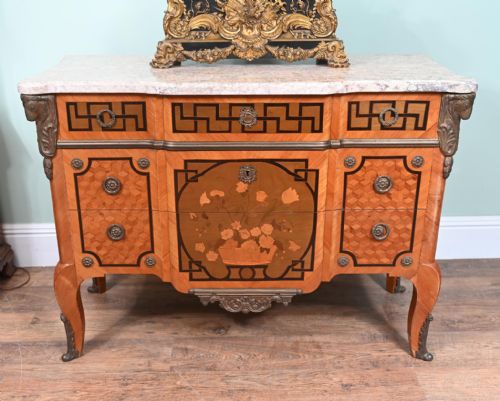
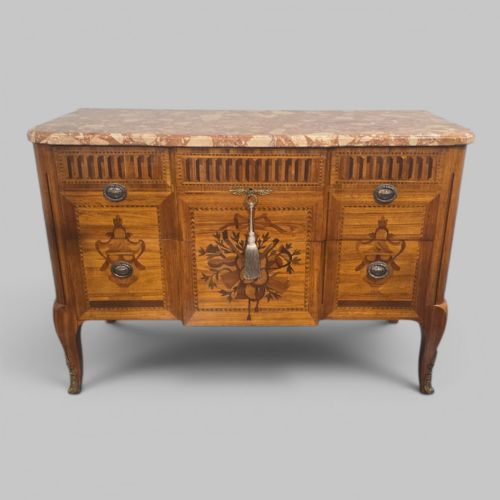
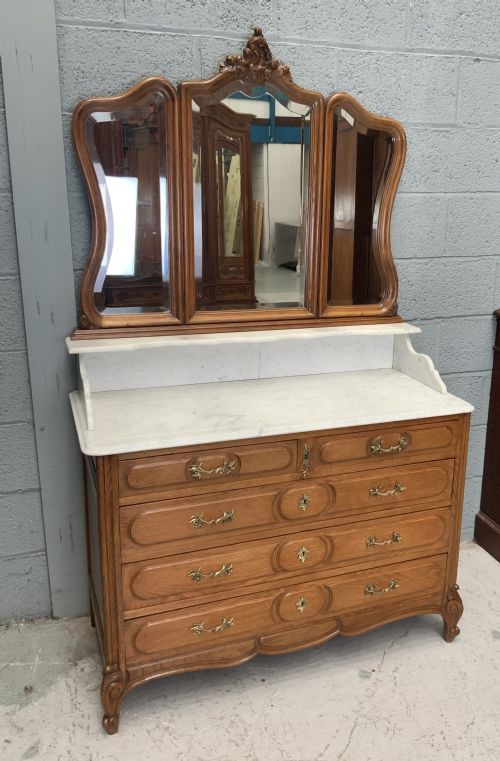
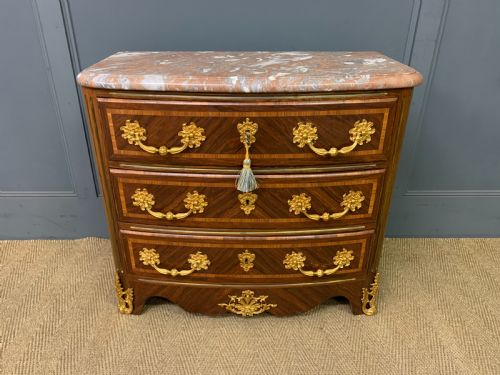


Louis XV Sideboard
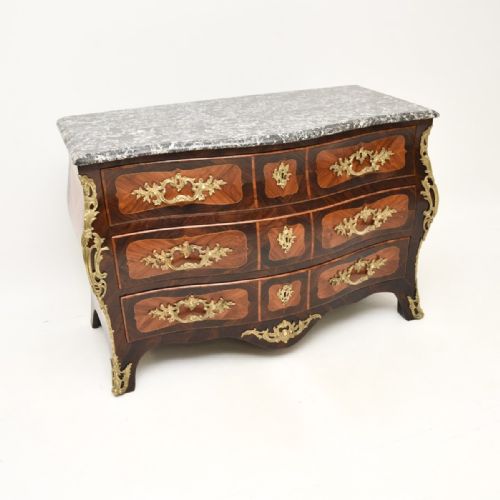
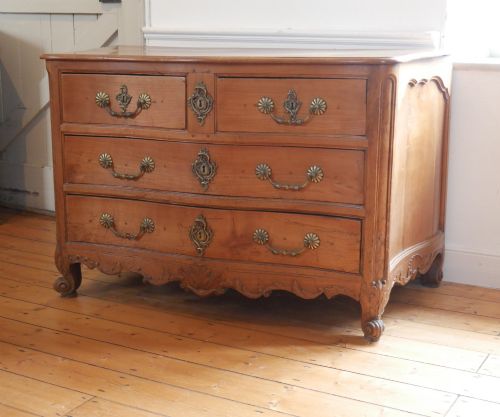
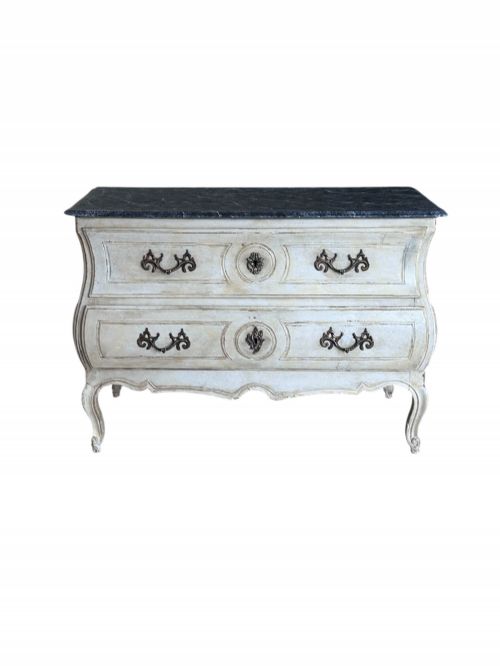
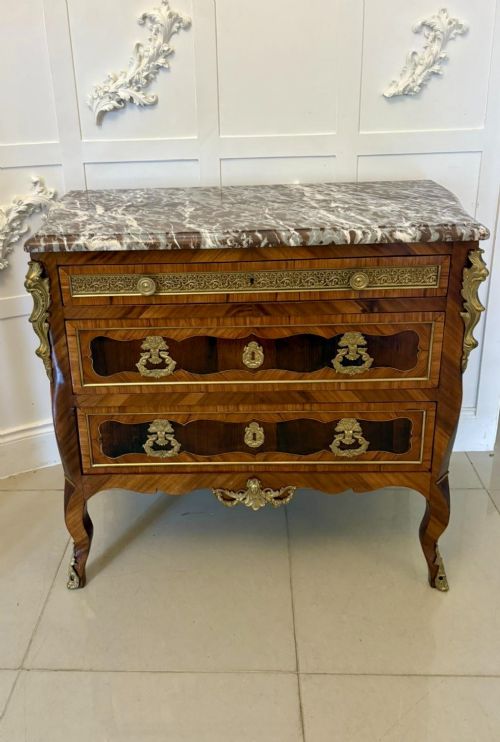
These louis xv sideboard examples bring fluid Rococo movement and fine French craftsmanship into a room.
Louis XV Sideboard
When searching for a louis xv sideboard, buyers encounter forms ranging from 18th century walnut and cherry wood buffets to later Revival commodes, credenzas and side cabinets. The selection spans distinct periods, including pieces from the 18th century, the 19th century, and subsequent revivals up to the 1930s.
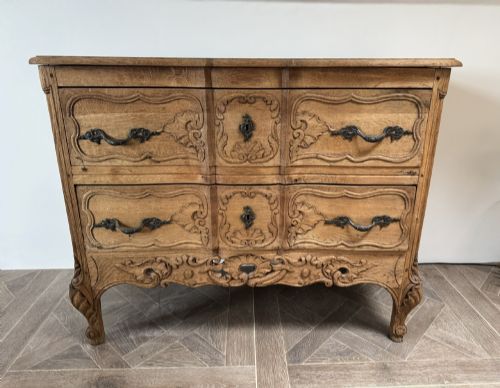
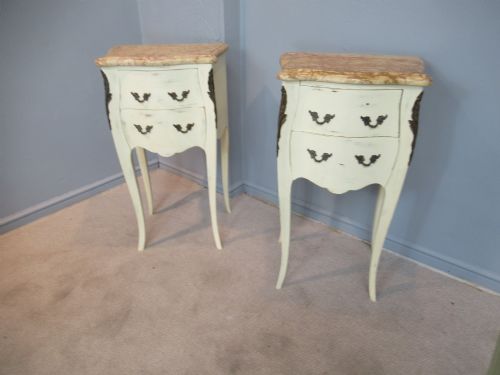
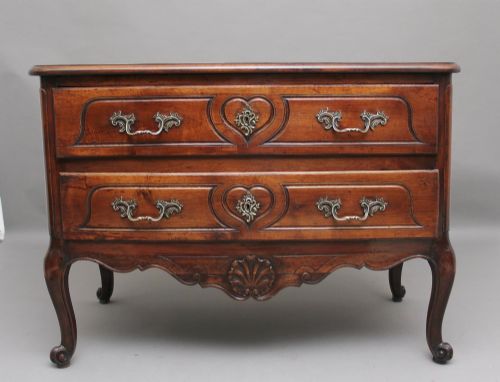
The objects take various names in the records, appearing as commodes, chests of drawers, buffets deux corps, and sideboards. French Provincial, Louis XV style, and Rococo Revival influences dictate the characteristic serpentine fronts and bombé profiles seen across the listings.
Originating predominantly from French workshops, these pieces serve practical storage roles while displaying decorative marquetry, painted finishes, or mounted details. Buyers often choose between utilitarian oak and ash buffets or highly ornate kingwood and marble-topped commodes.
How they were made
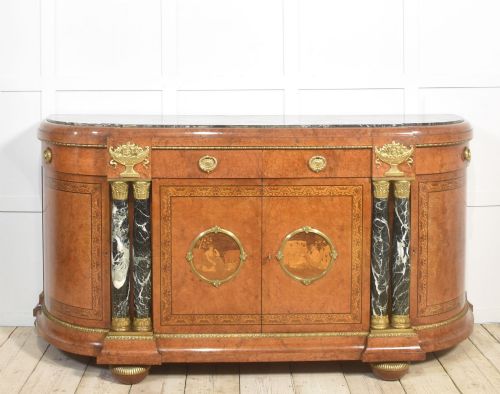
Cabinetmakers utilised timber carcasses built from walnut, oak, kingwood, mahogany, and ash, often applying intricate marquetry inlay or painted surfaces. Surviving pieces frequently pair these wooden structures with heavy marble tops cut to follow serpentine and contour lines.
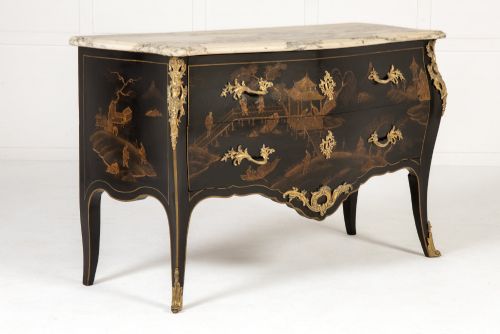
Metalwork played a defining role in the construction, with ormolu and brass mounts secured to corners, handles, and aprons. Iron components and glass elements also appear in specific side cabinets and washstands, while japanned lacquer finishes represent specialised decorative techniques.
A japanned lacquer commode brings whimsical chinoiserie figures into the traditional French interior.
What varies in quality
Quality rests upon the precision of the cabinetmaking and the ambition of the design, distinguishing standard provincial storage from exhibition pieces. Finer examples display meticulous marquetry, sophisticated serpentine curves, and substantial ormolu mounts rather than plain timber surfaces.
The selection of materials creates a clear hierarchy, where dense hardwoods like kingwood and walnut, paired with thick slab marble tops, mark out the more accomplished commissions from simpler painted or bleached oak alternatives.
Jacques Bircklé·Joseph Zwiener
The Louis XV Sideboard Glossary
- Commode
- A low chest of drawers, frequently fitted with a marble top and prominent ormolu mounts. These pieces emerged as fashionable bedroom and reception furniture in France.
- Marquetry
- The art of applying pieces of veneer to a structure to form decorative patterns and pictorial designs. Cabinetmakers used various exotic and domestic woods to achieve tonal contrast.
- Ormolu
- Gilded bronze used for decorative mounts, handles, and feet on high-end furniture. The technique involves applying a gold amalgam to cast bronze.
- Bombé
- A swelling, outward-curving furniture profile that creates a rounded, bulbous shape. This contour requires advanced woodworking skill to maintain structural integrity.
- Buffet deux corps
- A tall, two-stage storage piece featuring a lower cabinet section surmounted by an upper cupboard. These substantial items typically utilise native timbers like oak or walnut.
Louis XV Sideboard: Frequently Asked Questions
What is a louis xv sideboard?
A louis xv sideboard or related commode is a French storage piece characterised by curved lines, asymmetrical mounts, and often a marble top.
These items function as decorative storage units in dining rooms, hallways, and living spaces, providing surface area and internal shelving or drawers.
How do I tell original 18th-century pieces apart from later revivals?
Original 18th-century pieces show period construction methods, timber shrinkage, and hand-cut joinery consistent with walnut, cherry, or oak furniture from that era. Later revival items from the 19th and 20th centuries often incorporate machine-cut elements or styles influenced by specific historical exhibitions.
Examining the internal drawer linings, backboards, and secondary woods helps determine whether a piece dates to the original reign period or a subsequent revival phase.
Where should I place a marble-topped commode?
Marble-topped commodes suit entrance halls, living rooms, and dining areas where their stone surfaces resist daily wear while displaying decorative objects. Their finished backs and sides allow them to stand against walls or act as console units.
Care should be taken to protect the polished stone from acidic liquids and heavy impacts during daily use.
What materials are common in these sideboards?
Walnut, oak, kingwood, and mahogany form the primary structural timbers across the available pieces. Marble, ormolu, brass, and occasional glass details provide the decorative surfaces and mounts.
Some examples feature painted finishes, chinoiserie japanned lacquer, or burr elm veneers depending on the regional origin and stylistic period.