

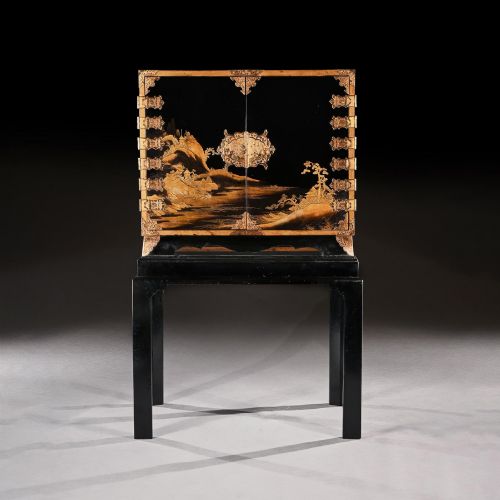
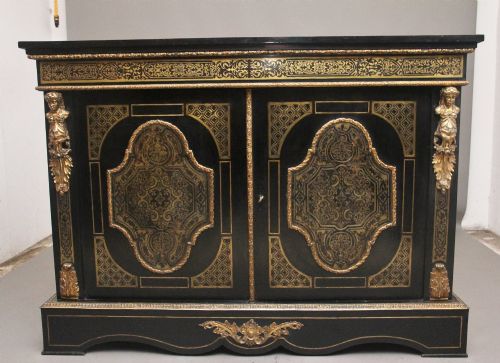
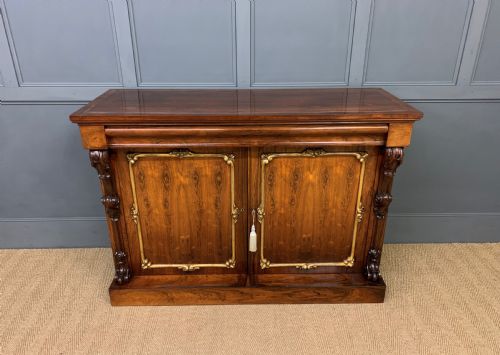

Brass Mounted Cupboard
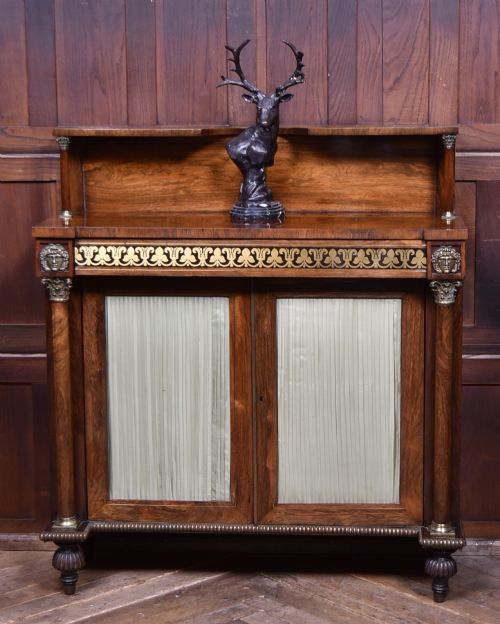
A brass mounted cupboard brings together rich timber and bright metalwork, offering practical storage with a refined finish.
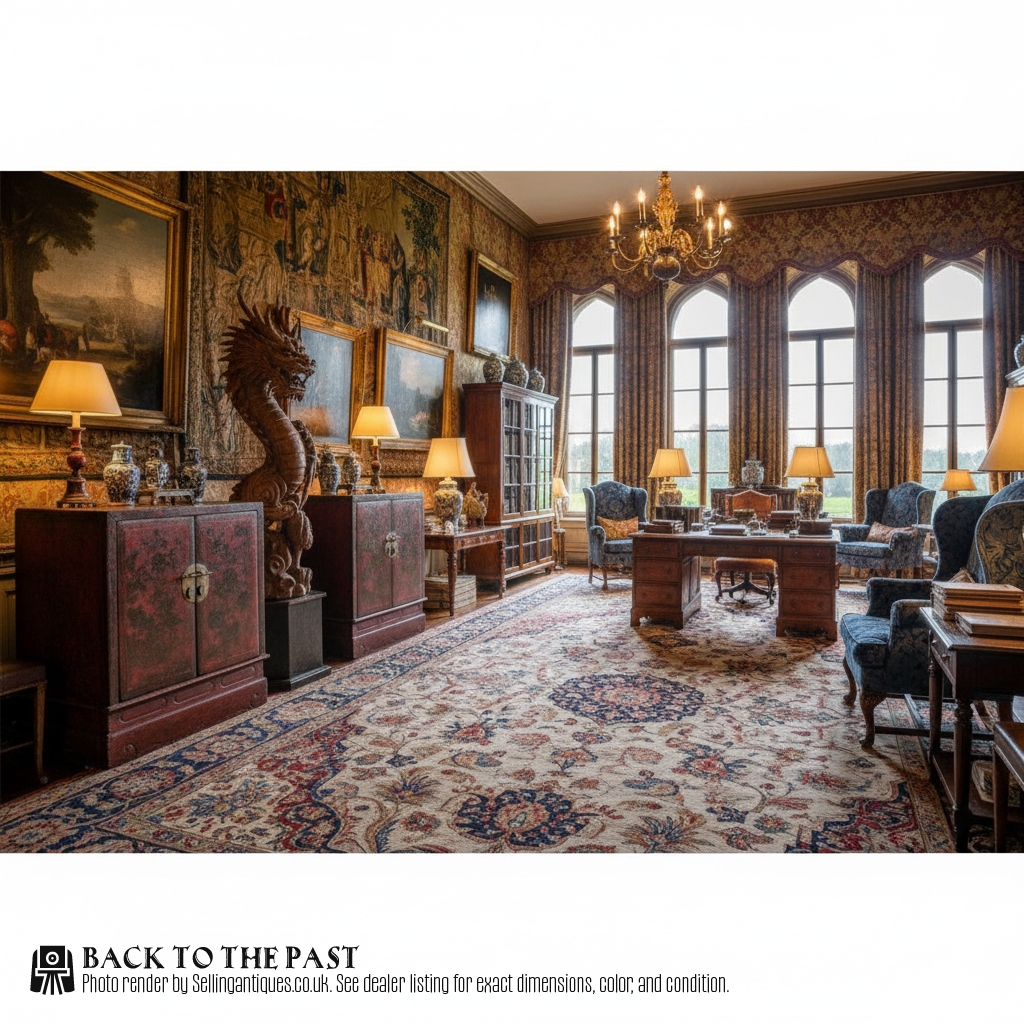
Brass Mounted Cupboard
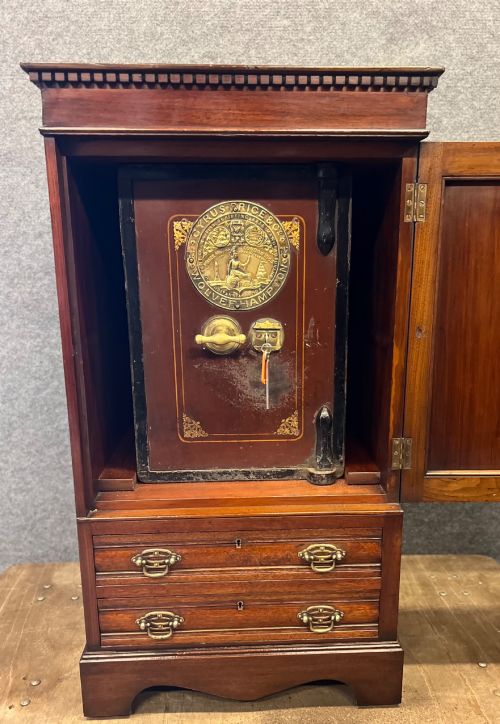
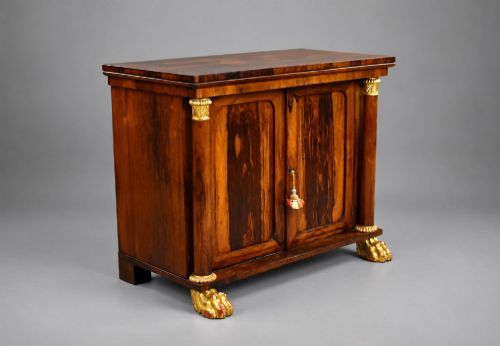
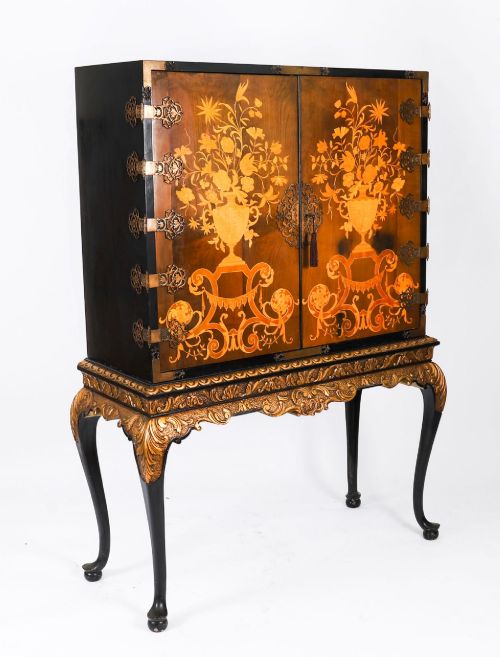
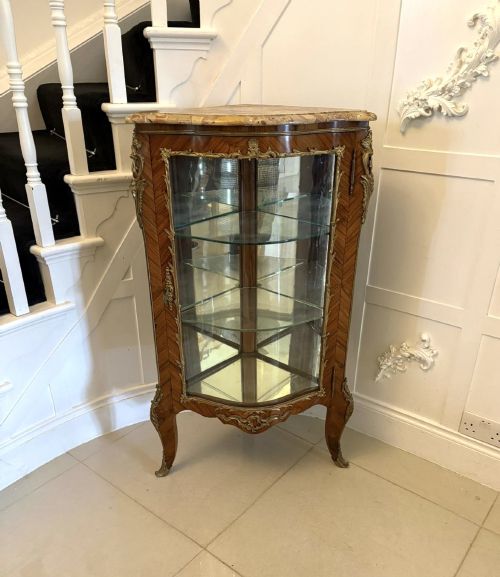
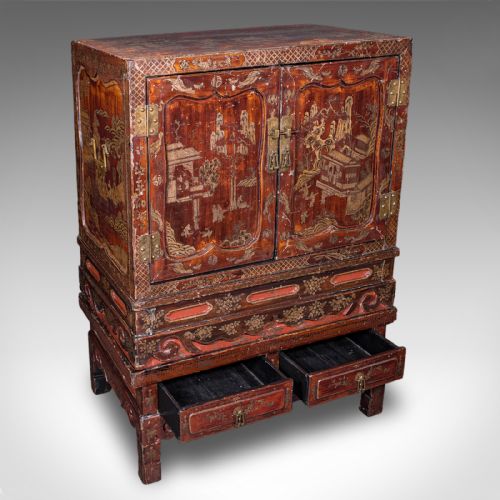
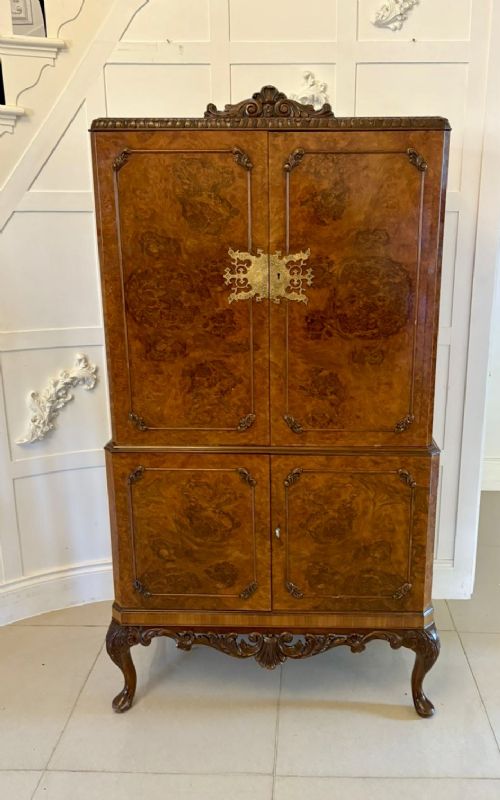
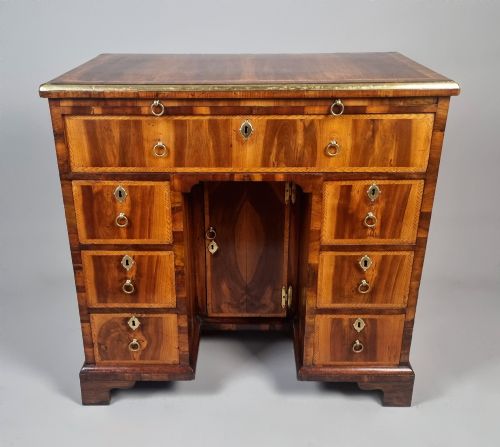
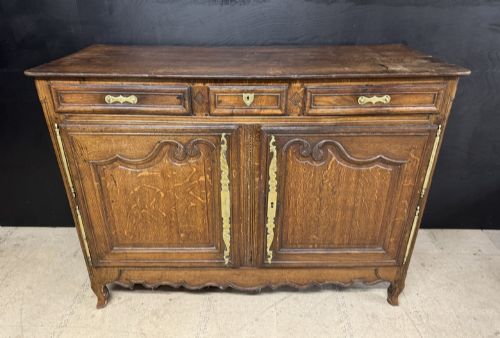
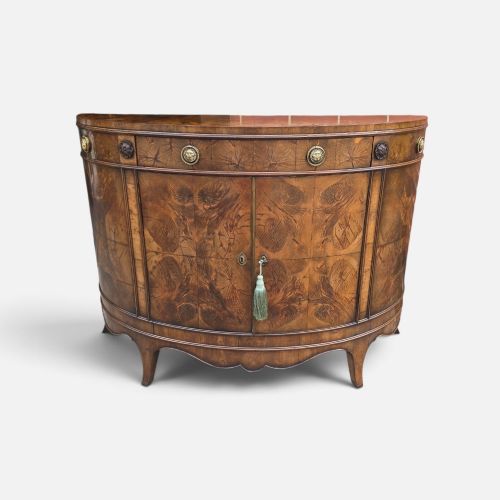
When you search for a brass mounted cupboard, you encounter a range of storage furniture where metal mounts define the silhouette. The pieces span centuries of cabinet-making, featuring formal side cabinets, display cabinets, and bedside pieces.
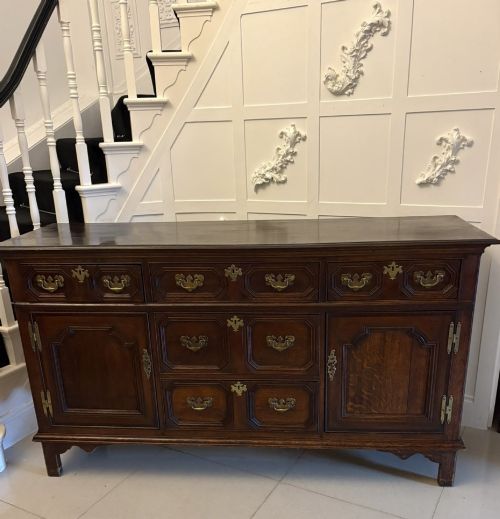
You are most likely to meet 19th-century interpretations on this page, alongside earlier walnut and oak examples. These items serve as functional storage while displaying the decorative hardware characteristic of their period.
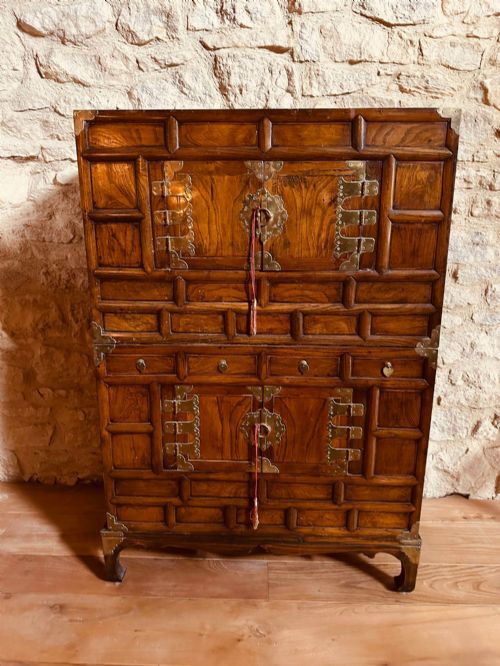
The selection encompasses diverse regional traditions, from English mahogany chiffoniers to French boulle work and Asian lacquered cabinets on stands. Each form utilises metal hardware not merely for reinforcement, but as a primary decorative element.
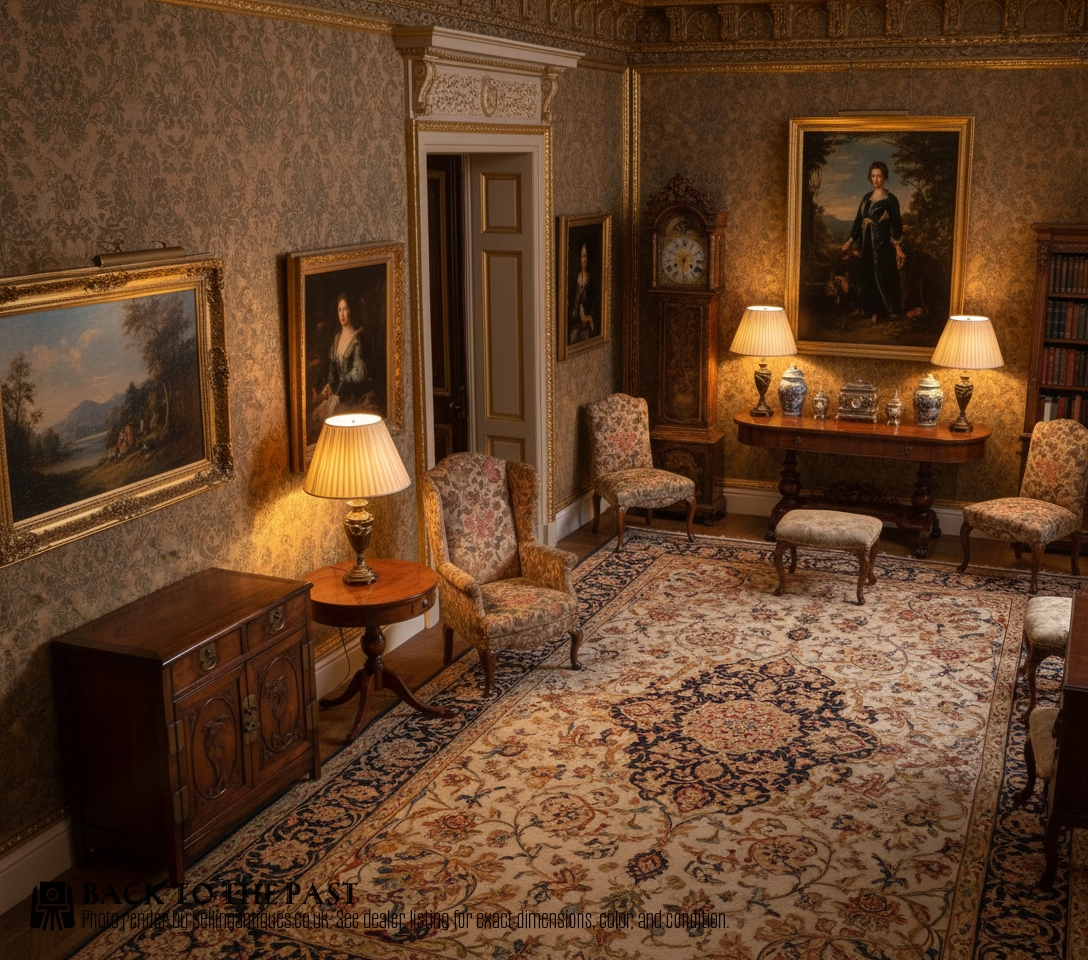
Materials and Construction
Cabinet-makers relied on dense hardwoods such as mahogany, rosewood, walnut, and kingwood, frequently applied as veneers over secondary timbers. Ebonised wood and exotic materials like tortoiseshell also appear in more elaborate interpretations.
Brass, ormolu, and bronze hardware provide the defining metal mounts, hinges, and inlays that secure and ornament the structure. Marble tops frequently complete the surfaces of French and Victorian pieces, adding weight and contrast to the wood.
Brass Mounted Cupboard Retail Price Guide 2026
Typical asking prices for brass mounted cupboard among the pieces listed under this phrase on Sellingantiques today, from the lower quarter to the upper quarter. They describe what is for sale here now, not the wider market.
Materials recorded across the inventory include rosewood, glass, tortoiseshell, and marble.
Assessing Quality and Execution
The distinction between tiers rests upon the precision of the cabinet-making and the quality of the cast mounts. Finer pieces display crisp chasing in the ormolu and seamless integration of brass inlays into the timber grain.
Selection of veneer, such as figured mahogany, burr walnut, or kingwood parquetry, dictates the visual depth of the surface. Superior examples maintain structural integrity alongside well-balanced proportions and original hardware.
Louis Constantin Le Gaigneur·Henry Ogden & Son·Liberty & Co·Harrods
The Brass Mounted Cupboard Glossary
- Ormolu
- Gilt-bronze mountings applied to furniture for decorative effect. This technique was widely employed on French and revival pieces.
- Boulle
- A form of marquetry using brass and tortoiseshell inlaid in counterpoint patterns. It is frequently seen on nineteenth-century pier cabinets.
- Chiffonier
- A low sideboard or cabinet featuring shelves or enclosed cupboards. These pieces became popular during the Regency and Victorian eras.
- Pier Cabinet
- A narrow cabinet designed to stand against the wall between windows. They often incorporate glass doors and marble tops.
- Parquetry
- Geometric patterns formed by fitting small pieces of wood veneer together. It creates decorative surfaces on cabinet doors and tops.
Brass Mounted Cupboard: Frequently Asked Questions
Where should I place a brass mounted cupboard?
These cabinets suit living spaces, hallways, and bedrooms where their decorative hardware catches the light. Smaller bedside variants and corner cabinets fit neatly into restricted wall space.
Larger side cabinets and display pieces serve as focal points in reception rooms. Ensure the surrounding furniture complements the timber tone and metal finish of the piece.
How do I care for the wood and brass?
Dust the timber regularly with a soft cloth and apply quality wax periodically to nourish the grain. Avoid excessive moisture and direct sunlight to protect polished surfaces.
Clean brass and ormolu mounts gently without harsh abrasives that might strip the original finish. Take care around inlaid sections to prevent lifting the metal.
What periods do these cabinets represent?
The selection spans from the seventeenth century through the Regency and Victorian eras into the twentieth century. Earlier items often feature heavy oak or walnut construction with simple iron or brass hardware.
Later nineteenth and twentieth-century examples embrace revival styles, incorporating intricate marquetry and polished ormolu mounts. Each era brings distinct proportions and timber choices to the form.
How do I distinguish between styles?
Regency pieces often display classical restraint with disciplined brass inlay on rosewood or mahogany. Victorian and revival pieces tend towards heavier proportions, burr veneers, and ornate ormolu mounts.
Asian and Chinoiserie examples utilise lacquered surfaces and painted details. Examining the construction methods and secondary timbers helps confirm the historical period.