


Antique French Server
An antique french server brings practical surface space and provincial character to a dining room.
Antique French Server
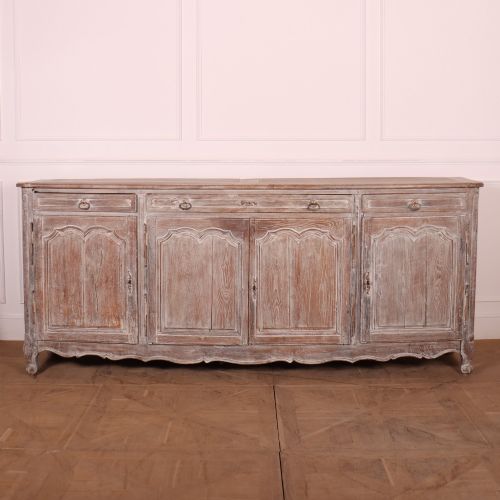
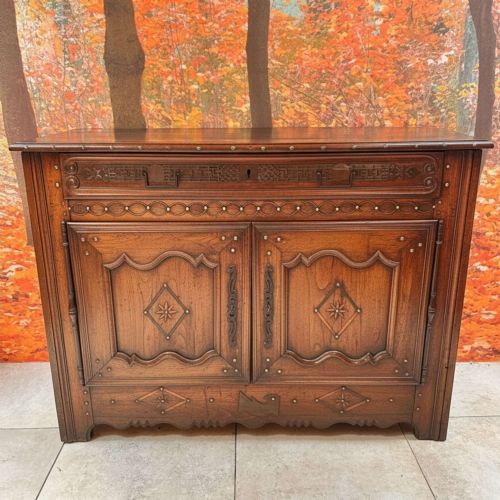
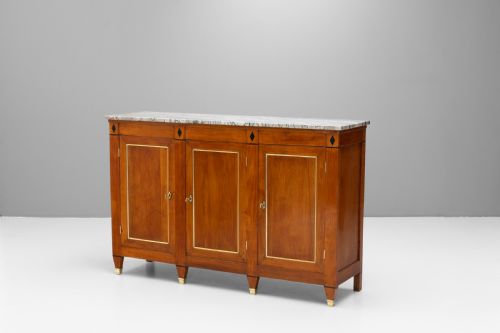
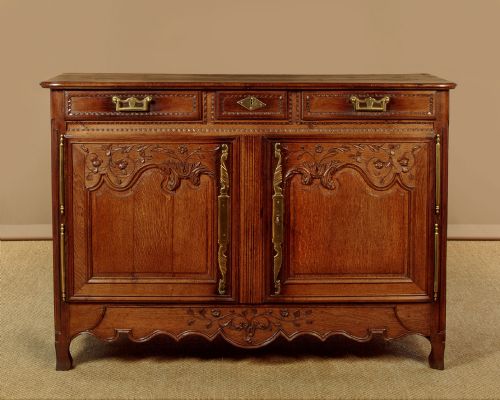
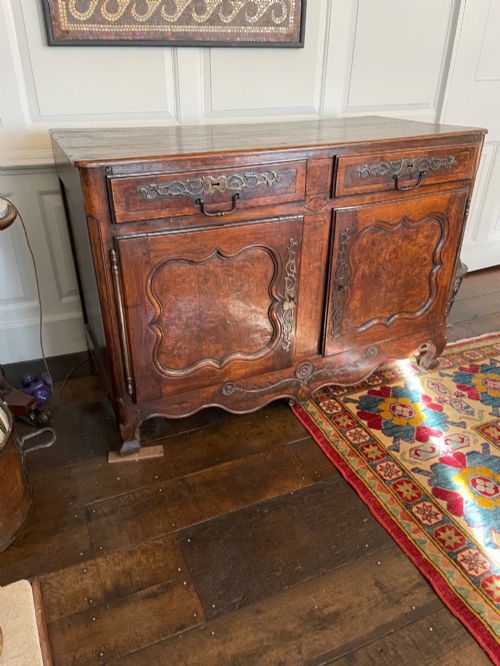
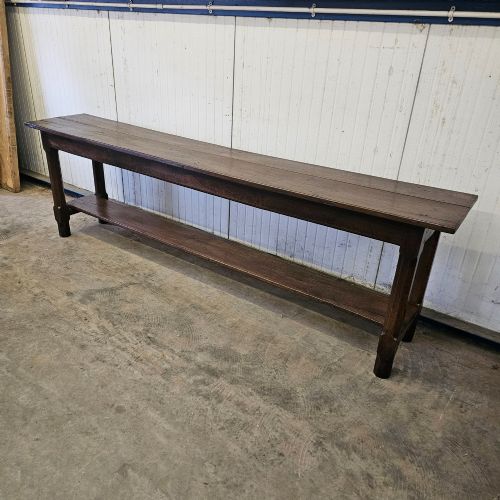
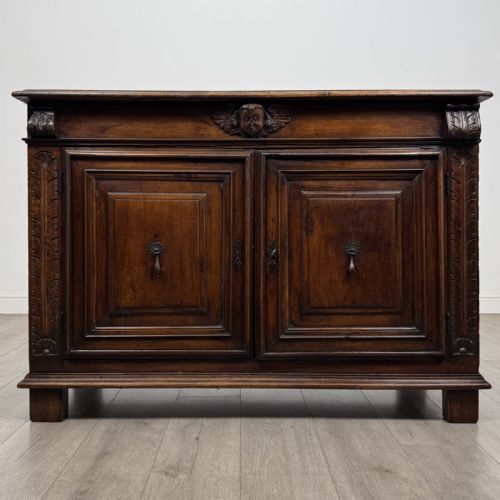
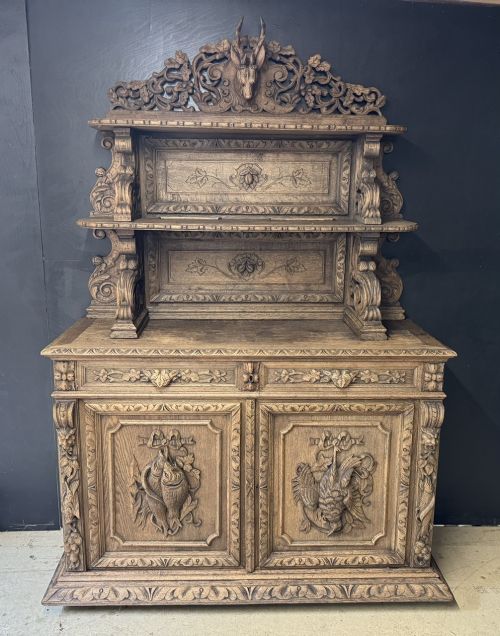
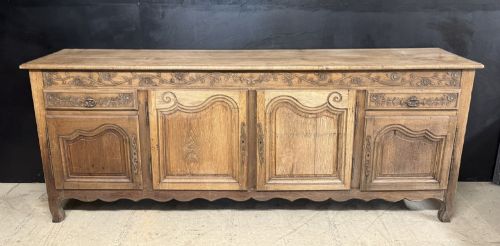
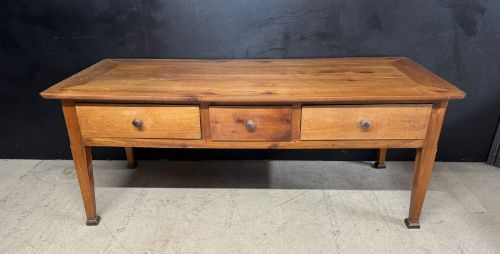
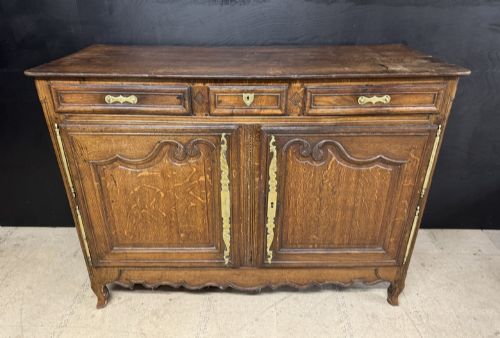
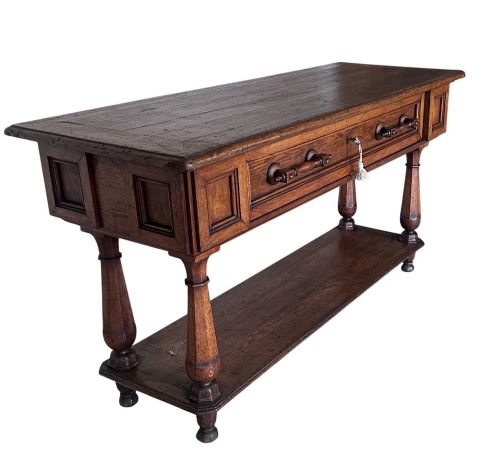
When searching for an antique french server, buyers encounter a variety of substantial storage and serving furniture spanning several centuries. The selections on this page encompass walnut and oak sideboards, cherrywood serving tables, and painted pine consoles originating from diverse regional traditions across France.
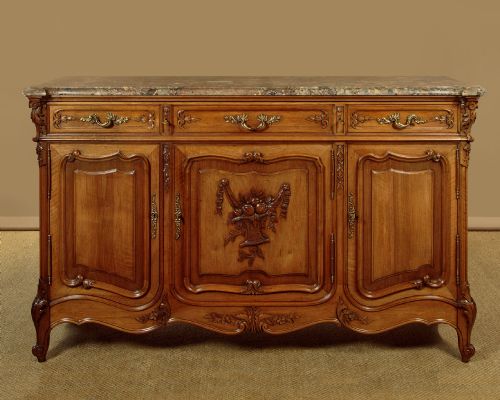
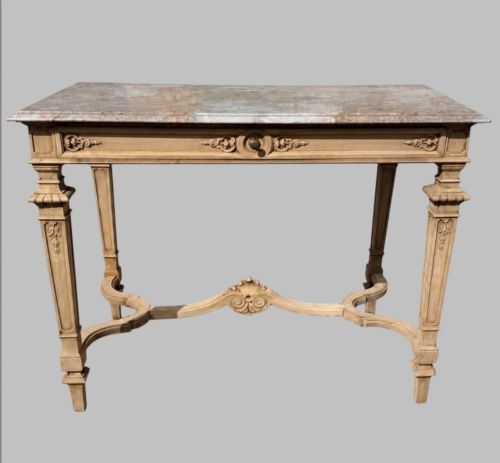
Provincial pieces often take the form of rustic pot-shelf serving tables, oak buffets, or fruitwood farmhouse tables designed for everyday utility. Finer revival pieces, including Louis XV style marble-topped sideboards and Art Deco cabinets, demonstrate the stylistic evolution of French dining furniture from the eighteenth century into the twentieth.
Materials and construction methods
Cabinet makers utilised dense native timbers such as oak, walnut, cherrywood, and fruitwood to construct the structural frames of these serving pieces. Many tables and cabinets feature fitted marble tops, polished stone surfaces that provided durable, cool areas for food preparation and presentation.
Metal elements including brass mounts, ormolu details, and iron hardware punctuate the woodwork, whilst painted pine and scrubbed surfaces display traditional hand-applied finishes. Joinery relied on time-honoured carpentry techniques suitable for heavy everyday use in domestic and commercial kitchens.
Antique French Server Retail Price Guide 2026
Typical asking prices for french server among the pieces listed under this phrase on Sellingantiques today, from the lower quarter to the upper quarter. They describe what is for sale here now, not the wider market.
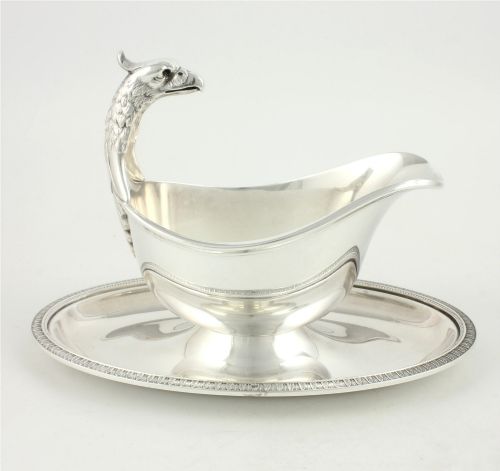
Silver sardine servers and antique bone holders occasionally join the furniture, proving that the French took their hors d'oeuvres very seriously indeed.
Evaluating craftsmanship and condition
The distinction between standard utility furniture and superior examples lies in the selection of timber and the finesse of the carved details. Finely figured burr elm, heavy moulded marble slabs, and crisp hand-carving elevate certain sideboards and servers above plain provincial pieces.
Original surface treatments, such as untouched historical paint or a well-patinated beeswax finish on bleached oak, indicate careful preservation. The integration of original hardware and stable, honest timber movement distinguishes pieces that retain their architectural integrity.
Christofle Gallia
The Antique French Server Glossary
- Buffet
- A large piece of dining room furniture used for storing crockery and serving food. These items typically feature cupboards or drawers beneath a wide top surface.
- Console table
- A table designed to stand against a wall, frequently supported by wall brackets or console legs. They often serve as decorative serving surfaces in hallways and dining spaces.
- Fruitwood
- Timber sourced from fruit-bearing trees such as pear, apple, or cherry. Cabinet makers valued these woods for their fine grain and warm colour.
- Ormolu
- Gilded bronze mounts applied to furniture for decoration. This technique gained prominence in French cabinet making during the eighteenth and nineteenth centuries.
- Pot-shelf
- An open lower shelf built into a table or server. It provided convenient storage for heavy pots and kitchen utensils in traditional provincial homes.
Antique French Server: Frequently Asked Questions
What is an antique french server?
An antique french server is a functional piece of dining furniture designed for presenting food or storing tableware. These items include serving tables, sideboards, buffets, and console tables.
Originating from various French regions, they combine practical storage drawers or cupboards with sturdy display surfaces suited for hospitality.
How do I style a server in a modern home?
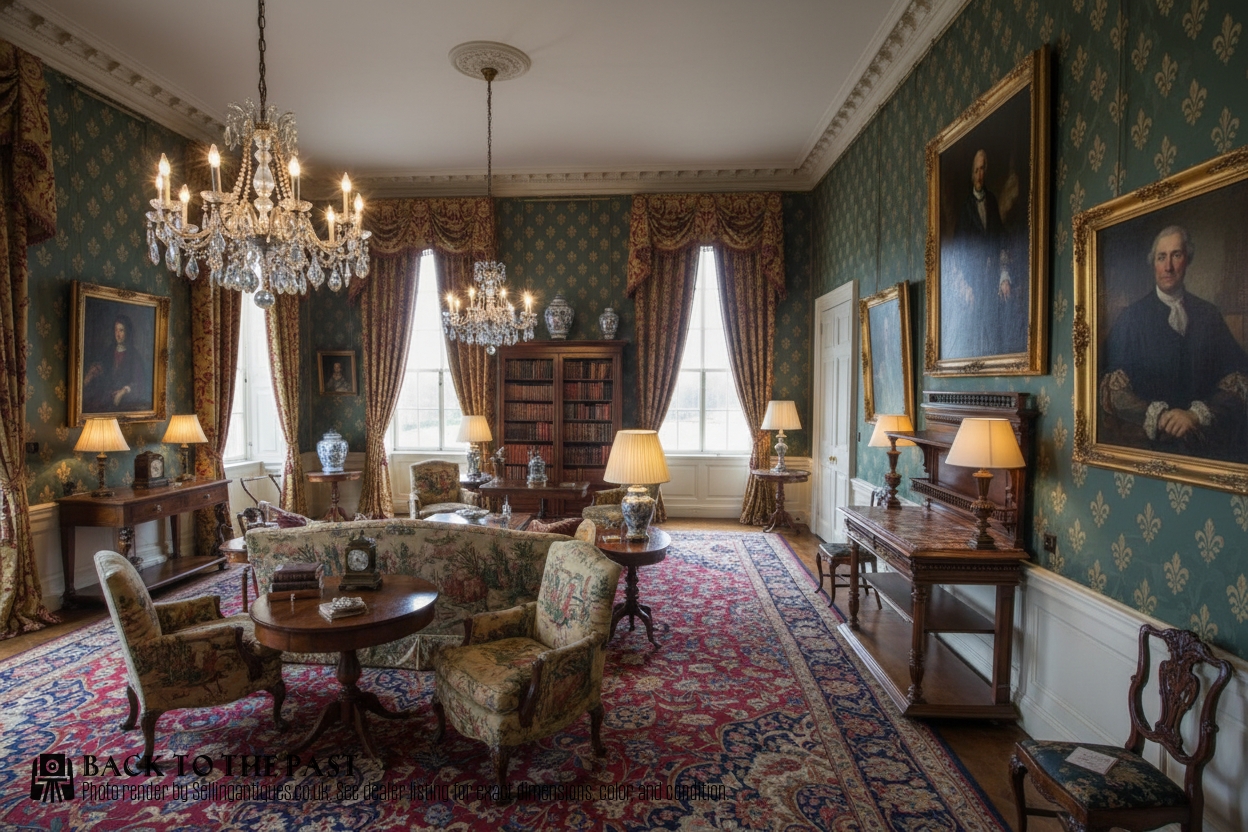
A server works effectively in a dining room, kitchen, or hallway as both a decorative focal point and a practical surface. You can use the top to display ceramics, lamps, or serving dishes.
The lower shelves or cupboards provide useful storage for table linens, glassware, or everyday dining accessories.
How do I identify the period of a server?
Dating relies on examining the timber species, construction techniques, and stylistic revival markers present in the design. Eighteenth-century pieces often feature hand-carved solid walnut and pegged joinery, whereas nineteenth-century items might display ormolu mounts or mahogany veneers.
Twentieth-century examples often shift towards cleaner geometric lines, as seen in Art Deco pieces.
Are marble-topped servers practical?
Marble tops provide a durable, heat-resistant surface that was traditionally used for pastry making and serving cold dishes. They add weight and visual elegance to console tables and sideboards.
Care involves wiping spills promptly to protect the polished stone from staining.