

Eighteenth Century Table
An eighteenth century table is a domestic surface built for dining, writing or display, bringing centuries of timber and craftsmanship into daily use.
Eighteenth Century Table
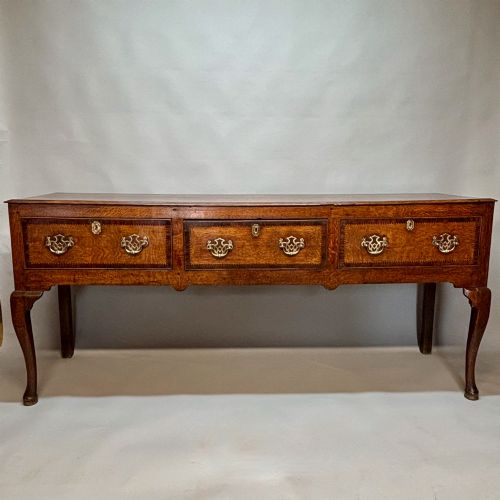
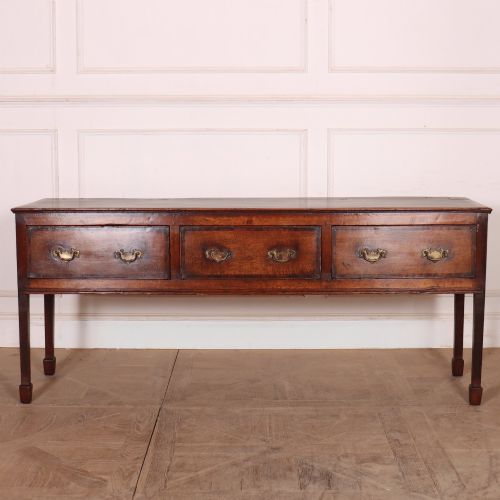
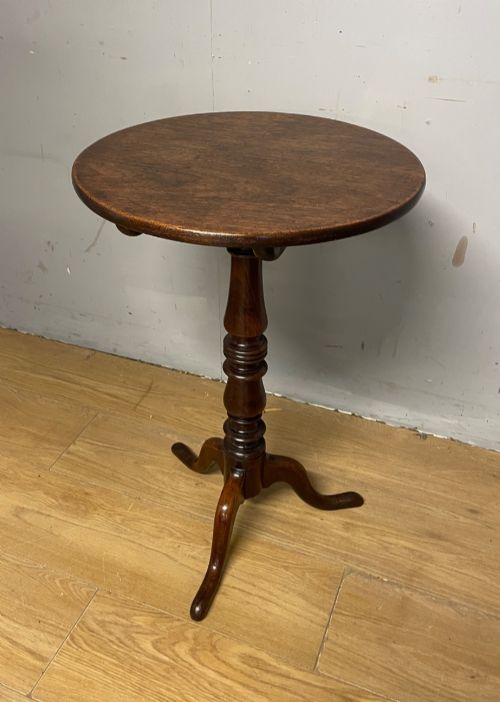
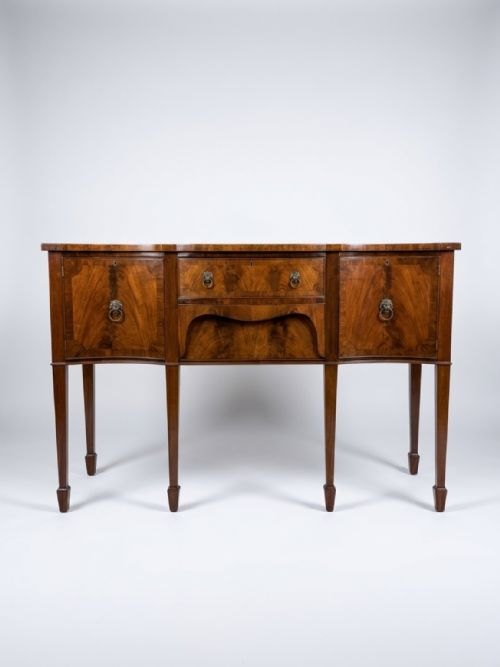
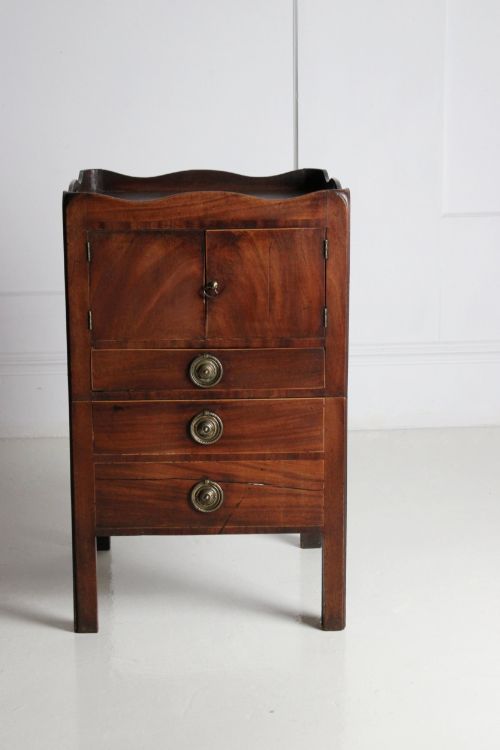
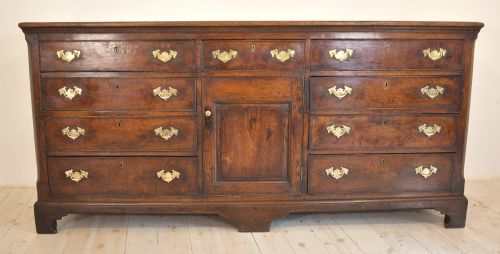
An eighteenth century table encompasses a wide variety of forms, from sturdy oak dresser bases and gateleg dining tables to refined mahogany tripod wine tables and pembroke tables. Buyers searching this phrase most frequently encounter Georgian mahogany occasional and side tables, alongside country oak pieces built for utility.
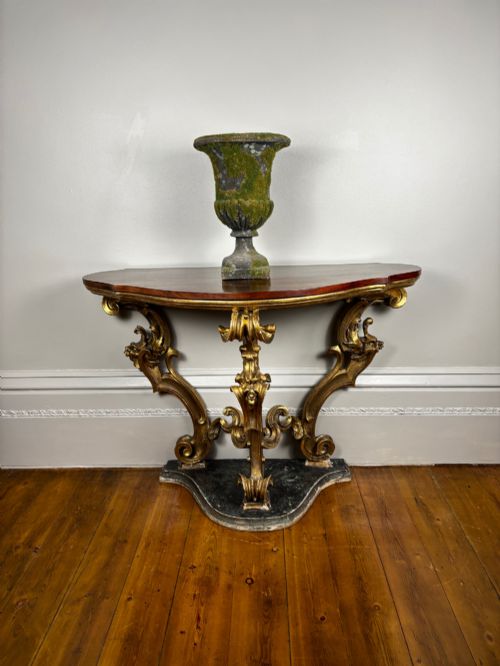
The selection ranges across stylistic influences such as George III proportion, Italian neoclassical carved consoles, and regional vernacular pieces from Wales and England. These domestic surfaces served practical roles for dining, tea, writing, and display in period interiors.
While many listings date strictly to the 18th century, related pieces span from earlier oak gateleg designs up to later nineteenth-century interpretations and revivals. The common thread across the selection is timber construction adapted to specific household functions.
How they were made
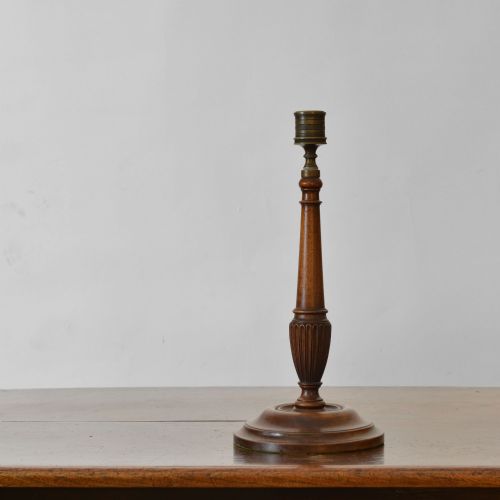
Cabinetmakers relied heavily on solid mahogany, oak, and walnut, often selecting figured timbers for visible surfaces and secondary woods for interior framing. Joinery techniques included mortise and tenon frames, dovetailed drawers, and turned baluster legs that provided structural stability.
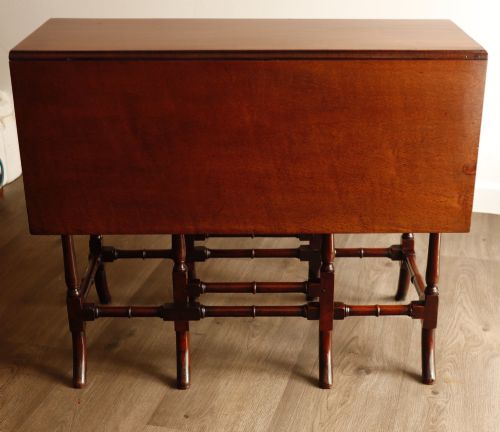
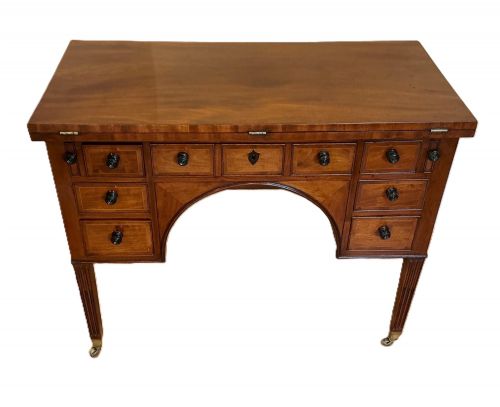
Surface ornamentation involved decorative elements such as satinwood banding, marquetry inlay, and brass fittings including drop handles and binding. Tables designed for folding or tilting utilised hinged mechanisms, drop leaves, and pivoting tripod bases.
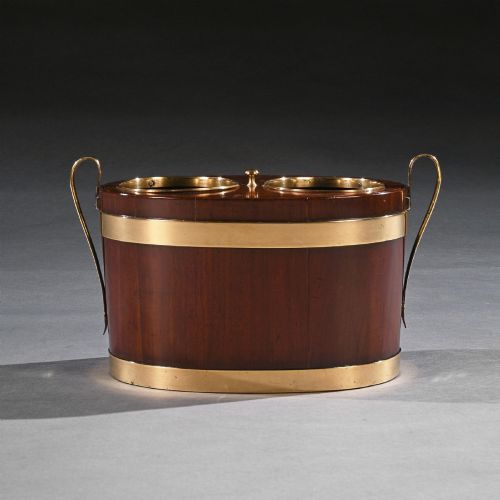
Butler's trays on folding stands kept the port safely elevated away from enthusiastic hounds and sprawling eighteenth-century skirts.
What varies in quality
Quality rests upon the selection of timber grain, the precision of hand-cut joinery, and the harmony of original proportions. Superior pieces display thoughtful integration of decorative veneers, balanced inlay work, and robust structural framing that has survived centuries of use.
Simpler regional or vernacular tables derive their merit from honest construction, unpretentious oak or pine surfaces, and the integrity of their original hardware. Conversely, later alterations, replaced legs, or mismatched replacement tops diminish the coherence and integrity of an antique table.
J.T. & Co·Turner of London·JOHN WITHERSTON OF HEREFORD
The Eighteenth Century Table Glossary
- Tripod table
- A small freestanding table supported by a central pillar above three branching legs, frequently featuring a tilting mechanism. These were designed for easy movement around a room.
- Gateleg table
- A drop-leaf table with hinged flaps supported by swinging legs that pivot outward like a gate. This construction allows the surface area to expand or contract as needed.
- Pembroke table
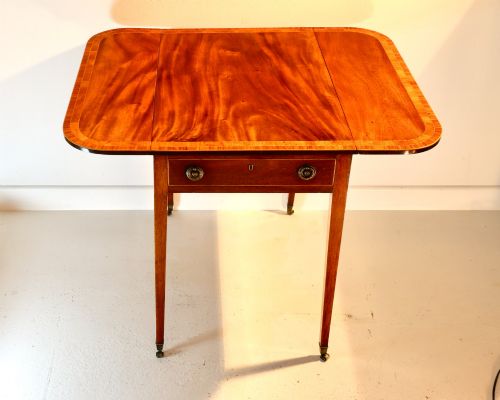
- A small rectangular table with two hinged drop leaves on opposing sides and usually one or two drawers. It gained popularity during the Georgian period for breakfast or writing use.
- Low boy
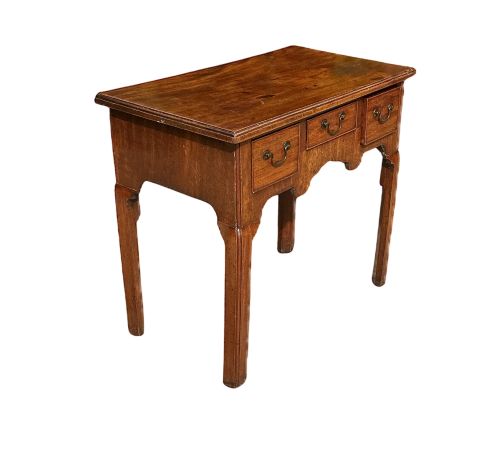
- A small domestic table with one or more drawers and cabriole or straight legs, commonly used as a dressing or side table. They were typically constructed in oak or walnut.
- Dresser base
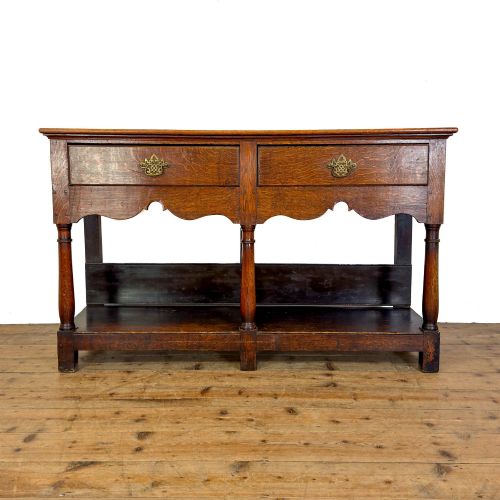
- A long, sturdy wooden base featuring drawers and cupboards beneath a flat top, originating in regional kitchens and dining halls. They provide substantial storage alongside a broad surface.
- Marquetry
- The art of applying decorative veneer pieces in wood, shell, or ivory to a structural surface to create intricate pictorial designs. It appears frequently on fine cabinet furniture.
Eighteenth Century Table: Frequently Asked Questions
What is a pembroke table used for?
Pembroke tables were versatile occasional pieces used for writing, sewing, or serving breakfast in a parlour or bedroom. The folding side leaves allowed the table to expand quickly when extra surface area was required.
They usually feature one or two small drawers and slender tapered legs. Their compact footprint made them exceptionally adaptable for eighteenth-century domestic spaces.
Are oak tables earlier than mahogany?
Oak was the dominant timber for English furniture throughout the seventeenth century and into the early eighteenth century, particularly for regional and country pieces. Its heavy grain and durability suited sturdy gateleg and dresser construction.
Mahogany rose to prominence during the Georgian period as trade routes opened and cabinetmakers favoured its rich colour and fine grain. Walnut filled an intermediary period before mahogany became the primary choice for formal furniture.
How do I tell a card table from a side table?
A card table is built with a folding top that opens upward, supported by a swinging leg or a pivoting frame to reveal a baize-lined playing surface. They often feature small corner wells for counters and candles.
In contrast, a standard side table possesses a fixed top designed for permanent display against a wall. They generally lack folding leaves or specialised interior wells.